
Ikaartuit (2024)
During the summer of 2022, eight teenagers and young adults from Kuujjuaq, Kangiqsualujjuaq and Kangirsuk took part in a two-week kayaking adventure.
During the summer of 2022, eight teenagers and young adults from Kuujjuaq, Kangiqsualujjuaq and Kangirsuk took part in a two-week kayaking adventure.
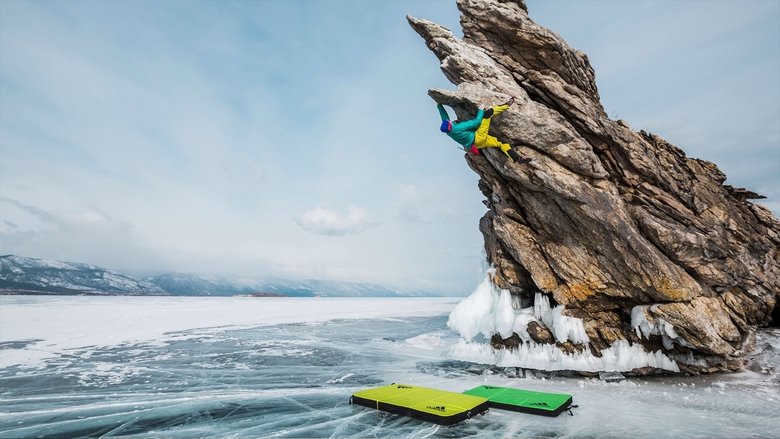
Four adventurers are given the opportunity to take on once-in-a-lifetime challenges. They’ll push themselves physically, mentally and spiritually to conquer what once seemed impossible.
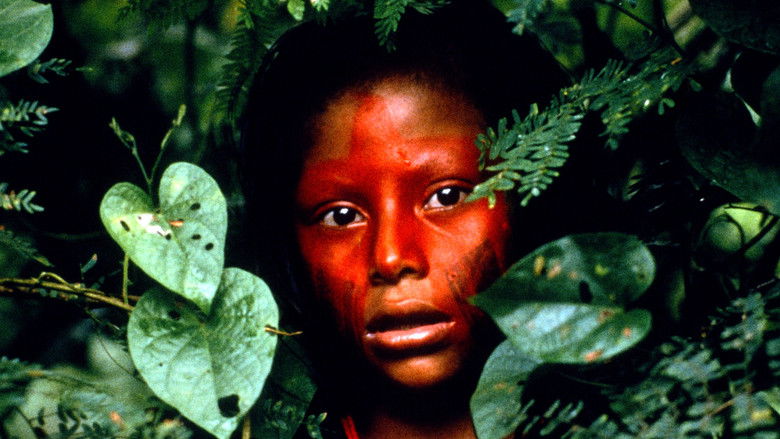
A paralysingly beautiful documentary with a global vision—an odyssey through landscape and time—that attempts to capture the essence of life.
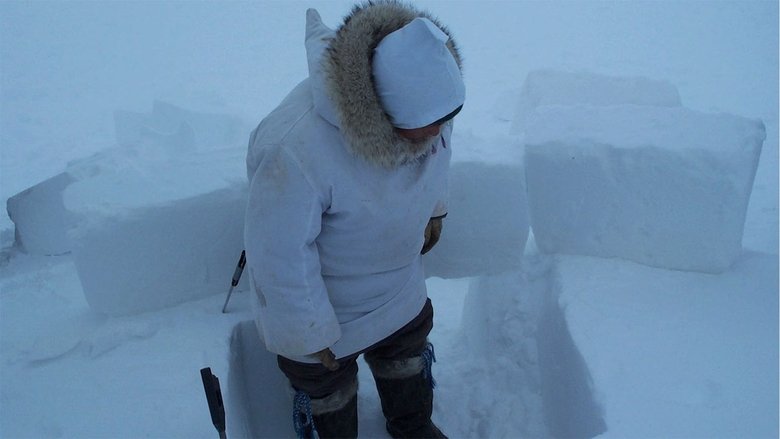
In this feature-length documentary, 8 Inuit teens with cameras offer a vibrant and contemporary view of life in Canada's North. They also use their newly acquired film skills to confront a broad range of issues, from the widening communication gap between youth and their elders to the loss of their peers to suicide. In Inuktitut with English subtitles.
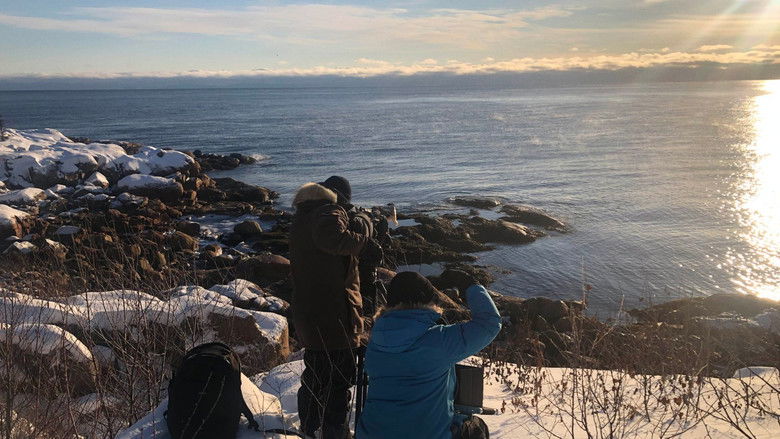
More than an attachment to our territory, the Innu live a filial relationship with Nitassinan, our ancestral homeland. For so many generations, the land has nourished, cared for and raised us. It has inspired our language, our culture, our lifeway and our vision of the world. Throughout the seasons, our ancestors criss-crossed the territory on foot, by canoe or on snowshoes. They knew every river, lake, or stream; every mountain, hill or bog; every camp, trail and portage path. Nomadism forged our people, and the film will record this journey and our history – past, present and future. And while it will attest to our vitality and resilience it is also – and above all – a tribute and a message of respect for the Earth.
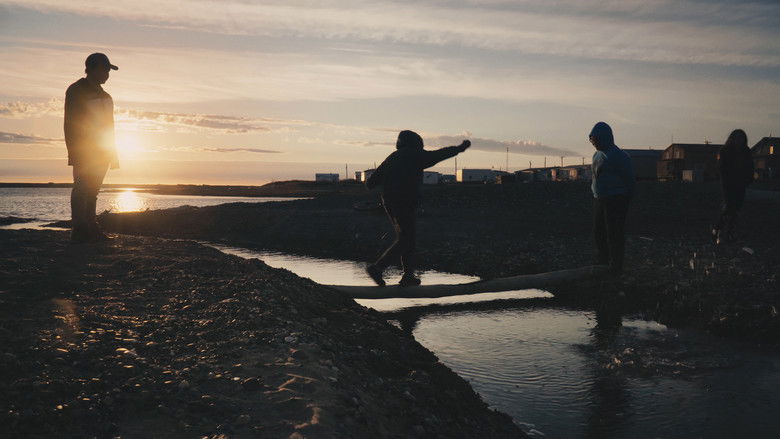
ARCTIC SUMMER is a poetic meditation on Tuktoyaktuk, an Indigenous community in the Arctic. The film captures Tuk during one of the last summers before climate change forced Tuk's coastal population to relocate to more habitable land.
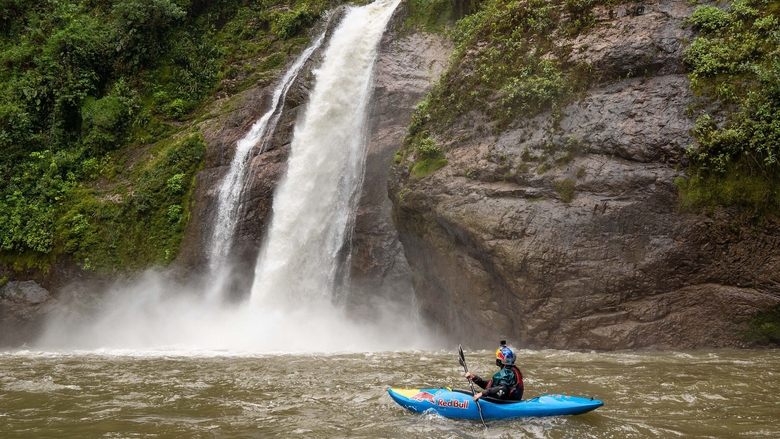
From Olympic pools to wild rivers to world championship podiums, discover the incredible life of Nouria Newman, the most gifted kayaker of her generation.
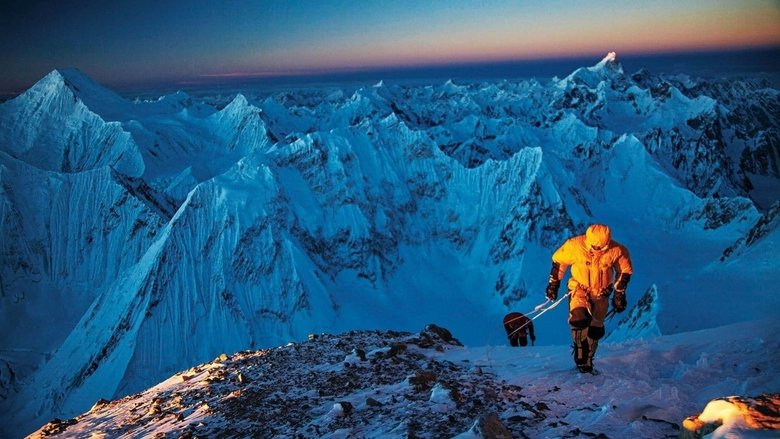
The best films of the European Outdoor Film Tour 11/12.
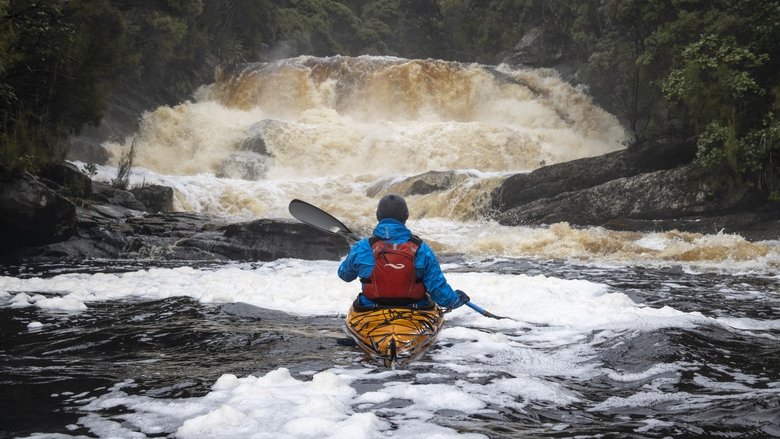
A contemplation of art and adventure in the southern wilds of New Zealand by both a landscape photographer and an adventure filmmaker. This film is the unexpected result of their two unique perspectives.
The conflict over forestry operations on Lyell Island in 1985 was a major milestone in the history of the re-emergence of the Haida Nation. It was a turning point for the Haida and management of their natural resources.
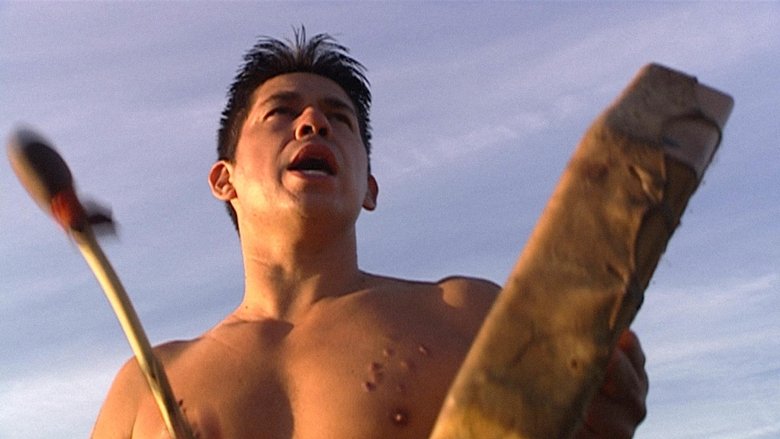
This feature-length documentary chronicles the Sundance ceremony brought to Eastern Canada by William Nevin of the Elsipogtog First Nation of the Mi'kmaq. Nevin learned from Elder Keith Chiefmoon of the Blackfoot Confederacy in Alberta. Under the July sky, participants in the Sundance ceremony go four days without food or water. Then they will pierce the flesh of their chests in an offering to the Creator. This event marks a transmission of culture and a link to the warrior traditions of the past.
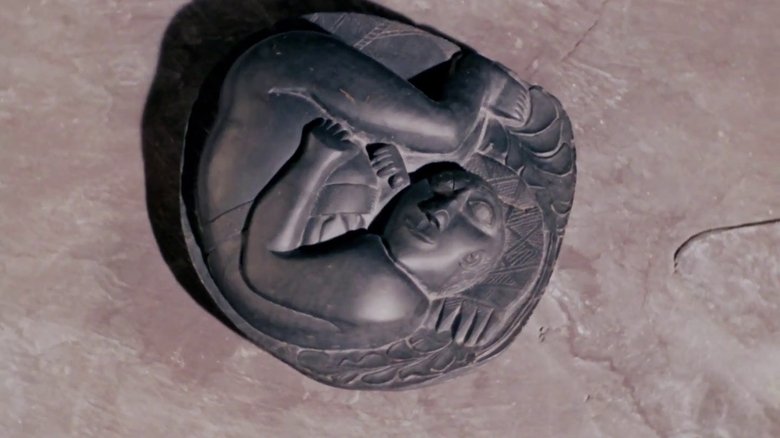
On Canada's Pacific coast this film finds a young Haida artist, Robert Davidson, shaping miniature totems from argillite, a jet-like stone. The film follows the artist to the island where he finds the stone, and then shows how he carves it in the manner of his grandfather, who taught him the craft.
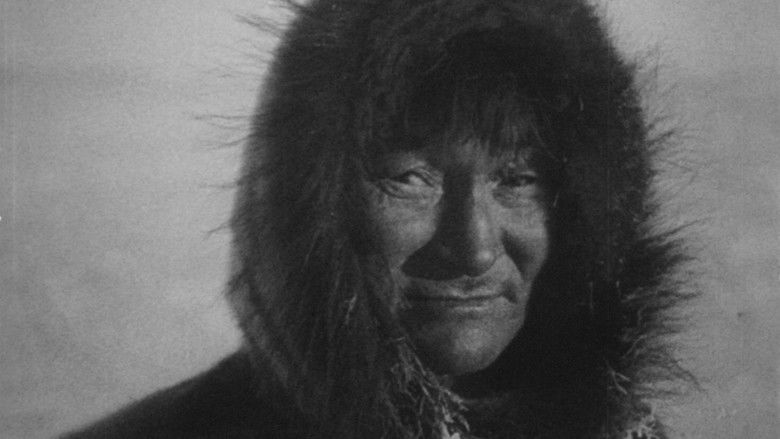
This pioneering documentary film depicts the lives of the indigenous Inuit people of Canada's northern Quebec region. Although the production contains some fictional elements, it vividly shows how its resourceful subjects survive in such a harsh climate, revealing how they construct their igloo homes and find food by hunting and fishing. The film also captures the beautiful, if unforgiving, frozen landscape of the Great White North, far removed from conventional civilization.
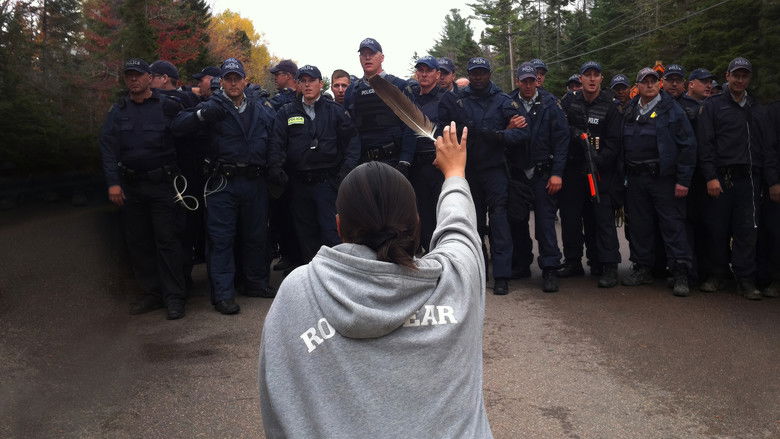
This short documentary revisits Mi’kmaq territory, where an iconic moment was captured in 2013—igniting into a symbol of Indigenous resistance and halting fracking exploration on unceded lands.
A documentary on the war between the Guatemalan military and the Mayan population, with first hand accounts by Nobel Peace Prize winner Rigoberta Menchú.
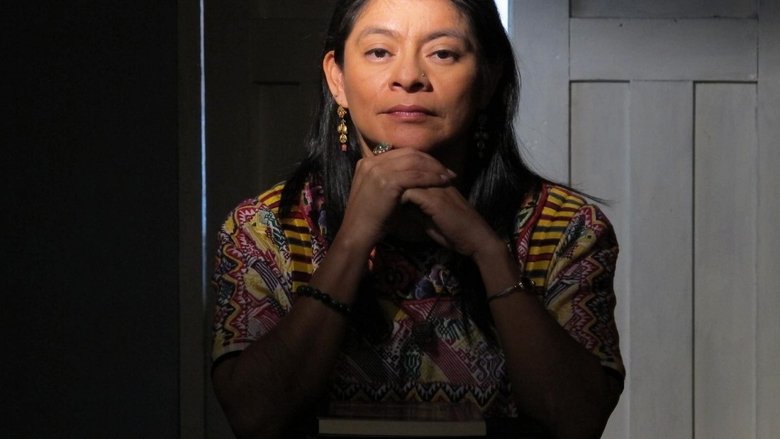
From a historic genocide trial to the overthrow of a president, the sweeping story of mounting resistance played out in Guatemala’s recent history is told through the actions and perspectives of the majority indigenous Mayan population, who now stand poised to reimagine their society.
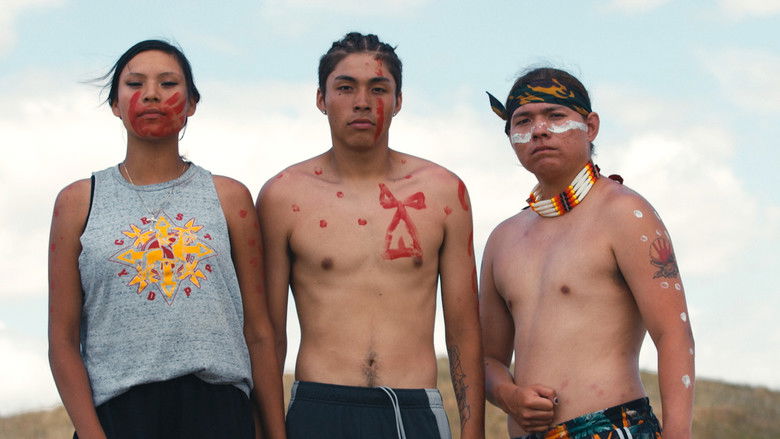
Poet Layli Long Soldier crafts a searing portrait of her Oyate’s connection to the Black Hills, through first contact and broken treaties to the promise of the Land Back movement, in this lyrical testament to resilience of a nation.
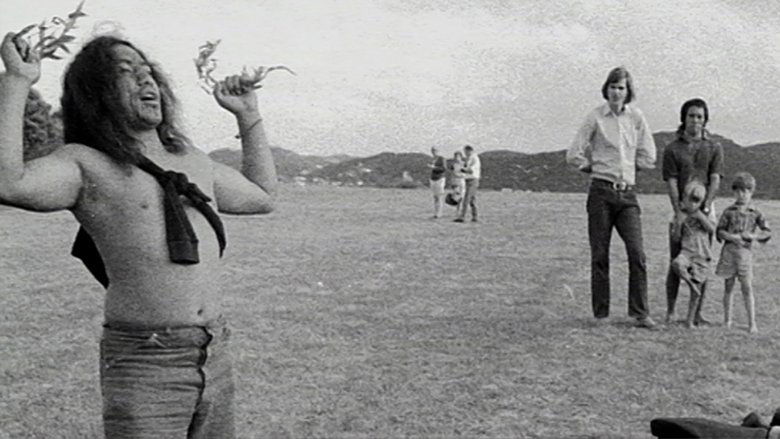
Actor Rawiri Paratene was 16 years old when he joined Māori activist group Ngā Tamatoa (Young Warriors) in the early 1970s. "Those years helped shape the rest of my life," says Paratene in this 2012 Māori TV documentary, directed by Kim Webby. The programme is richly woven with news archive from the 1970s, showing protests about land rights and the Treaty of Waitangi, and a campaign for te reo to be taught in schools. Several ex Ngā Tamatoa members — including Hone Harawira, Tame Iti and Larry Parr— are interviewed by Paratene, who also presents the documentary.
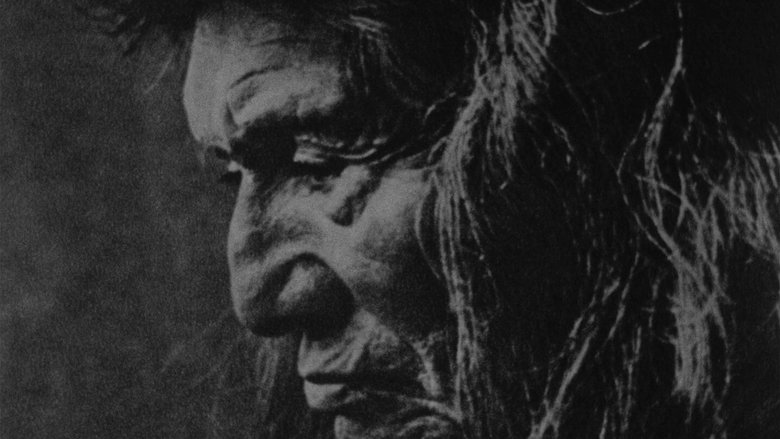
Still photographs and narration give an overview of the history of the American Indian.
In preparation for his first major retrospective at the Oklahoma Contemporary in 2025, Hock E Aye Vi Edgar Heap of Birds reveals thoughts, formal approaches, and philosophies toward various works, including the oral history details behind his new wall installation work, Family, that continues his practice of 'primary' and 'ghost' printing.