
Oblivion: The Original Texts (2024)
After Burindh, a Thammasat university student has escaped from the 6th October massacre by jumping into the Chao Phraya river, he becomes a goby fish with golden skin, and voyages through the memories of his own.
After Burindh, a Thammasat university student has escaped from the 6th October massacre by jumping into the Chao Phraya river, he becomes a goby fish with golden skin, and voyages through the memories of his own.
Emilio Pascual, a historical figure of Andalusian cinema from the early 1900s, appears in today's Malaga with the mission of bringing the first documentary filmed in Andalusia to its first screening.
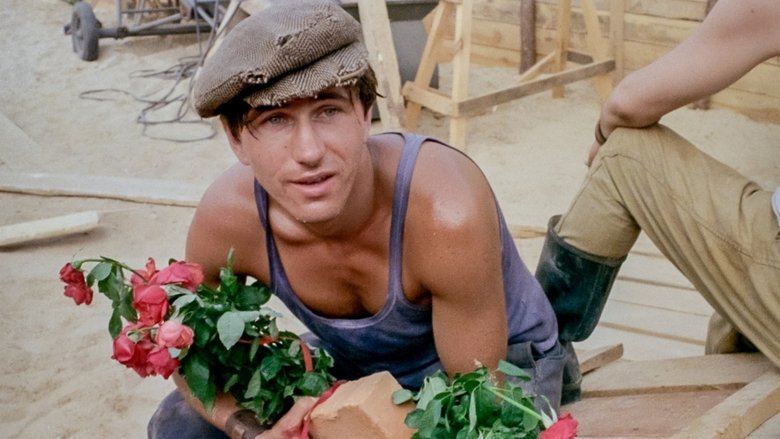
A young Polish filmmaker sets out to find out what happened to Mateusz Birkut, a bricklayer who became a propaganda hero in the 1950s but later fell out of favor and disappeared.

"Dear Jinri" explores the daily concerns and thoughts of actress and singer Sulli, whose real name is Choi Jinri, where she talks about her childhood, career and more in this interview she gave in 2019.
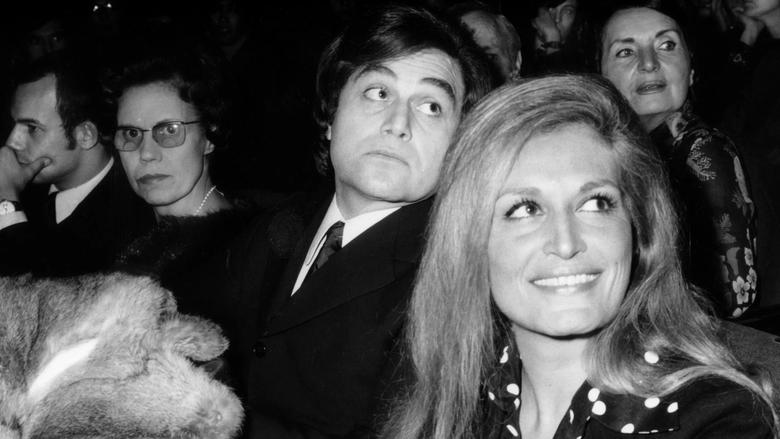
Dalida was an international star, selling over 140 million records in 10 languages. But behind her glittering career and dramatic and tragic personal life, was her ever supportive younger brother Orlando. The documentary sheds light on the professional and personal relationship between the music icon and her producer, between sister and brother.
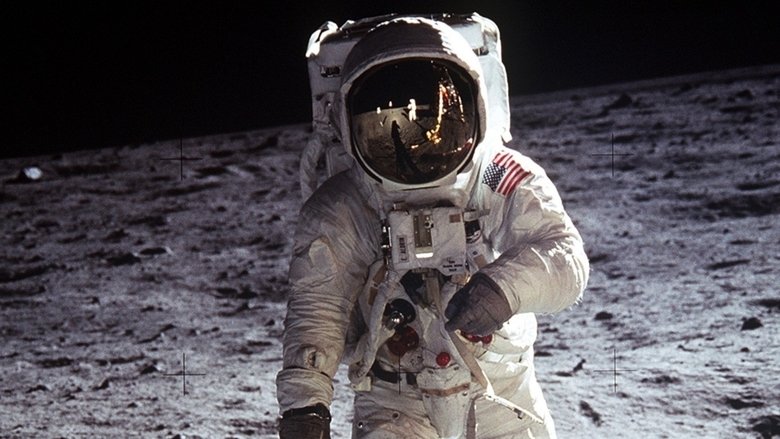
Nearly forty years after the moon landing the men on the mission reveal what really happened. On how close the mission came to disaster.
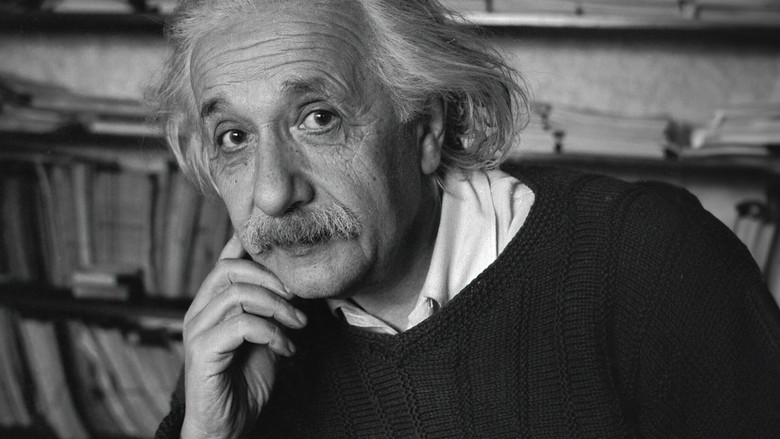
What happened after Einstein fled Nazi Germany? Using archival footage and his own words, this docudrama dives into the mind of a tortured genius.
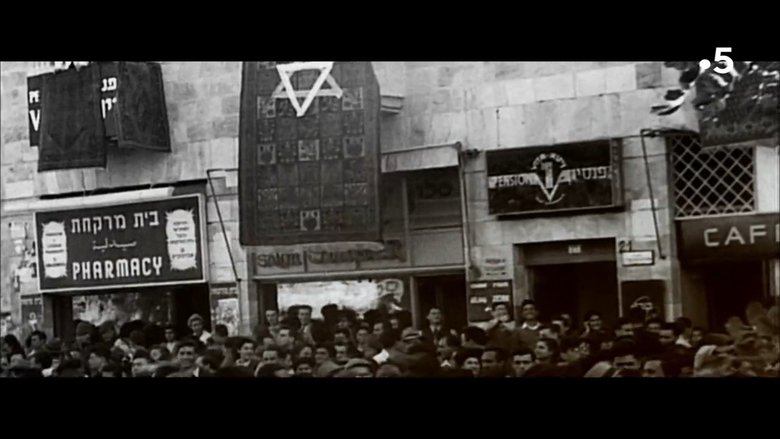

The documentary recounts the world's first nuclear attack and examines the alarming repercussions. Covering a three-week period from the Trinity test to the atomic bombing of Hiroshima, the program chronicles America's political gamble and the planning for the momentous event. Archival film, dramatizations, and special effects feature what occurred aboard the Enola Gay (the aircraft that dropped the bomb) and inside the exploding bomb.
Charlie and Emi return to do a sketch that doesn't go as planned when reality gets in their way.
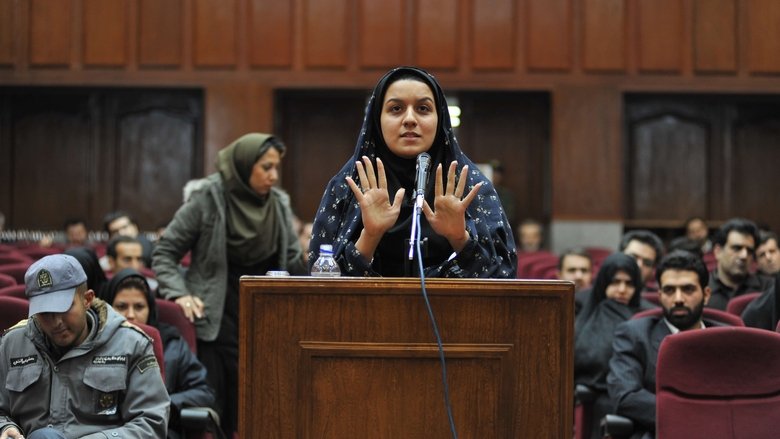
After seven years in prison, a female student in Tehran is hanged for murder. She had acted in self-defence against a rapist. For a pardon, she would have had to retract her testimony. This moving film reopens the case.
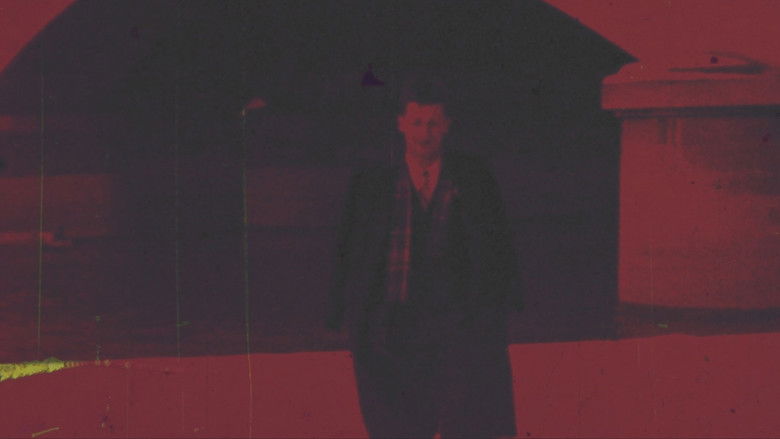
In 1952, Amédée took his own life by jumping into the Seine. No one knows the reason for this tragic act. His story comes to us in bits and pieces.

'Atlal (Remnants)' is a fictional documentary that follows Bassam, a Palestinian man in his fifties, on a journey between the past and present. An abandoned school, the remains of a beach club, and a dusty cinema hold Bassam's cherished memories from his life in Qatar. Through personal archives and interviews with Bassam and his wife, Laila, we get a deeper look into their stories—slowly revealing the dismaying thoughts behind Bassam's nostalgia.
X-ray images were invented in 1895, the same year in which the Lumière brothers presented their respective invention in what today is considered to be the first cinema screening. Thus, both cinema and radiography fall within the scopic regime inaugurated by modernity. The use of X-rays on two sculptures from the Bilbao Fine Arts Museum generates images that reveal certain elements of them that would otherwise be invisible to our eyes. These images, despite being generally created for technical or scientific purposes, seem to produce a certain form of 'photogénie': they lend the radiographed objects a new appearance that lies somewhere between the material and the ethereal, endowing them with a vaporous and spectral quality. It is not by chance that physics and phantasmagoria share the term 'spectrum' in their vocabulary.
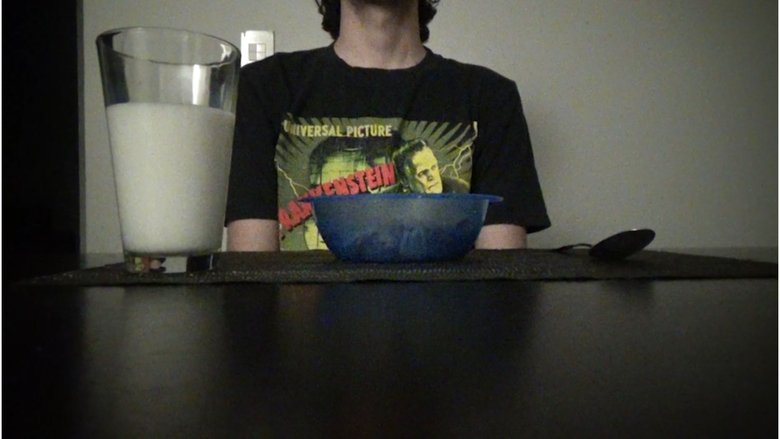
A failed writer relives the past since he's unable to write something new. His search for inspiration will make him delve into his mind and face his internal conflict.
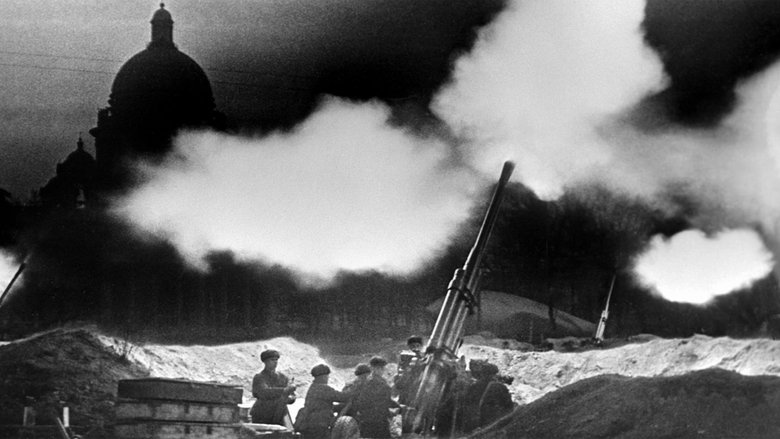
It was one of the great crimes of the Second World War: from 1941 to 1944, a total of 872 days, the siege and starvation of Leningrad by the German Wehrmacht on Hitler's orders lasted. Over a million people fell victim to the blockade, most of them dying of hunger. Countless of these starving people wrote diaries with the last of their strength, and cameramen filmed in the paralyzed city. Evidence from the hell of the siege, many of the film recordings, but above all the written memories on which this documentary on the occasion of the 80th anniversary of the liberation is based, remained under lock and key after the war. The voices of those who had suffered through this terrible time should not be heard by anyone, because they did not fit the pathos of the Leningrad heroic song that was officially sung. Most of the recordings come from women. The writers feared neither the enemy nor the Communist Party or Stalin, who often proved incompetent in providing for the population.
In 1989, a woman writes a letter to her mentor. She reminisces about a life-changing campaign they spearheaded to save a historic home, Irving Gill's Walter Luther Dodge House in Los Angeles, twenty years prior.
Fifty years have passed and Julio still hasn't managed to get over the disappearance of Miguel, the actor starring in a film they made together when they were young. In an attempt to reconstruct what happened, Julio sees some tapes he filmed while they were shooting and decides to write a farewell letter to Miguel's ghost.
Julio Medina decides to become a film director. With his savings and some borrowed money, and after having read a book on film directing, he shoots his first feature film. Then he will have to release the film, something that will not be easy for him. The odyssey to release his first film will turn into a real nightmare.