Similar to 40 Jours d'errance : La Traversée du Saint-Louis
Soldier of Orange (1977)
The lives of Erik Lanshof and five of his closest friends take different paths when the German army invades the Netherlands in 1940: fight and resistance, fear and resignation, collaboration and high treason.

The Last Emperor (1987)
A dramatic history of Pu Yi, the last of the Emperors of China, from his lofty birth and brief reign in the Forbidden City, the object of worship by half a billion people; through his abdication, his decline and dissolute lifestyle; his exploitation by the invading Japanese, and finally to his obscure existence as just another peasant worker in the People's Republic.

Baiae, the Atlantis of Rome (2022)
With an area three times larger than Pompeii, Baia, about 15 km from Naples and within the volcanic area of the Phlegraean fields, is the largest underwater archaeological site in the world. In 100 BC Pompeii is an ordinary city of small traders crouched on the slopes of Mt. Vesuvius, while Baia gains a peculiar reputation: it gradually becomes the ancient Las Vegas or Monte Carlo of the Roman Empire, a real posh center for noble gens and the powerful . Nestled in the center of the Gulf of Pozzuoli, Baia is flanked on one side by the port of Puteoli (ancient Pozzuoli) and on the other by the port of Capo Miseno.

The Pianist (2002)
The true story of pianist Władysław Szpilman's experiences in Warsaw during the Nazi occupation. When the Jews of the city find themselves forced into a ghetto, Szpilman finds work playing in a café; and when his family is deported in 1942, he stays behind, works for a while as a laborer, and eventually goes into hiding in the ruins of the war-torn city.
Pearl Harbor (2001)
The lifelong friendship between Rafe McCawley and Danny Walker is put to the ultimate test when the two ace fighter pilots become entangled in a love triangle with beautiful Naval nurse Evelyn Johnson. But the rivalry between the friends-turned-foes is immediately put on hold when they find themselves at the center of Japan's devastating attack on Pearl Harbor on Dec. 7, 1941.
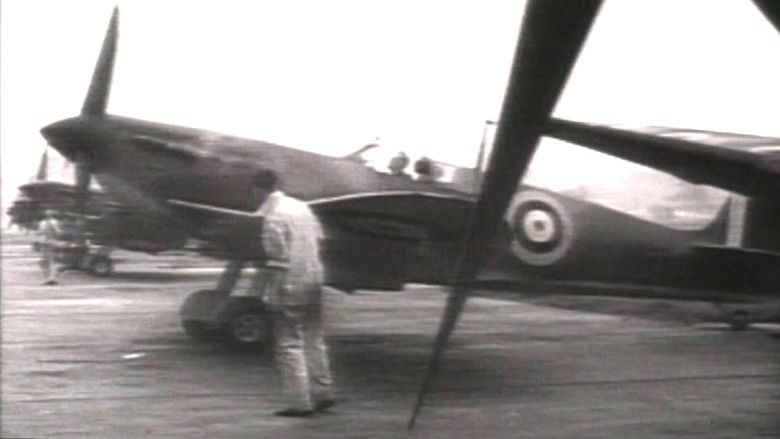
The RAF at War: Part One (2004)
Three part documentary of the history of the Royal Air Force during World War Two. They combine actual Air Ministry films and period newsreel footage with interviews of surviving members of the air force. The first part covers the period from the 'phoney war', the invasion of Poland and the early bombing raids on enemy shipping, through to the attacks on France. Aircraft featured include the Blenheim and Wellington bombers, the Sunderland flying boat, Spitfires and Hurricanes and the opposing ME109.

The RAF at War: Part Two (2004)
Three part documentary of the history of the Royal Air Force during World War Two. They combine actual Air Ministry films and period newsreel footage with interviews of surviving members of the air force. The second part covers the early years of 1939-1940 from the threat of German invasion preceded by Oporation Eagle attacks on airfields and ports, through the Battle of Britain to the commencement of the British bombing of Berlin after attacks on London and wider civilian casualties such as Coventry.
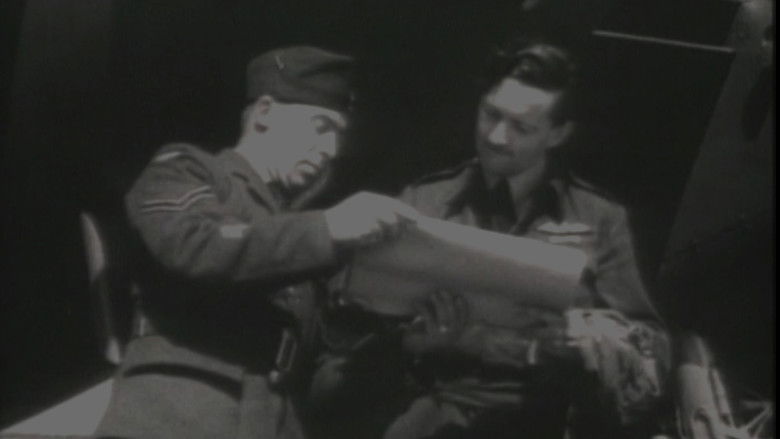
The RAF at War: Part Three (2004)
Three part documentary of the history of the Royal Air Force during World War Two. They combine actual Air Ministry films and period newsreel footage with interviews of surviving members of the air force. This final part covers the the years 1941-1945 from the campaigns to attack German military targets to mass night bombing, primarily from the viewpont of Bomber Command, and associated Air-Sea rescue. It ends with the food aid flights to the Netherlands immediatly prior to Victory in Europe. Featured aircraft include the Bristol Blenheim, the Vickers Wellington, and the heavy bombers Short Stirling, Handley Page Halifax and Avro Lancaster.

Mesopotamia: The Rise of Cities (2024)
After decades of inaccessibility due to unrest and wars, teams of archaeologists from around the globe return to the greatest sites in Mesopotamia in a bid to save what can still be saved.
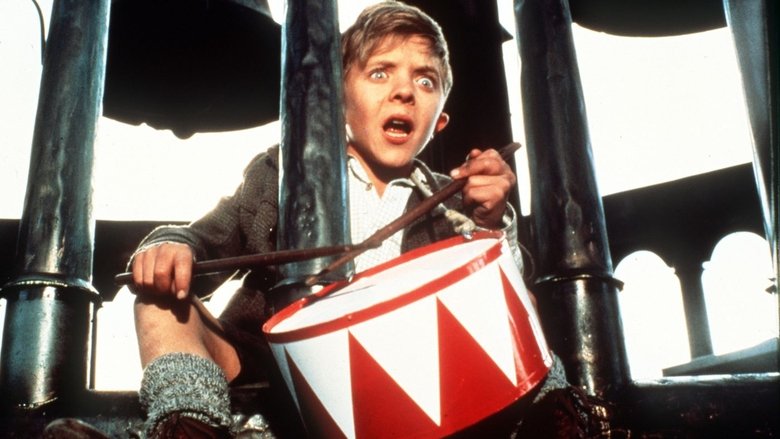
The Tin Drum (1979)
In 1924, Oskar Matzerath is born in the Free City of Danzig. At age three, he falls down a flight of stairs and stops growing. In 1939, World War II breaks out.

The Memory of the Heart (1958)
The story of an English pilot who crashed in the Soviet Union during the Second World War, and whose life is saved by a woman and a boy - two partisans near the enemy lines, Long afterwards in England he remembers the Russians with affection, tells his friends about his experiences, and resolves to go back to find the two partisans his heart remembers.
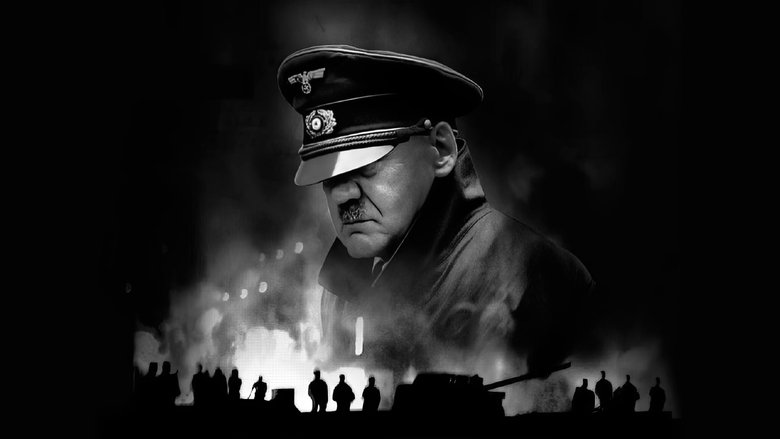
Downfall (2004)
In April of 1945, Germany stands at the brink of defeat with the Russian Army closing in from the east and the Allied Expeditionary Force attacking from the west. In Berlin, capital of the Third Reich, Adolf Hitler proclaims that Germany will still achieve victory and orders his generals and advisers to fight to the last man. When the end finally does come, and Hitler lies dead by his own hand, what is left of his military must find a way to end the killing that is the Battle of Berlin, and lay down their arms in surrender.

Big Night and Big Day (1975)
Slovakian villagers towards the end of WW II are despairing as German troops fall back to their village.
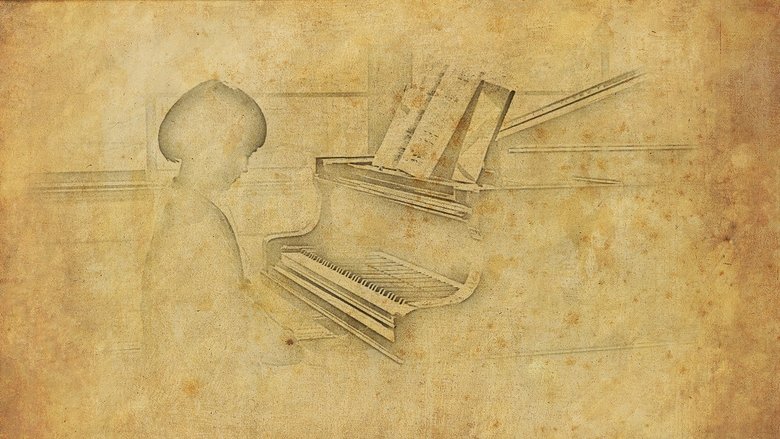
An American Piano (2014)
The true story of a young Japanese girl who played the piano for POWs during World War II and how it affected their lives. It is a story of humanity, compassion and the universality of music in helping to heal the rifts between wartime rivals.
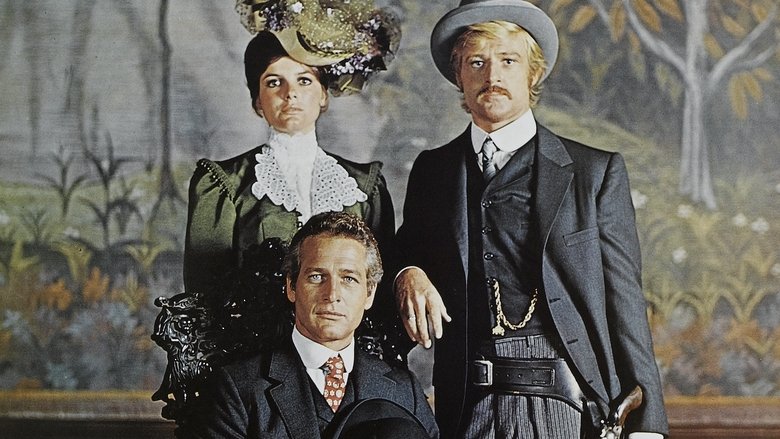
Butch Cassidy and the Sundance Kid (1969)
As the west rapidly becomes civilized, a pair of outlaws in 1890s Wyoming find themselves pursued by a posse and decide to flee to South America in hopes of evading the law.
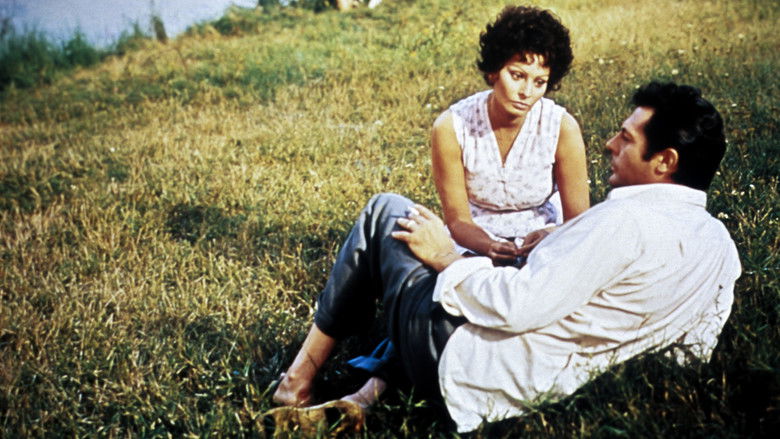
Sunflower (1970)
After World War II, a woman refuses to believe her husband, missing on the Russian front, is dead. Flashbacks reveal their brief courtship and marriage. Years later, she travels to Russia with his photo, determined to find him. What will she discover?
The Crucible (2002)
Canada: A People's History - Episode 14: 1940 to 1946 CE. Canada comes of age in the anguish of World War II, with soldiers on the beaches at Dieppe and women in the industrial work force back home. The country's military role, and the domestic, social and political consequences of the war are traced through poignant stories of Canadians on both sides of the Atlantic. The horrific global conflict steals the innocence of a generation... but brings hope for a new future.

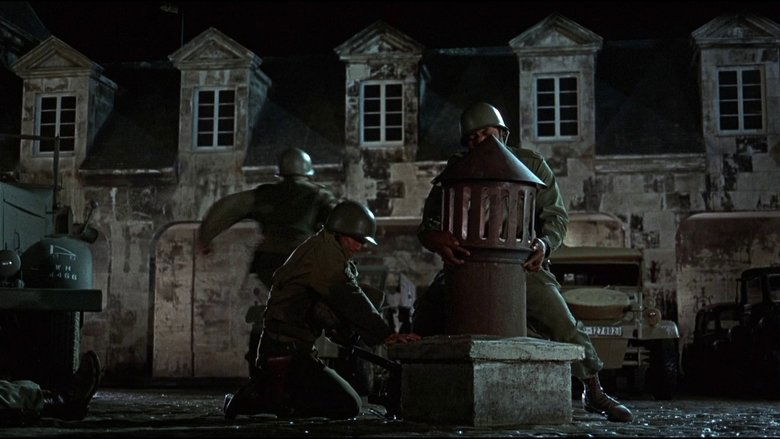
The Dirty Dozen (1967)
12 American military prisoners in World War II are ordered to infiltrate a well-guarded enemy château and kill the Nazi officers vacationing there. The soldiers, most of whom are facing death sentences for a variety of violent crimes, agree to the mission and the possible commuting of their sentences.