
Life in the Fast Lane (1981)
Information film about freeways, their interchanges, and driving safely on them.
Information film about freeways, their interchanges, and driving safely on them.
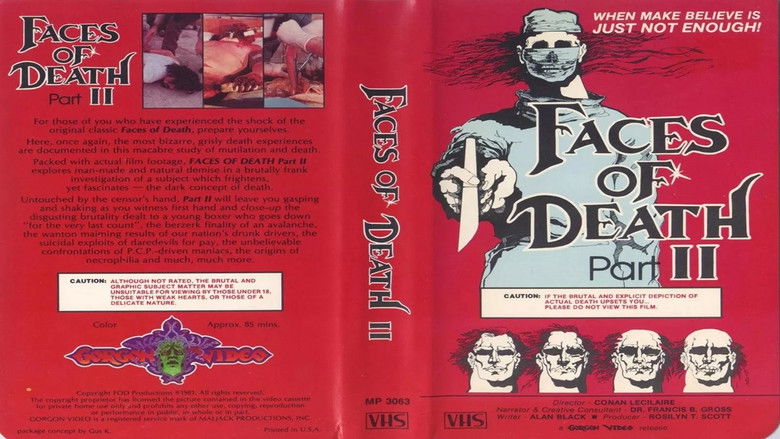
Brief scenes of death related material: mortuaries, accidents and police work are filmed by TV crews and home video cameras. Some of it is most likely fake, some not as much.
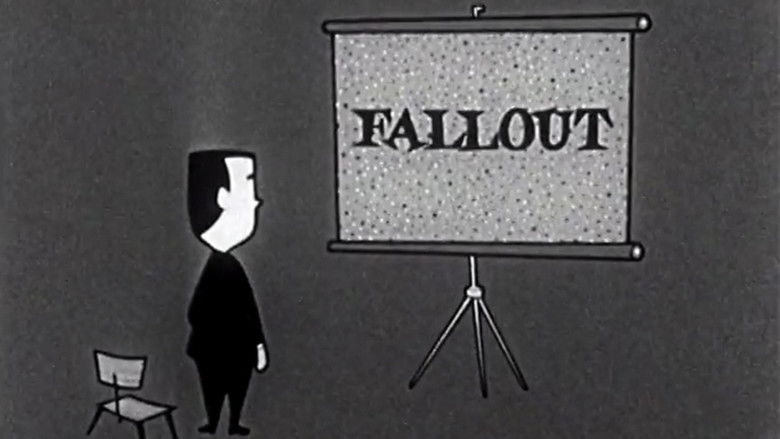
Informational short about the aftermath and avoidance of nuclear fallout.
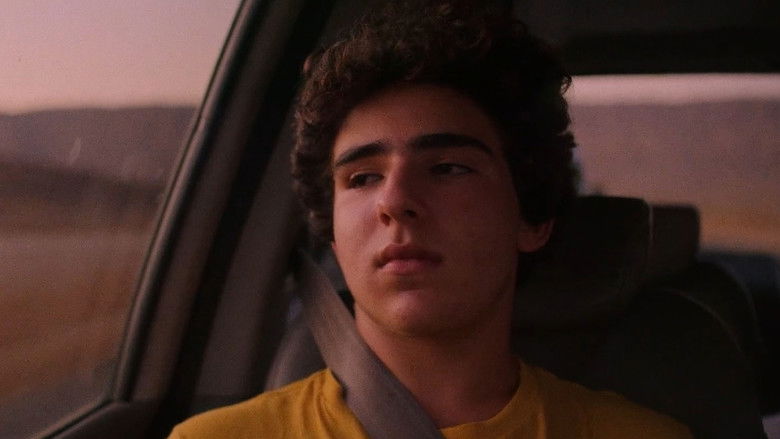
Omri reunites his family for a drive to the desert. Facing his camcorder, he'll ask them to recollect the drive and fatal car accident they had on the way to his Bar Mitzvah. An accident that led to his parent’s divorce.
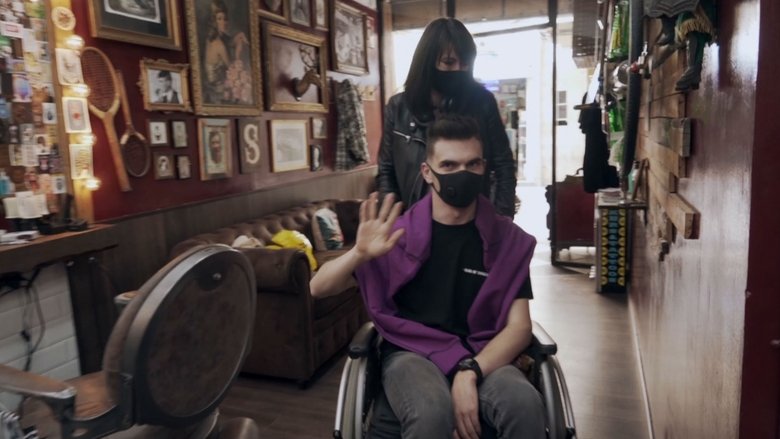
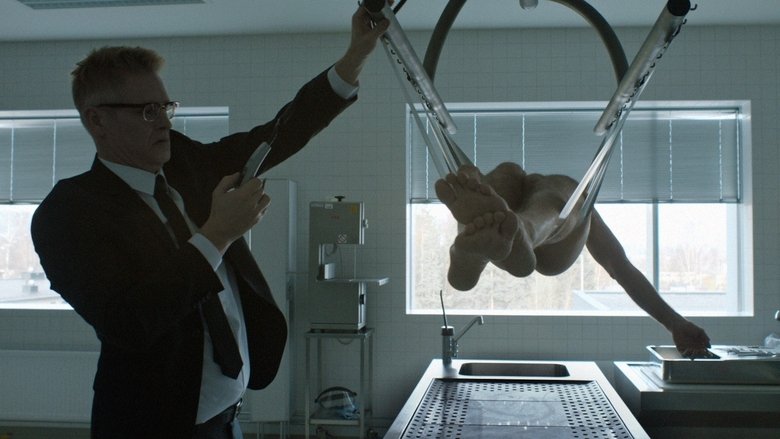
An exclusive interview with Death as he goes about his everyday business.
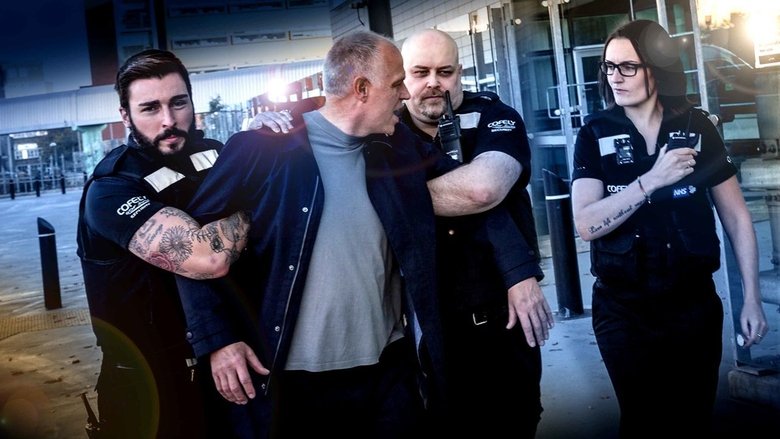
Hospital staff are reporting more violence and anti-social behaviour than ever before. In 2015, 8 staff were assaulted every hour – a new record high. At The Queen Elizabeth Hospital in Birmingham – one of the UK’s biggest hospitals – they think they have the answer. Here a private security force of 46 uniformed guards, and a sophisticated CCTV system, keep staff and patients safe. A colourful mixture of characters ranging from ex-soldiers, to bouncers, to former elite sportsmen, it’s the security team’s job to keep the hospital running smoothly. With more than 2 million visitors they have to deal with all aspects of crime and anti-social behaviour. All against a back drop of life changing and life saving procedures.
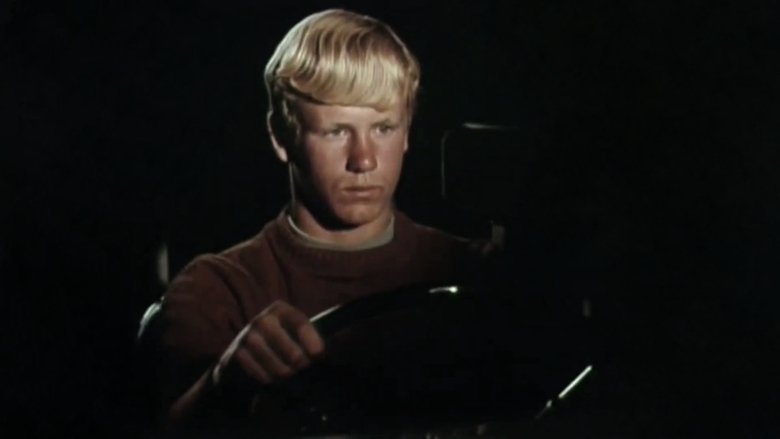
A live-action short, using many avant-garde film techniques, that looks at American car culture in the late 1960s. The main section deals with the many trials and obstacles a teenager must face on the path to being able to drive. Surviving the driver's education class is only the first step, as the teenager must then pass his driving test, and then finally get permission to borrow the family car.
Experimental short film about car wreckage and automobile safety.
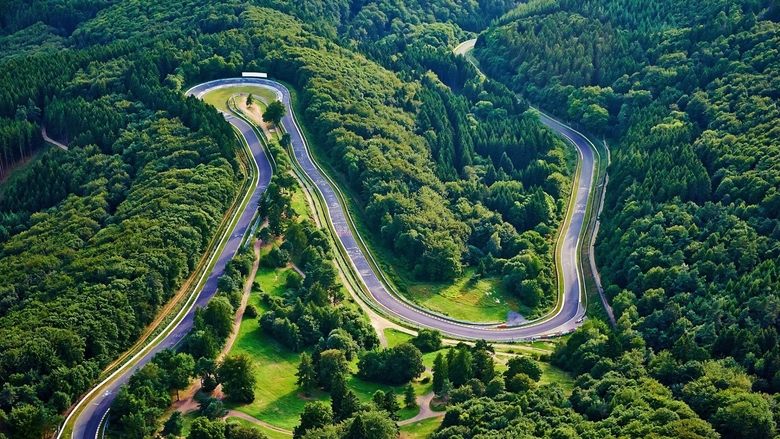
Race tracks are places of longing. But only the Nürburgring in the Eifel is truly spectacular and idyllic at the same time. Loved by fans, feared by drivers: Dozens of bends, many of them with illustrious names: Schwedenkreuz, Karussell, Fuchsröhre, Bergwerk, Brünnchen. To mark the 100th anniversary of the ground-breaking ceremony in 1925, this documentary tells the story of the ups and downs of the Nürburgring.
This somewhat bizarre film about Emergency Medical Technicians or EMTs was produced and distributed by Film Commutators in Hollywood, California. The film dates to a time when ambulance crews were being replaced by paramedics / EMTs, who had sufficient training to make medical decisions and give on-scene care. The film makes a strong argument to decision makers in favor of upgrading from mere ambulance drivers to EMTs.
The film provides a comprehensive guide on snorkeling skills and rescue techniques, emphasizing the importance of proper equipment such as masks, snorkels, and fins. It discusses how to choose the right mask for comfort and fit, the proper use of snorkels, and techniques for clearing water from both masks and snorkels. The film also covers essential skills for entering the water safely, practicing buddy systems during snorkeling, and techniques for locating and rescuing submerged victims. It highlights the need for training and emphasizes that while these skills are crucial for rescue, they do not replace the need for a full certified course in skin diving.
This driver’s education film from the early 1970s, "Alcohol and Red Flares", warns viewers of the dangers of drunk driving. It recounts the story of a man named “Mike” who drinks heavily at a party, and insists on driving home. The consequences are steep and along the way, viewers learn about Blood Alcohol Level (also known as BAC or Blood Alcohol Content), techniques police use to verify a driver’s inebriation such as the breathalyzer, and the reasons why driving drunk is so dangerous. This film was produced by legendary social guidance filmmaker Sid Davis in cooperation with the Monterey Park Police Department.
This late 1940s/early 1950s rather graphic color film about carelessness and safety operating heavy machinery is presented by Caterpillar.
This highway scare film produced by the Highway Safety Foundation in 1971, "Decade of Death", is a retrospective of the organization's 10 years of gory, shocking social guidance films which aimed to promote traffic safety and driver responsibility through the display of bloody and horrific footage of traffic crashes.The Highway Safety Foundation made driver scare films such as "Signal 30," "Mechanized Death," and "Highways of Agony" that intended to encourage drivers to drive responsibly and with consideration of the risks and consequences. It was the organization's belief that crash footage, while horrific, was the best way to convey the importance of driving safely.
Between 2007 and 2011, 725 Quebecers aged 16 to 24 were killed in car accidents. Excessive speed and alcohol were involved in half of these deaths. To try to understand what is going on in these young drivers' heads when they get behind the wheel, host and documentary filmmaker Paul Arcand met with some of them. On one hand, he gives a voice to these young people who love driving fast. On the other hand, he provides a forum for two accident victims who were injured both physically and psychologically. Finally, the director meets the mother of little Bianca Leduc, who was killed by a drunk driver while she was in the care of her babysitter, and the parents of Michael Borduas, 23, who is severely disabled from an accident.
This film covers the early history of post World War II educational films, especially those involving traffic safety by the Highway Safety Foundation under direction of Richard Wayman. In the name of promoting safe driving in teenagers, these films became notorious for their gory depiction of accidents to shock their audiences to make their point. The film also covers the role of safety films of this era, their effect on North American teenage culture, the struggle between idealism and lurid exploitation and how they reflected the larger society concerns of the time that adults projected onto their youth.
Intercuts scenes from Jack London's To build a fire with modern urban and rural winter scenes to point out the dangers of winter storms and low temperatures. Designed to stimulate discussion on civil preparedness for winter storms.
Portrays the challenges of creating a film about nuclear disaster amid public apathy. It captures behind-the-scenes moments as the crew discusses the gravity of nuclear threats, the importance of preparation, and the emotional impact of a nuclear attack. The narrative emphasizes the need for individuals to take responsibility for their safety and community in the event of an attack, blending factual information with a call to action.