
Similar to 1337 Mennesker
Lentävä kuolema (2025)
The tuberculosis sanatorium was both heaven and hell within the same walls. The story of the epidemic includes death, shame and isolation as well as sanatorium romances, fun and survival stories. The film takes the viewer on a vivid journey into the sanatorium era: it gives the viewer a sanatorium experience full of surprises, and through documentary evidence, takes us to the heart of the secrets.
Næste Gang er det dig (1948)
The cause of the traffic accident should not be sought at the time of the accident itself, but long before. The motorist who has been drinking a little. The cyclist who is busy and the motorcyclist who drives correctly but still falls victim to an accident due to the ruthlessness of others.

Armadillo (2010)
Danish soldiers are sent to Afghanistan in 2009 for 6 months, to help stabilize the country against the Taliban. They're stationed on Armadillo military base in Helman province. Unlike other war movies, this is the real deal – no actors.
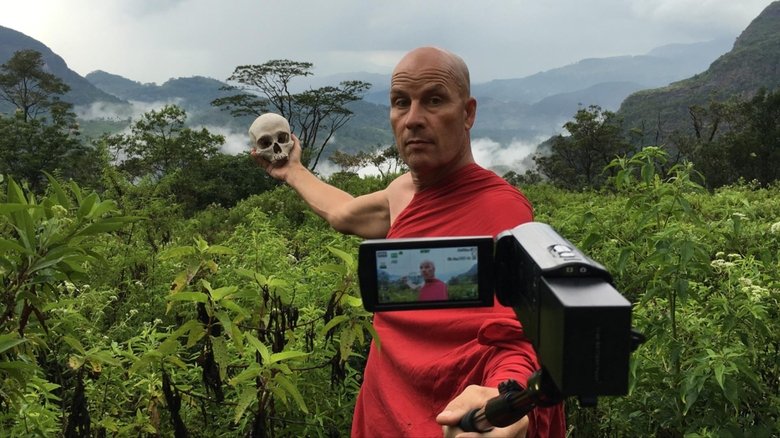
The monk (2023)
When Danish filmmakers Mira Jargil and Christian Sønderby Jepsen try to find balance in their stressful lives, they seek guidance from a renowned Danish HIV researcher turned monk deep in the mountains of Sri Lanka. But their filming process goes differently than expected. When they hear that the renowned Danish doctor and HIV scientist Jan Erik Hansen has burned all boats to live as a Buddhist monk on a mountain in Sri Lanka, the two Danish documentary makers Mira Jargil and Christian Sønderby Jepsen decide to make a film about him. to make. Jan Erik Hansen, as monk Bhante, has become an important voice in the Buddhist community. He has a YouTube channel with many followers, and people from all over the world ask him their life questions. The film project ends unexpectedly when the monk and the filmmakers appear to have different ideas about the film.
Bela Bartók (1964)
A portrait of the life and work of the great Hungarian composer Béla Bartók, exploring both his music and his passionate interest in his country's folklore.
Yellow Caesar (1941)
Using edited archive footage, mockery is made of Italy's dictator Benito Mussolini.
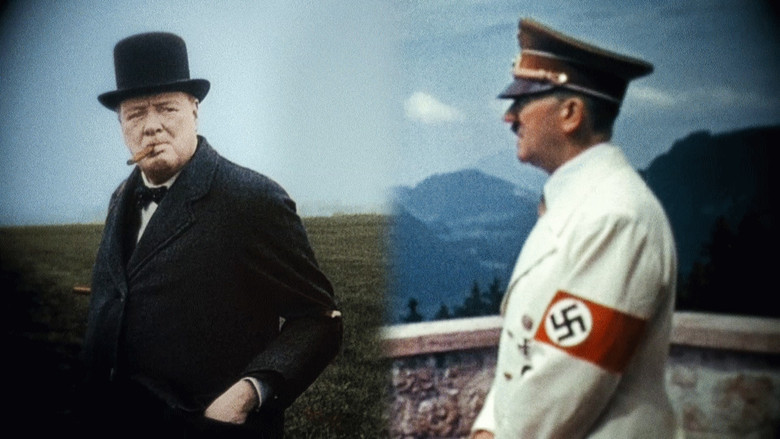
The Eagle and the Lion: Hitler vs Churchill (2017)
Winston Churchill, one of the most revered men of the twentieth century. Adolf Hitler, one of the most hated leaders in contemporary history. Between 1940 and 1945, these two enormously contradictory personalities faced each other in both politics and war. A clash of giants whose story begins in the trenches of the World War I and ends with the debacle of the World War II.
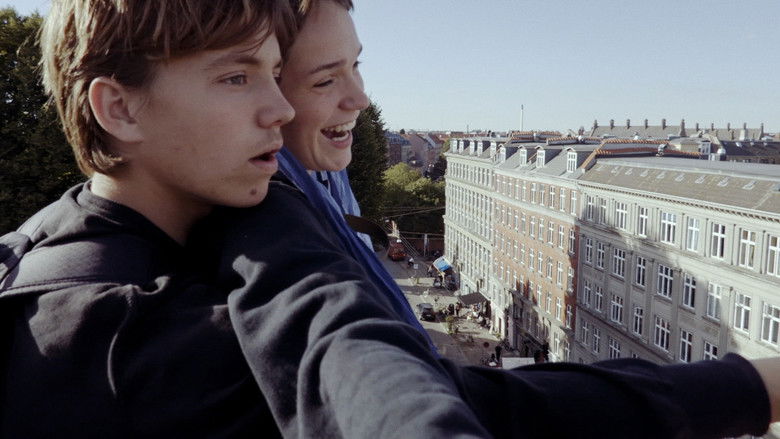
Skjold & Isabel (2018)
17-year-old Skjold and 18-year-old Isabel are no longer together, but they will always be each other's first love. The film throws us into a whirlwind of conversations, quarrels and happy moments during a long summer in Copenhagen. A vulnerable and confusing time for the two of them, as they try to define who they are, both as a couple and as individuals. They are entangled in romantic feelings and a strong friendship, and find it hard to let each other go, so to break with her feelings, Isabel decides to move to Barcelona on her own. But will their new freedom give Skjold and Isabel the answers to who they are? Emil Næsby Hansen is the fly on the wall, who effortlessly and without interfering is there with the couple during their ups and downs, managing to capture all the emotional nuances. From romantic love and unbearable loneliness to poetic freedom, with the Danish summer as a moody backdrop.
The Raven and the Seagull (2018)
The relationship between Greenland and Denmark is full of fantasy and myths. And these are exactly what Danish artist Lasse Lau reflects upon – and in turn documents – in his first feature-length film. But how do you give a form to the Greenlandic experience when you are an outsider yourself? Lau has created a sensitive film about authenticity and recreation by letting both elements become a part of the work, together with his performers. But also by watching and listening intently. The colonial history is entrenched in both Greenland's infinitely beautiful landscapes and in the collective consciousness. But so is the willingness to break with it and look ahead with a new political self-awareness. 'Lykkelænder' is the result of a long-term research project, but talks about its extremely complex topics in a way that grounds the postcolonial perspective in a recognisable life experience. It does so with both a sense of humour and with emphasis.
Landauer: Gefeiert, verbannt, vergessen (2014)
Documentary about Kurt Landauer, the long-time Jewish president of FC Bayern München, who led the club to its first German championship, was persecuted and forced out of office by the Nazis, and rebuilt the club after the war.

Mads Mikkelsen, Devil In The Flesh (2025)
Impassivity and silence are Mads Mikkelsen's trademarks, and roles without reply his specialty. His sculptural allure is such that his mere presence takes on a dramatic dimension. For him, everything starts with the body. It's his main working tool, which he shapes and engages for each film. For the majority of world audiences, the Danish actor remains associated with his "villain" characters in Hollywood blockbusters - Casino Royale, Doctor Strange, Hannibal, Fantastic Beasts... Yet he finds with uncommon ease a balance between major American film franchises and more modest, confidential independent films. If the actor manages to move from one universe to another without being stereotyped, it's because he has a very physical - thanks to his former career as a gymnast - and pragmatic approach to his art.

Sous nos yeux (2025)
These previously unseen images bear witness to the darkest hours of our history and their lives. They have never before been shown to the general public. Officially, they do not exist. Without the patient efforts of persistent historians and archivists, they would still be lying dormant in family archives...

The Day After Trinity (1981)
This essential, Academy Award–nominated documentary offers an urgent warning from history about the dangers of nuclear warfare via the story of J. Robert Oppenheimer, the enigmatic physicist and all-around Renaissance man who led the Manhattan Project to develop the atomic bomb that America unleashed on Japan in the final days of World War II. Through extensive interviews and archival footage, THE DAY AFTER TRINITY traces Oppenheimer’s evolution, from architect of one of the most consequential endeavors of the twentieth century to an outspoken opponent of nuclear proliferation who came to deeply regret his role in ushering in the perils of the atomic age.
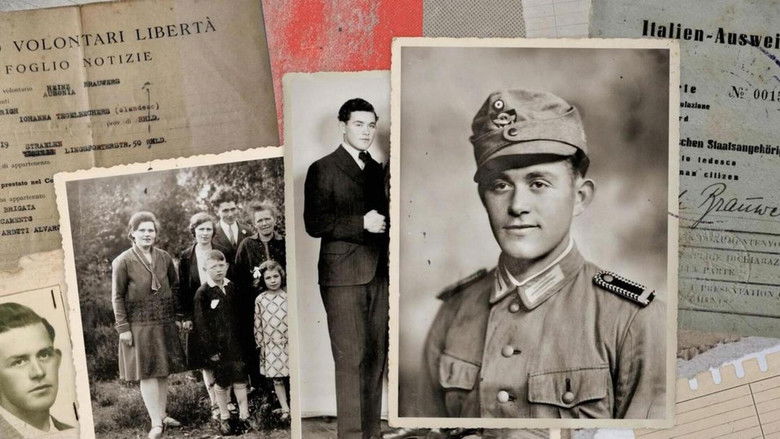
Bella Ciao! - German Soldiers in the Italian Resistance (2025)
When Italy capitulated 1943 and joined the allied forces, some soldiers from the German Wehrmacht also changed sides and joined the Italians in their fight to liberate the country. This film tells the story of Rudolf Jacobs, Walter Fischer and Heinz Brauers, three of the ‘Good Germans’ remembered in Italy for their efforts in fighting the Nazis.
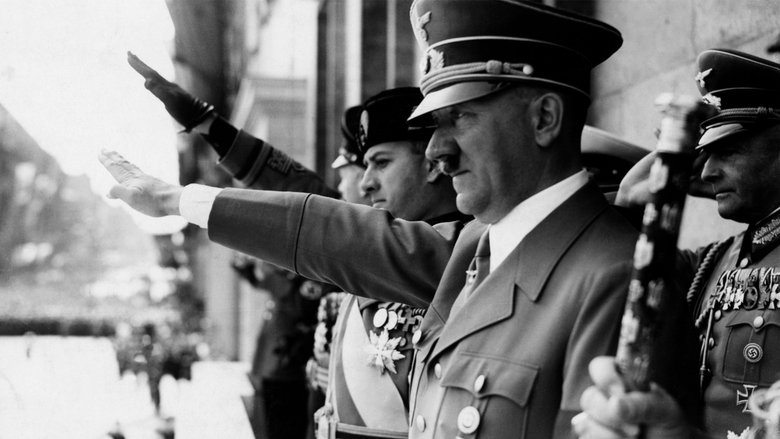
Hitler: A Career (1977)
A keen chronicle of the unlikely rise to power of Adolf Hitler (1889-1945) and a dissection of the Third Reich (1933-1945), but also an analysis of mass psychology and how the desperate crowd can be deceived and shepherded to the slaughterhouse.

Propaganda: Engineering Consent (2018)
How can the masses be controlled? Apparently, the American publicist Edward L. Bernays (1891-1995), a pioneer in the field of propaganda and public relations, knew the answer to such a key question. The amazing story of the master of manipulation and the creation of the engineering of consent; a frightening true story about advertising, lies and charlatans.
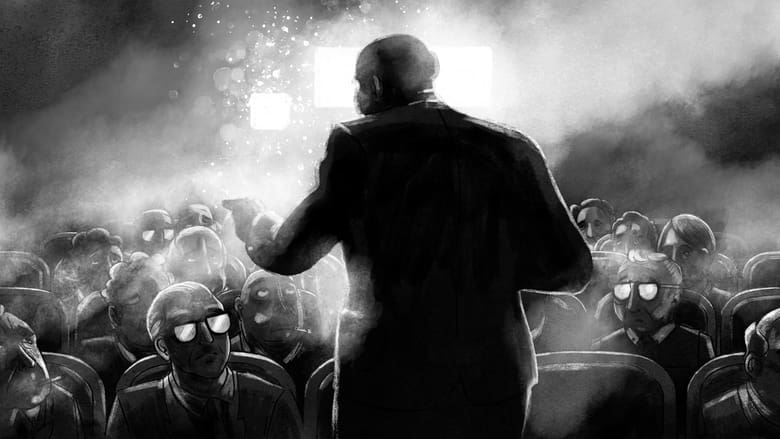
1940: Taking over French Cinema (2019)
Paris, 1940. German occupation forces create a new film production company, Continental, and put Alfred Greven – producer, cinephile, and opportunistic businessman – in charge. During the occupation, under Joseph Goebbels’s orders, Greven hires the best artists and technicians of French cinema to produce successful, highly entertaining films, which are also strategically devoid of propaganda. Simultaneously, he takes advantage of the confiscation of Jewish property to purchase film theaters, studios and laboratories, in order to control the whole production line. His goal: to create a European Hollywood. Among the thirty feature films thus produced under the auspices of Continental, several are, to this day, considered classics of French cinema.
Finlandia Survey Compilation (1961)
This Finlandia Survey compilation ranges from 1949 to 1961, and in it we get to see glimpses of news from both local matches and early international matches. The brave Finns play against the infamous Soviet Red Machine, Canada, and a team of journalists.
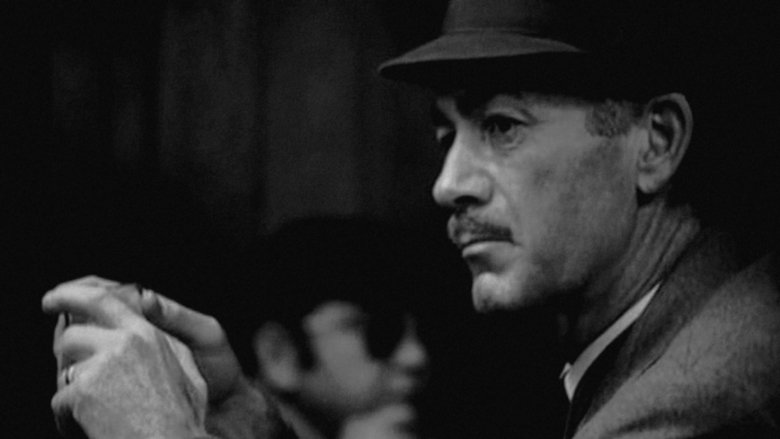
A War in Hollywood (2009)
The Spanish Civil War (1936-1939) caused a great impression on the lives of most of the American artists of that era, so many movies were made in Hollywood about it. The final defeat of the Spanish Republic left an open wound in the hearts of those who sympathized with its cause. The eventful life of screenwriter Alvah Bessie (1904-1985), one of the Hollywood Ten, serves to analyze this sadness, the tragedy of Spain and its consequences.
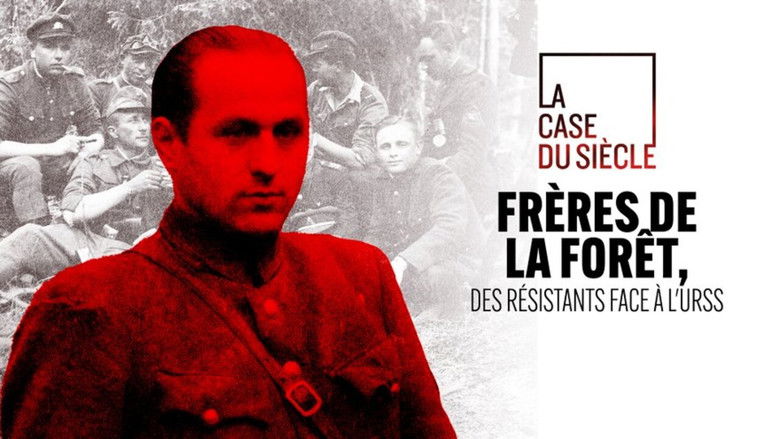
Frères de la forêt, des résistants face à l'URSS (2025)
Between 1944 and 1953, 170,000 Estonians, Latvians, and Lithuanians put up fierce resistance to the Soviet invasion, hiding deep in the vast Baltic forests. Driven by a dream of freedom, they defied a ruthless empire with few resources but unwavering determination. Through previously unseen archives and the poignant accounts of the last survivors, this documentary reveals their clandestine struggle, their heroic sacrifices, and their legacy, timeless symbols of a desperate fight to escape the Soviet stranglehold and preserve the flame of independence.