Top billed cast
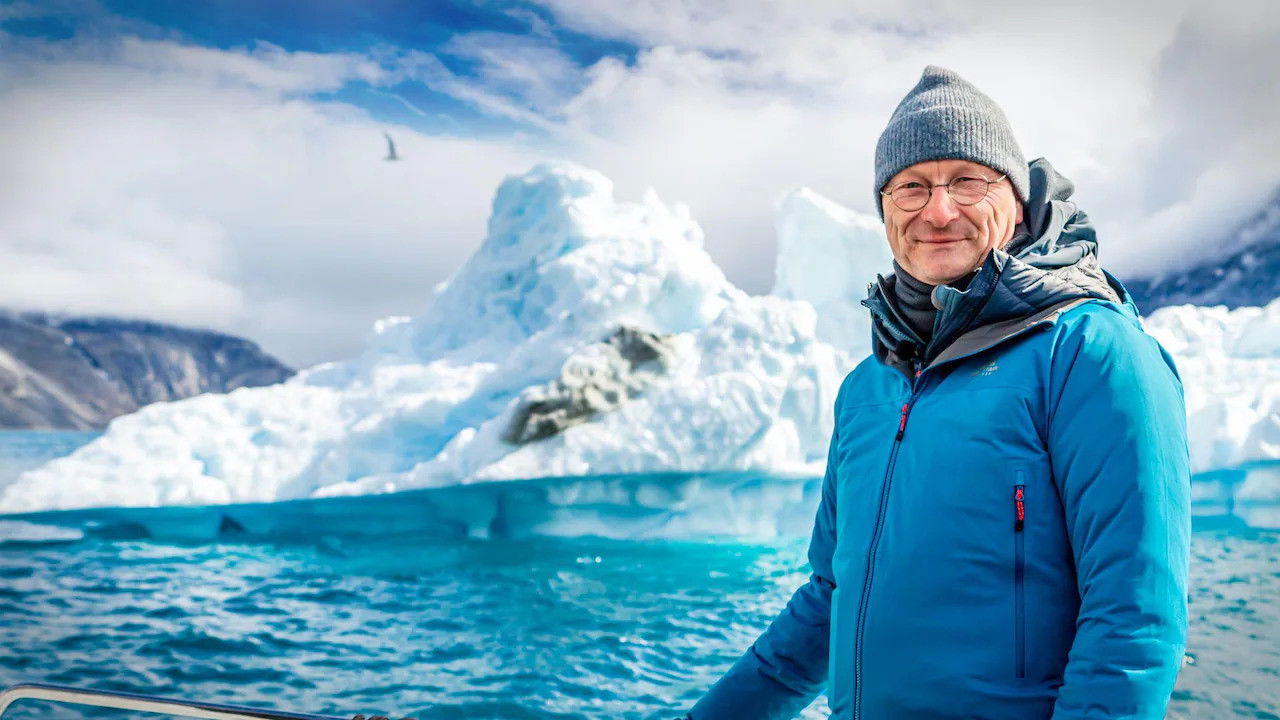
 Sven Plögerhimself
- Josephine Nymandherself
- Lars Abromeithimself
- Jakob Abermannhimself
- Nadescha Zwerschkeherself
Similar to Wenn die Arktis schmilzt
2 Degrees (2014)
2 Degrees is about nothing less than the fight for the health of the planet we call home. The abstract idea of climate change is explored through the weaving of real and emotional journeys an audience can relate to. Our characters battle to mitigate the potential disasters of climate change and fight for climate justice, for it will be the developing world that bears the brunt of our profligacy and short sightedness. While An Inconvenient Truth alerted us to the problems facing the earth, 2 Degrees is the gripping and vital fight for a solution.
Eating Our Way to Extinction (2021)
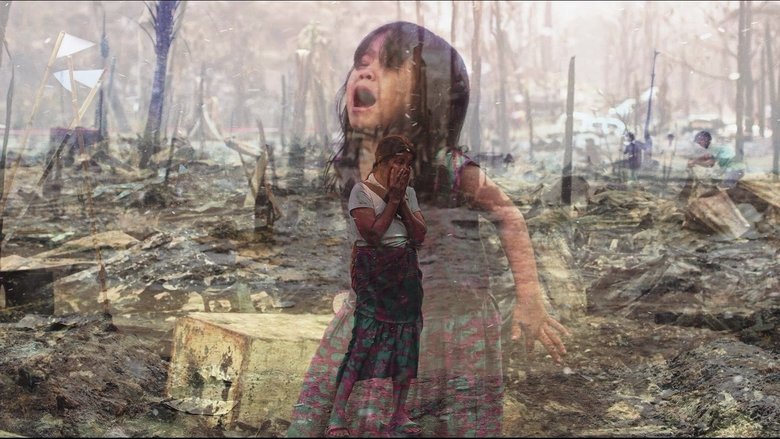
With searing insight that shines light in dark corners, EATING OUR WAY TO EXTINCTION is a compelling feature documentary that opens the lid on the elephant in the room no one wants to talk about. Confronting and entertaining, this documentary allows audiences to question their everyday choices, industry leaders and governments. Featuring a wealth of world-renowned contributors including Sir Richard Branson and Tony Robbins, it has a message of hope that will empower audiences.
Hot Air (2014)
In the years since New Zealand politicians began to grapple with climate change our greenhouse gas emissions have burgeoned. Alister Barry’s doco draws on TV archives and interviews with key participants to find out why.
Countdown to Survival: Tornado (1976)
Commissioned by the U.S. Government Defense Civil Preparedness Agency, the film describes the elements of a modern tornado warning system as was developed at the Texas Tornado Warning Conferences in 1953 and included radar detection of tornadoes, a spotter network, and improved communications between the U.S. Weather Bureau, spotters, and public officials to better disseminate warnings to the public. In the 1960s TV changed the way tornado safety and preparedness information was disseminated and this film is likely a product of that development. This film opens with vignettes of people in a small town somewhere in America’s suburban midwest. It then goes on to display the moments before and after the onset of a tornado and informs the audience of appropriate safety response measures.
The Weirdest Weather in the Universe (2016)
Horizon visits state-of-the-art laboratories and uses CGI to recreate the science-fiction-worthy weather experienced on other planets.
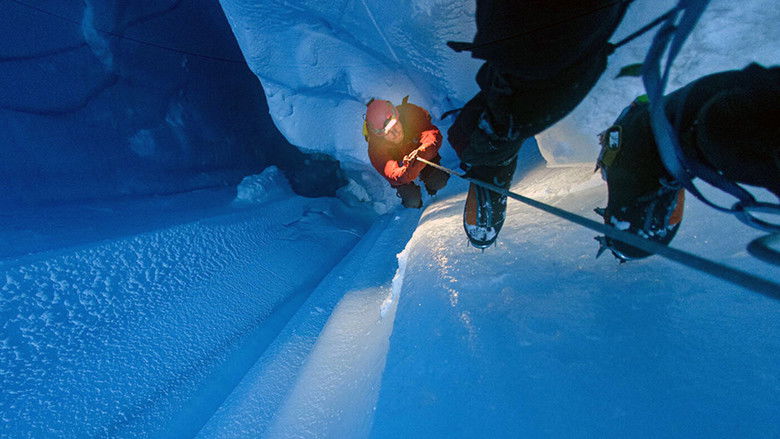
Ice Passengers (1993)
Greenland, the largest island in the world, is unlike any other country. The film recounts the exploration of the Inlandis cavities in Greenland during the summer of 1992. Janot Lamberton, one of the pioneers of these expeditions, ventured, with speleologists and mountaineers, into the moulins, these immense crevasses that tear through the back of the Inlandis, a vast glacier four times the size of France, while glaciologist Louis Reynaut studies infraglacial phenomena. It is obviously not easy to penetrate the depths of the ice and film at a depth of 150 meters in sub-zero temperatures. The light is blue in one of the most fascinating landscapes on the planet, where scientists and explorers collaborate to deepen their knowledge of the Earth.
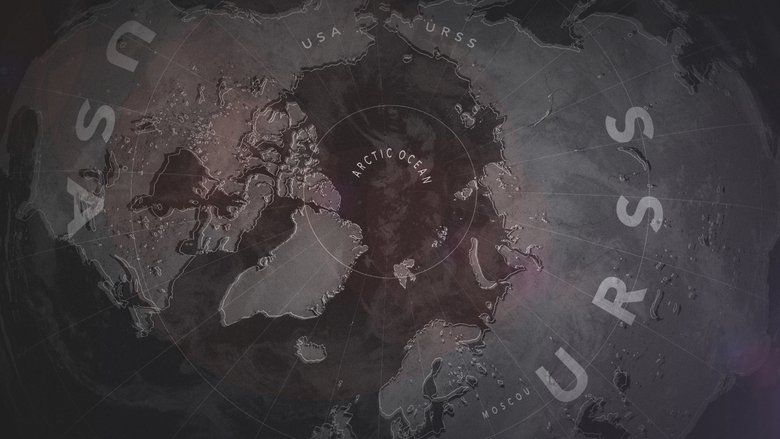
Espions pour la planète (2016)
In the aftermath of the Cold War, Russian and American intelligence agencies, once enemies, joined forces and pooled their data to serve the planet, threatened by global warming. The story of a remarkable odyssey.
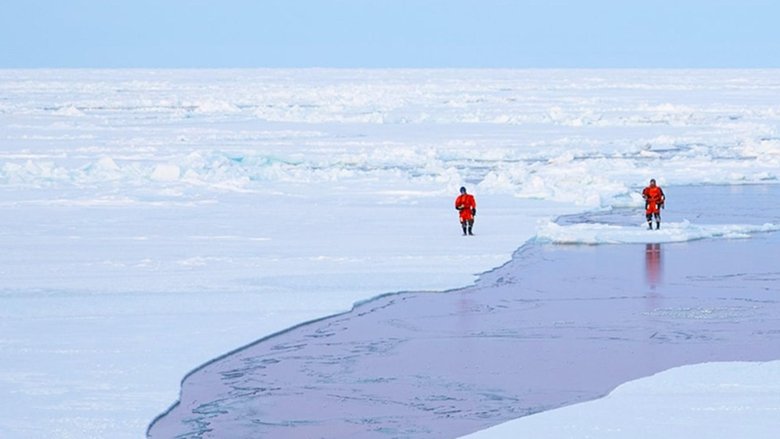
Sailing the North Pole (2010)
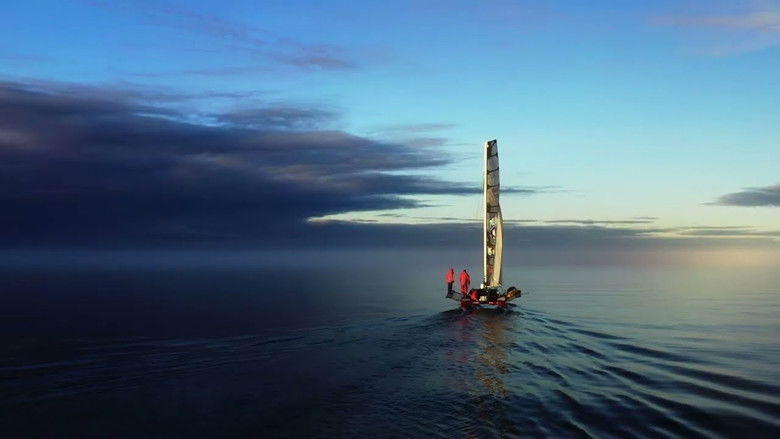
This is a documentary about the expedition of Sebastien Roubinet et Rodolphe André who have decided to cross the Arctic Ocean from Alaska to the Norwegian islands of Spitsbergen, via the geographic North Pole! For this, Sébastien Roubinet has invented a strange little boat "TiBabouche" capable of sailing on sea and on ice. This boat is a prototype brimming with technology and science, made-up by Hervé Le Goff, a CNRS engineer. It will allow Hervé to calibrate the satellite “Cryosat”, the first one capable of measuring the thickness of ice.
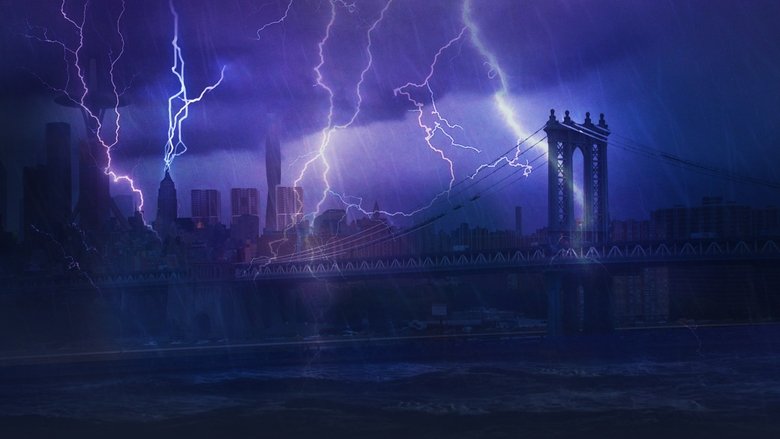
Worst Weather Ever? (2013)
Scientists are in a race against time to discover what effect the warming world is having on our weather, which is getting wilder and weirder by the moment, causing chaos, death and destruction around the world.
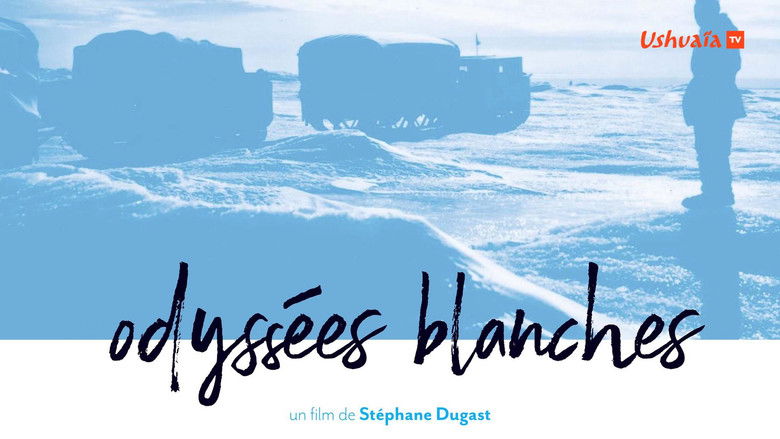
Odyssées blanches (2021)
1947. The rush to the poles marked the beginning of an incredible human adventure to discover the last-remaining unknown lands. In France, Paul-E?mile Victor persuaded the government to finance expeditions to explore the Arctic and Antarctic. For the pioneers the conditions were Dantean, all in the name of science.
Tomorrow Has Come (2024)
Nothing nor anyone can escape the impacts of climate change. People from all corners of Brazil, our cities and forests, our economy, our health and our dreams for the future. Six Brazilians, from five different states, tell how climate change has affected their lives. A young indigenous woman who became the leader of a volunteer fire brigade after an unprecedented forest fire; a small farmer who faced six years of drought; a centenarian caiçara community forced to move due to the advance of the sea; a retailer who saw his shop destroyed by rains and landslides that claimed hundreds of lives in Rio de Janeiro; an oyster farmer who suffered harsh losses due to rising sea temperatures; a woman from a coastal city who lost two cars to storm tides which are happening more and more often along the Brazilian coast.
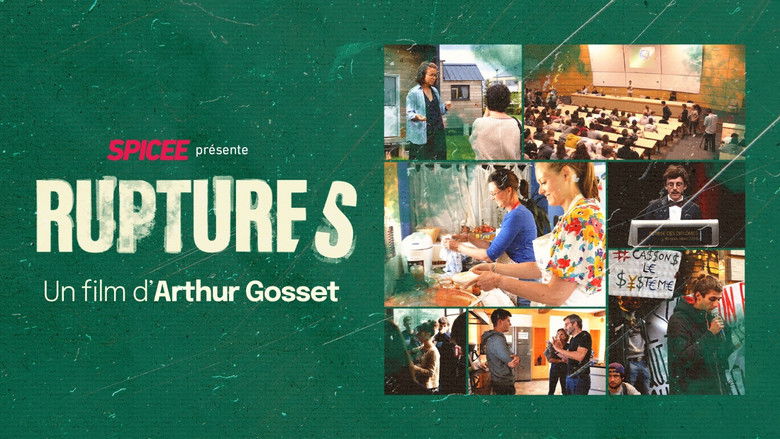
Ruptures (2021)
Their destiny was well mapped out: brilliant studies, the promise of a good job and a big salary. However, nothing happened as planned. Aurélie, Maxime, Hélène, Emma, or Romain are graduates of Polytechnique, Sciences Po, Centrale or business schools. They have made a radical choice: to give up the future they were promised for a life they consider more compatible with the environmental and societal issues of our time. This film tells their story. For a year, the young director Arthur Gosset, himself a student at Centrale Nantes, followed the journey of six young people, their sometimes difficult decisions, their often painful breaks and their courageous choice to live in accordance with their convictions, whatever the cost. Discover the documentary that tells their story.
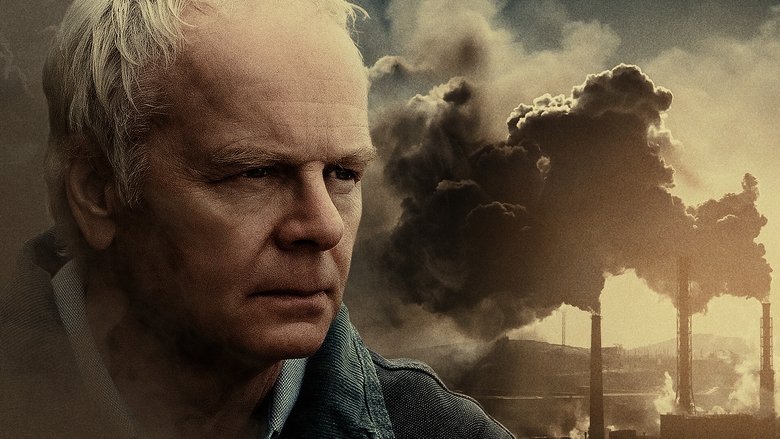
The Trick (2021)
The Trick tells the story of world-renowned Professor Philip Jones; Director of Climate Research at the University of East Anglia, who back in 2009 found himself at the eye of an international media storm and the victim of cyberterrorism. With time running out against an unseen enemy, The Trick looks at the potentially devastating consequences to humanity from climate change denial; how a media storm undermined public confidence in the science and how the concept of ‘truth’ took a back seat causing us to lose a decade of action.
Face to Face with the Polar Bear (2005)
Filmmaker Jerome Bouvier spent a year in Spitzberg following the incredible destiny of a polar bear family in a rapidly changing environment. Casting brother and sister twin cubs, this tale focuses on their education and reveals their individual characters.
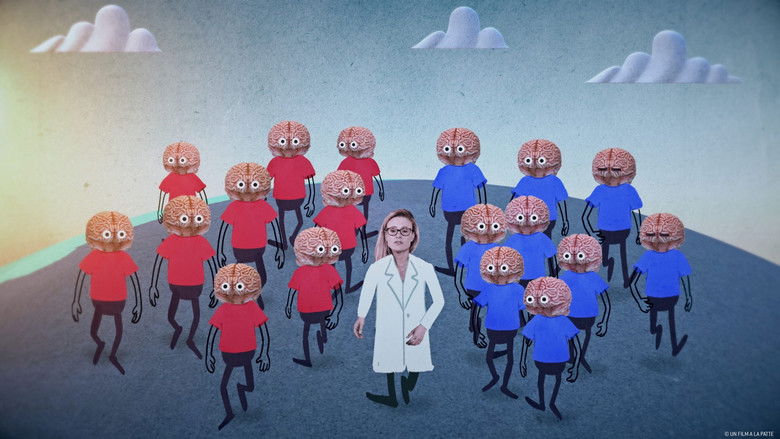
Climate Change: The Brain Paradox (2022)
Although a real awareness of the populations is underway - the multiplication of natural disasters and heat records helping - the human activities responsible for global warming remain unchanged, as if the threat was unreal. This collective immobility could have its origin in the brain. A number of cognitive biases impede judgment.
Stormchasers (1995)
Track monsoons, hurricanes, blizzards, and tornadoes. Take a journey around the planet to experience our most extreme storms and to witness the dramatic--and often perilous--efforts of scientists in the pursuit of understanding weather.Join meteorologists in the cockpit of a P-3 weather plane as they penetrate the eye of a hurricane; and in the tense, decisive moments on the road as they focus their radar on an approaching tornado, traveling to the heart of severe storms to learn what makes weather systems tick. Experience the bumpy ride into the sudden and spectacular calm of a hurricane’s eye, or the commando-like raid to the very brink of a killer tornado, and experience one of the elemental joys of doing science: that of confronting nature head-on to divine its awesome secrets.
Can We Save the Reef? (2018)
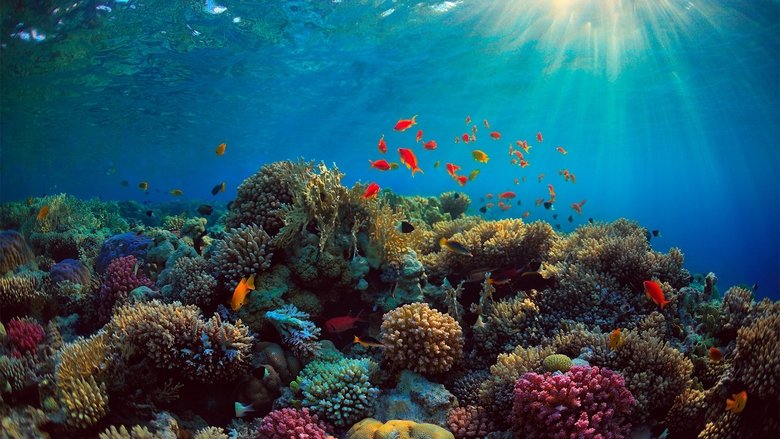
An epic story of Australian and international scientists who are racing to understand our greatest natural wonder and employing cutting edge science in an attempt to save it.
Under Poisoned Skies (2024)
Gas flaring has long been known to be both a major polluter and a serious health hazard. In Iraq, it's ruining ordinary people's lives, leaving communities ravaged by abnormally high levels of cancer. With oil giants like BP using a loophole to avoid reporting emissions, and governmental promises to end the practice ringing hollow, what will it take to eradicate toxic pollution from Iraq's skies?