
Similar to Nos banzeiros da Memória: A sociologia na Amazônia Paraense
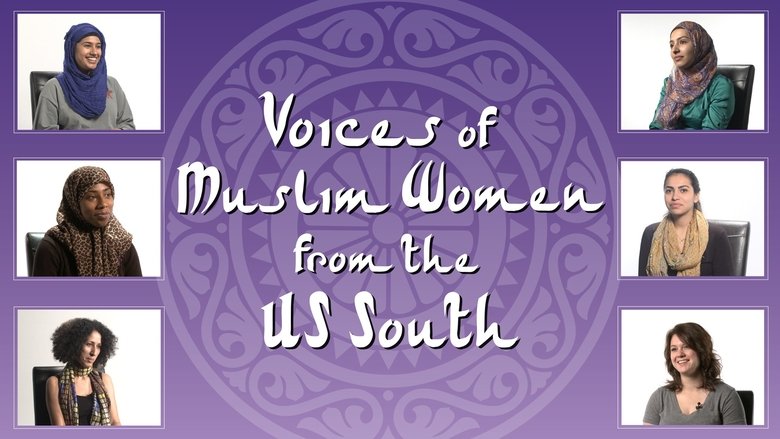
Voices of Muslim Women from the US South (2015)
When one thinks of the American Deep South, the image of veiled Muslim students strolling the University of Alabama campus is the last thing that comes to mind. VOICES OF MUSLIM WOMEN FROM THE US SOUTH is a documentary that explores the Muslim culture through the lens of five University of Alabama Muslim students. The film tackles how Muslim women carve a space for self-expression in the Deep South and how they negotiate their identities in a predominantly Christian society that often has unflattering views about Islam and Muslims. Through interviews with students and faculty at Alabama, this film examines representations and issues of agency by asking: How do Muslim female students carve a space in a culture that thinks of Muslims as terrorists and Muslim women as backward?
Universam Grochów (2018)
Universam Grochów was a now-defunct shopping and service mall that emerged in the 1970s in Warsaw's Praga-Południe district. This department store functioned as a shopping center and a hub for the social life of right-bank Warsaw. At the end of 2016, the iconic building was demolished. The film captures the final moments of the enterprise, with long-term and dedicated employees guiding us through its corridors. Their approach to work and economic model make Universam a living museum and a phenomenon at the intersection of urban planning and sociology. We also see the significant void left in the local community by the building's demolition.

iHuman (2019)
Artificial Intelligence (AI) is possibly the most powerful technology of our time. It has the potential to solve humanity’s biggest challenges yet some fear AI will be our downfall. iHUMAN follows pioneers at the frontline of the race to develop the ever more sophisticated AI to find the questions we need to ask at this crucial point in history.
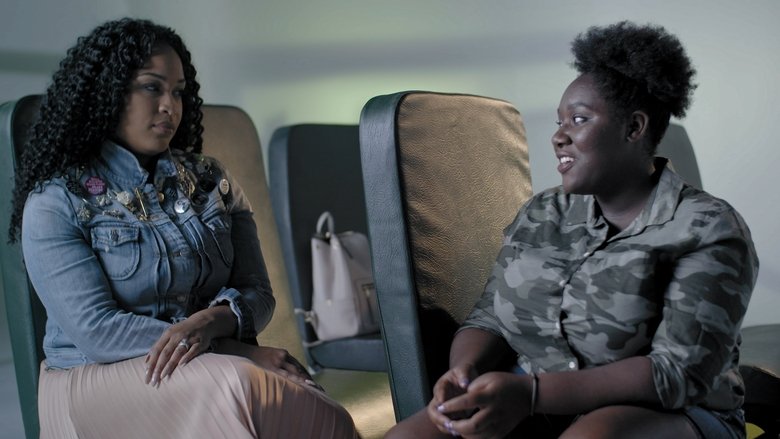
CodeSwitching (2019)
CodeSwitching is a mash-up of personal stories from three generations of African American students who participated in a landmark voluntary desegregation program. Shuttling between their inner-city Boston neighborhoods and predominantly white suburban schools in pursuit of a better education, they find themselves swapping elements of culture, language, and behavior to fit in with their suburban counterparts – Often acting or speaking differently based on their surroundings, called code-switching.
Sacrifice (2025)
Sacrifice is a supernatural thriller that follows João and Humberto, two university students who, after the mysterious death of their friend Alberto, begin to receive enigmatic clues and discover that Alberto may still be alive.
Loyal to My Image (1992)
Through one woman's experience as an adopted person and also as a mother who relinquished her child in 1971, this documentary highlights the many complex issues associated with adoption.
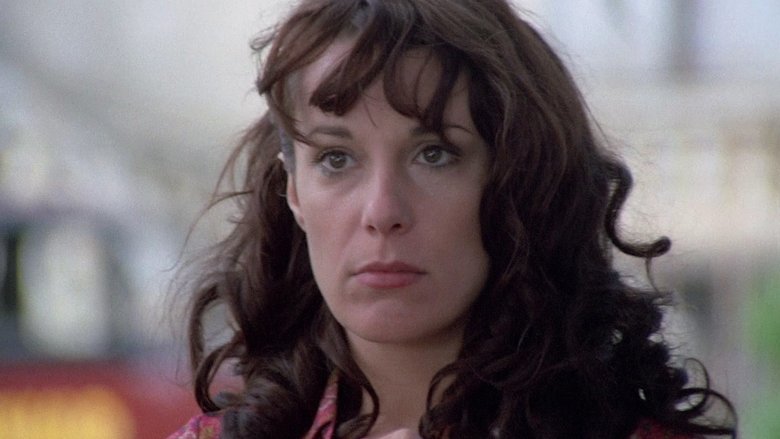
A Gorgeous Girl Like Me (1972)
Young sociologist Stanislas Previne is writing a thesis on criminal women, so he visits Camille Bliss in prison for an interview. Accused of murdering her husband and her lover, Camille recounts her life and love affairs.
The Codes of Gender (2010)
Arguing that advertising not only sells things, but also ideas about the world, media scholar Sut Jhally offers a blistering analysis of commercial culture's inability to let go of reactionary gender representations. Jhally's starting point is the breakthrough work of the late sociologist Erving Goffman, whose 1959 book The Presentation of the Self in Everyday Life prefigured the growing field of performance studies. Jhally applies Goffman's analysis of the body in print advertising to hundreds of print ads today, uncovering an astonishing pattern of regressive and destructive gender codes. By looking beyond advertising as a medium that simply sells products, and beyond analyses of gender that tend to focus on either biology or objectification, The Codes of Gender offers important insights into the social construction of masculinity and femininity, the relationship between gender and power, and the everyday performance of cultural norms.
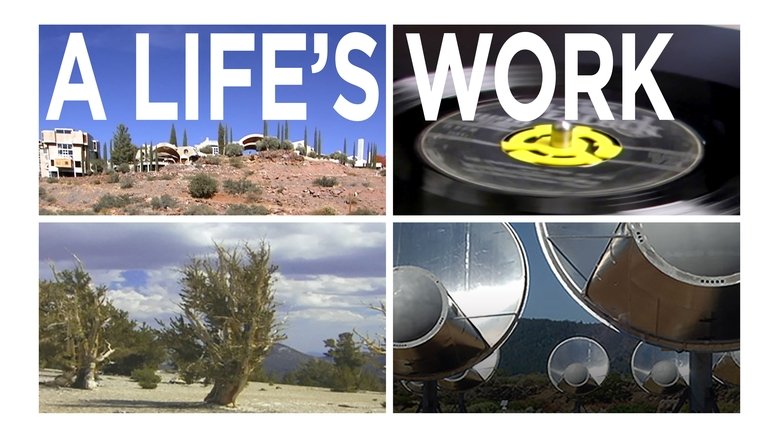
A Life's Work (2020)
What’s it like to dedicate your life to work that won’t be completed in your lifetime? Fifteen years ago, filmmaker David Licata focused on four projects and the people behind them in an effort to answer this universal question.
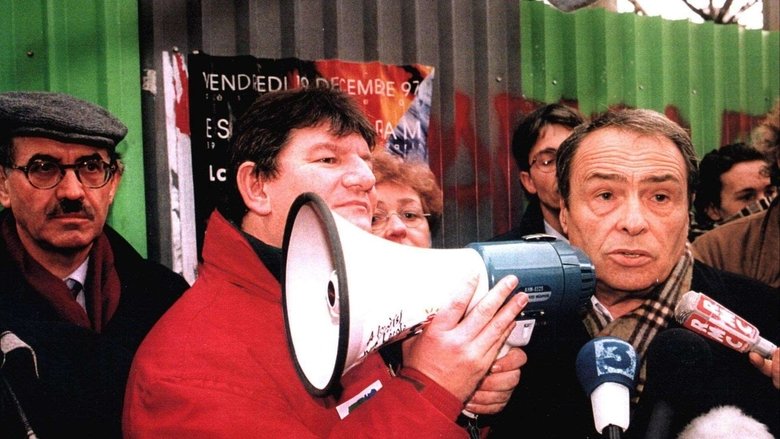
Sociology Is a Martial Art (2001)
"I often say sociology is a martial art, a means of self-defence. Basically, you use it to defend yourself, without having the right to use it for unfair attacks." (Pierre Bourdieu) The world has witnesses who speak out loud what others keep to themselves. They are neither gurus, nor masters, but those who consider that the city and the world can be thought out. The sociologist, Pierre Bourdieu is one such witness." Over a three- year period, Pierre Carles' camera followed him through different situations: a short conversation with Günter Grass, a lively conference with the inhabitants of a working-class suburb, his relations with his students and colleagues and his plea that sociology be part of the life of the city. His thinking has a sort of familiarity, which means it is always within our reach. It is the thinking of a French intellectual who has chosen to think his times.
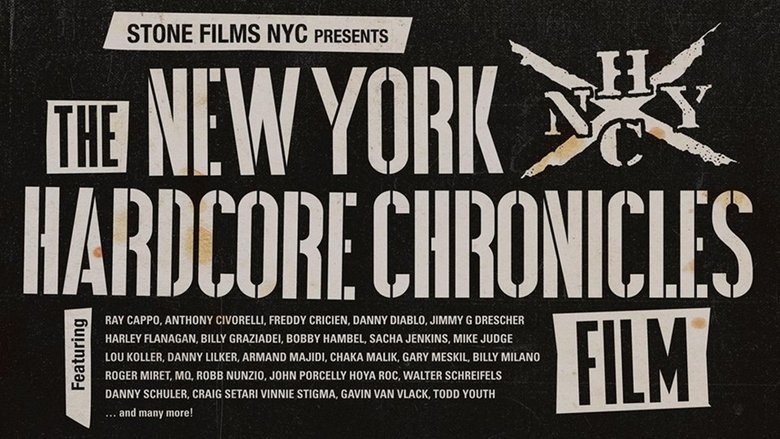
The New York Hardcore Chronicles Film (2017)
Director Drew Stone’s The New York Hardcore Chronicles Film is an incredible journey through the community and culture of the iconic New York hardcore scene. Not the typical history of a local music scene but so much more. Shot in an episodic format, the film contains over 60 interviews, never before seen footage, photos and a blazing soundtrack. With appearances by Roger Miret & Vinnie Stigma (Agnostic Front), Lou Koller, Craig Setari (Sick Of It All), Ray Cappo (Youth Of Today), Billy Graziadei (Biohazard), Billy Milano (S.O.D. / M.O.D.) and Mike Judge (Judge). The film addresses the community, culture, straight edge and DIY ethic of the hardcore scene in the greatest city in the world that is still vibrant, relevant and going strong to this day.
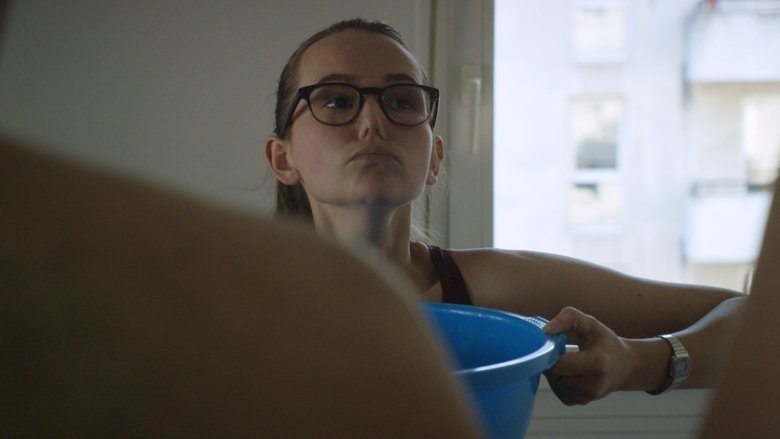
Home Swim Home (2016)
Mia is thirty and getting divorced. She moves into a studio apartment in a low-income housing project. As a former swimming champion, she now finds herself giving swimming lessons to the other inhabitants... Without a pool...
Ruy Mauro Marini and the Dependancy Dialetics
Ruy Mauro Marini was a brazilian sociologist who developed the Marxist Dependancy Theory, to explain the development of latin american nations due their place in the global capitalism. This film, through multiple interviews, gives a short overview of his life and work.
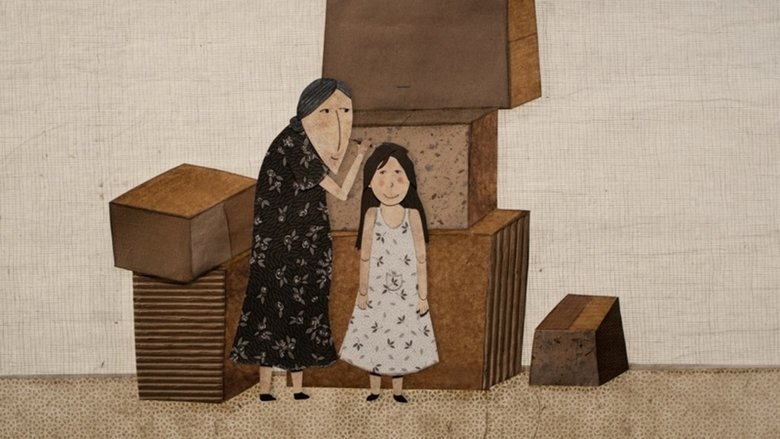
Home Sweet Home (2019)
An old lady’s house is full of boxes filled with memories. Every Wednesday, along with her cockroach friends, she tells her granddaughter wonderful stories. But as the little girl grows bigger, they start running out of space inside the house.
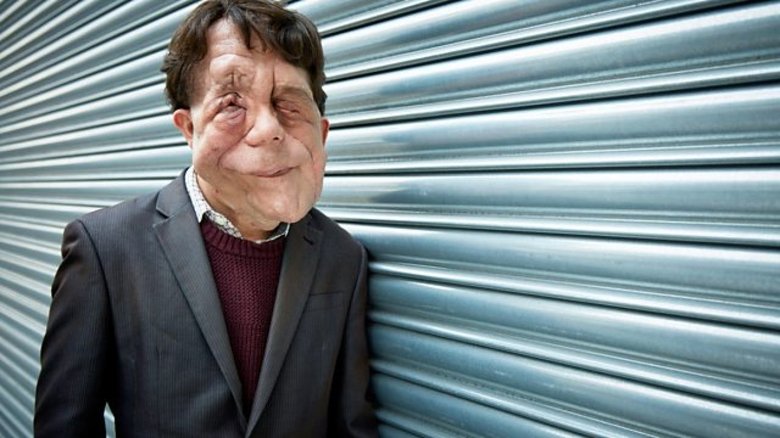
The Ugly Face of Disability Hate Crime (2015)
Adam Pearson - who has neurofibromatosis type 1 - is on a mission to explore disability hate crime: to find out why it goes under-reported, under-recorded and under people's radar.
The Perfumed Garden (2000)
THE PERFUMED GARDEN is an exploration of the myths and realities of sensuality and sexuality in Arab society, a world of taboos and of erotic literature. Through interviews with men and women of all ages, classes, and sexual orientation, the film lifts a corner of the veil that usually shrouds discussion of this subject in the Arab world. Made by an Algerian-French woman director, the film begins by looking at the record of a more permissive history, and ends with the experiences of contemporary lovers from mixed backgrounds. It examines the personal issues raised by the desire for pleasure, amidst societal pressures for chastity and virginity. The film discusses pre-marital sex, courtship and marriage, familial pressures, private vs. public spaces, social taboos (and the desire to break them), and issues of language.
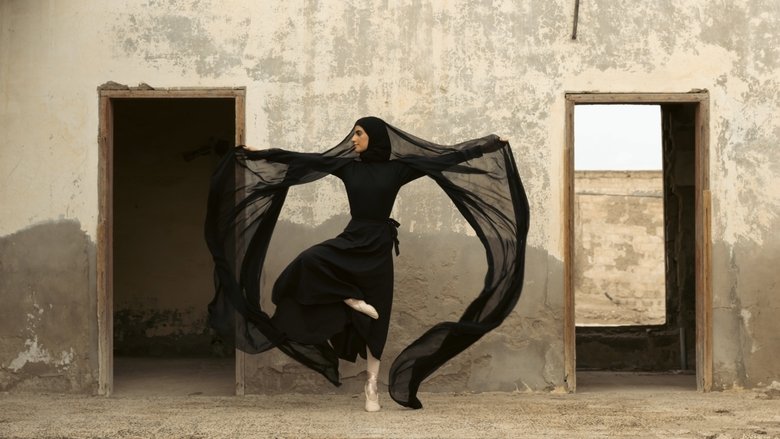
Light Upon Light: A Documentary On Hijab (2025)
Light Upon Light: A Documentary on Hijab is an intimate and deeply personal exploration of the diverse, raw, and untold stories of hijabi women. Through open and vulnerable conversations with 7 women, the film dismantles stereotypes, highlights the challenges imposed by society, and celebrates the profound beauty of the hijab beyond a mere clothing choice. It captures the individuality of each woman’s story—how they came to wear the hijab, the struggles they’ve faced, and the strength they’ve found in it. More than just fabric, the hijab is a journey, often misunderstood, and influenced by the way the world perceives it. By amplifying voices that are often unheard, the documentary creates a space for empathy, challenges misconceptions, and invites a deeper understanding of what it truly means to wear the hijab; inspiring everyone to see hijab in a new light.

Bias (2018)
"Bias" challenges us to confront our hidden biases and understand what we risk when we follow our gut. Through exposing her own biases, award-winning documentary filmmaker Robin Hauser highlights the nature of implicit bias, the grip it holds on our social and professional lives, and what it will take to induce change.

PK (2014)
A stranger in the city asks questions no one has asked before. Known only by his initials, the man's innocent questions and childlike curiosity take him on a journey of love, laughter and letting go.
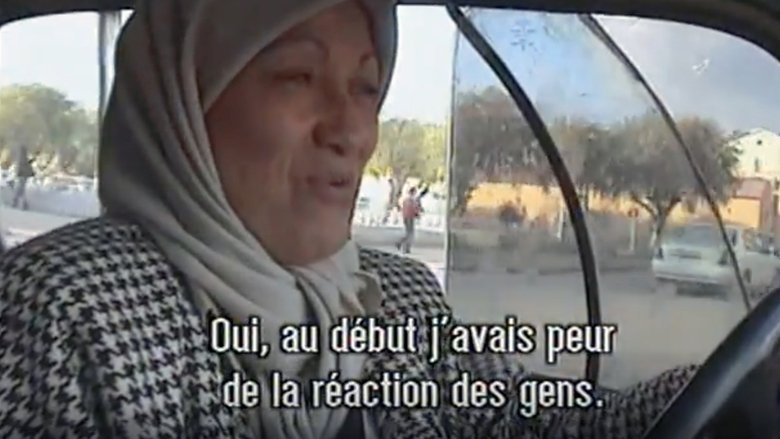
A Female Cabby in Sidi Bel-Abbès (2000)
When her husband died Soumicha, mother of three, had to earn a living. She became the only woman taxi driver in Sidi Bel-Abbès, Algeria. This film accompanies Soumicha around a city where religious and political violence rages, and records her experiences in a job normally reserved for men.