
Similar to Cape Verde Independence, July 5 and 6 1975
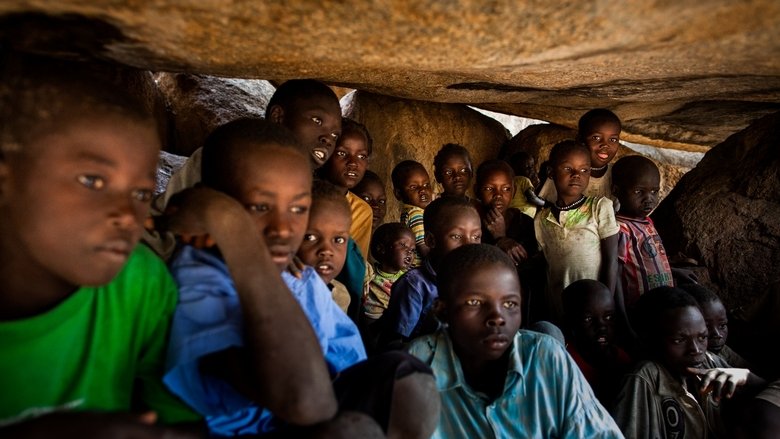
We Who Remain (2017)
Sudan, Southern Kordofan, the Nuba Mountains in Africa. Scenes from the forgotten war that the fighters of the Nuba people have held since 2011 against the government of President Omar al-Bashir and the Sudanese army, which crudely show the hard daily life of Hannan, a brave woman fighting for the survival of her family; Jordania, a promising student; Mosquito, a reckless journalist; and Al-Bagir, a rebel leader.
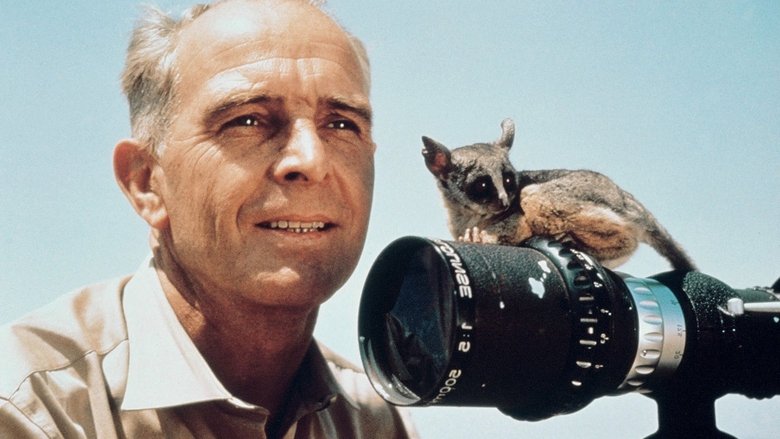
Serengeti Shall Not Die (1959)
The film tells of the beginnings of the Serengeti National Park in Tanzania. At the end of the 1950s, the Tanzanian National Park Administration wanted to fence in the protected area around the Ngorongoro Crater. Bernhard and Michael Grzimek were invited by the national park administration in 1957 to get a precise picture of the animal migrations and to provide the national park administration with the values they needed for their project. Using a new counting method with two airplanes, the Grzimeks found out that the migration of the herds was different than assumed.

Africa Rising (2019)
How African artists have spread African culture all over the world, especially music, since the harsh years of decolonization, trying to offer a nicer portrait of this amazing continent, historically known for tragic subjects, such as slavery, famine, war and political chaos.
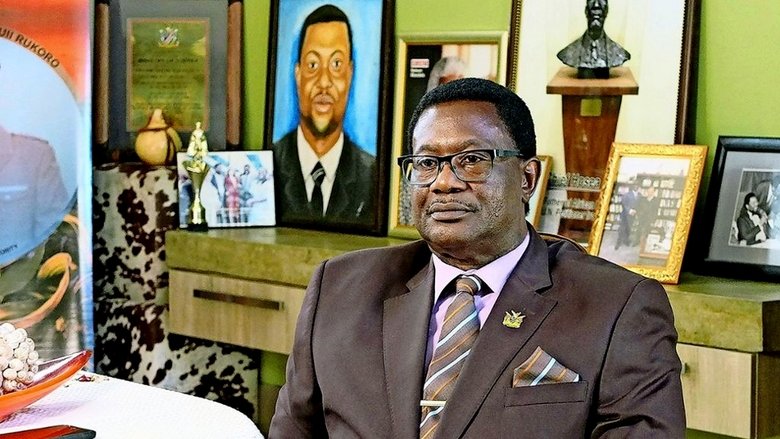
Namibia: The Story of a German Colony (2019)
Germans colonized the land of Namibia, in southern Africa, during a brief period of time, from 1840 to the end of the World War I. The story of the so-called German South West Africa (1884-1915) is hideous; a hidden and silenced account of looting and genocide.
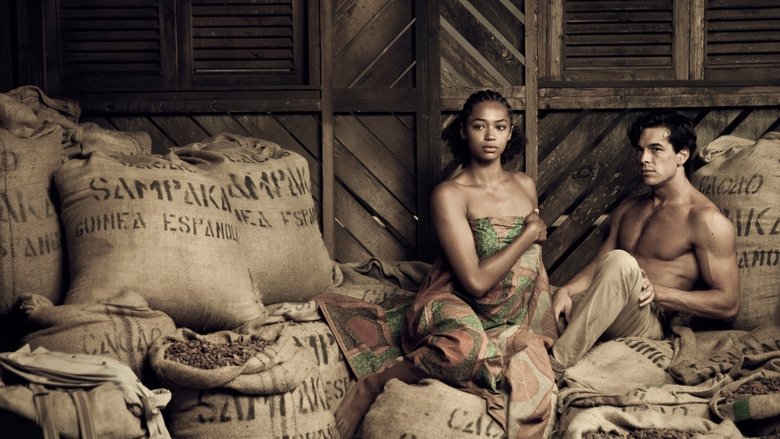
Palm Trees in the Snow (2015)
Spain, 2003. An accidental discovery leads Clarence to travel from the snowy mountains of Huesca to Equatorial Guinea, to visit the land where her father Jacobo and her uncle Kilian spent most of their youth, the island of Fernando Poo.
Hidden Colors 5: The Art of Black Warfare (2019)
The history of warfare as it relates to global Black society, broken down into 7 chapters that examines the ways the system of racism wages warfare from a historical, psychological, sexual, biological, health, educational, and military perspective.
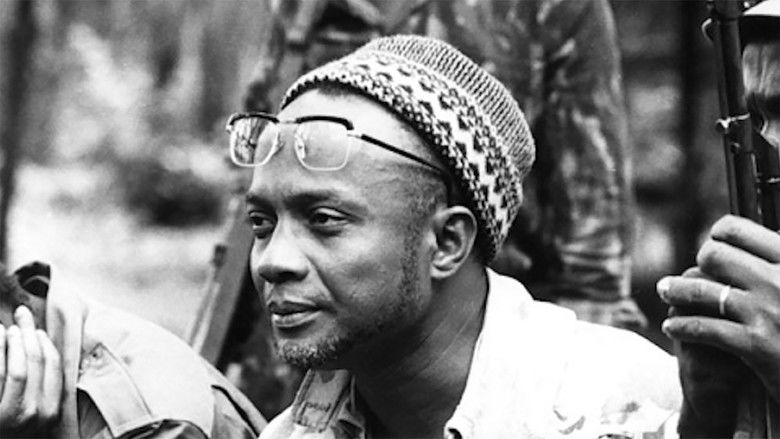
Amílcar Cabral (2000)
Documentary about African freedom fighter Amílcar Cabral, whose story is told by his relatives and friends. Amílcar, besides being a humanist and nationalist, was also a brilliant poet.
The Island of Contenda (1999)
Cape Verde, 1964. At the feet of a mighty volcano, the traditional Cape Verdean society is undergoing a steady change. The old land-owning aristocracy is disintegrating. A class of "mulattos" begins to emerge, with a trade-based financial power that threatens the landlords. A new identity arises, a mix of old and new, of African and Portuguese culture, sensual and dynamic. The songs of Cesária Évora follow this inevitable transformation. From the novel by Henrique Teixeira de Sousa.
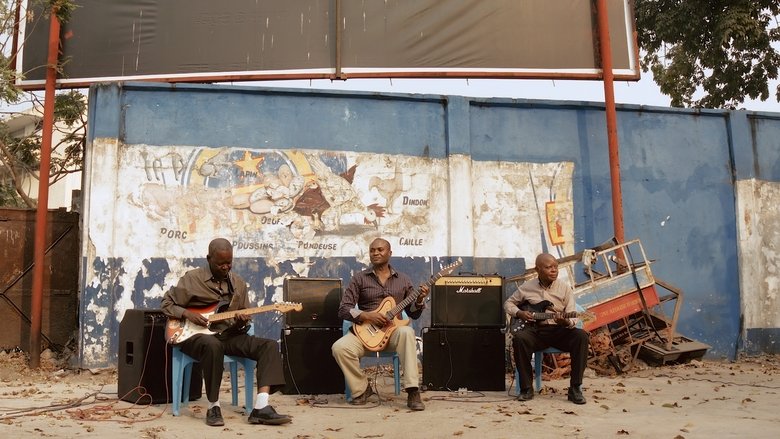
The Rumba Kings (2021)
In the fifties, when the future Democratic Republic of Congo was still a Belgian colony, an entire generation of musicians fused traditional African tunes with Afro-Cuban music to create the electrifying Congolese rumba, a style that conquered the entire continent thanks to an infectious rhythm, captivating guitar sounds and smooth vocals.
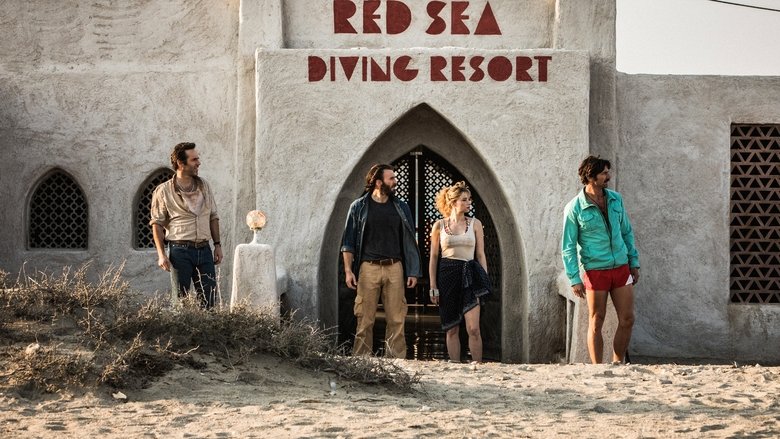
The Red Sea Diving Resort (2019)
Sudan, East Africa, 1980. A team of Israeli Mossad agents plans to rescue and transfer thousands of Ethiopian Jews to Israel. To do so, and to avoid raising suspicions from the inquisitive and ruthless authorities, they establish as a cover a fake diving resort by the Red Sea.
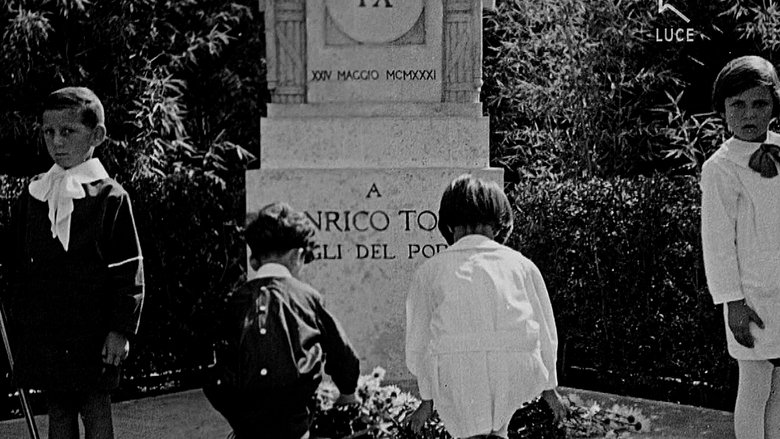
The Imperial Lullaby (2020)
The armies of Fascist Italy conquered Addis Ababa, capital of Abyssinia, in May 1936, thus culminating the African colonial adventure of the ruthless dictator Benito Mussolini, by then lord of Libya, Eritrea and Somalia; a bloody and tragic story told through the naive drawings of Pietro Dall'Igna, an Italian schoolboy born in 1925.
Out of Darkness: Heavy is the Crown (Vol. 1) (2022)
An examination of how Africa's mythological stories have served as the basis for the world religions that came after, especially in Western civilization.
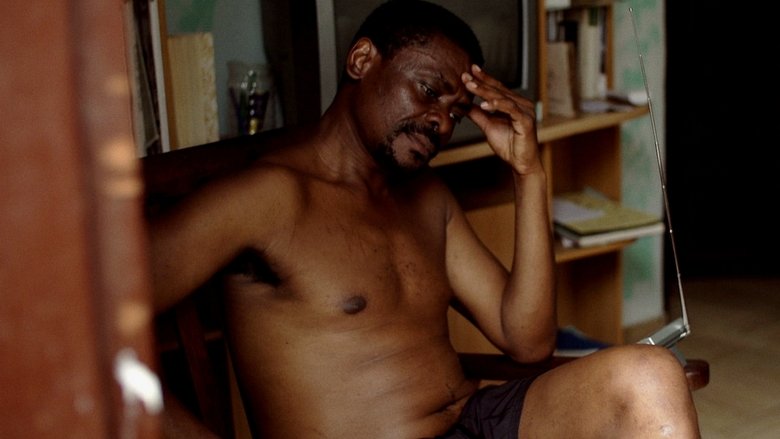
The Writer from a Country Without Bookstores (2019)
The ruthless dictator Teodoro Obiang has ruled Equatorial Guinea with an iron hand since 1979. Juan Tomás Ávila Laurel is the most translated Equatoguinean writer, but he had to flee the country in 2011, after starting a hunger strike denouncing the crimes of the dictatorship. Since then, he has lived in Spain, feeling that, despite the risks, he must return and fight the monster with words.
Mirror of Tunisia/Tunisia, the Trance and the Stone (1993)
Tunisia itself is the subject; we wanted to render the genius of the site. Tunisia is almost the central character of this little film: we see the relation of the city to the sea, the traces that bear witness to its foundation, the remains of Carthage, the symbolism of the recently discovered Medina coin … The splendours of the house interiors and courtyards are associated with a scene of origin, what psychoanalysis calls a primal scene. Entering these houses opens up a world peopled by women: the child’s ‘homecoming’ in the hands of women is staged as an abduction, playing doubly on fascination and terror. These places were mine, from my childhood, they can be found almost intact – it’s the return of the exile visiting the kingdom. I let Ruiz discover all this, and immediately that led him to echoes and resonances ranging from Spain to Chile.
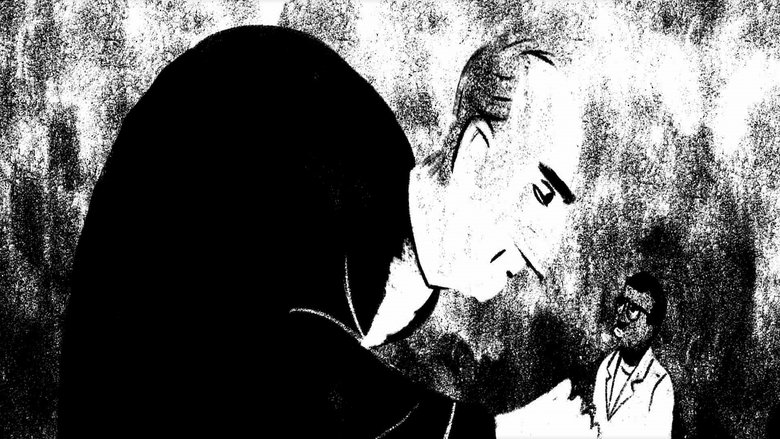
The State Against Mandela and the Others (2018)
South Africa, July 11th, 1963. Several members of the African National Congress, an organization declared illegal, are arrested in Rivonia, a country house near Johannesburg. The detainees, along with Nelson Mandela, imprisoned since 1962, are charged with serious crimes for their radical activism against the apartheid regime.
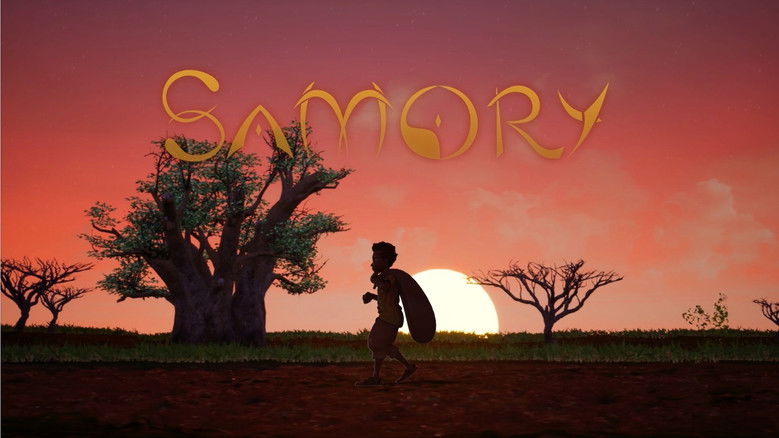
Kenyatta (1973)
Jomo Kenyatta's death in 1978 brought to an end a political career that encompassed more than 50 years of African history. Kenyatta entered politics in the mid-1920s and then spent 17 years in exile in Europe. He returned to Kenya in 1946, and was elected president of the nationalist movement, the Kenya African Union. Arrested and imprisoned in 1952 for allegedly leading 'Mau Mau', he was released in 1961 and two years later became Kenya's first Prime Minister. In power, the man whom European settlers had once reviled as "the leader to darkness and death" was eulogized by them as a pillar of stability, while former allies challenged him by creating a left-leaning political opposition. Kenyatta weaves archival and contemporary images with interviews with friends and relatives, comrades and opponents, to create a biographical portrait of a key figure in 20th century politics, and a case study of what Frantz Fanon called the pitfalls of nationalism as a political force in Africa.
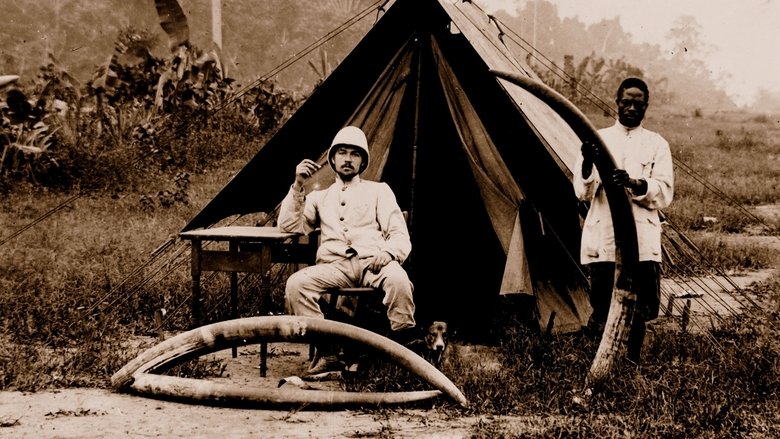
Totems and Taboos (2018)
In Brussels, Belgium, the Royal Museum of Central Africa is undertaking a radical renovation, both physical and ethical, to show with sincerity, crudeness and open-mindedness the reality of the atrocities perpetrated against the inhabitants of the Belgian colonies in Africa, still haunted and traumatized by the ghost of King Leopold II of Belgium, a racist and genocidal tyrant.
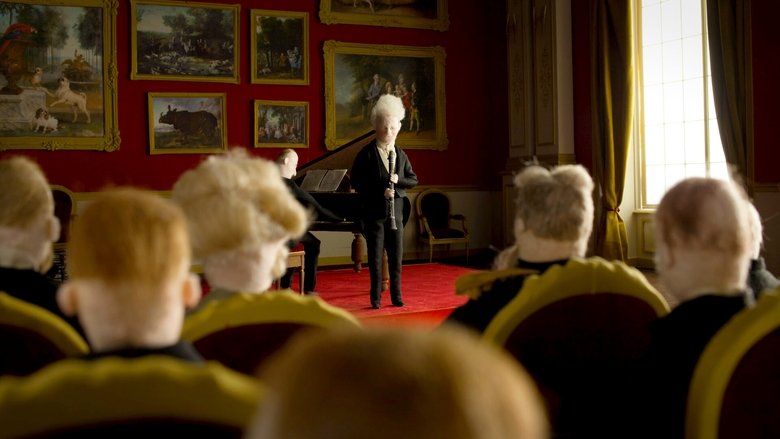
This Magnificent Cake! (2018)
In 1885, Africa is a succulent cake destined to be wildly divided and everyone wants a piece. A disturbed European king, a Pygmy working in a luxury hotel, a successful but lonely businessman, an enslaved porter, a young army deserter, a ghostly clarinetist. Some benefit from colonialism and greed. Others suffer racism and violence.
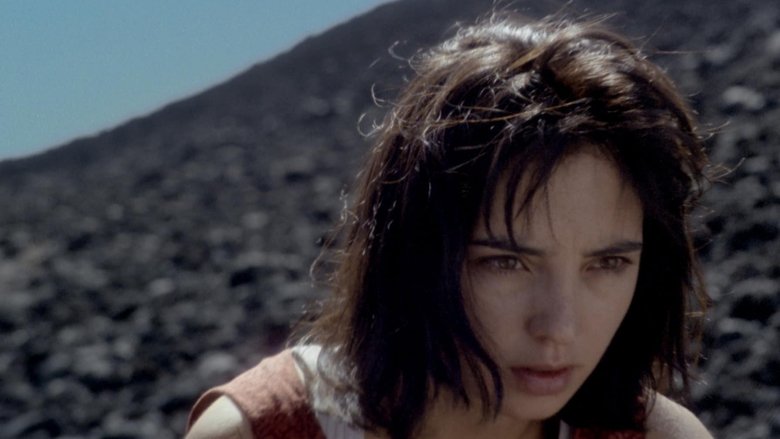
Casa de Lava (1995)
The film tells a story of Mariana, a nurse who leaves Lisbon to accompany an immigrant worker in a comatose sleep on his trip home to Cape Verde. The devoted Portuguese nurse took a journey only to find herself lost in abstract drama.