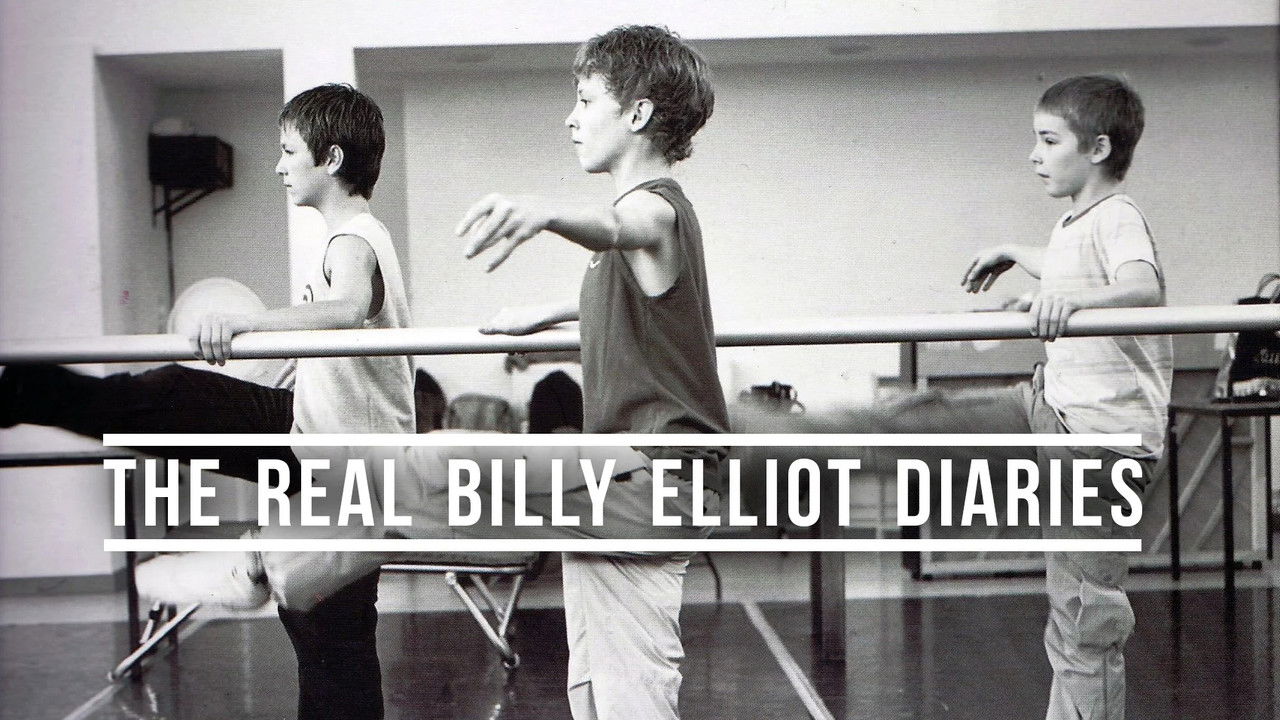
The Real 'Billy Elliot' Diaries (2005)
Documentary following the actors playing the role of Billy in Billy Elliot the Musical as they prepare for their West End debut.
Documentary following the actors playing the role of Billy in Billy Elliot the Musical as they prepare for their West End debut.
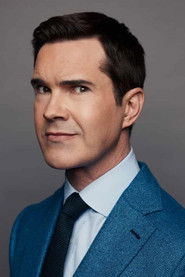 Jimmy CarrSelf
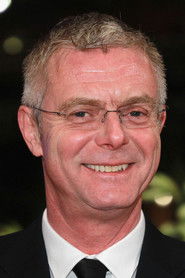 Stephen DaldrySelf
 David FurnishSelf
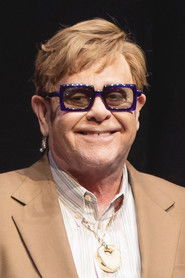 Elton JohnSelf
 James LomasSelf
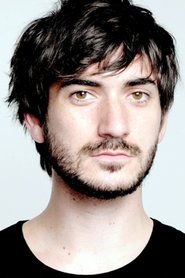 George MaguireSelf
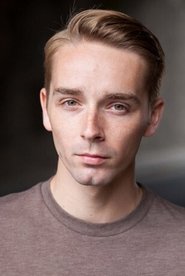 Liam MowerSelf
"Danse serpentine" (Gaumont #588) is part of the "Miss Lina Esbrard. Danseuse cosmopolite et serpentine" series of 4 films, and should not be confused with "Danse excentrique" (Gaumont #587), "Danse fantaisiste" (Gaumont #589) or "La Gigue" (Gaumont #590).
In Jacob Sutton’s film “Ascension”, two young dancers soar up from the darkness beneath the stage at Bastille to the sumptuous Grand Foyer and eventually to the rooftop of the Palais Garnier, where they experience moments of heavenly, dreamlike luminosity.
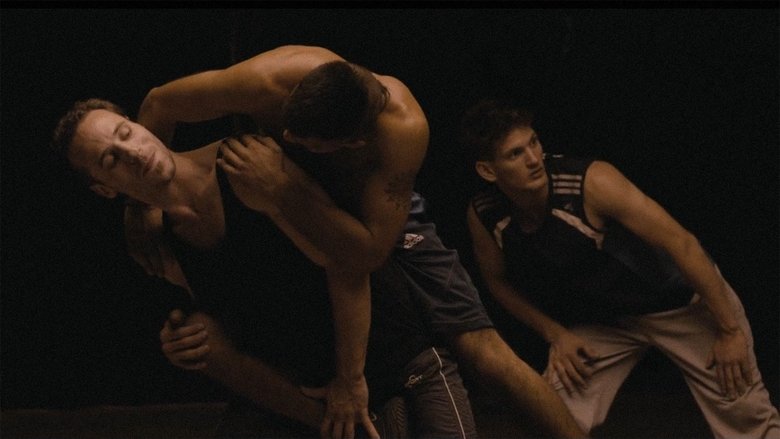
Santiago Mitre co-directs his first movement following The Student together with choreographer Onofri Barbato. Although it would have been more accurate to say “his first film-story-adventure-movie-great movie following The Student”, the word movement fits perfectly in Los posibles, the most overwhelmingly kinetic work Argentine cinema has delivered in many, many years. The film deals with the adaptation of a dance show directed by Onofri together with a group of teenagers who came to Casa La Salle, a center of social integration located in González Catán, trying to find some refuge from hardship. Already entitled Los posibles, the piece opened in the La Plata Tacec and was later staged in the AB Hall of the San Martín Cultural Center. Now, it dazzles audiences out of a film screen, with extraordinary muscles and a huge heart: Los posibles is a rhapsody of roughen bodies and torn emotions. Precise and exciting, it’s our own delayed, necessary, and incandescent West Side Story.
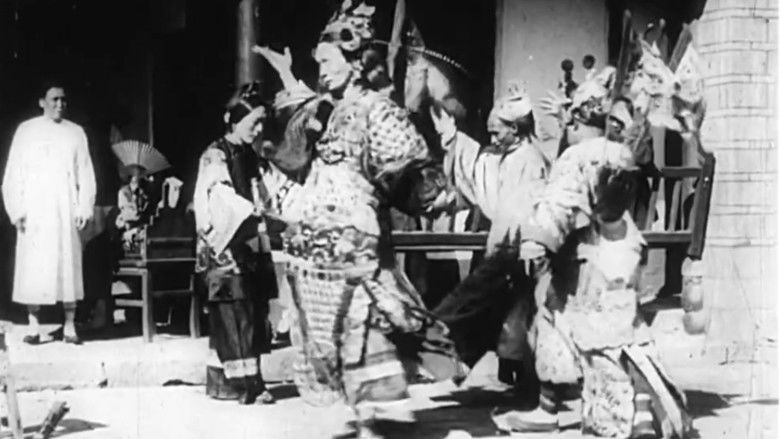
Cultural documentary featuring a Chinese folk dance performance held in the courtyard of Auguste François's house in Yunnanfu, present-day Kunming, China. Four dancers interact in an artistic performance. Produced in 1901 by Societé L. Gaumont et Cie. and directed by French photographer and diplomat Auguste François. Working as a French diplomatic consul in China, Auguste François shot a large number of films, most of which are still preserved, showing aspects of Chinese society in the last years of the last Chinese monarchical dynasty, the Qing. This film was only released commercially in 1905 as part of the collection "Au Pays des Mandarins".
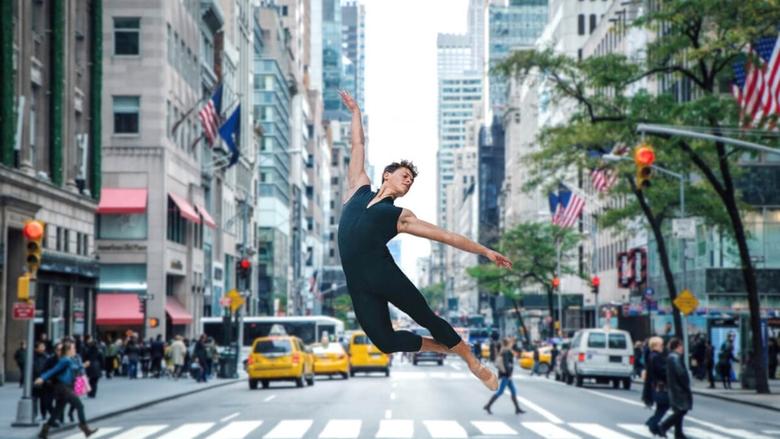
Alexis, a talented and proud student of the National Ballet School of Cuba, spends his life practicing chassé and entrechats with his girlfriend and dance partner Yelenia. However, when his family moves to Florida to be reunited with his sister, he must adjust his expectations and dreams to a radically new environment. Alexis, facing rejection and homesick for his native Cuba, feels lost and alone. He must find his way in the world of American ballet while remaining faithful to his roots.
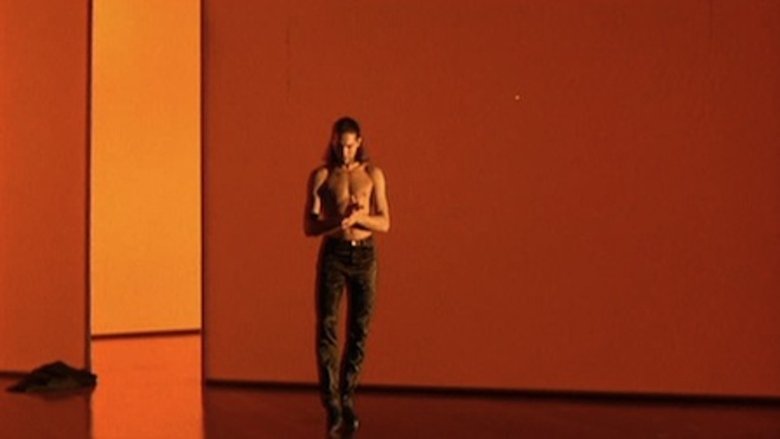
The film presents thirteen rhythms of flamenco, each with song, guitar, and dance: the up-tempo bularías, a brooding farruca, an anguished martinete, and a satiric fandango de huelva. There are tangos, a taranta, alegrías, siguiriyas, soleás, a guajira of patrician women, a petenera about a sentence to death, villancicos, and a final rumba.
An Austrian director followed five successful African music and dance artists with his camera and followed their lives for a year. The artists, from villages in Ghana, Gambia and Congo, were the subjects of Africa! Africa! touring across Europe, but they have unbreakable roots to their homeland and their families. Schmiderer lovingly portrays his heroes, who tell their stories about themselves, their art and what it means to them to be African with captivating honesty. The interviews are interwoven with dance scenes and colourful vignettes set to authentic music.

A filmed version of Aaron Copland's most famous ballet, with its original star, who also choreographed.
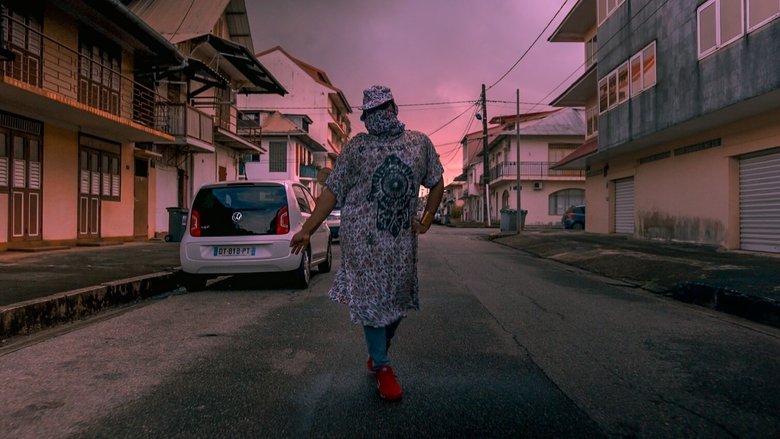
Ninja is famous around the world for her fierce ballroom performances, but she is not as well-known in her native country of French Guyana. But a trip home to teach a workshop might change that.
Narrated by Terence Stamp, this TV program documents the life and career of famed ballet dancer Rudolf Nureyev, through interviews with friends and colleagues and archive footage.
For two hundred years, the Shakers have been America's most successful utopian society. While seeking harmony, order and perfection in every aspect of their lives, they built minimalistic furniture and buildings that influenced modern design. The Shakers wrote songs of exquisite beauty and danced to the point of ecstasy during their religious meetings. Inspired by this music and dance, choreographer Tero Saarinen created Borrowed Light, a dance piece about communal life and individual sacrifice. Shot in Finland and the United States, featuring interviews and excerpts from Borrowed Light, this documentary explore the cultural legacy of this religious group devoted to creating heaven on earth.
Pina Bausch created and performed Café Müller for her dance company Tanztheater Wuppertal. The dance was inspired by and based on her childhood memories of watching her father work at his café in Germany during and immediately following World War II. In this silent style featurette, Bausch shows a restaurant after closing, in which the ghosts of the departed customers stumble blindly into walls and onto chairs but fail to find one another.
With the coveted glitter ball trophy once again up for grabs, how will series winner Chris Hollins fare against other celebrity favourites - including Austin Healey, Kelly Brook, Mark Ramprakash, Ali Bastian, and Natalie Cassidy? As they take to the stage alongside their professional partners including; Kristina Rihanoff, James and Ola Jordan, Brian Fortuna, Natalie Lowe and Ian Waite, in brand new breathtaking outfits and daring routines. They will need to impress judges; Len Goodman, Bruno Tonioli, Craig Revel Horwood and Arlene Philips. Who as always, are ready with quips, banter and razor-sharp observations!
Collection of archive breakdance footage
A love letter to Mar del Plata made of images, times and a road trip. "The Happy Ones" is an experimental short documentary composed of past and present family footage. It portrays a place in the summer, the city of Mar del Plata, with a span of 20 years between past and present images (January 2000 and 2020). Despite the time that passed by, it's beaches, essence and people remain, always willing to keep dancing.
Released on DVD as part of The Criterion Collection's "Martha Graham: Dance on Film" collection.
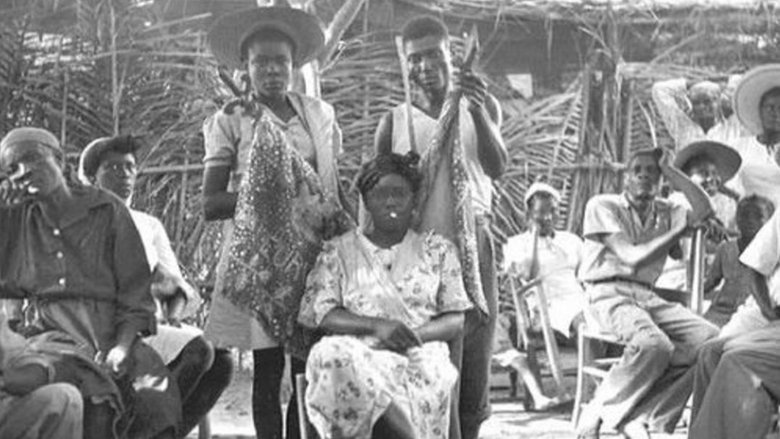
This intimate ethnographic study of Voudoun dances and rituals was shot by Maya Deren during her years in Haiti (1947-1951); she never edited the footage, so this “finished” version was made by Teiji Ito and Cherel Ito after Deren’s death.
Portrait of Lester Horton, a Los Angeles-based dancer, choreographer and teacher who trained many world-reknowned dancers and built the first American theater devoted permanently to dance. Former students and friends, including Bella Lewitzky, Alvin Ailey, and Carmen de Lavallade, help create a picture of Horton through interviews. Includes numerous dance excerpts.
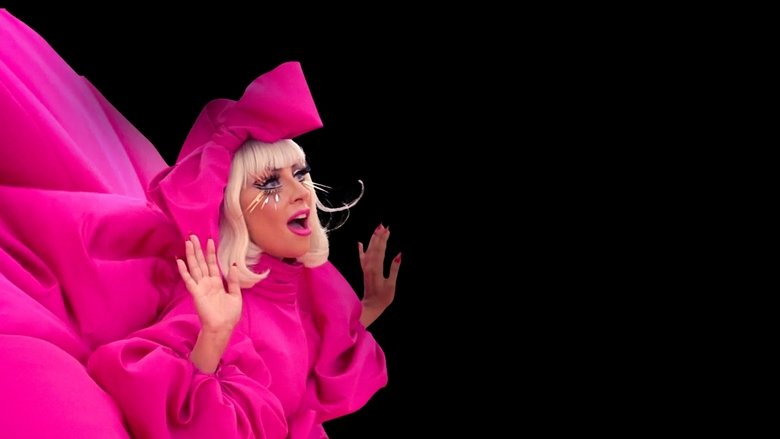
It's hard to define her. And that's precisely the way Lady Gaga wants it. Yes, Stefani Joanne Angelina Germanotta had a plan to remake herself into an outrageous icon. It began with Italian Catholic New York City roots then expanded to glam pop, electronic rock, burlesque and even jazz alongside nonagenarian crooner, Tony Bennett. Piano lessons began at age four and taught Stefani to create music by ear. There were lead roles in high school standard Broadway show productions then open mic nights at downtown clubs and 1 1/2 years of formal training at N.Y.U.'s Tisch School of the Arts. Even a rape at age nineteen slowed but did not stop the mission that would yield over 200 million combined album and song sales. No wonder that Gaga's fans call her "Monster Mother." An outrageous fashion sense has wrought costumes made of plastic bubbles and raw meat. While elaborate videos and spectacular stage sets are the norm,
Urban is a short documentary on the importance of dance in shaping the identity of five young adolescent girls. In the Susp3ctz dance crew, they learn the basics of hip hop, house, krump, in order to learn to freestyle and reveal their own identity.