
Hugo Sánchez : Sueños de Gol
A retrospective of the career of Hugo Sanchez at Real Madrid.
A retrospective of the career of Hugo Sanchez at Real Madrid.
 Hugo SánchezSelf
 Emilio ButragueñoSelf
 Javier AguirreSelfAlfonso PérezSelf
Through dances and games, migrant boys and girls who live in a shelter in Reynosa, on the US-Mexico border, shared their dreams and stories of hope with us.

Academy Award®-winning filmmaker Errol Morris confronts one of the darkest chapters in recent American history: family separations. Based on NBC News Political and National Correspondent Jacob Soboroff’s book, Separated: Inside an American Tragedy, Morris merges bombshell interviews with government officials and artful narrative vignettes tracing one migrant family’s plight. Together they show that the cruelty at the heart of this policy was its very purpose. Against this backdrop, audiences can begin to absorb the U.S. government’s role in developing and implementing policies that have kept over 1300 children without confirmed reunifications years later, according to the Department of Homeland Security.

Cenotes—sources of water that in ancient Mayan civilization were said to connect the real world and the afterlife. The past and present of the people living in and around them intersect, and distant memories echo throughout immersive scenes of light and darkness.
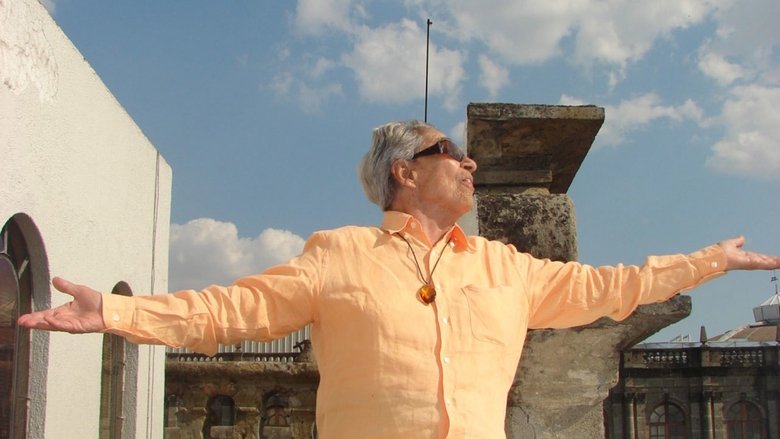
Inspired by an exclusive interview and performance footage of Chavela Vargas shot in 1991 and guided by her unique voice, the film weaves an arresting portrait of a woman who dared to dress, speak, sing, and dream her unique life into being.
In this documentary film a team of researchers examine the social contexts that influenced the emergence and permanence of heavy metal music in Chile, Argentina, Mexico and Peru. Colonialism, dictatorships, terrorism and neoliberal exploitation serve as points of reference for how heavy metal in the region has been directly linked to each country's social and political context.
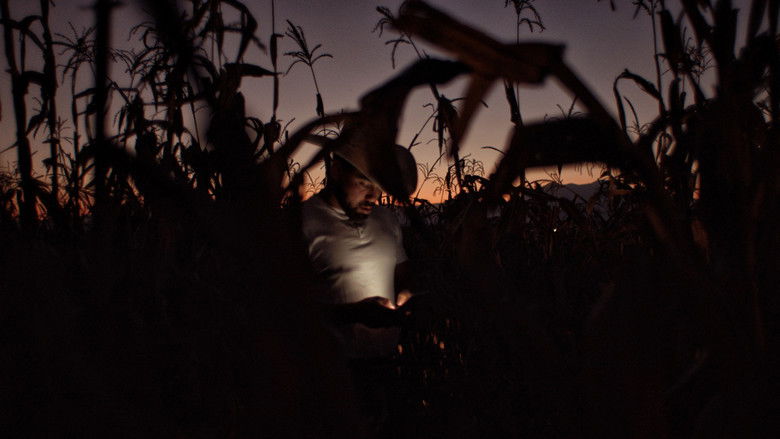
Set against the vibrant spectacle of the jaripeo, a symbol of Mexican cowboy tradition and machismo, this story unveils a hidden world of queer desire and quiet rebellion. As glances and gestures disrupt the rigid norms of masculinity, the rodeo becomes a stage for our protagonists to navigate identity, community, and the search for belonging in an oppressively traditional space.

Mexico, March 2015. Carmen Aristegui, incorruptible journalist, has been fired from the radio station where she has worked for years. Supported by more than 18 million listeners, Carmen continues her fight. Her goal: raising awareness and fighting against misinformation. The film tells the story of this quest: difficult and dangerous, but essential to the health of democracy. A story in which resistance becomes a form of survival.
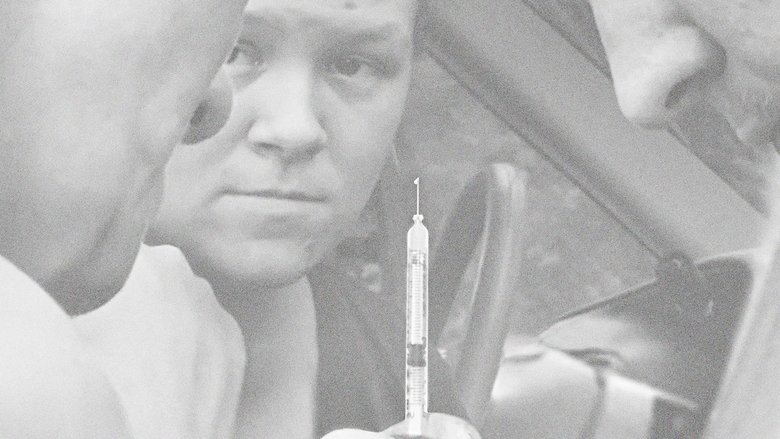
As police and DEA agents battle sophisticated cartels, rural, economically-disadvantaged users and dealers–whose addiction to ICE and lack of job opportunities have landed them in an endless cycle of poverty and incarceration–are caught in the middle.
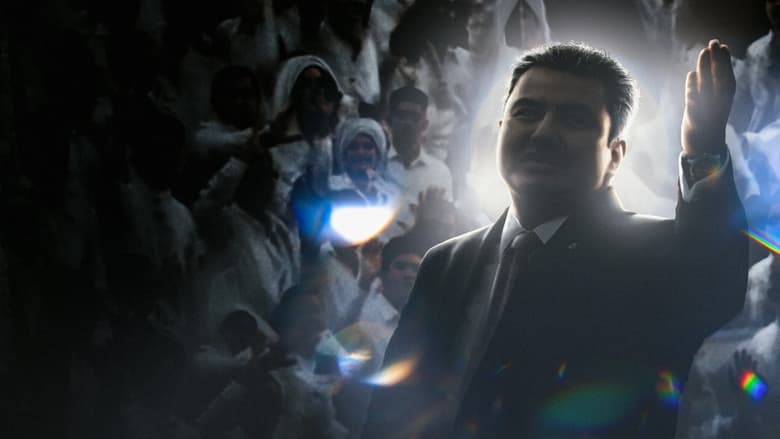
For the first time, complainants against La Luz del Mundo megachurch leaders expose the abuses they suffered through exclusive interviews.
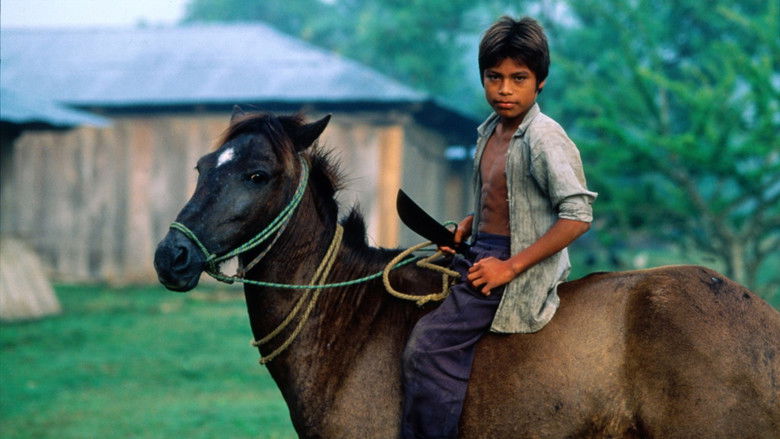
In 1994, the Zapatista National Liberation Army, made up of impoverished Mayan Indians from the state of Chiapas, took over five towns and 500 ranches in southern Mexico. The government deployed its troops and at least 145 people died in the ensuing battle. Filmmaker Nettie Wild travelled to the country's jungle canyons to film the elusive and fragile life of this uprising.

Monarch butterflies have brought hope to the darkest times of people's lives. In Mexico, when they arrive for Day of the Dead, they are thought to be souls of the departed. Coincidence?
Takeda is a film about the universality of the human being seen thru the eyes of a Japanese painter that has adopted the Mexican culture.

As was common in Diaz's Mexico, a young hacienda worker finds his betrothed imprisoned and his life threatened by his master for confronting a hacienda guest for raping the girl. This film is the first of several attempts to make a feature-length motion picture out of the 200,000-plus feet of film shot by Sergei Eisenstein, on photographic expedition in Mexico during 1931-32 for Upton Sinclair and a cadre of private American producer-investors. Silent with music and English intertitles.
This Traveltalk series short chronicles the sights and sounds on a train ride from Veracruz to Mexico City.
This Traveltalk short visits southern Mexico.
Jesus 'Chuy' Aceves and a dozen living members of his extended family suffer from the very rare condition of congenital hypertrichosis, meaning they were born with excessive hair on their faces and bodies. Due to their appearance, they suffer from discrimination in all areas of their lives: the children are made fun of at school and abandoned by their 'non-hairy' parents, and the adults cannot find work unless they choose to exhibit themselves as freaks in circuses. This moving and visually arresting documentary is a portrait of Chuy and his family members. It examines their day-to-day lives and their struggle to find love, acceptance and employment.
Is the story of a generation of thieves who achieved their greatest victories in the sixties; their distinctive code of ethics, the various categories of delinquents inhabiting the citys streets, their alliances with high ranking police officials that allowed them to operate, the betrayals that followed, and the price they ended up paying.
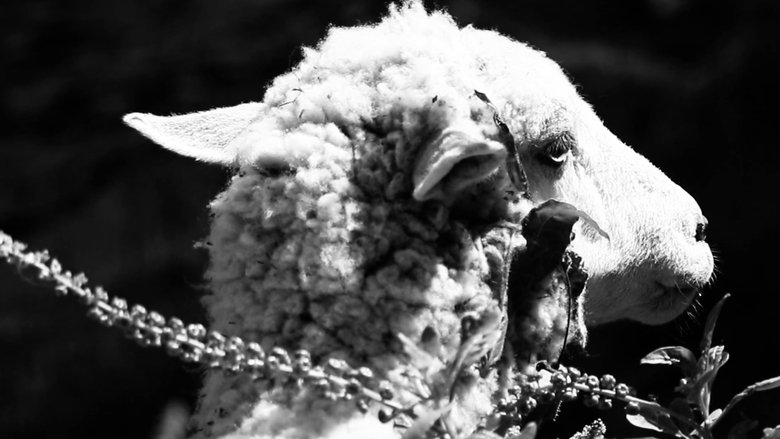
“Aguas Negras” is an experimental documentary about the Cuautitlán River. The film examines the passage of time and the pollution of the river by focusing on conversations with multiple generations of women in the filmmaker's family that have grown up by the river in a municipality identified as having the highest perception of insecurity in the State of Mexico.
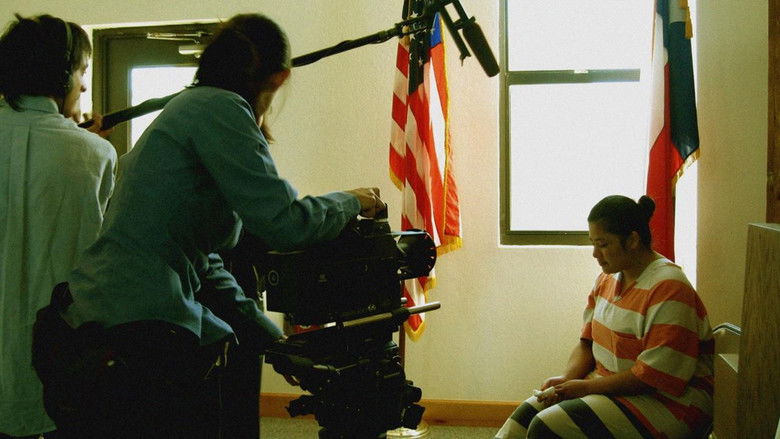
Rosa is a Mexican woman who, at the age of 17, migrated illegally to Austin, Texas. Some years later, she was jailed under suspicion of murder and then taken to trial. This film demonstrates how the judicial process, the verdict, the separation from her family, and the helplessness of being imprisoned in a foreign country make Rosa’s story an example of the hard life of Mexican migrants in the United States.