
Master Gholamreza
The story of master craftsman Gholamreza, a skilled metalworker who, after overcoming addiction in an unconventional rehab, becomes an inspiration to others.
The story of master craftsman Gholamreza, a skilled metalworker who, after overcoming addiction in an unconventional rehab, becomes an inspiration to others.
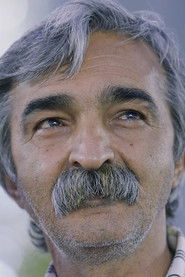 Gholamreza GhassemiSelf
Christian, Finn and Moritz became addicted to drugs as teenagers. In 1999, the film "Bismuna - Ein Abenteuerfilm" was made about the three teenagers and their counselor as they traveled to an indigenous tribe for the drug cure. Now, some 10 years later, it shows what the men have done with their lives.
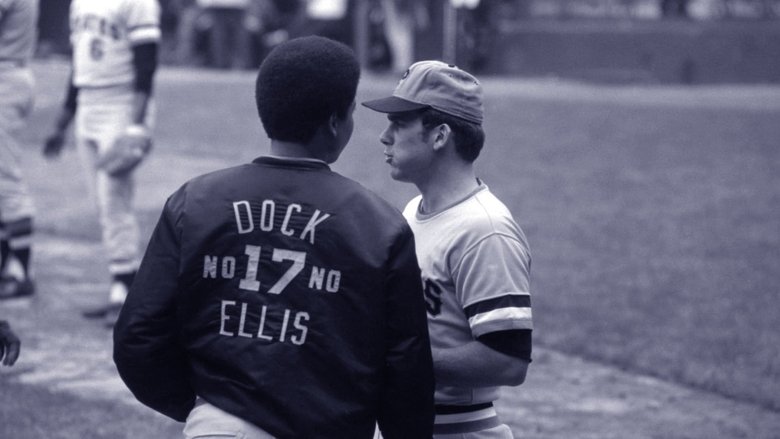
Dock Ellis pitched a no-hitter on LSD, then worked for decades counseling drug abusers. Dock's soulful style defined 1970s baseball as he kept hitters honest and embarrassed the establishment. An ensemble cast of teammates, friends, and family investigate his life on the field, in the media, and out of the spotlight.
Tim Landers, a prolific songwriter and founding member of the emo/pop-punk band TRANSIT, struggled. He fought battles, often privately, with substance misuse and his own mental health needs. "Don’t Forget To Leave" paints a poignant portrait of Landers, from his early success up until the posthumous release of Weathervane by his band Cold Collective. His story is chronicled through archival footage and interviews with members of A Loss For Words, The Story So Far, Frank Turner, Man Overboard, Transit and Cold Collective, family members and mental health professionals.
Elvis and Priscilla are one of the most famous celebrity couples of all time. But the story that lies beneath the glamorous facade is more toxic than what first meets the eye. Elvis has defined Pricilla's life. His comment that she was "young enough that he could train her any way he wanted", in the end, came true. Though their relationship was bound by true love, what were the conditions that let it flourish?
Zuzia, a very sensitive teenager with an artistic talent, is struggling with a drug addiction. Her brother, the film director, decides to take a closer look at the family to understand what might have caused this difficult situation.

The documentary follows one woman's quest to overcome anxiety, depression, and opioid addiction through the use of psychedelic medicines.
Megacities is a documentary about the slums of five different metropolitan cities.

Once again, David Graham Scott examines how some addicts use the plant medicine iboga to detox rapidly—and how, sometimes, the conditions in which they detox put them at risk.

A cheap, powerful drug emerges during a recession, igniting a moral panic fueled by racism. Explore the complex history of crack in the 1980s.

“The Fight for the Soul of Seattle” examines the role of Seattle’s City Council in allowing the situation to reach what many experts consider epidemic levels under the guise of a compassionate approach to people who suffer from substance addiction and who commit crimes to feed their habit. It documents the heartbreaking condition of people on the streets, and the crushing decisions Seattle entrepreneurs are forced to contemplate as their life savings and dreams are destroyed by theft, vandalism and a dwindling customer base. This documentary also explores potential bold solutions to treat those living on the streets and pair them with agencies and assistance that can provide a clear path away from the endless circle of addiction and crime.

A spiritual journey into the highlands of Harar, immersed in the rituals of khat, a leaf Sufi Muslims chewed for centuries for religious meditations – and Ethiopia’s most lucrative cash crop today. A tapestry of intimate stories offers a window into the dreams of youth under a repressive regime.
Produced in 1967, this black and white film is an inmate's view of Daytop, a drug treatment centre on Staten Island, New York, where addicts learn to get along without drugs. Uncompromising, often brutal group therapy sessions are designed to shake loose the excuses a victim makes for himself. The people and situations shown are authentic; only one actor was employed. The results obtained at Daytop are regarded by some psychiatrists as a breakthrough.
Funk legend Sly Stone disappeared from the limelight for more than 20 years. Musicians and the media tried to find the recluse but failed. In 2005 Willem Alkema started searching for Sly. Sly didn't want to be found or filmed, but Willem didn't give up and finally followed Sly in his first steps on stage in decades.

Cocaine has always gotten a bad rap, and for a reason. It is a drug used by the rich and the poor legally and illegally, Mexican cartels fought over it with Colombia once associated with the brutal cocaine wars, and a source of tension between the American and Mexican borders on the people who are illicitly bringing in cocaine from one side of the border to another and will do anything to do it. So it can be surprising at times to the viewer throughout the course of the documentary special, that it was never always like this.
In the late 1990s, some officers at Vancouver Police Department made a documentary film (THROUGH A BLUE LENS) about the everyday lives of six drug addicts in Vancouver's skid row, the Downtown Eastside. TEARS FOR APRIL reintroduces us to these six people; with footage shot over a period of nearly ten years, it continues their biography.

The life and career of the hailed Hollywood movie star and underappreciated genius inventor, Hedy Lamarr.
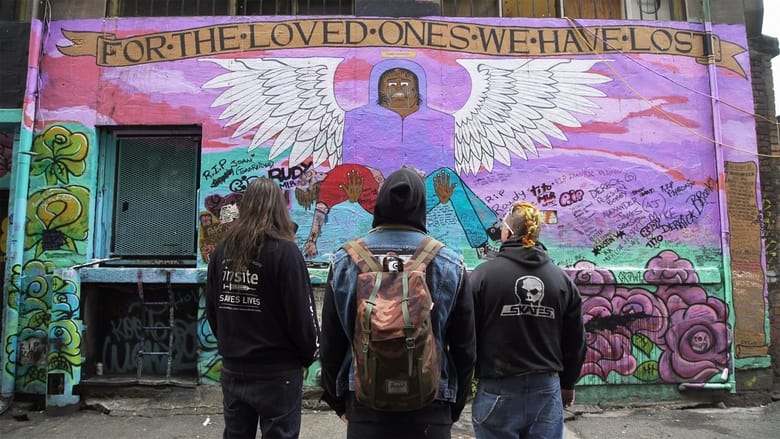
An intimate portrait of a community fighting to save lives and keep hope alive in a neighborhood ravaged by the overdose crisis.
Crossing The Line is the tragic yet uplifting story of athletics prodigy Danny Harris, and his battles with his demons on and off the track.

An unflinching look at the life and story of Mark Kerr between 1999 and 2001, an intelligent, articulate, and emotionally vulnerable athlete, considered by many at the time to be the most dominant ultimate fighter in the world. A former Olympic wrestler, Kerr easily dominated all his opponents, earning him the nickname "The Smashing Machine." With the promise of big money and the euphoria of his early victories, Kerr must battle his injuries and inner fears. The shock of these fights takes a heavy toll on his body and mind, and Kerr attempts to overcome these physical and psychological traumas by turning to painkillers. Kerr's addiction is shown in its raw form, with the camera capturing him desperately soliciting drugs from friends and staff, and injecting painkillers into his veins. His shocking defeat to Fujita in Japan shows us a story that is sometimes difficult and heartbreaking to watch.