
Megalopolis I (1963)
First film by Pim de la Parra, about a young Surinamese man in Amsterdam who delivers a “monologue interior” about his dissatisfaction with society and his position as an outsider.
First film by Pim de la Parra, about a young Surinamese man in Amsterdam who delivers a “monologue interior” about his dissatisfaction with society and his position as an outsider.
Rudi F. KrossHimselfHansje de GraafHerselfGerard van der KuypHimself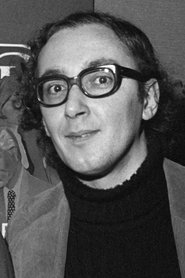 Pim de la ParraHimself
Bas Jan Ader rides his bike into a canal in Amsterdam.

21st century legal prostitution through the frank stories of Amsterdam red-light district sex workers at a time when tighter regulation threatens their livelihood.
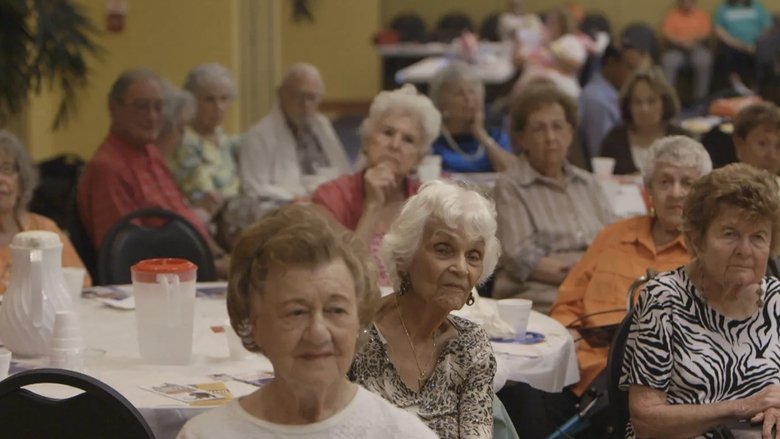
It’s the 2014 midterms and residents of a South Florida retirement community feel the weight of democracy on their shoulders. In one of the most influential counties of America’s largest swing state, these political kingmakers trade their golf clubs for clipboards and hit the pavement to get out the vote. A GREATER SOCIETY is a feature documentary to inspire voter turnout. Inside the gates of Wynmoor Village are three miles of manicured lawns lined with palm trees, a golf course, and carefully maintained condominiums. At first glance, it’s just another retirement community where elders go to enjoy their golden years relaxing by the pool and taking ceramics classes; but look further and you’ll see that the people who live in this community share something unique: the power to have a real impact on national politics.
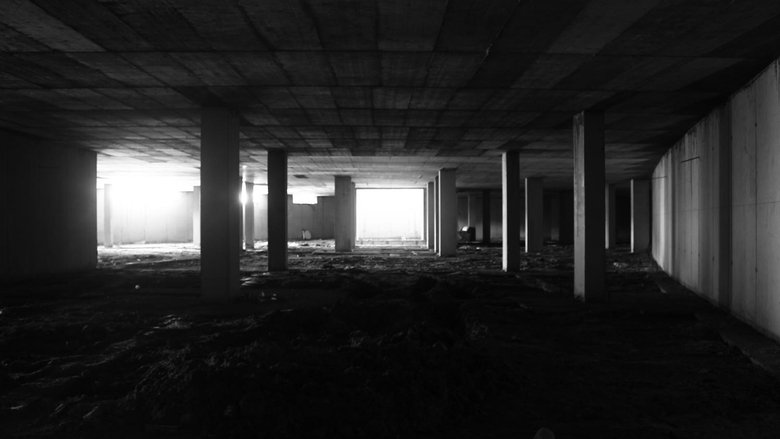
A ritual of grids, reflections and chasms; a complete state of entropy; a space that devours itself; a vertigo that destroys the gravity of the Earth; a trap that captures us inside the voids of the screen of light: «That blank arena wherein converge at once the hundred spaces» (Hollis Frampton).
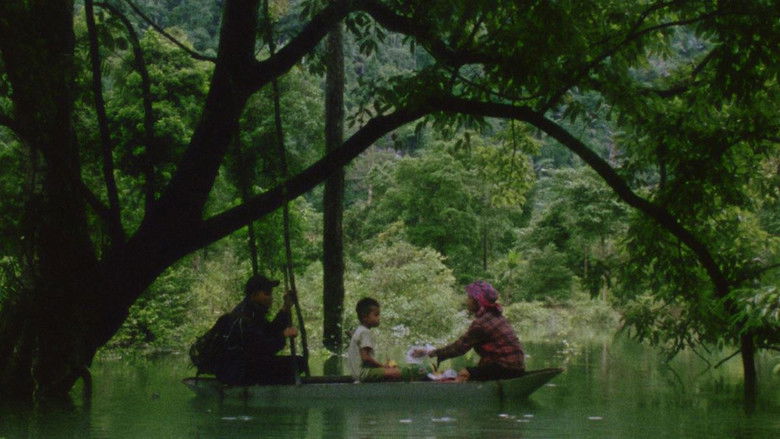
She was born in a cave, more than 60 years ago. Now she lives in a village, with many children and grandchildren to look after. Sometimes, she dreams of her dead mother calling her home – to the cave.
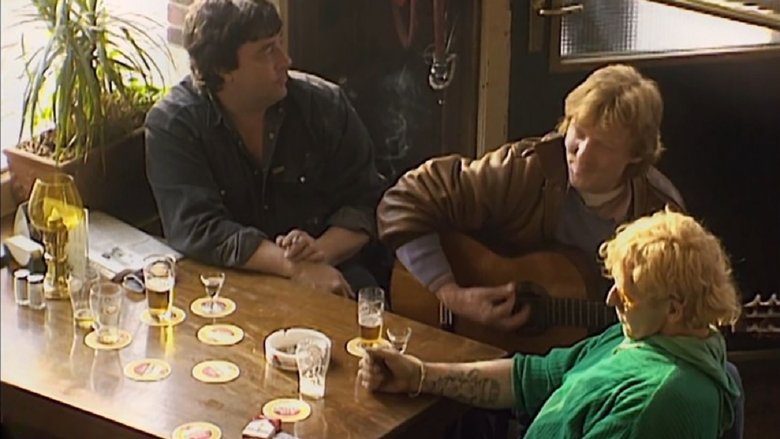
A documentary about three men in the criminal environment of Amsterdam as they deal with unemployment, probation, and divorce.

A new exploration of familiar places located in the region of Rhône and Isère throught an reinvention of digital nuances, a study of perceptions and fluidity around the nature of motion in landscapes and human interactions.
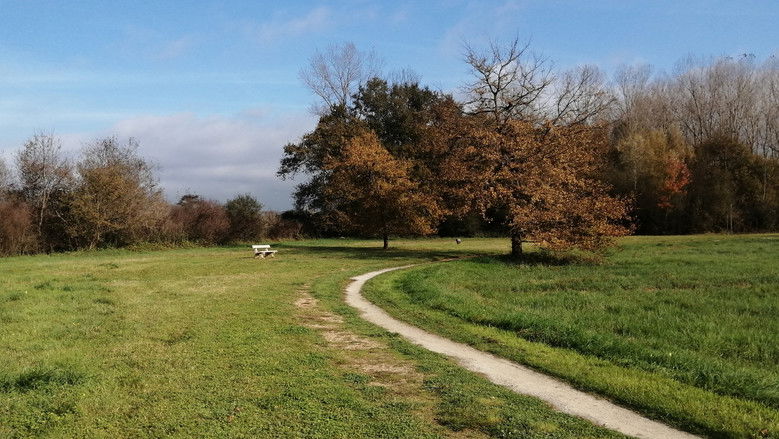
Fifteen images of a camera running in a park and in obscurity searching the space of light through distorsion and the sensory of rapid motion.
Electofrenia (1978), Neri's third political film, requires a critical distance in order to consider the reasons why Venezuelans choose their presidential candidate in the 1978 election. Electofrenia, signifying the chaos of the elections, proposes that many Venezuelans select the candidate who benefits them personally rather than the one who is good for the country at large. Not without irony, the film brings up Venezuela's two decades of peaceful democratic government. If people choose what is good for them, can we call it a democracy?
In THE COLOR OF FEAR, eight American men participated in emotionally charged discussions of racism. In this sequel, we hear and see more from those discussions, in which the men talk about about how racism has affected their lives in the United States. We also learn more about the relationships between them, and about their reactions during some of the most intense moments of that discussion.
The dutchified Hungarian Joszef Katús returns, after a months-long absence, to Amsterdam on 29 April 1966. The arrival of the Provos changed a great deal in the Dutch capital. The film follows Katús, mostly roaming the streets, in a loose documentary style. The events are set against the backdrop of four national occasions - The Queen's Birthday, Labour Day, Liberation Day and Remembrance Day.
Since the fall of the Iron Curtain an estimated four million children have found themselves living on the streets in the former countries of the Soviet Union. In the streets of Moscow alone there are over 30,000 surviving in this manner at the present time. The makers of the documentary film concentrated on a community of homeless children living hand to mouth in the Moscow train station Leningradsky. Eight-year-old Sasha, eleven-year-old Kristina, thirteen-year-old Misha and ten-year-old Andrej all dream of living in a communal home. They spend winter nights trying to stay warm by huddling together on hot water pipes and most of their days are spent begging. Andrej has found himself here because of disagreements with his family. Kristina was driven into this way of life by the hatred of her stepmother and twelve-year-old Roma by the regular beatings he received from his constantly drunk father. "When it is worst, we try to make money for food by prostitution," admits ...
'Fired Up, Ready To Go' follows a number of hopeful and, above all, fanatical grassroots campaigners in New York who are committed to Obama's presidency. A documentary that does not look at Obama's closest associates, but rather at the people on the ground. People who sacrifice a lot to make Obama the first black president of the US.
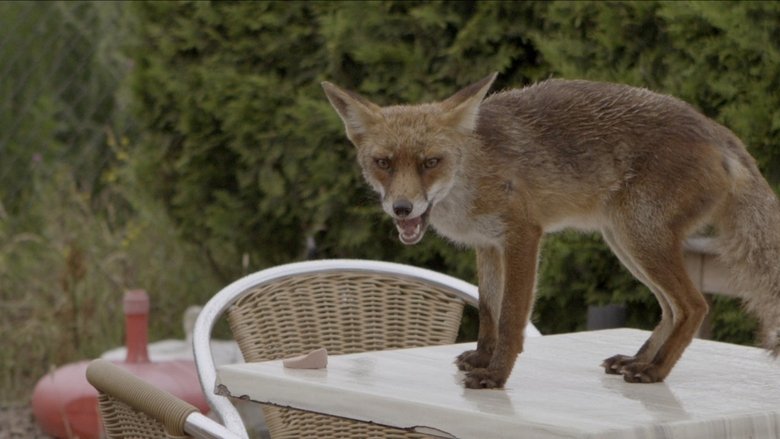
The city from the unique perspective of the many wild animals and plants that inhabit it. Seen through the eyes of the adventurous urban cat, Abatutu.

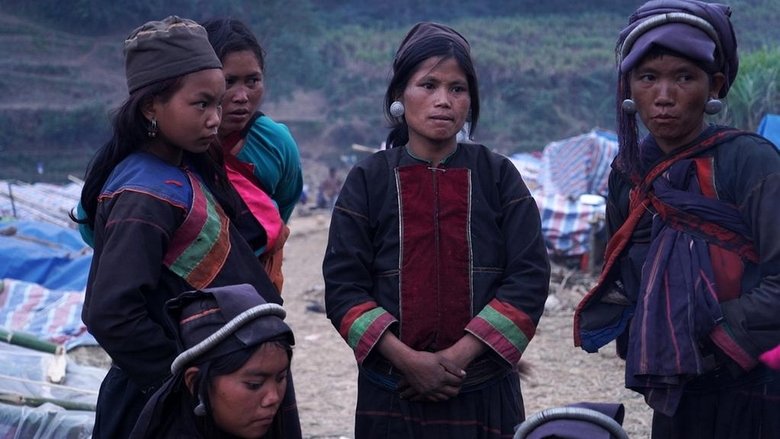
The Ta'ang or Palaung people, an ethnic minority living in the mountainous area between Myanmar's Kokang region and China's Yunnan province, have historically suffered many forced migrations due to war. When their survival is threatened again in 2015, thousands of them flee across the border. Filmmaker Wang Bing accompanies them and becomes a privileged witness to a human story that is both a modern reportage and a mythical epic.

A backstage and on-stage look at Nicki Minaj's career during the Pink Friday Tour, festivals, and more.

This Traveltalks entry looks at the sights, sounds, people, and art masterpieces in the capital of the Netherlands.
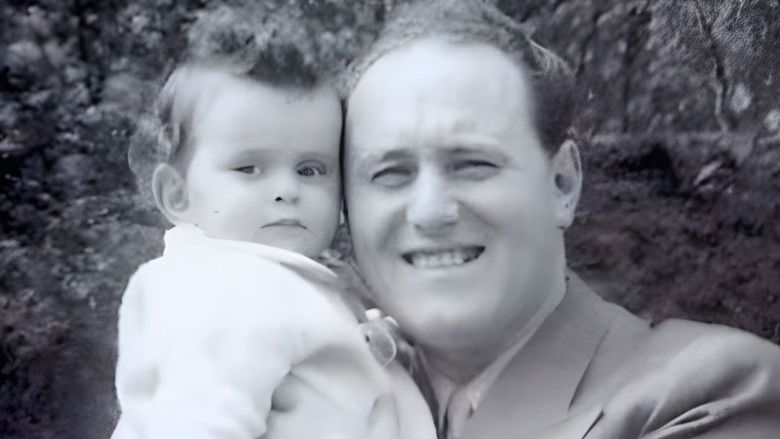
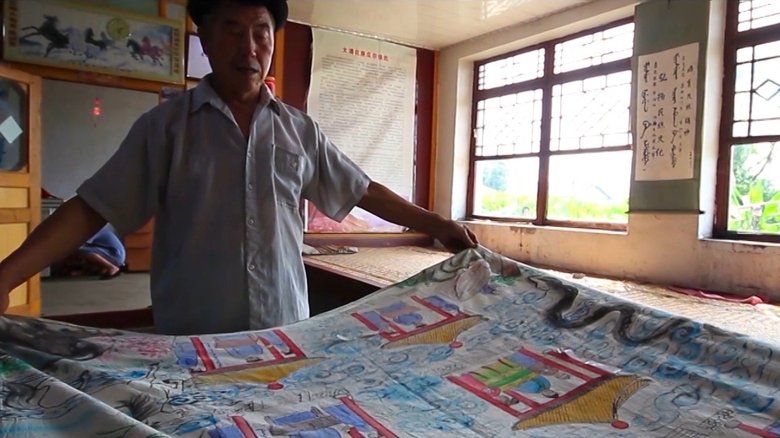
During the Cultural Revolution in China in the late 20th century, ethnic Manchu people were persecuted and forced to give up such cultural traditions as the shaman dance (tiao tchin, meaning "spirit-jumping" or "god's dance"). However, on Changbai Mountain in Northeast China, a farmer named Guan Yunde decided to start designing and building traditional Manchu shaman drums. At age 70, he is one of a minority of ethnic Manchu people in China's Jilin province, and one of the few people keeping the Manchu shamanic tradition alive.