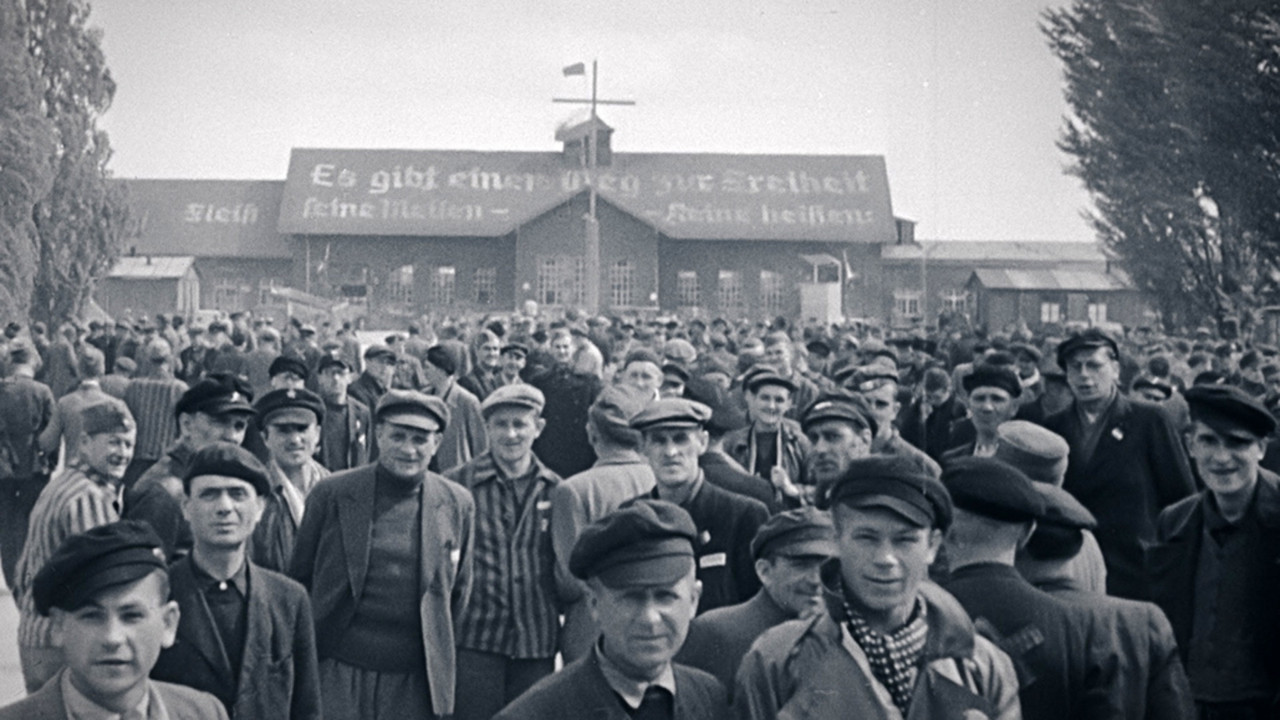
Similar to Les survivants, l'impossible départ après la Shoah

Little Ships - The Miracle of Dunkirk (2010)
To mark the 70th anniversary of the Dunkirk evacuation, Dan Snow tells the story of the 'little ships' which made the perilous cross-channel voyage, as 50 of them return to France.

Radical Evil (2014)
Das radikal Böse is a German-Austrian documentary that attempted to explore psychological processes and individual decision latitude "normal young men" in the German Einsatzgruppen of the Security Police and SD, which in 1941 during the Second World War as part of the Holocaust two million Jewish civilians shot dead in Eastern Europe.
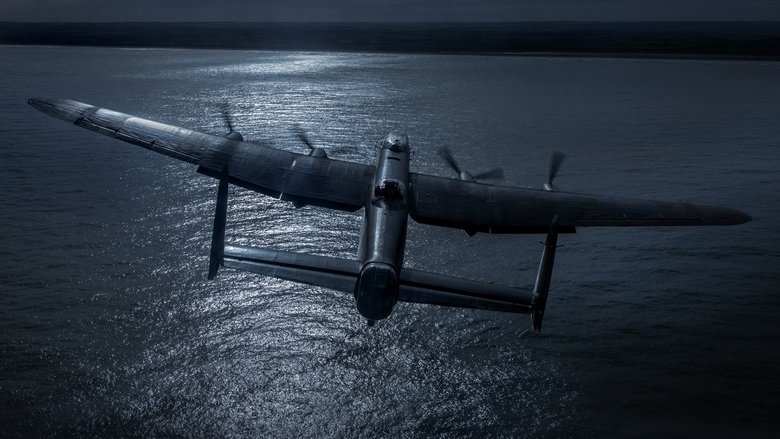
Lancaster (2022)
The story of the iconic WW2 bomber told through the words of the last surviving crew members, re-mastered archive material and extraordinary aerial footage of the RAF’s last airworthy Lancaster.
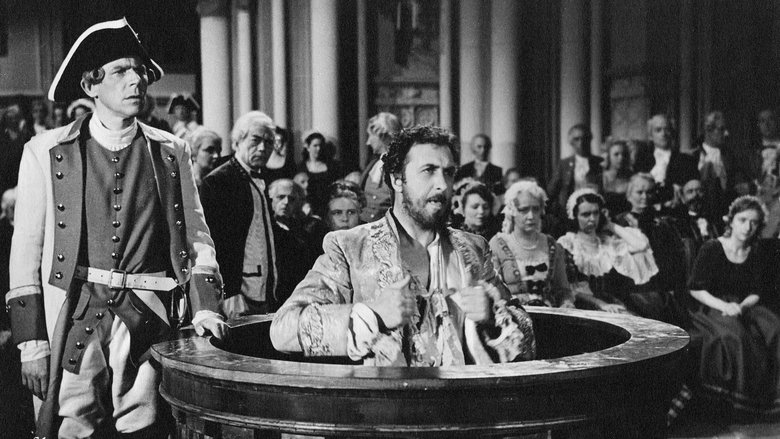
Süss, the Jew (1940)
Nazi historical drama about Duke Karl Alexander of Württemberg and his treasurer Süß Oppenheimer.
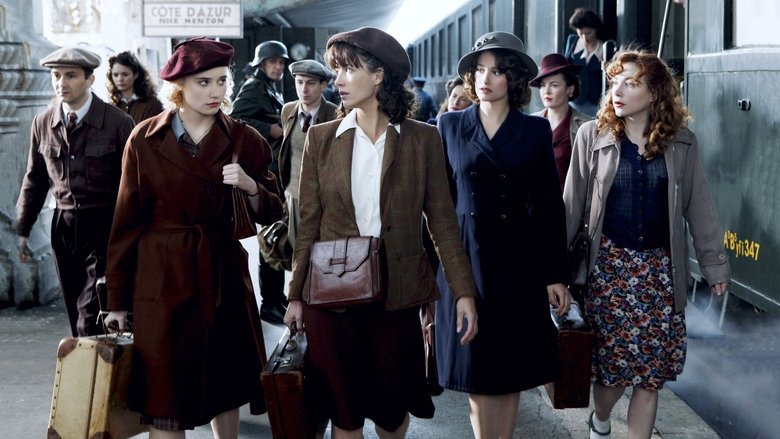
Female Agents (2008)
May 1944, a group of French servicewomen and resistance fighters are enlisted into the British Special Operations Executive commando group under the command of Louise Desfontaines and her brother Pierre. Their mission, to rescue a British army geologist caught reconnoitering the beaches at Normandy.

The Girl with the Instagram (2019)
Nagyvárad, Hungary, 1944. From February to June, Eva Heyman, a 13-year-old Jewish girl, wrote a diary describing the harsh conditions of her life under Nazi occupation. How would she have told her story if she had used Instagram?
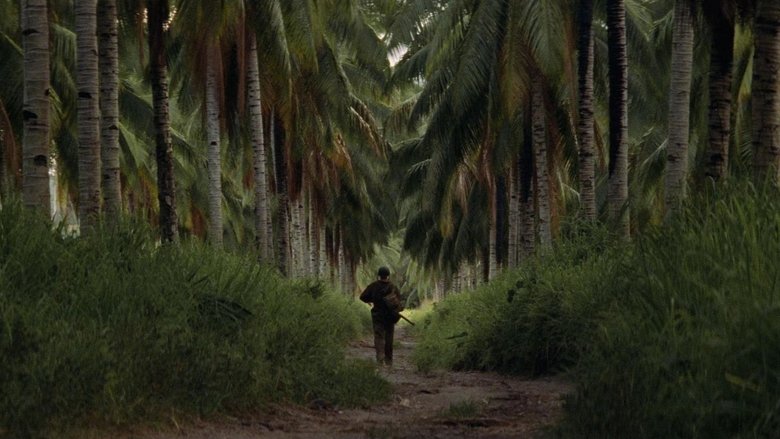
The Thin Red Line (1998)
The story of a group of men, an Army Rifle company called C-for-Charlie, who change, suffer, and ultimately make essential discoveries about themselves during the fierce World War II battle of Guadalcanal. It follows their journey, from the surprise of an unopposed landing, through the bloody and exhausting battles that follow, to the ultimate departure of those who survived.

Breakpoint: A Counter History of Progress (2019)
An account of the last two centuries of the Anthropocene, the Age of Man. How human beings have progressed so much in such a short time through war and the selfish interests of a few, belligerent politicians and captains of industry, damaging the welfare of the majority of mankind, impoverishing the weakest, greedily devouring the limited resources of the Earth.

The Dam Busters (1955)
The story of the conception of a new British weapon for smashing the German dams in the Ruhr industrial complex and the execution of the raid by 617 Squadron 'The Dam Busters'.
The Liberation of Auschwitz (1986)
This chilling, vitally important documentary was produced to mark the 40th anniversary of the liberation of Auschwitz Concentration Camp. The film contains unedited, previously unavailable film footage of Auschwitz shot by the Soviet military forces between January 27 and February 28, 1945 and includes an interview with Alexander Voronsov, the cameraman who shot the footage. The horrifying images include: survivors; camp visit by Soviet investigation commission; criminal experiments; forced laborers; evacuation of ill and weak prisoners with the aid of Russian and Polish volunteers; aerial photos of the IG Farben Works in Monowitz; and pictures of local people cleaning up the camp under Soviet supervision. - Written by National Center for Jewish Film
Little Birds (2023)
Through dances and games, migrant boys and girls who live in a shelter in Reynosa, on the US-Mexico border, shared their dreams and stories of hope with us.

The Trouble with KanYe (2023)
Award-winning journalist Mobeen Azhar investigates music’s most troubling story. How did Kanye West go from one of America’s most celebrated artists to a megaphone for hate and division?
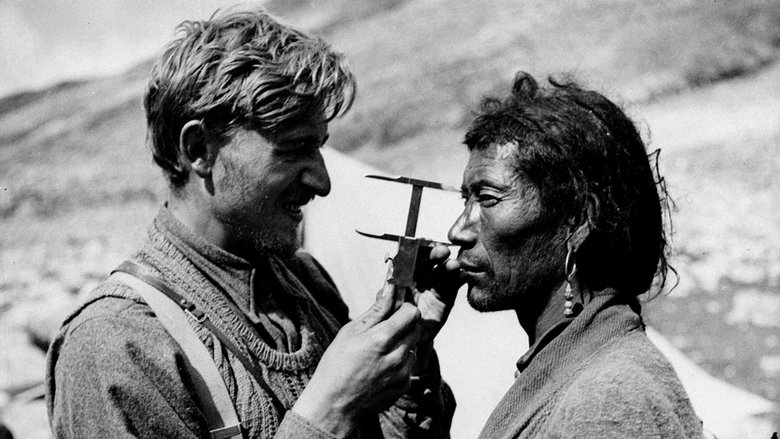
Hitler's Evil Science (2019)
In 1935, German scientists dug for bones; in 1943, they murdered to get them. How the German scientific community supported Nazism, distorted history to legitimize a hideous system and was an accomplice to its unspeakable crimes. The story of the Ahnenerbe, a sinister organization created to rewrite the obscure origins of a nation.
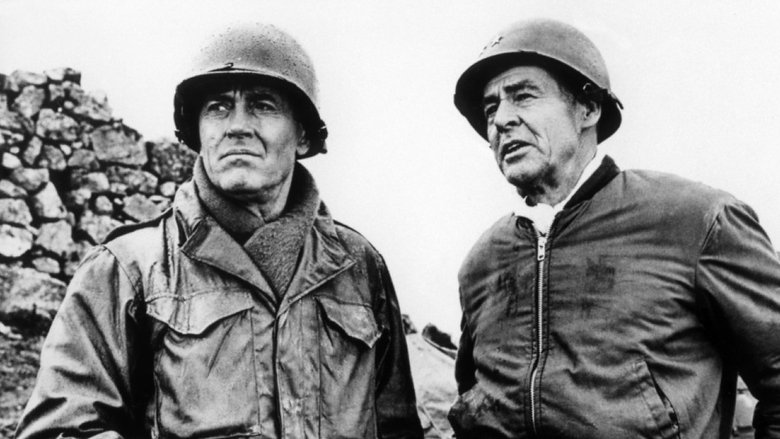
Battle of the Bulge (1965)
In the winter of 1944, the Allied Armies stand ready to invade Germany at the coming of a New Year. To prevent it, Hitler orders an all-out offensive to re-take French territory and capture the major port city of Antwerp.

Babi Yar. Context (2021)
Nazi troops massacre 30,000 Jews over a three-day period in September 1941. Babyn Yar ravine in Kyiv, Ukraine.
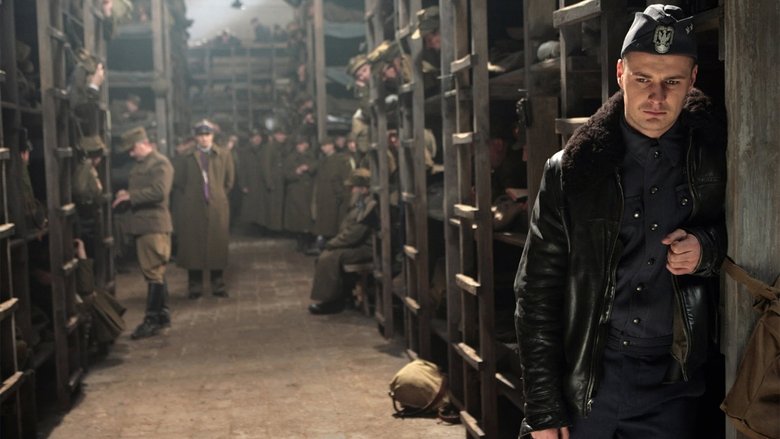
Katyn (2007)
On September 1st, 1939, Nazi Germany invades Poland, unleashing World War II. On September 17th, the Soviet Red Army crosses the border. The Polish army, unable to fight on two fronts, is defeated. Thousands of Polish men, both military and government officials, are captured by the invaders. Their fate will only be known several years later.
Old Man River (1999)
Documentary film version of the stage show in which actress Cynthia Gates Fujikawa explores the story of her father, actor Jerry Fujikawa, who had a long career in films and television, most often as a stereotyped Asian. The daughter, in the course of searching out her late father's history, discovers many things that she had not known, among them that her father had spent time in Manzanar, the internment camp for Japanese-Americans during World War II, that he had had a family prior to hers, and that somewhere out there was a sister she had never known existed.
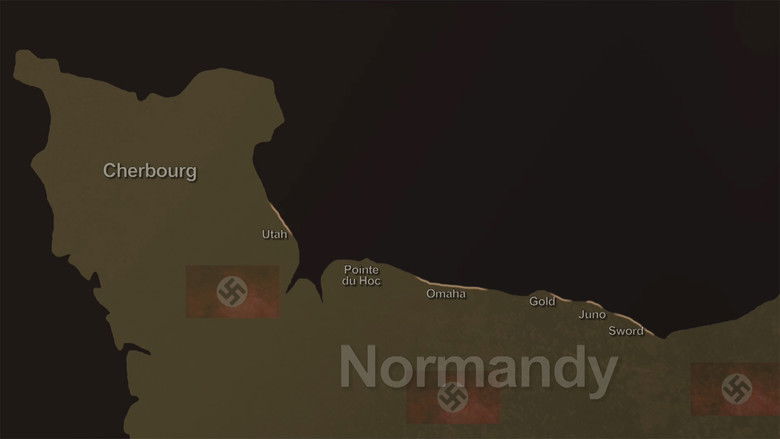
D-Day: Over Normandy (2017)
Narrated by the only 5-time Super Bowl winning head coach in NFL history, the New England Patriots Bill Belichick. The World War II Foundation hired one of France's top aerial Drone camera companies to film some of the most iconic locations in Normandy from D-Day. The result is some of the most spectacular scenes of the landing beaches and battlefields viewers have ever seen.
Łódź Ghetto (1989)
The Polish city of Łódź was under Nazi occupation for nearly the entirety of WWII. The segregation of the Jewish population into the ghetto, and the subsequent horrors are vividly chronicled via newsreels and photographs. The narration is taken almost entirely from journals and diaries of those who lived–and died–through the course of the occupation, with the number of different narrators diminishing as the film progresses, symbolic of the death of each narrator.
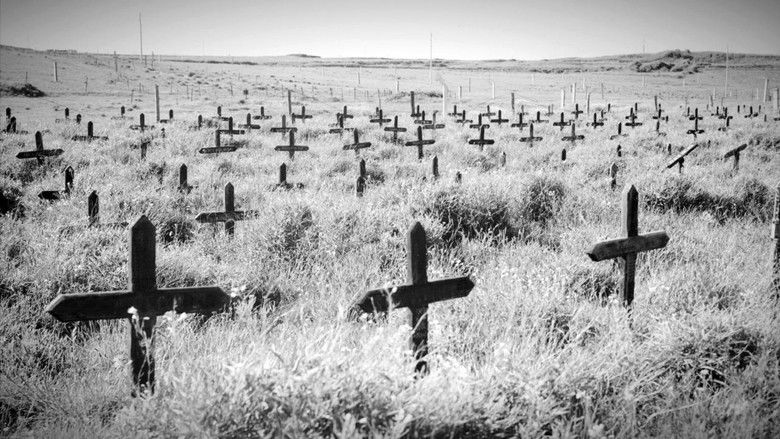
Adolf Island (2019)
Caroline Sturdy Colls, a world leader in the forensic investigation of Nazi crime scenes, is chasing clues to an unsolved case: a concentration camp that existed on the British island of Alderney. Witnesses and survivors claimed that thousands died there, but only 389 bodies have ever been found. Under heavy restrictions imposed by the local government, which may not want its buried secrets revealed, Colls must uncover the truth using revolutionary techniques and technologies.