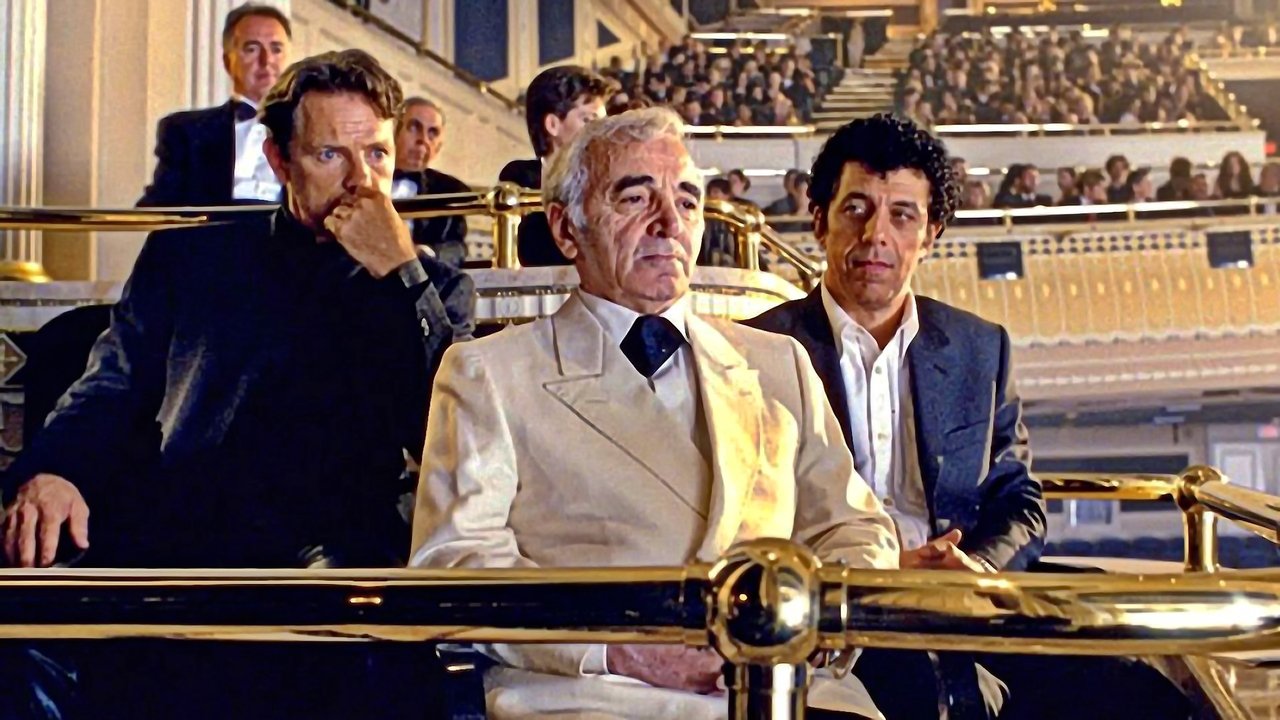
Ararat (2002)
Interrogated by a customs officer, a young man recounts how his life was changed during the making of a film about the Armenian genocide.
Interrogated by a customs officer, a young man recounts how his life was changed during the making of a film about the Armenian genocide.
 Simon AbkarianArshile Gorky
 Charles AznavourEdward Saroyan
 Christopher PlummerDavid
 Arsinée KhanjianAni
 David AlpayRaffi
 Marie-Josée CrozeCelia
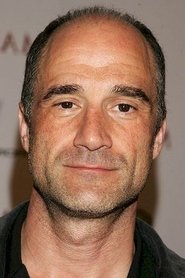 Elias KoteasAli / Jevdet Bay
 Brent CarverPhilip
 Max MorrowTony
 Christie MacFadyenJanet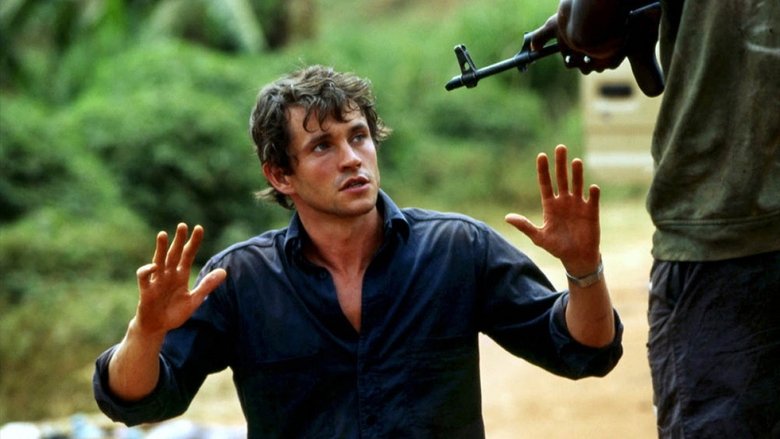
Two westerners, a priest and a teacher find themselves in the middle of the Rwandan genocide and face a moral dilemna. Do they place themselves in danger and protect the refugees, or escape the country with their lives? Based on a true story.
An account of the last two centuries of the Anthropocene, the Age of Man. How human beings have progressed so much in such a short time through war and the selfish interests of a few, belligerent politicians and captains of industry, damaging the welfare of the majority of mankind, impoverishing the weakest, greedily devouring the limited resources of the Earth.
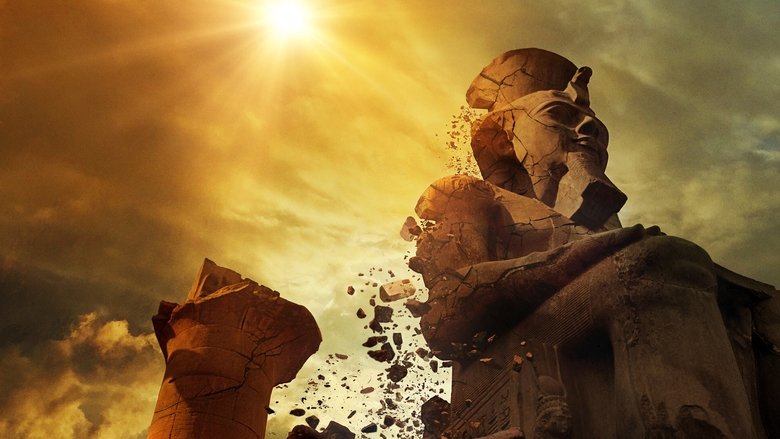
This explores the mysterious and catastrophic collapse of ancient civilizations during the late Bronze Age, from the Hittites to the Mycenaeans and the Egyptians, revealing the tumultuous events that brought an end to a thriving era of human history, and warns we may be facing similar threats today.
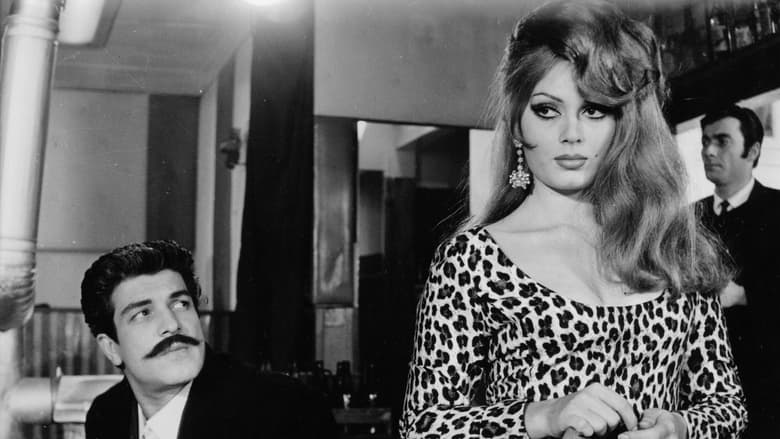
Halil the greengrocer goes to a nightclub with his friends one day to break the monotony of his life. There he meets Sabiha, one of the women working at the nightclub. They fall in love at first sight and begin living together. While Sabiha is making plans for the future with Halil, she learns a truth about him that she didn't know, and the forbidden love that began at the nightclub turns into a dead end filled with lies.
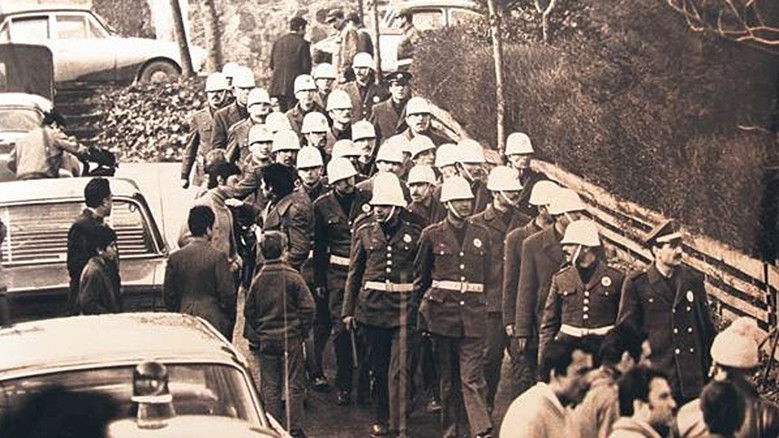
We are now saying goodbye to the 1960s. The 60's started eventfully on May 27. It ended as eventfully as it began. The '70s inherited escalating violence, student riots, and rumors of intervention. Prime Minister Demirel was trying to put out the fire in the street and to calm the increasingly restless army on the other. The October 1969 elections were held in this atmosphere and the Justice Party came out of the ballot box again. May 27 came by overthrowing the DP government, but the AP, which declared that three of the three elections held since the 1960s, were the continuation of the DP, emerged successfully. Demirel was about to roll up his sleeves for a new era. He felt that no one could stop him now. He was wrong. As he was dizzy from victory, he fell at Caesar's fault. Forgot about Brutus...
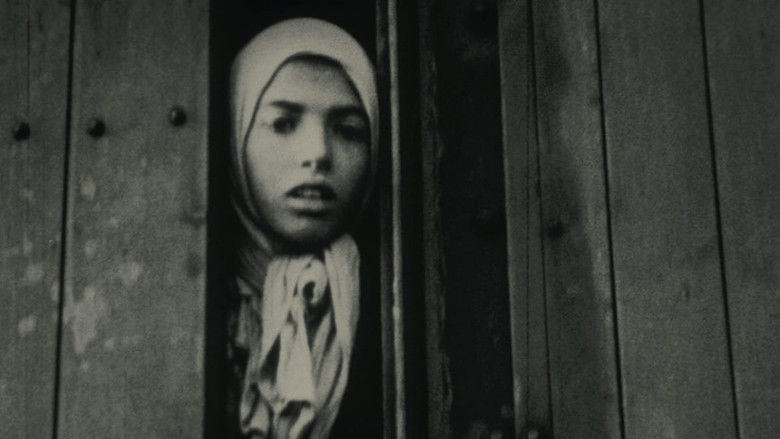
Filmmaker Alain Resnais documents the atrocities behind the walls of Hitler's concentration camps.
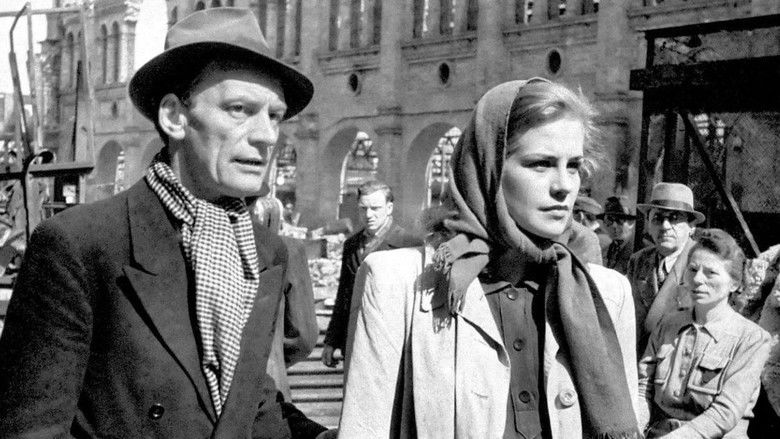
After returning from a concentration camp, Susanne finds a traumatized ex-soldier living in her apartment in bombed out Berlin. Together the two try to move past their experiences during WWII.
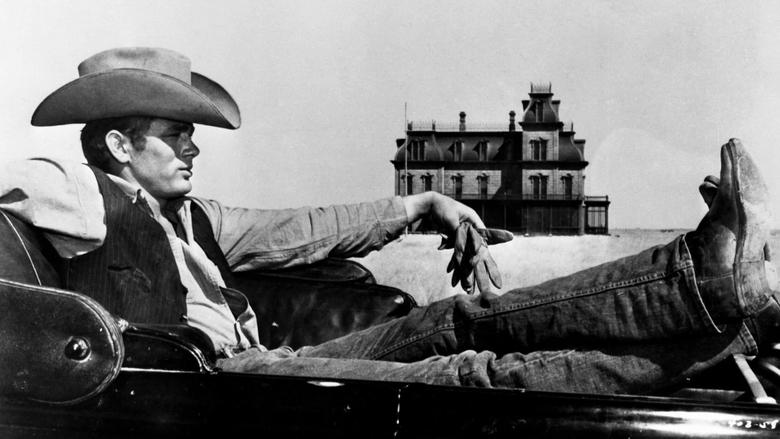
Wealthy rancher Bick Benedict and dirt-poor cowboy Jett Rink both woo Leslie Lynnton, a beautiful young woman from Maryland who is new to Texas. She marries Benedict, but she is shocked by the racial bigotry of the White Texans against the local people of Mexican descent. Rink discovers oil on a small plot of land, and while he uses his vast, new wealth to buy all the land surrounding the Benedict ranch, the Benedict's disagreement over prejudice fuels conflict that runs across generations.
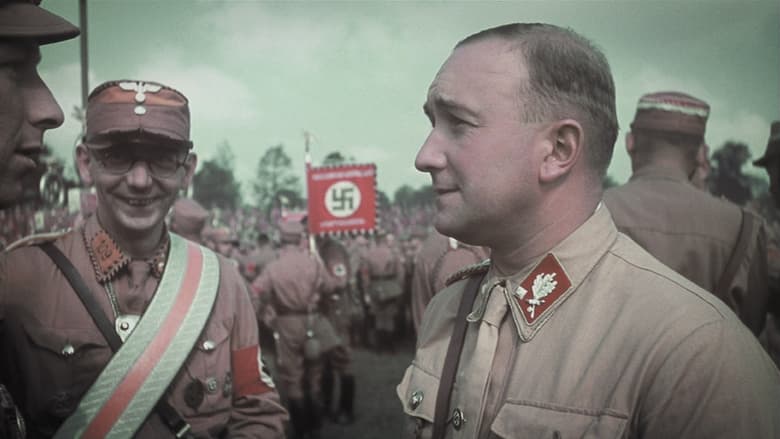
What would your family reminiscences about dad sound like if he had been an early supporter of Hitler’s, a leader of the notorious SA and the Third Reich’s minister in charge of Slovakia, including its Final Solution? Executed as a war criminal in 1947, Hanns Ludin left behind a grieving widow and six young children, the youngest of whom became a filmmaker. It's a fascinating, maddening, sometimes even humorous look at what the director calls "a typical German story." (Film Forum)
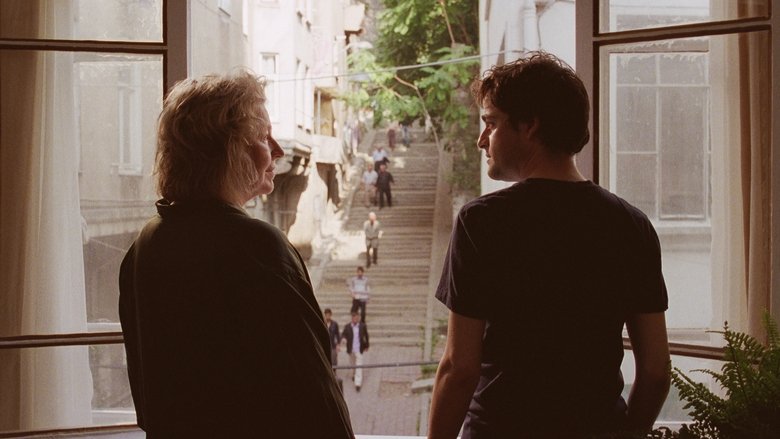
The lives of six German-Turkish immigrants are drawn together by circumstance: An old man and a prostitute forging a partnership, a young scholar reconciling his past, two young women falling in love, and a mother putting the shattered pieces of her life back together.
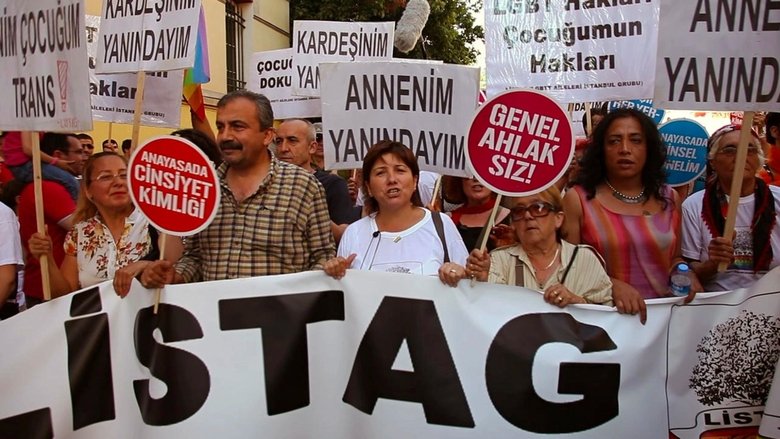
What happens when your child comes out to you? In this feature documentary, parents of lesbian, gay, bisexual and trans-gender individuals in Turkey intimately share their experiences with the viewer, as they redefine what it means to be parents in this conservative society.
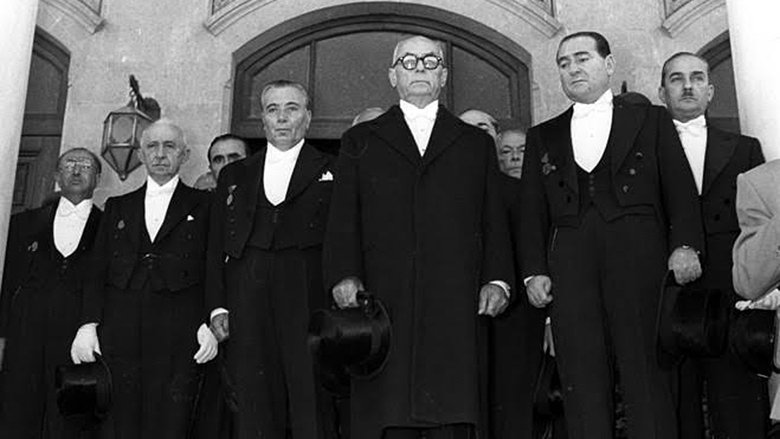
It's easy to say... After 23 years of single-party rule, Turkey decided to try democracy once again in 1946. In every attempt up to that time, the regime had been turned upside down and given up in a short time. Now a new one was coming. Would he be able to reach the multi-party regime that has been pursued since Atatürk this time? The calendar of democracy began to run on the morning of Monday, January 7, 1946. That day was a turning point in Turkish political history. The Republic of Turkey woke up with a single party in the morning, it was now multi-party...
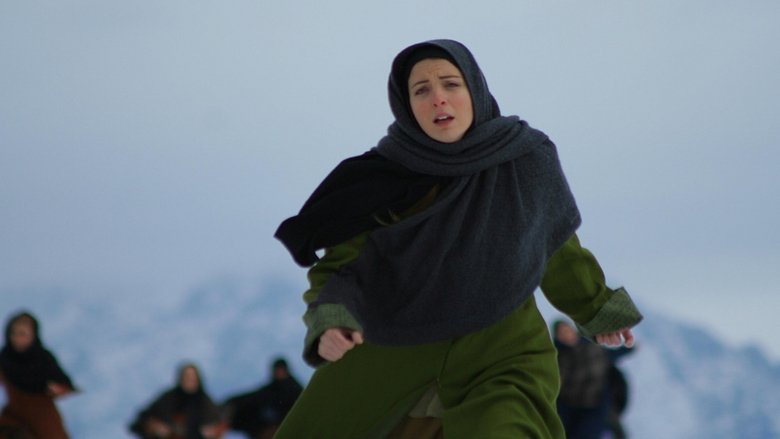
During the Sarikamis Battle, the Ottoman army runs out of ammunition and appeals to the people of Van for help, who happen to have supplies. However, the First World War is on and all men are fighting at four corners of the empire and therefore can not respond to to the appeal. The young children of Van want to do something...
In 1920s Turkey, a young peasant is smitten with a beautiful young girl, who has been promised in marriage to the fat, dullard cousin of the province's powerful and corrupt governor. When an assassination attempt is made against the official, the young man flees his village and joins up with a group of outlaws fighting against the wealthy and powerful landowners who control the lives of the locals and make life miserable for them. The outlaws' successes prompt the governor to call in the Turkish army to capture or kill them.
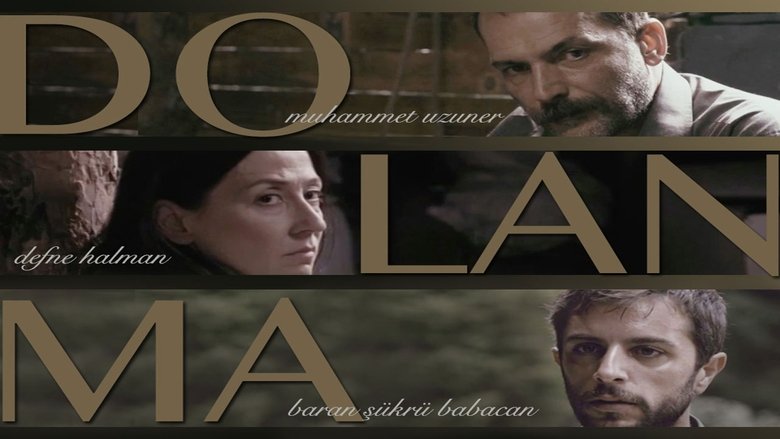
As woodsmen, brothers Kemal and Cemal struggle with an uncertain future, living in a house inherited by their father, on the outskirts of a village. Kemal has always been a father to his brother. Nalân, arrives one day with Kemal, and adopts the house as her own. Her presence soothes Cemal, who's shaken by his mother’s death.
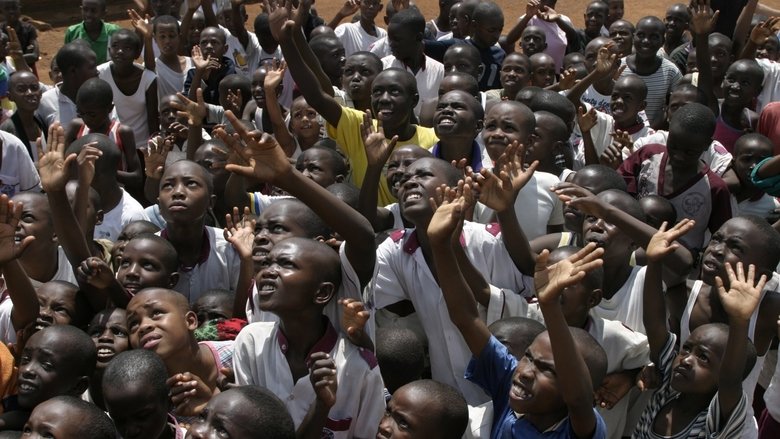
Two brothers are divided by marriage and fate during the 100 horrifying days of the 1994 Rwandan genocide.
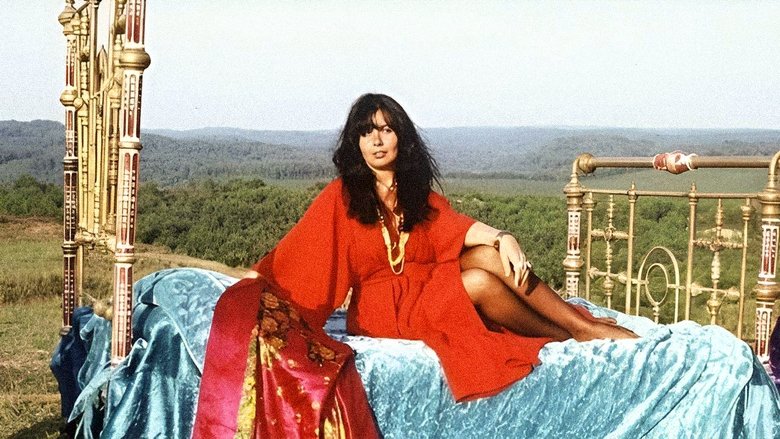
Hamlet returns home from drama school in United States, after the cold-blooded assassination of her father by her uncle, who has married Hamlet’s mother. After seeing her father’s ghost, Hamlet decides to feign insanity, in order to get to the truth.
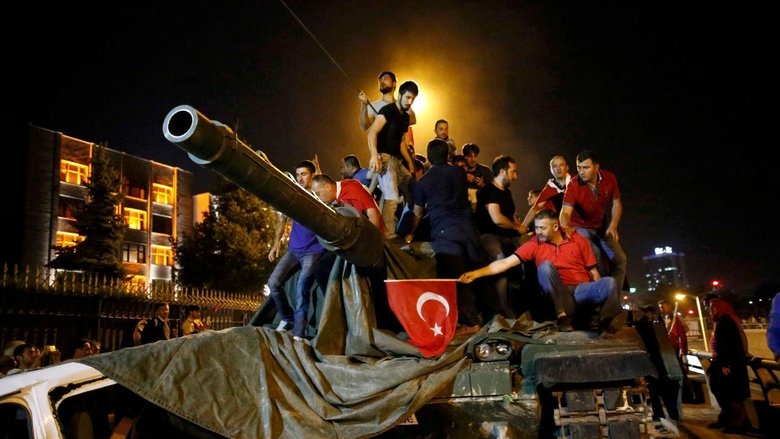
The night of July 15, 2016 changed the history of Turkey. On that day there were coordinated attacks by parts of the Turkish army, among others in Istanbul. The aim of the military: a coup against the government. The decisive confrontation occurred on the Bosporus Bridge. While President Erdogan was still on vacation, live at TV he called on the people who were devoted to him to stand against the military. As an enemy for the masses, he presented his adversary Fethullah Gülen, whom he branded as the coup leader. He also urged the imams of the country's mosques to condition the population to resist. And so it happens that at night thousands of agitated people take to the streets to oppose the armed insurgents. The death toll was high. 352 people died across Turkey during the attempted coup. The consequences are even more serious: Erdogan used this gift, as he called it himself, to undermine democracy, to arrange mass arrests of dissidents and to transform Turkey into a dictatorship.
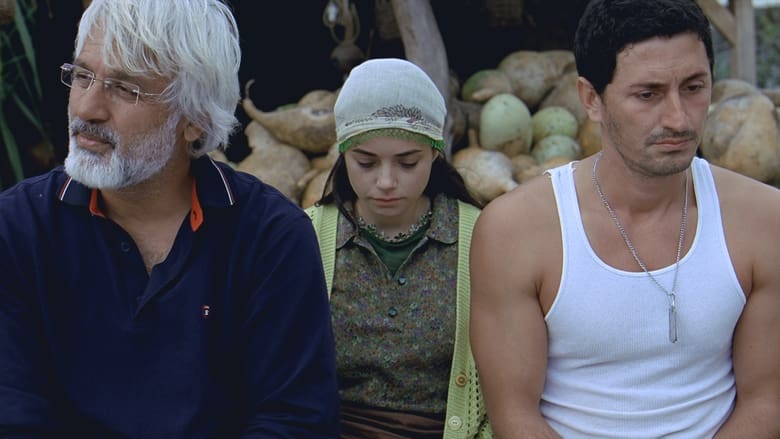
A young woman of about 17 years old, named Meryem (Ozgu Namal), has been raped, and her village's customs call for her to be killed to restore honor and dignity to her family and village. The eldest son of the village leader, Cemal (Murat Han), is ordered to take Meryem to Istanbul and kill her, but at the last minute he cannot complete the task.
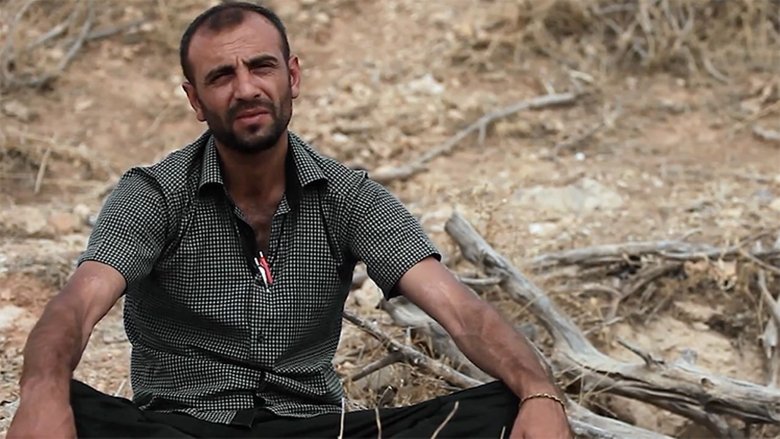
In the 1990s many people in Kurdistan were taken into custody and interrogated under torture; their killers disposed of the bodies by throwing them out of helicopters, or burying them in acid-filled wells. Thousands were murdered/disappeared by paramilitary forces—such as Jitem and Hizbul-Kontra—that were financed and supported by the state, though they have always stuck to the line: “We didn’t do it.” The documentary looks at the case of seven people, including four children, who were disappeared from the town of Kerboran [Dargeçit] in 1995, and tells the story of their families’ tireless search for their bones