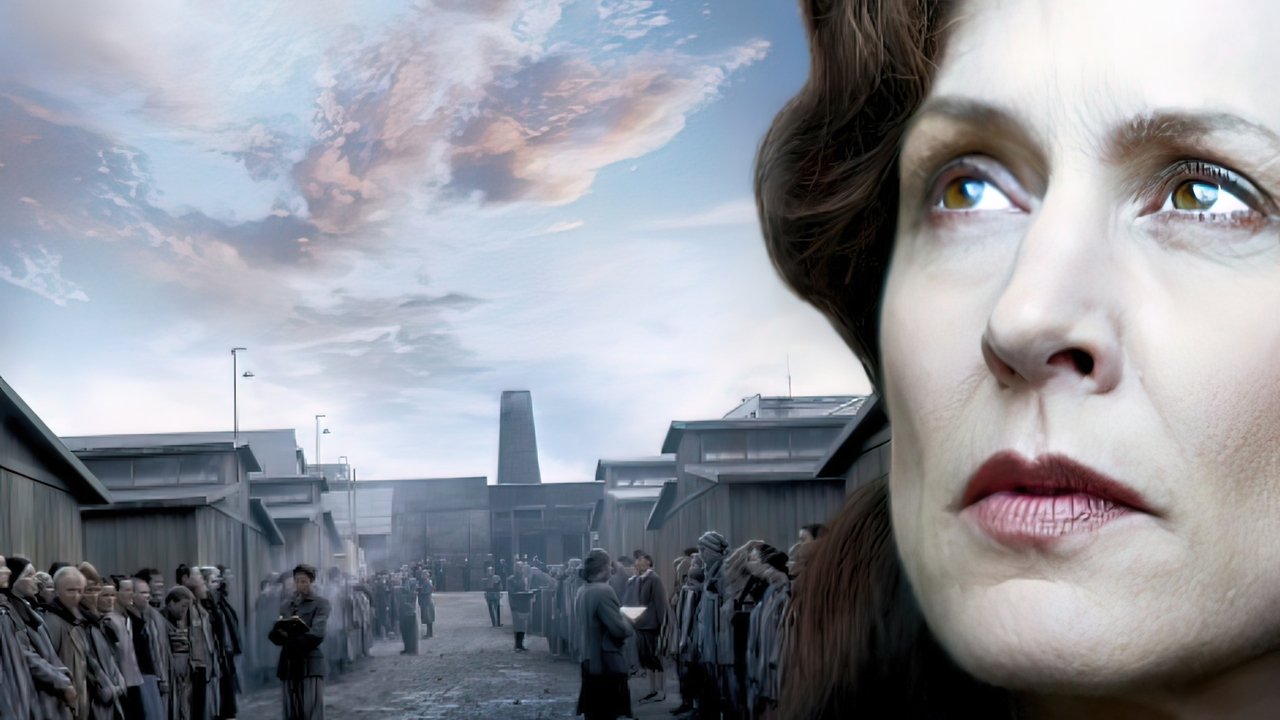
Out of the Ashes (2003)
The real-life story of Gisella Perl, a Jewish Hungarian doctor imprisoned in the notorious Auschwitz death camp of World War II.
The real-life story of Gisella Perl, a Jewish Hungarian doctor imprisoned in the notorious Auschwitz death camp of World War II.
 Christine LahtiGisella Perl
 Bruce DavisonPeter Schuman, Interrogator
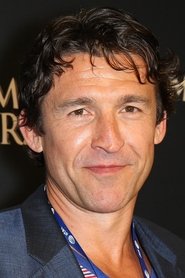 Jonathan CakeDr. Mengele
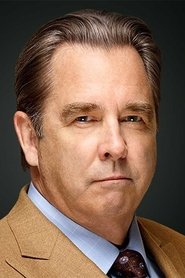 Beau BridgesHerman Prentiss, Interrogator
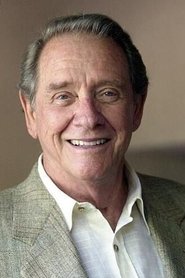 Richard CrennaJake Smith
 Jolyon BakerFrederick KraussJessica BeitchmanMarta Weiss
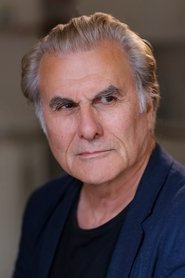 Oliver CottonMoshe PerlMichelle FineFanny Pearl
 Zoie PalmerDidi Goldstein
Confusion escalates when a little girl thinks she sees her beloved family cleaner steal a precious ornament.
A drama about the persecution of gay men during Fascism, which for the first time reconstructs cases of their confinement in prison camps.

Three young Israeli students take a school trip to Poland to visit the sites where the Nazis carried out the extermination of European Jews during World War II.
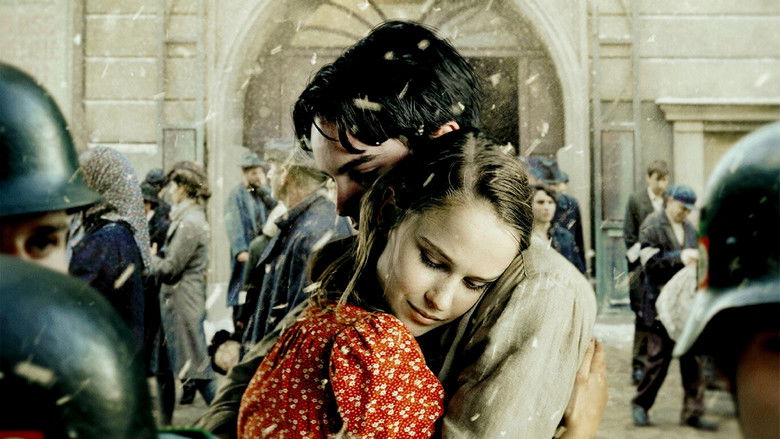
January 1942, in Nazi-occupied Poland during World War II. Thousands of Jews have been confined to the Warsaw ghetto for more than a year. Outside, life goes on; inside, they struggle to survive another day. Still, on a cold winter night, a group of Jewish actors manage to stage a lively musical comedy.
Mieczyslaw Weinberg's powerful Holocaust drama Die Passagierin channels his and his family's ordeals of wartime and Soviet persecution, applying them musically to Zofia Posmysz's autobiographical novel.
In trying to bring a former concentration camp commandant to justice, Nazi-hunter Simon Wiesenthal uncovers the tragic story of two lovers separated by the war.
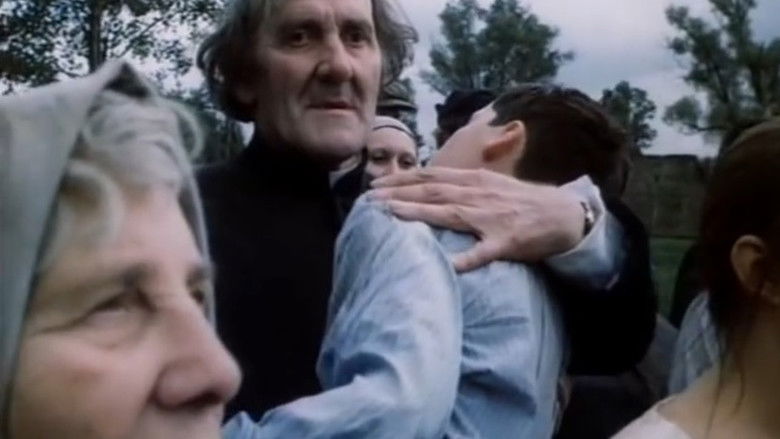
The movie consists of three novellas, the events of which take place during World War II. The first, "White Daisies", tells how a Polish priest saves a Jewish boy who survived a mass shooting. Another movie story, "Desolation," is about a ghetto boy in love who must, by all means, bring wildflowers to his beloved. The third novel, "The Cuckoo's Prediction," is about a prisoner who escapes from a POW camp. He escapes after his bunkmate tells him that he heard him speaking Yiddish in his sleep.
The Erie Canal was an engineering marvel in its time and remains so today. This documentary travels from Palmyra to the Genesee River, stopping along the way to visit the people and places that make the canal so special. Canal historian Thomas Grasso offers insight into the canal’s past while the Golden Eagle String Band provides the music track.
Highlighting the canal’s quiet beauty and fascinating people, Part 2 travels from the Genesee Waterways to Spencerport, Brockport, Holley, and Lockport– taking to the trails and the water, on everything from the historic Sam Patch tour boat to Luxury cabin cruisers. Dr. William Hullfish, a SUNY Brockport associate professor, musician and the expert in Erie Canal Songs.
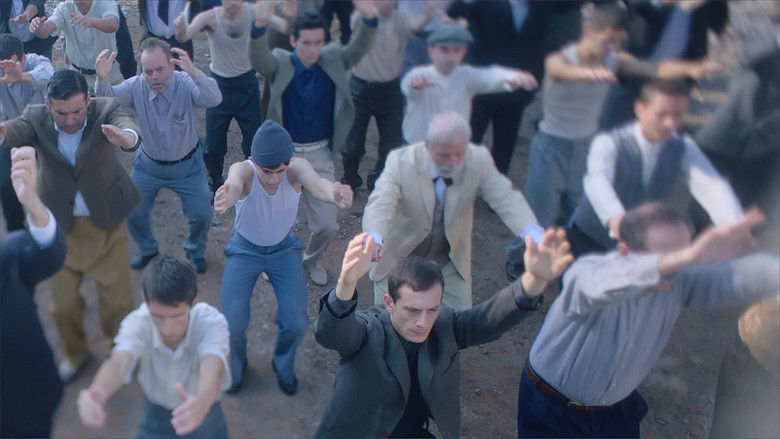
Six chapters describe the lives and perils of Thessaloniki’s Jewish community which was almost entirely exterminated by the Nazis in 1943. Past and present become an echo chamber in which the viewer experiences, aghast, the madness of humanity.
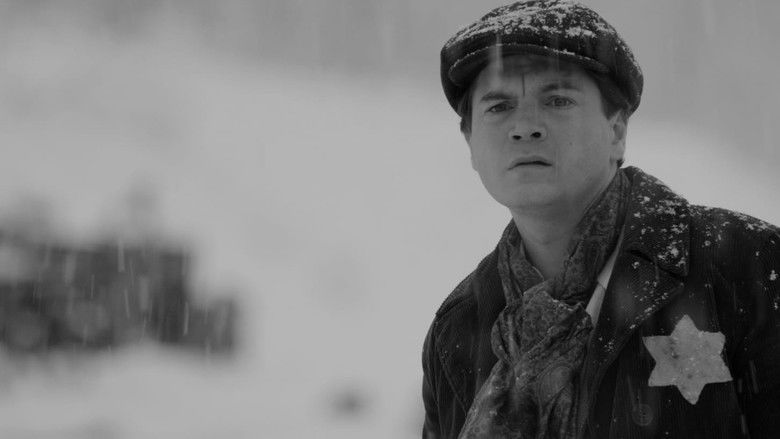
Based on the true story of Joseph and Rebecca Bau whose wedding took place in the Plaszow concentration camp during WW2. Using his artistic skills in the camps, Joseph stays alive and helps hundreds to escape. Miraculously, he finds love in the midst of despair. Years later, when called to be a key witness in the trial of the brutal Nazi officer who tortured him and killed his father, Joseph is thrust back into vivid memories of the Holocaust. Now, he calls upon this love and resilience of spirit to face the ultimate demon of his past.
A utopia about Finland in the year 2000, when man is finally the master of himself and his world. In the imaginary year 2000, a historical documentary series is created to provide a look at the irrational history of man in the 20th century, with all the wars and all that. The setting is an ascetic futuristic home, outside of which people move around in personal helicopters. The optimism about the future culminates in a school presentation shown simultaneously on giant screens in living rooms across the country, in which rational thinking is shown to have finally reached its fulfillment. On the other hand, faith in the development of humanity and a peaceful future is reflected in this post-war, escapist and dogmatic vision of the future.
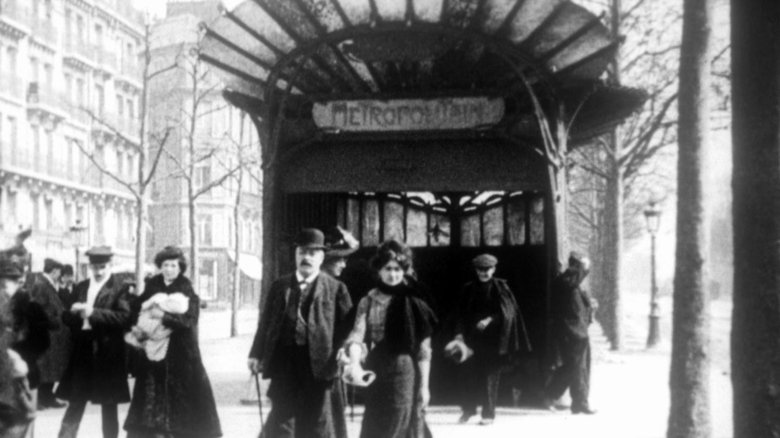

A woman's secret relationship is discovered putting her and those around her in danger.
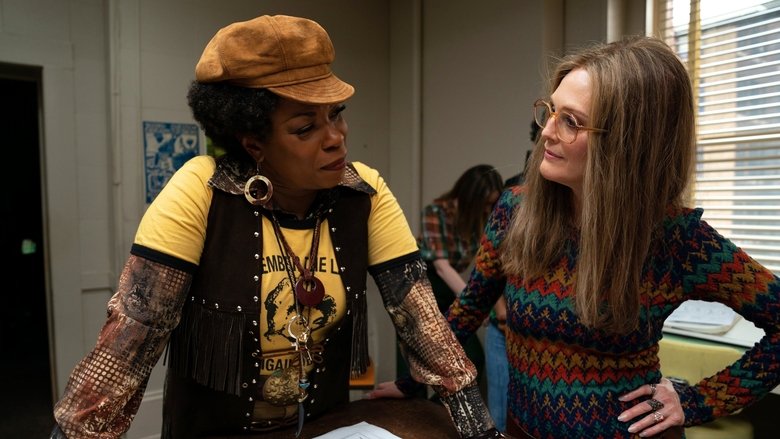
An equal rights crusader, journalist and activist: Gloria Steinem embodies these and more. From her role in the revolutionary women's rights movement to her travels throughout the U.S. and around the world, Steinem has made an everlasting mark on modern history. A nontraditional chronicle of a trailblazing life.


The Concorde remains a legend of the sky. In both looks and performance, it was incomparable, and the technology behind it was nothing less than revolutionary. Learn all about this magnificent craft that was able to fly at over 1300 mph, linking Paris and London to New York in under 4 hours. A unique flying machine, it remains the only supersonic commercial aircraft in the history of aviation.

It was arguably the deadliest conference in human history. The topic: plans to murder 11 million Jews in Europe. The participants were not psychopaths, but educated men from the SS, police, administration and ministries. The invitation to the meeting at Wannsee came from Reinhard Heydrich, head of the Reich Security Main Office. The Wehrmacht's campaigns of conquest in Eastern Europe marked the beginning of the systematic murder of Jews in Poland and the Soviet Union. In mid-September 1941, Hitler made the decision to deport all Jews from Germany to the East. Although there had been transports before, Hitler's order represented a further escalation in the murderous decision-making process. Persecution and discrimination had been part of everyday life since 1933. But as a result, the living conditions for the Jews in the Third Reich became even more difficult, among them the Berlin Jew Margot Friedländer, born in 1921, and the Chotzen family.
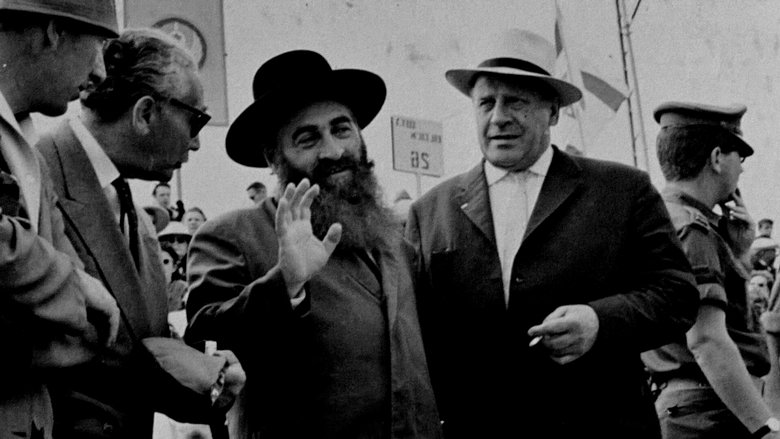
The true story of German-Czech businessman Oskar Schindler (1908-74) as told by some of the Jews — more than a thousand people — whose lives he saved from extermination during World War II.