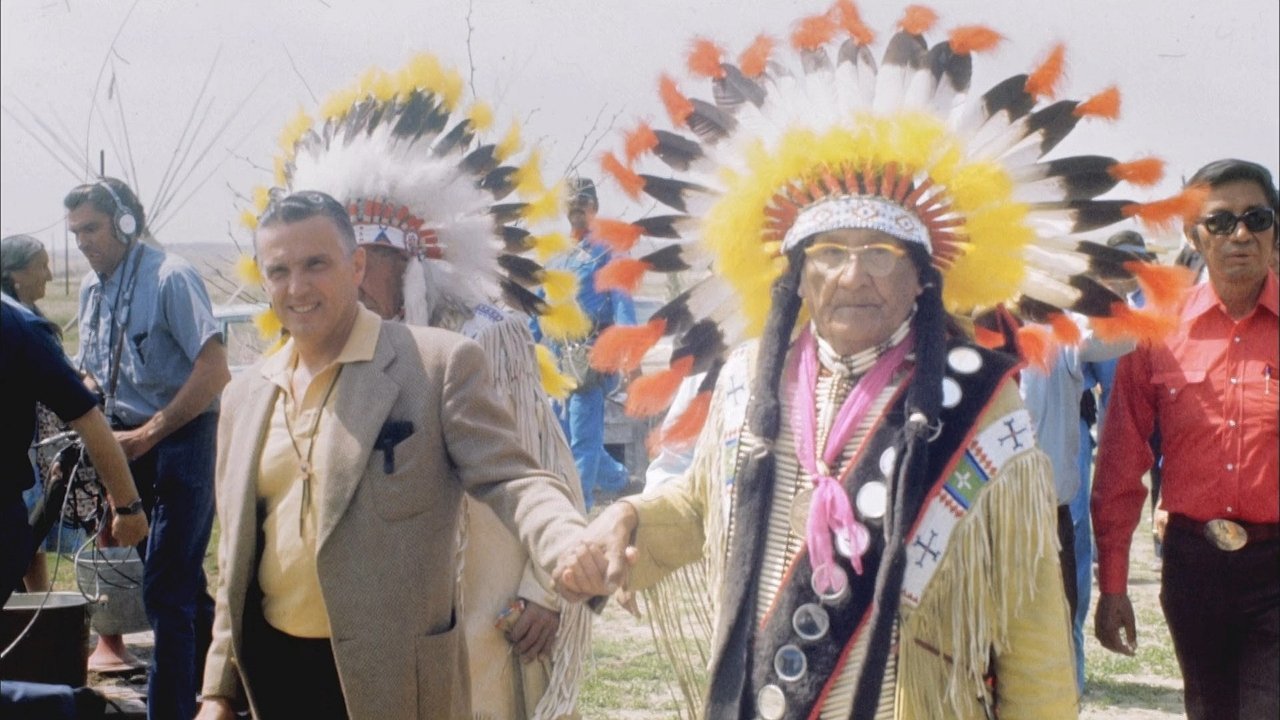
A Good Day to Die (2010)
Interviews and archival footage profile the life of Dennis Banks, American Indian Movement leader who looks back at his early life and the rise of the Movement.
Interviews and archival footage profile the life of Dennis Banks, American Indian Movement leader who looks back at his early life and the rise of the Movement.
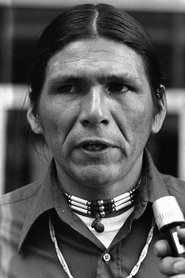 Dennis BanksSelf - Co-Founder, American Indian Movement; Ojibwa
 Brenda ChildSelf - Professor, American Indian Studies, University of Minnesota; OjibwaBob HicksSelf - Filmmaker; Creek - SeminoleSydney ByrdSelf - DakotaGeorge MitchellSelf - Co-Founder, AIM; OjibwaFrances FairbanksSelf - Director, American Indian Center, Minneapolis; OjibwaJay WhiteCrowSelf - AIM Member; SenecaLyle RustadSelf - Co-Founder, Diversity FoundationClyde BellecourtSelf - Co-Founder, AIM; OjibwaLehman BrightmanSelf - Founder, United Native Americans; Lakota - Creek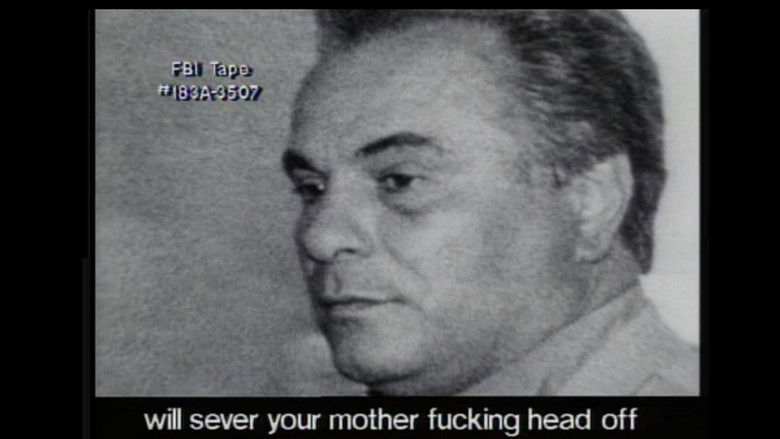
They're the real 'goodfellas': 'Joe Dogs' Iannuzzi, Tommy DelGiorno, 'Big Dom' Lofaro. For the first time on television, Mafia turncoats give personal accounts of life inside the Mob. In this shocking documentary, five high-ranking informants tell tales of murder, brutality, greed and vanity--and why they broke the Sicilian code of honor. The first generation of the American Mafia stood on the foundation of loyalty and a code of silence. The second and third generations traded their Sicilian traditions for government protection and instant personal gain. MOB STORIES presents five chilling narratives from five members of the underworld, most of whom are overwhelmed with fear and paranoia with the exception of “Fat Jackie”, a loyal lifelong mobster. Father and son team, Alan and Marc Levin, direct and produce an honest and personal portrayal of the demise of the Mafia.
Heather Booth is the most influential person you have heard of. The newest film by critically acclaimed filmmaker Lilly Rivlin, HEATHER BOOTH: CHANGING THE WORLD is an urgent response to the recent election of Trump and all that has ensued. At a time when many are wondering how to make their voices heard, when civil and women’s rights are under attack, this empowering documentary is an inspiring look at how social change happens. Heather Booth, a renowned organizer and activist, began her remarkable career at the height of the Civil Rights movement. Through her life and work this inspiring film explores many of the most pivotal moments in progressive movements that altered our history over the last fifty years: from her involvement with Fannie Lou Hamer and the Mississippi Freedom Summer Project, to her founding of the JANE Underground in 1964, to her collaborations with respected leaders such as Julian Bond and Senator Elizabeth Warren.
Narrated by Rami Malek and Michelle Williams, and based on classified NSA documents, the film reveals the inner workings of a windowless skyscraper in downtown Manhattan.
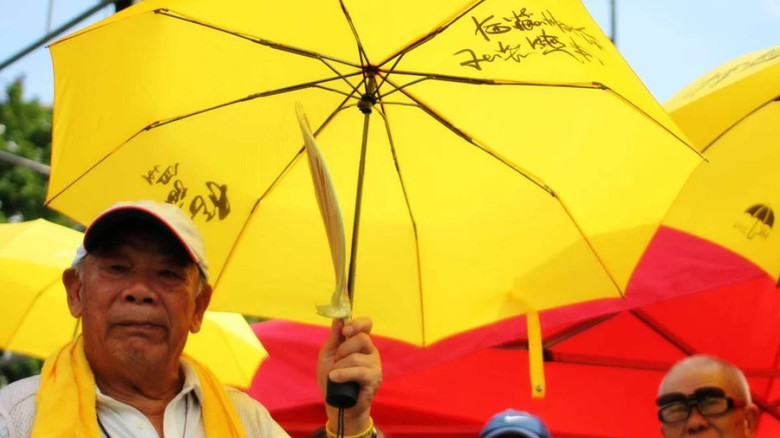
Four years later, Hong Kong’s 2014 democratic Umbrella Movement has been nominated for a Nobel Peace Prize, yet political backlash against protesters has intensified. Repeatedly the target of censorship*, Raise the Umbrellas traces the lineage of the massive Hong Kong protest to the global Occupy movement, 1989 Tiananmen, and its democratic struggles since British colonial days. Highlights range from the Umbrella Movement’s eco-awareness and its burgeoning aspiration for independence, to its empowerment of women -- “umbrella mothers” -- and the rainbow-bridging activism of LGBTQ iconic artists. Incisive and intimate, driven by stirring on-site footage in a major Asian metropolis riven by protest, Umbrellas includes anti-Occupy views that lay bare the sheer political risk for post-colonial Hong Kong’s universal-suffragist striving to define its autonomy within China.
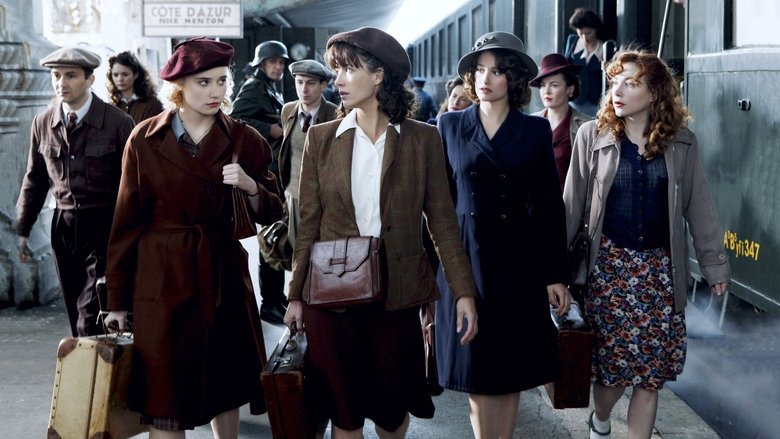
May 1944, a group of French servicewomen and resistance fighters are enlisted into the British Special Operations Executive commando group under the command of Louise Desfontaines and her brother Pierre. Their mission, to rescue a British army geologist caught reconnoitering the beaches at Normandy.
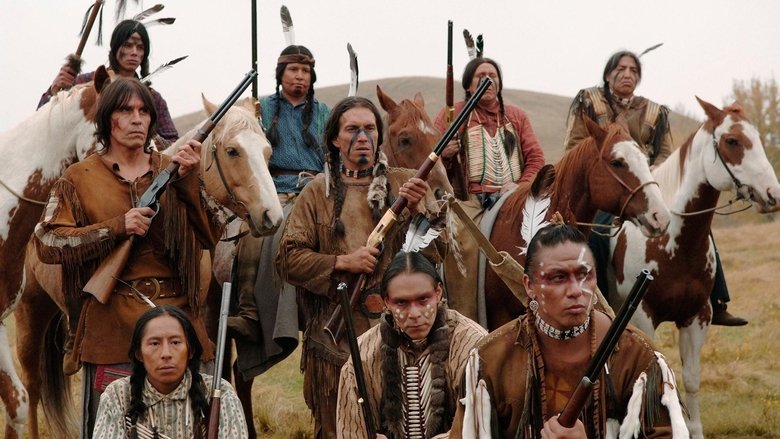
Beginning just after the bloody Sioux victory over General Custer at Little Big Horn, the story is told through two unique perspectives: Charles Eastman, a young, white-educated Sioux doctor held up as living proof of the alleged success of assimilation, and Sitting Bull the proud Lakota chief whose tribe won the American Indians’ last major victory at Little Big Horn.
This is a documentary about an honest search for the truth about the Federal Reserve Bank and the legality of the Internal Revenue System. Through extensive interviews with recognised experts and authority, the director shows an astonishing revelation of how the Federal Government and the Bankers have fooled the American public by taking thier wages and putting it in the pockets of the super-rich.
In the Bella Coola Valley, a haunting legend endures through generations as a filmmaker reckons with whether the stories of her ancestors can survive being held or if they were never meant to be captured.
THE YES MEN FIX THE WORLD is a screwball true story about two gonzo political activists who, posing as top executives of giant corporations, lie their way into big business conferences and pull off the world's most outrageous pranks.
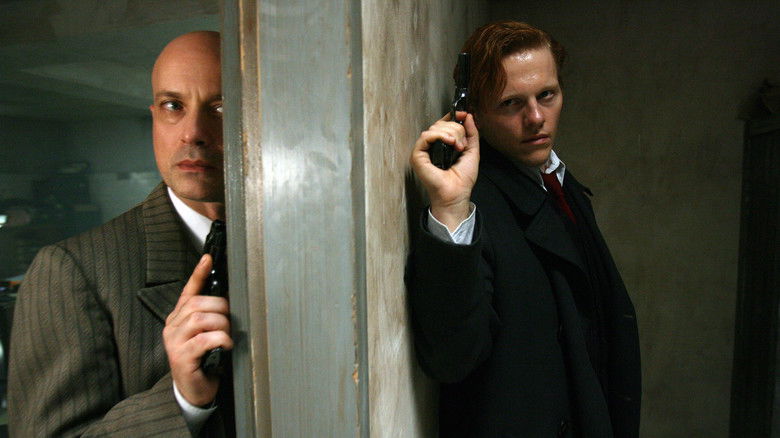
Gunman Flame and his partner Citron assassinate Nazi collaborators for the Danish resistance. Assigned targets by their Allies-connected leader, Aksel Winther, they relish the opportunity to begin targeting the Nazis themselves. When they begin to doubt the validity of their assignments, their morally complicated task becomes even more labyrinthine.
Spies of Mississippi tells the story of a secret spy agency formed by the state of Mississippi to preserve segregation and maintain white supremacy. The anti-civil rights organization was hidden in plain sight in an unassuming office in the Mississippi State Capitol. Funded with taxpayer dollars and granted extraordinary latitude to carry out its mission, the Commission evolved from a propaganda machine into a full blown spy operation. How do we know this is true? The Commission itself tells us in more than 146,000 pages of files preserved by the State. This wealth of first person primary historical material guides us through one of the most fascinating and yet little known stories of America's quest for Civil Rights.
A doc about the Cree and Chippewa people of northern Manitoba. Made in the mid 20th century, it is dated in tone, but provides insight into the vital relationship that existed between First Nations and the caribou herds that sustained them.
Filmed in New York in the summer of 2006: a march across the Brooklyn Bridge in support of the Palestinian and Lebanese populations. Habibi means "beloved" in Arabic.
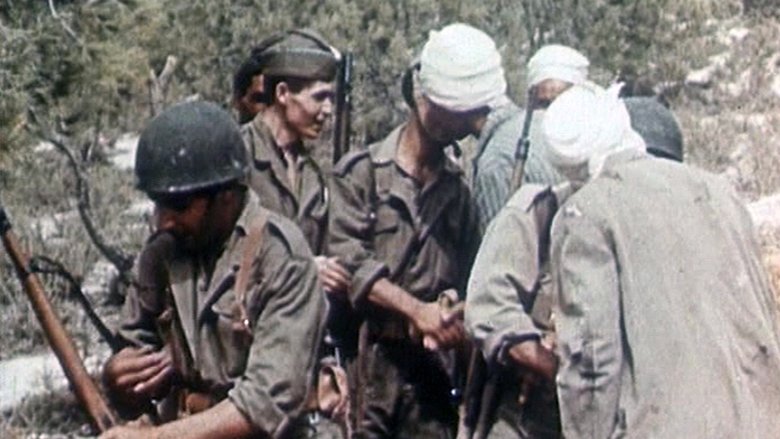
These are the first images shot in the ALN maquis, camera in hand, at the end of 1956 and in 1957. These war images taken in the Aurès-Nementchas are intended to be the basis of a dialogue between French and Algerians for peace in Algeria, by demonstrating the existence of an armed organization close to the people. Three versions of Algeria in Flames are produced: French, German and Arabic. From the end of the editing, the film circulates without any cuts throughout the world, except in France where the first screening takes place in the occupied Sorbonne in 1968. Certain images of the film have circulated and are found in films, in particular Algerian films. Because of the excitement caused by this film, he was forced to go into hiding for 25 months. After the declaration of independence, he founded the first Algerian Audiovisual Center.
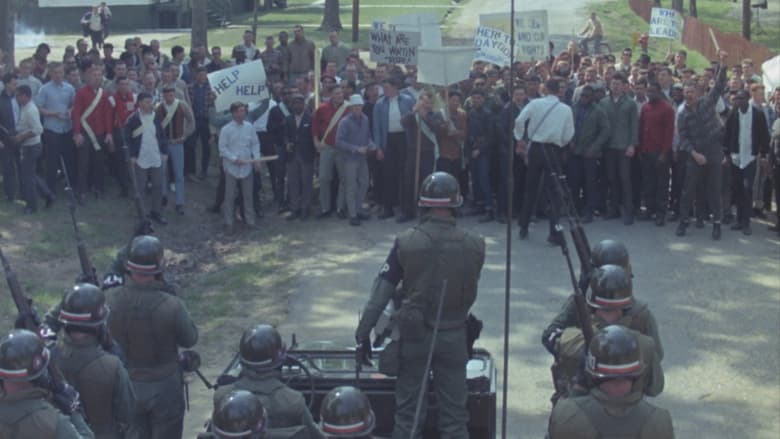
An archival documentary about the U.S. military’s response to the political and racial injustices of the late 1960s: take a military base, build a mock inner-city set, cast soldiers to play rioters, burn the place down, and film it all.
French documentary campaigning for the liberalization of abortion and contraception, directed by Charles Belmont and Marielle Issartel in 1973.
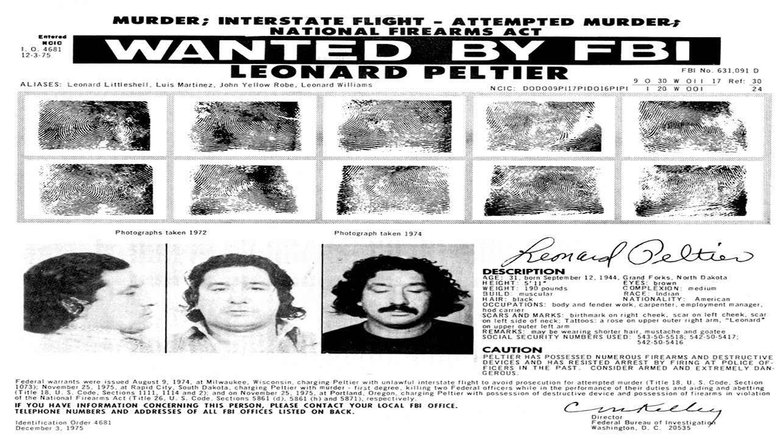
On June 26, 1975, during a period of high tensions on the Pine Ridge reservation in South Dakota, two FBI agents were killed in a shootout with a group of Indians. Although several men were charged with killing the agents, only one, Leonard Peltier, was found guilty. This film describes the events surrounding the shootout and suggests that Peltier was unjustly convicted.
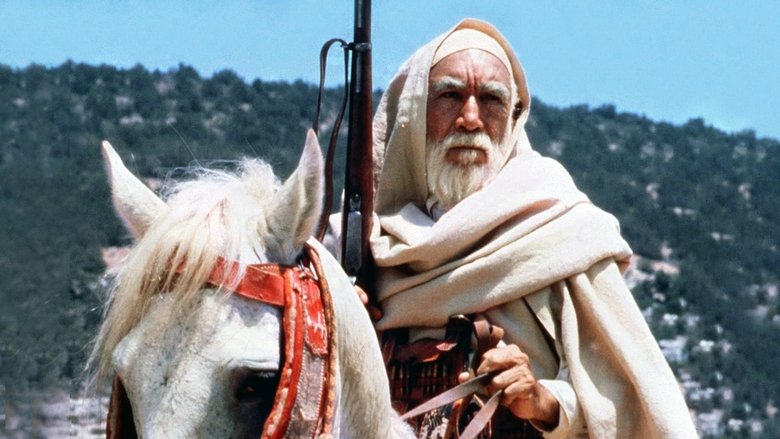
Resistance leader Omar Mukhtar opposes Italian colonization before World War II. The brutal guerrilla war against Italian General Rodolfo Graziani and the Fascist forces of Benito Mussolini highlights the struggle for Libyan independence and the harsh tactics utilised by the colonisers.
Gil Cardinal searches for his natural family and an understanding of the circumstances that led to his becoming a foster child. An important figure in the history of Canadian Indigenous filmmaking, Gil Cardinal was born to a Métis mother but raised by a non-Indigenous foster family, and with this auto-biographical documentary he charts his efforts to find his biological mother and to understand why he was removed from her. Considered a milestone in documentary cinema, it addressed the country’s internal colonialism in a profoundly personal manner, winning a Special Jury Prize at Banff and multiple international awards.
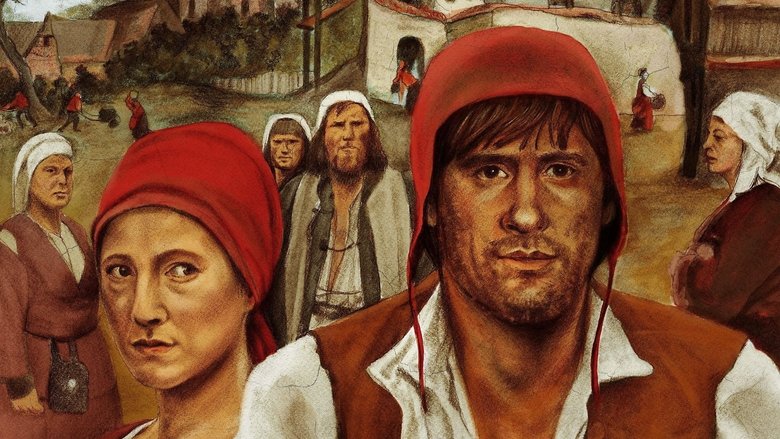
Village of Artigat, southern France, summer 1542, during the reign of Francis I. Martin Guerre and Bertrande de Rols marry. A few years later, accused of having committed a robbery, Martin suddenly disappears. When, almost a decade later, a man arrives in Artigat claiming to be Martin, the Guerre family recognizes him as such; but doubts soon arise about his true identity.