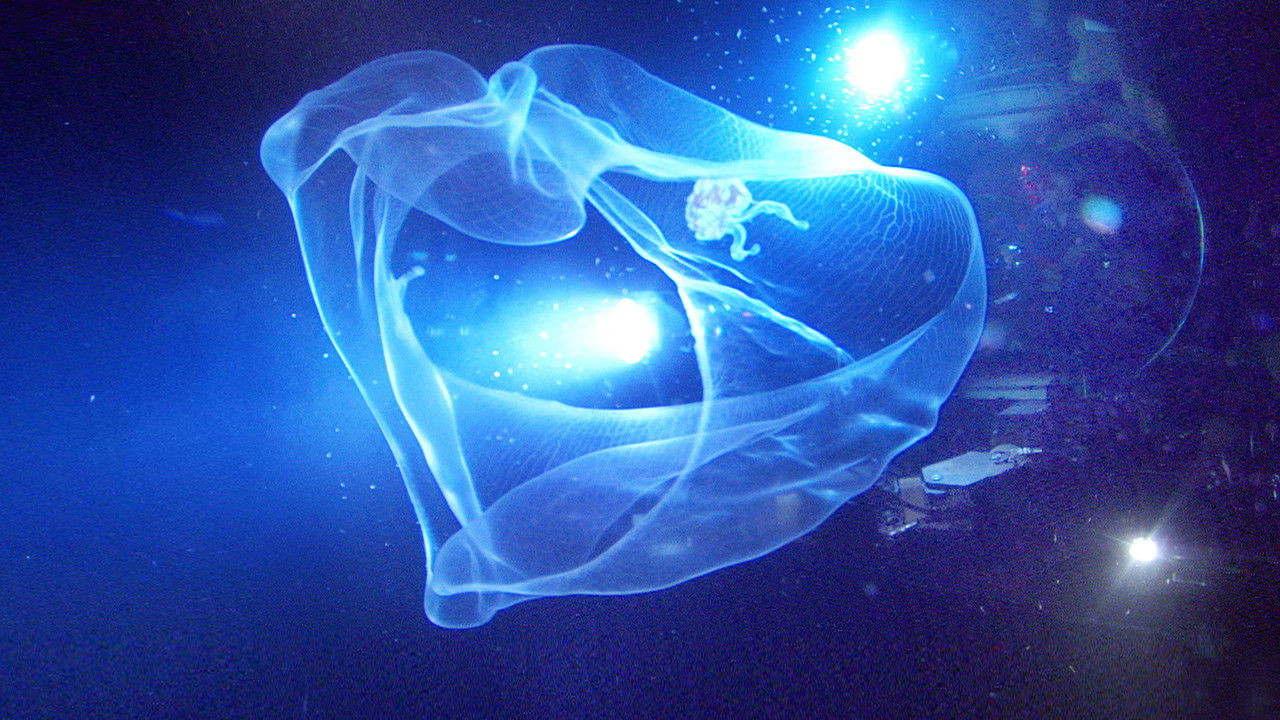
Aliens of the Deep (2005)
James Cameron teams up with NASA scientists to explore the Mid-Ocean Ridge, a submerged chain of mountains that band the Earth and are home to some of the planet's most unique life forms.
James Cameron teams up with NASA scientists to explore the Mid-Ocean Ridge, a submerged chain of mountains that band the Earth and are home to some of the planet's most unique life forms.
 Anatoly M. SagalevitchSelf
 Pamela ConradSelf
 James CameronSelfCharles PellegrinoSelfGenya ChernaievSelfVictor NischetaSelfArthur 'Lonne' LaneSelfJim ChildressSelfDijanna FigueroaSelfMicheal HenrySelf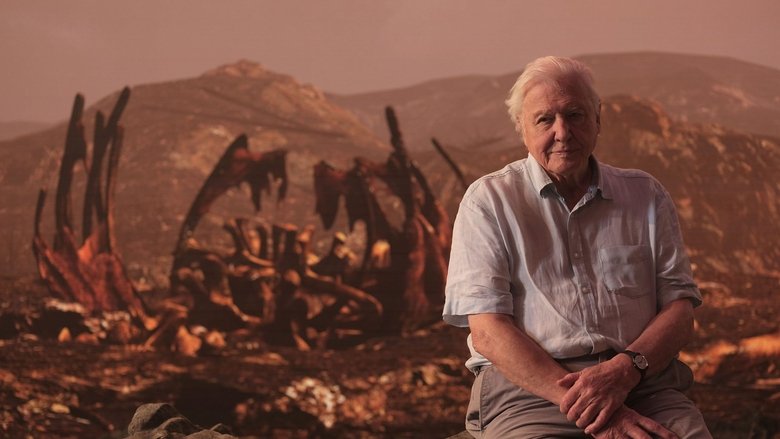
David Attenborough brings to life, in unprecedented detail, the last days of the dinosaurs. Palaeontologist Robert DePalma has made an incredible discovery in a prehistoric graveyard: fossilised creatures, astonishingly well preserved, that could help change our understanding of the last days of the dinosaurs. Evidence from his site records the day when an asteroid bigger than Mount Everest devastated our planet and caused the extinction of the dinosaurs. Based on brand new evidence, witness the catastrophic events of that day play out minute by minute.

A big-screen look into one of America's most successful entertainment industries, NASCAR racing.
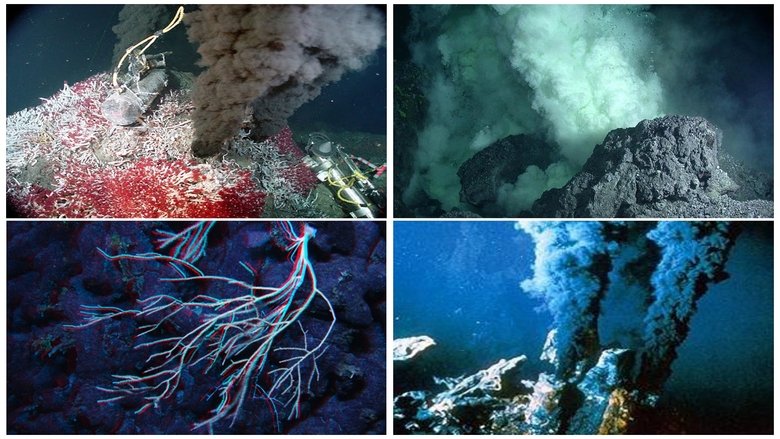
12,000 feet down, life is erupting. Alvin, a deep-sea mechanized probe, makes a voyage some 12,000 feet underwater to explore the Azores, a constantly-erupting volcanic rift between Europe and North America.
Bejeweled Fishes captures the spectacular beauty of the myriad fishes inhabiting coral reefs of the Tropical and Eastern Pacific. This Wild Window was captured in the Maldives Islands, Fiji, the Philippines, Mexico, California, and Indonesia.
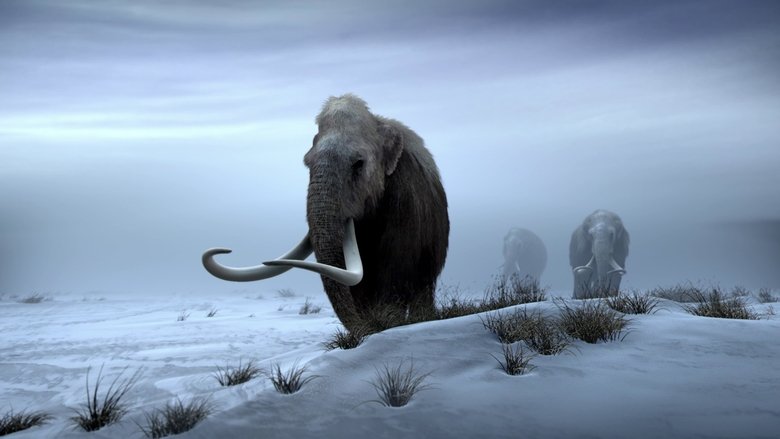
Titans of the Ice Age transports viewers to the beautiful and otherworldly frozen landscapes of North America, Europe and Asia ten thousand years before modern civilization. Dazzling computer-generated imagery brings this mysterious era to life - from saber-toothed cats and giant sloths to the iconic mammoths, giants both feared and hunted by prehistoric humans.
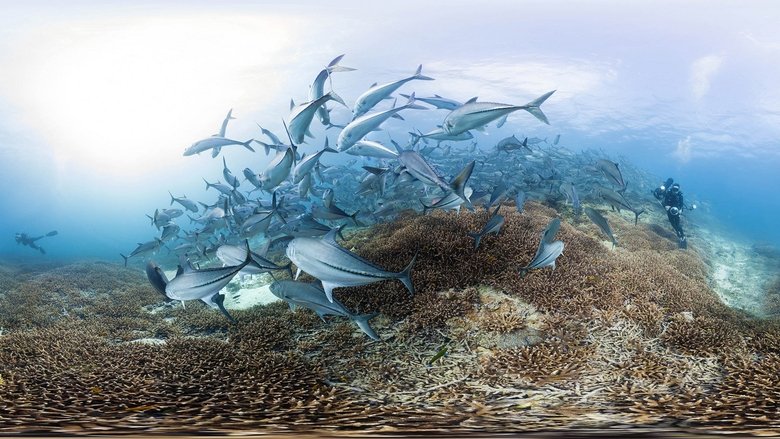
Coral reefs are the nursery for all life in the oceans, a remarkable ecosystem that sustains us. Yet with carbon emissions warming the seas, a phenomenon called “coral bleaching”—a sign of mass coral death—has been accelerating around the world, and the public has no idea of the scale or implication of the catastrophe silently raging underwater.
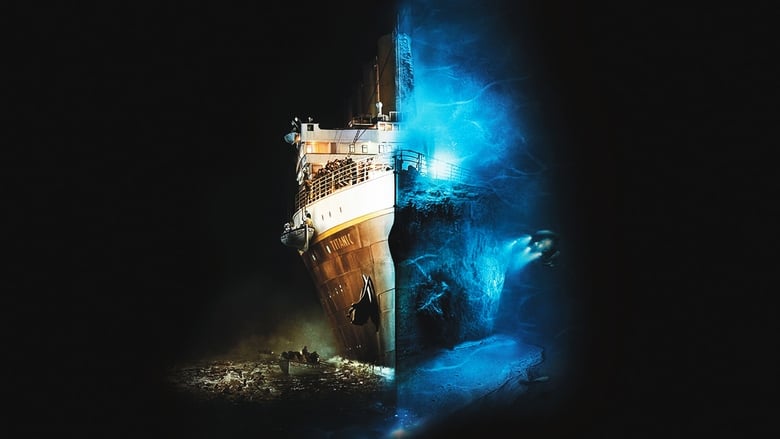
With a team of the world's foremost historic and marine experts as well as friend Bill Paxton, James Cameron embarks on an unscripted adventure back to the wreck of the Titanic where nearly 1,500 souls lost their lives almost a century ago.
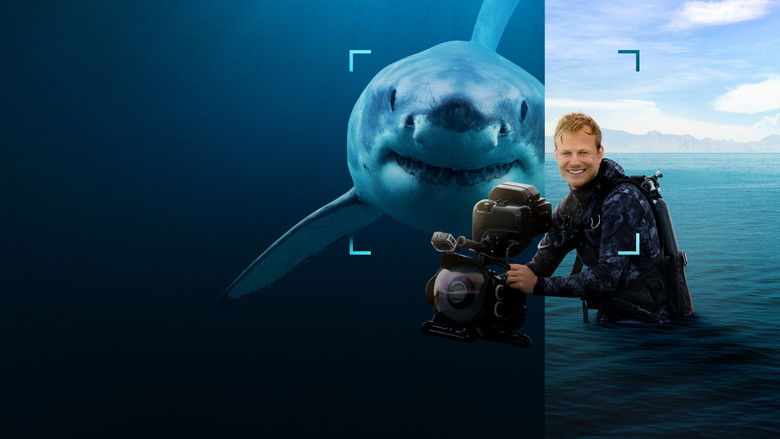
Bertie heads to South Africa for his most audacious mission yet. The wild waters here are a hotspot for one of the ocean’s most famous and feared predators, the great white shark. Diving in the shallows without a cage, Bertie will attempt to film these huge sharks. By entering their domain, he discovers the challenges they face on our rapidly changing planet.

Deep Blue is a major documentary feature film shot by the BBC Natural History Unit. An epic cinematic rollercoaster ride for all ages, Deep Blue uses amazing footage to tell us the story of our oceans and the life they support.
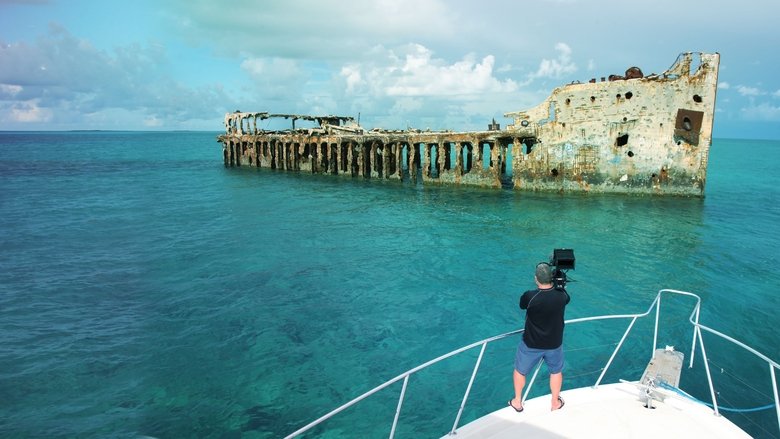
Infamous disappearances of ships and aircrafts, stories of lives lost — they’re all part of the legend of the 500,000-square-mile expanse of the Atlantic Ocean known as the Bermuda Triangle. In this one-hour special, National Geographic Channel explores the area’s ominous reputation by draining the water from it to see what exactly lies below the surface of the mythical triangle. With the aid of data from sophisticated sonar surveys, see what the ocean floor looks like below the Bermuda Triangle. Witness what strange geological features will be revealed and whether they will shed light on the mysterious occurrences that have been documented within the boundaries of this area of ocean.
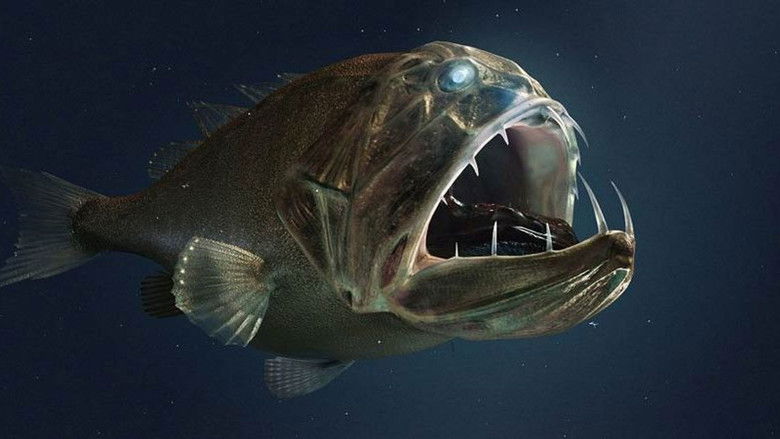
The deep waters of the Southern and Pacific Oceans still hold many mysteries. Two international teams of scientists set out to explore the icy depths of Antarctica and the abysses of the Mariana Trench. Filmed for the first time, creatures seemingly from another galaxy cohabit with champions of survival in extreme conditions.
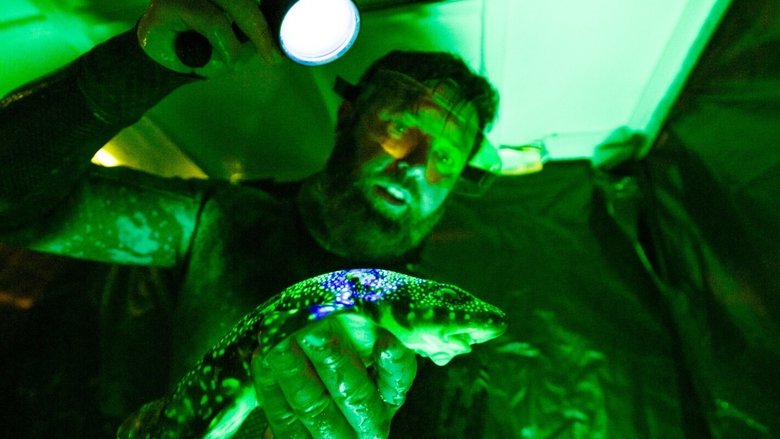
Forrest Galante explores stunning kelp forests and ocean depths never seen by humans to study the unusual sharks around the tip of South Africa.
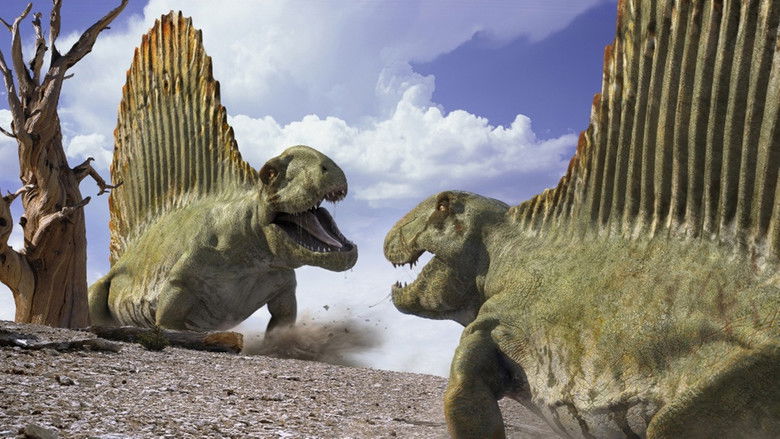
Many people think of the dinosaurs as the first inhabitants of the earth, but this prequel to the acclaimed "Walking with Dinosaurs" puts viewers in the midst of a host of strange creatures that inhabited the earth millions of years before the dinosaurs ever existed.Starting from the Cambrian Period (530 MYA) and ending at the Early Triassic Period (248 MYA), Walking With Monsters shows the life and death struggles of the fantastic creatures that existed before the dinosaurs.
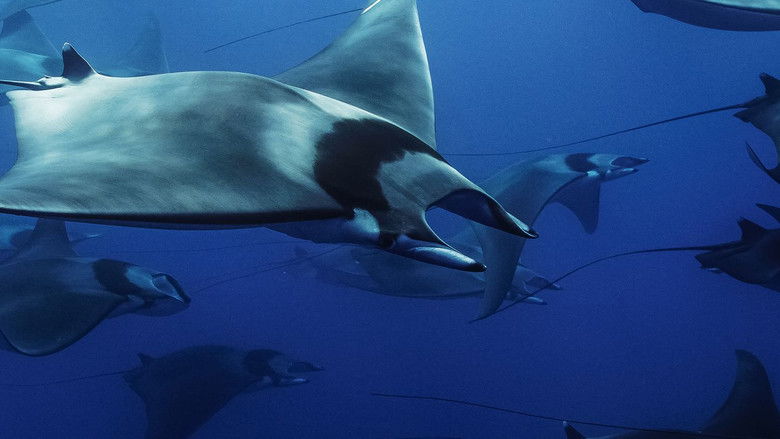
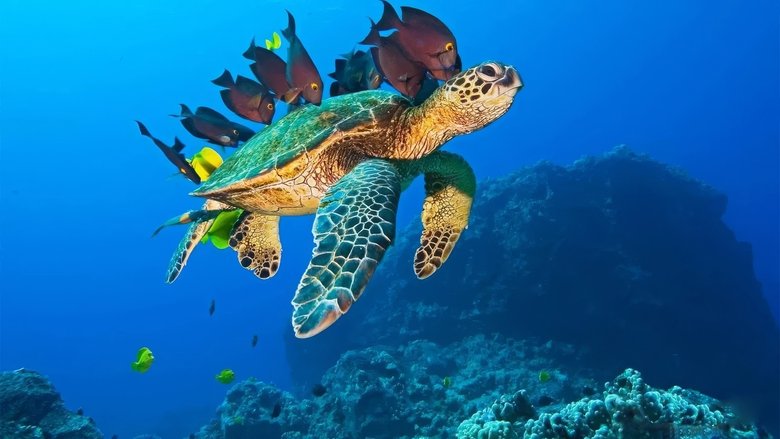
A 3-D documentary chronicling a sea turtle's journey across the oceans.
Gigantic machine combs beach in southern California and retrieves articles lost in sand; synthetic gems made by new chemical process; aviation school holds classes in grounded transport plane; how seaweed is processed for scientific use.
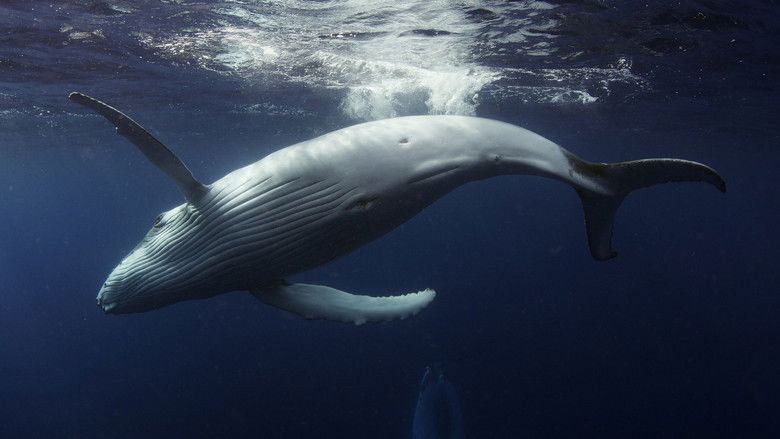
Follow a three-month-old baby whale on a magical journey down one of the Earth’s great ocean highways to discover the incredible world of ocean currents. She will never know it, but as she swims with the flow of the current, her story becomes inexorably connected to our own. Ocean currents are hidden marine rivers that flow around the Earth. They are responsible for the fish we eat, the rain that feeds our crops, the snow that covers our mountains - even the air we breathe, and they have been helping to keep the temperature of our planet just right for life for millions of years. As our young whale goes with the flow of the current on a great migration from the warm tropics to the frozen ice floes of Antarctica, she meets the curious creatures that call the current home.
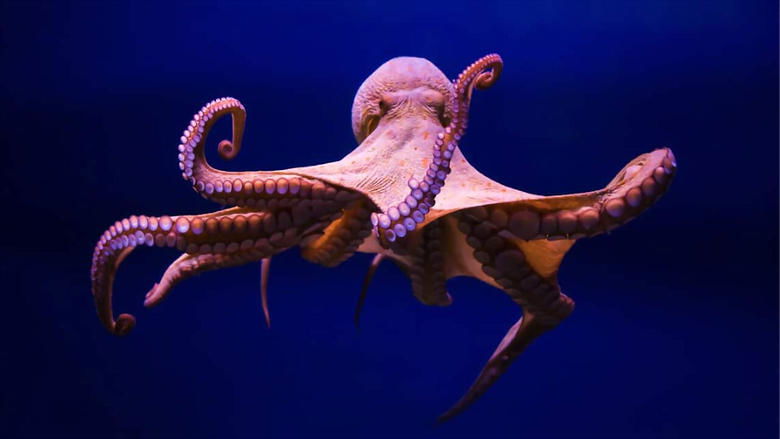
Groundbreaking documentary which follows a Japanese-led team of scientists as they attempt to shed light on the mysterious world of deep sea sharks. Only 50 specimens of the newly discovered 'megamouth' have ever been sighted. Over four years, scientists and film crews voyaged in midget submarines into the depths of Suruga Bay and Sagami Bay to film them. Prehistoric 'living fossil' sharks such as bluntnose sixgill sharks, goblin sharks and frilled sharks also lurk in the depths. As part of the investigation, a sperm whale carcass was placed at the bottom of the sea to attract these sharks, which were then studied and observed from the submersible vessels. Revealing in detail the previously unknown behaviour of deep sea sharks, the film unravels another of the intriguing mysteries of our planet's biodiversity.