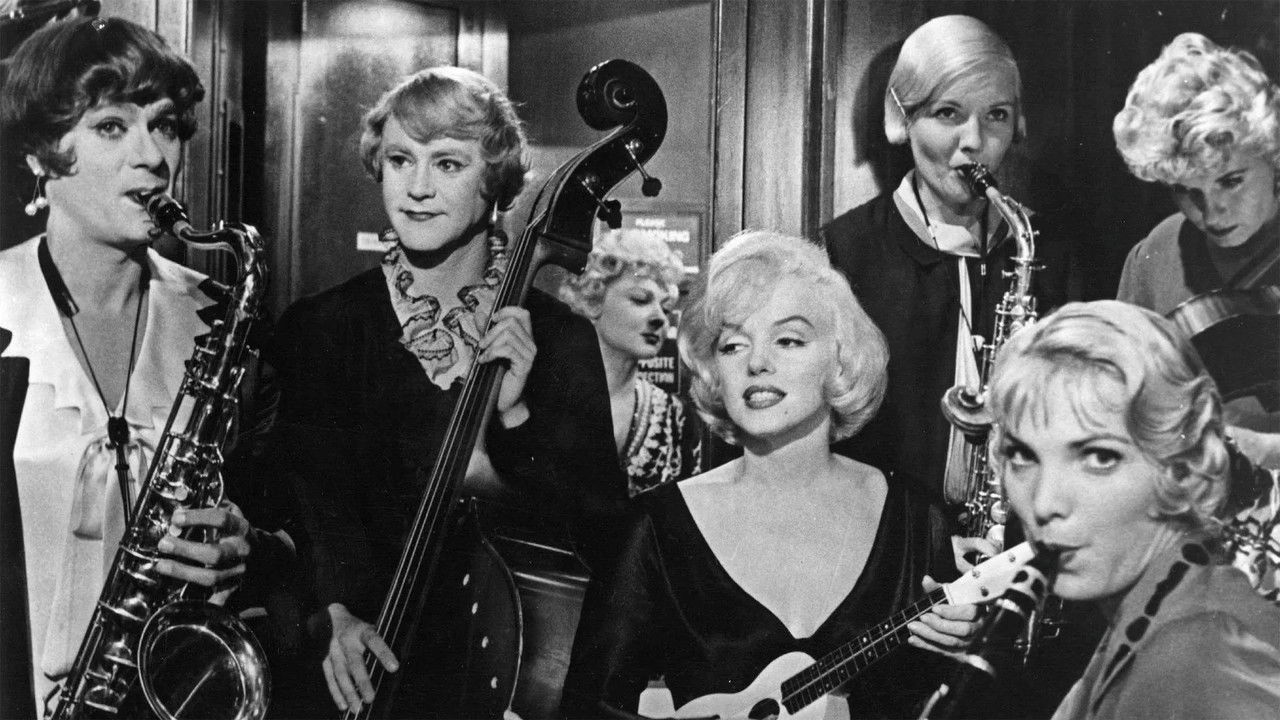
The Legacy of 'Some Like It Hot' (2006)
A look back at the impact Billy Wilder's comedy classic "Some Like It Hot" has left since it's release in 1959.
A look back at the impact Billy Wilder's comedy classic "Some Like It Hot" has left since it's release in 1959.
 Steven Jay RubinNarrator
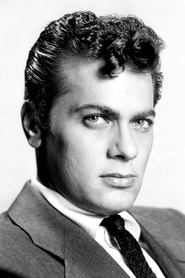 Tony CurtisSelfHoward SuberSelf
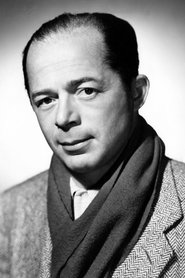 Billy WilderSelf (archive footage)
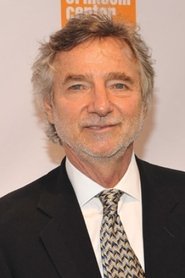 Curtis HansonSelf
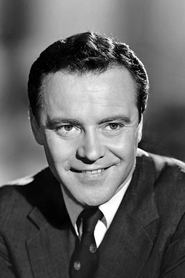 Jack LemmonSelf (archive footage)
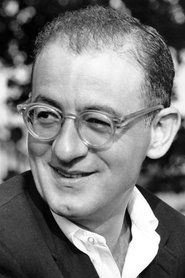 I. A. L. DiamondSelf (archive footage)Barbara DiamondSelf
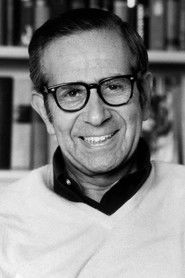 Walter MirischSelf
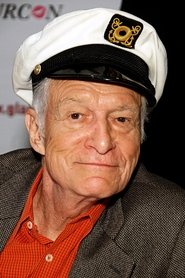 Hugh HefnerSelf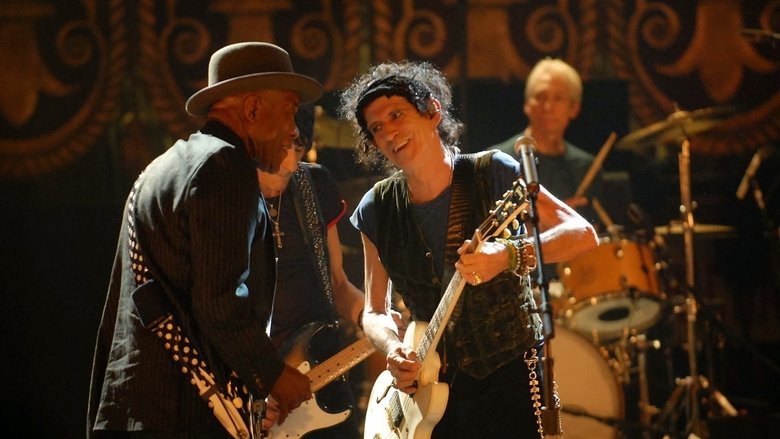
Martin Scorsese’s electrifying concert documentary captures The Rolling Stones live at New York’s Beacon Theatre during their A Bigger Bang tour. Filmed over two nights in 2006 with an all-star team of cinematographers, the film combines dynamic performances with archival footage and rare glimpses behind the scenes, offering a vibrant portrait of the band’s enduring energy and legacy.
BBC documentary about the rise of the New German Cinema and several of its most important figures.
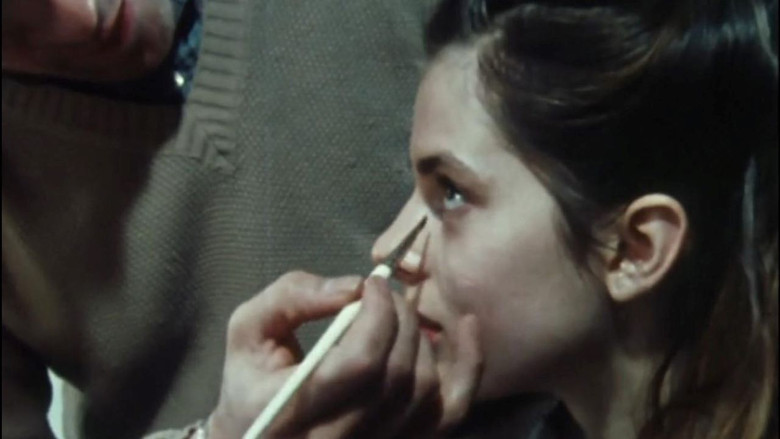
Television documentary about the making of Roman Polanski's 1979 film, Tess.
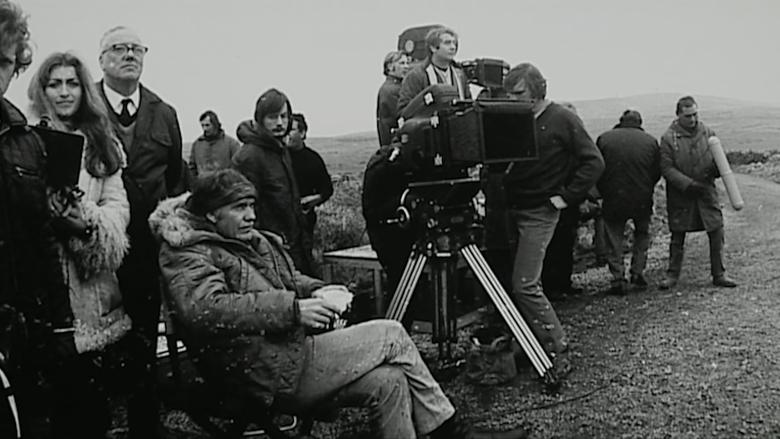
Documentary about the making of Sam Peckinpah's 1971 film "Straw Dogs."
The House That Shadows Built (1931) is a short feature, roughly 48 minutes long, from Paramount Pictures made to celebrate the 20th anniversary of the studio's founding in 1912. It was a promotional film for exhibitors and never had a regular theatrical release and includes a brief history of Paramount, interviews with various actors, and clips from upcoming projects (some of which never came to fruition). The title comes from a biography of Paramount founder Adolph Zukor, The House That Shadows Built (1928), by William Henry Irwin.
Documentary short film depicting the filmmaking activity at the Paramount Studios in Hollywood, featuring dozens of stars captured candidly and at work.
Documentary about the making of Swedish film director Jan Troell's "The New Land" (1971) and "The Emigrants" (1972).
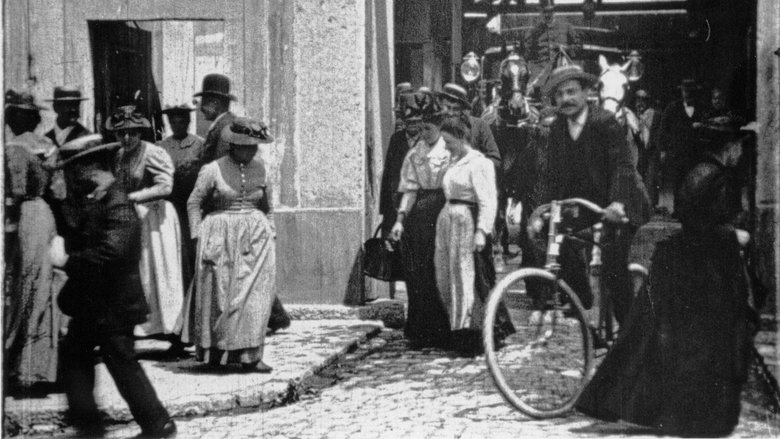
Working men and women leave through the main gate of the Lumière factory in Lyon, France. Filmed on 22 March 1895, it is often referred to as the first real motion picture ever made, although Louis Le Prince's 1888 Roundhay Garden Scene pre-dated it by seven years. Three separate versions of this film exist, which differ from one another in numerous ways. The first version features a carriage drawn by one horse, while in the second version the carriage is drawn by two horses, and there is no carriage at all in the third version. The clothing style is also different between the three versions, demonstrating the different seasons in which each was filmed. This film was made in the 35 mm format with an aspect ratio of 1.33:1, and at a speed of 16 frames per second. At that rate, the 17 meters of film length provided a duration of 46 seconds, holding a total of 800 frames.
After starting his career producing religious film shorts, J. Arthur Rank went on to become Britain's first and only movie mogul with his establishment of the legendary Pinewood Studios. Narrated by Michael Caine, THE GOLDEN GONG chronicles Pinewood's rise to success.
This short was released in connection with the 20th anniversary of Warner Brothers' first exhibition of the Vitaphone sound-on-film process on 6 August 1926. The film highlights Thomas A. Edison and Alexander Graham Bell's efforts that contributed to sound movies and acknowledges the work of Lee De Forest. Brief excerpts from the August 1926 exhibition follow. Clips are then shown from a number of Warner Brothers features, four from the 1920s, the remainder from 1946/47.
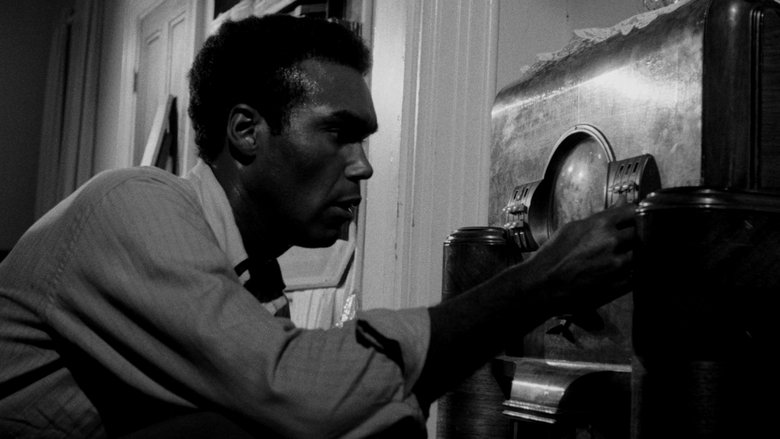
The evolution of the zombie from its roots in Haitian voodoo to its coveted role as the world's most popular monster: from being a clumsy corpse to becoming a cannibal killer and the main agent of every infectious pandemic, the zombie has come a long way in seventy years. A look at the rising tide of zombie culture examining why something so dead has so much life in viewers' nightmares and at the box office.
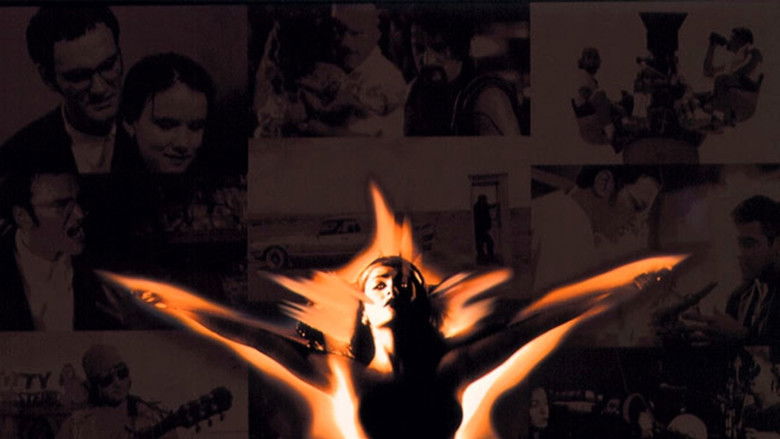
A documentary about the production of From Dusk Till Dawn (1996) and the people who made it.
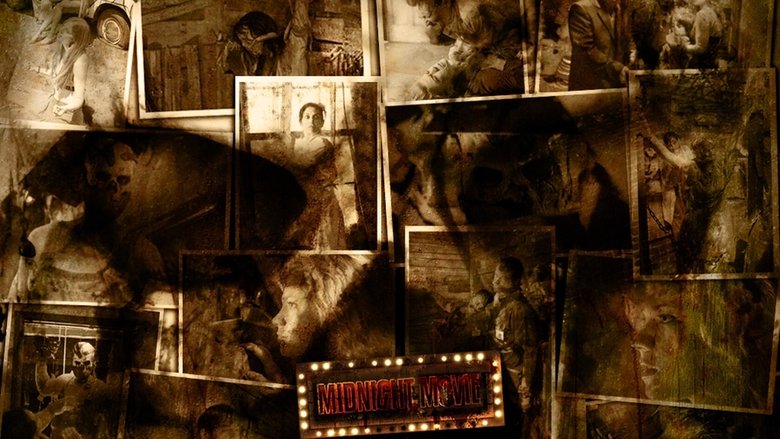
From 1970-1977, six low budget films shown at midnight transformed the way we make and watch films.
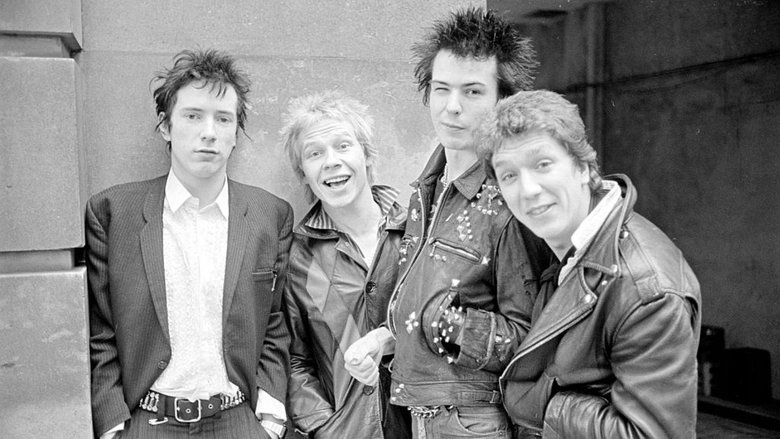
The Sex Pistols album Never Mind The Bollocks Here's The Sex Pistols is unquestionably one of the most important musical statements in the history of British music. It was in 1977, at a time when the nation was crippled by class division and unemployment that four working class teenagers with supposedly non-existent futures recorded an album that to this day remains as one of the greatest and most influential bodies of work ever recorded. This documentary features exclusive interview's with all four of the original members of the Sex Pistols as they take you on a track by track look at the making of the album. Featuring Steve Jones and Glen Matlock demonstrating selected riffs and licks off the album and explaining the development of the song writing. Candid interviews with Malcolm McLaren, Chris Thomas and Bill Price set the record straight about the recording session. Intertwining additional rare home video, live footage and early demo's make this release a compelling must see.
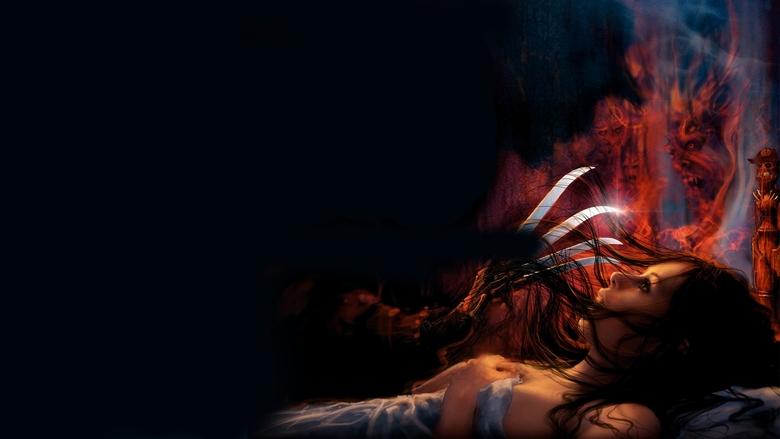
For decades, Freddy Krueger has slashed his way through the dreams of countless youngsters, scaring up over half a billion dollars at the box office across eight terrifying, spectacular films.
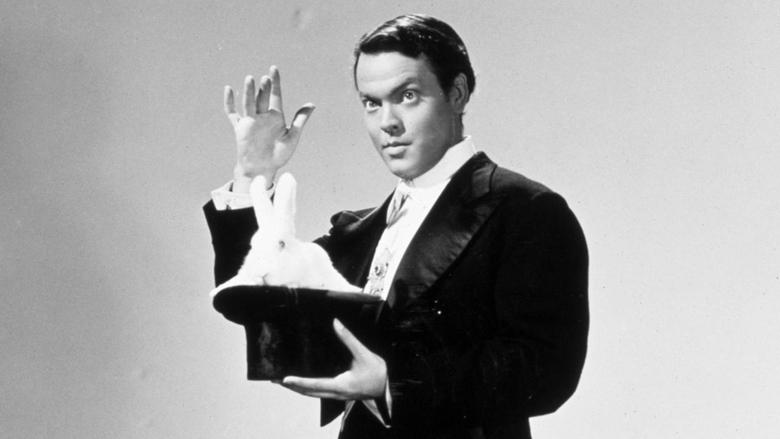
The extraordinary life of Orson Welles (1915-85), an enigma of Hollywood, an irreducible independent creator: a musical prodigy, an excellent painter, a master of theater and radio, a modern Shakespeare, a magician who was always searching for a new trick to surprise his audience, a romantic and legendary figure who lived only for cinema.
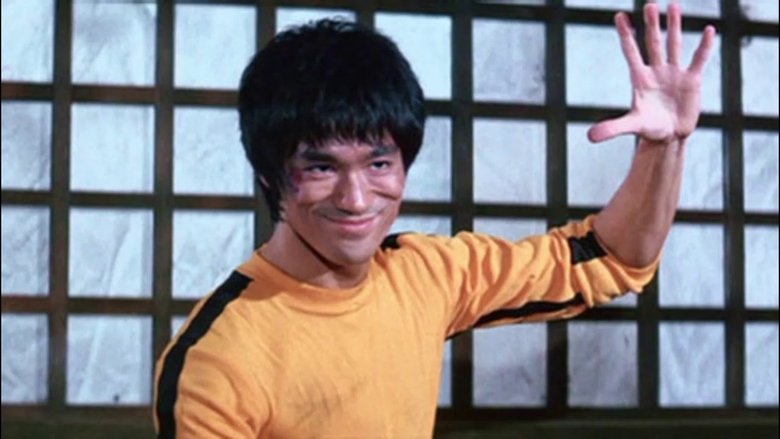
Documentary on the legendary martial artist Bruce Lee, with a focus on the production of his unfinished film Game of Death. Using interviews and behind-the-scenes footage, Lee aficionado John Little paints a portrait of the world's most famous action hero, concluding with a new cut of Game of Death's action finale, reconstructed from Lee's notes and recently-recovered footage.
This documentary depicts the filmmaker Alejandro Jodorowsky talking about his life, his loves, his career as a filmmaker, graphic novelist, and workshop leader, and his eccentricities including tarot reader and theatrical director during The Panic Movement. Directed by Louis Mouchet, La Constellation Jodorowsky includes a lengthy on-camera interview with Jodorowsky in Spanish with subtitles. Marcel Marceau, Fernando Arrabal, Peter Gabriel, Jean "Moebius" Giraud, and Jean Pierre Vignau make appearances discussing their various projects with the director. In addition to the interview and film clips, Mouchet features some bizarre footage from Jodorowsky’s absurdist plays in which topless women splattered with paint writhe around the stage in a theatrical production meant to represent The Panic Movement, i.e., an artistic expression in which reason cannot fully express the human experience.
A short video piece featuring director Bob Rafelson and actress Ellen Burstyn discussing the evolution of the characters in The King of Marvin Gardens (1972) and how accidents on the set proved beneficial to the film.
An analysis of French director Jacques Tati's 1957 film "Mon oncle" which discusses the stylistic similarities between it and the other Monsieur Hulot films.