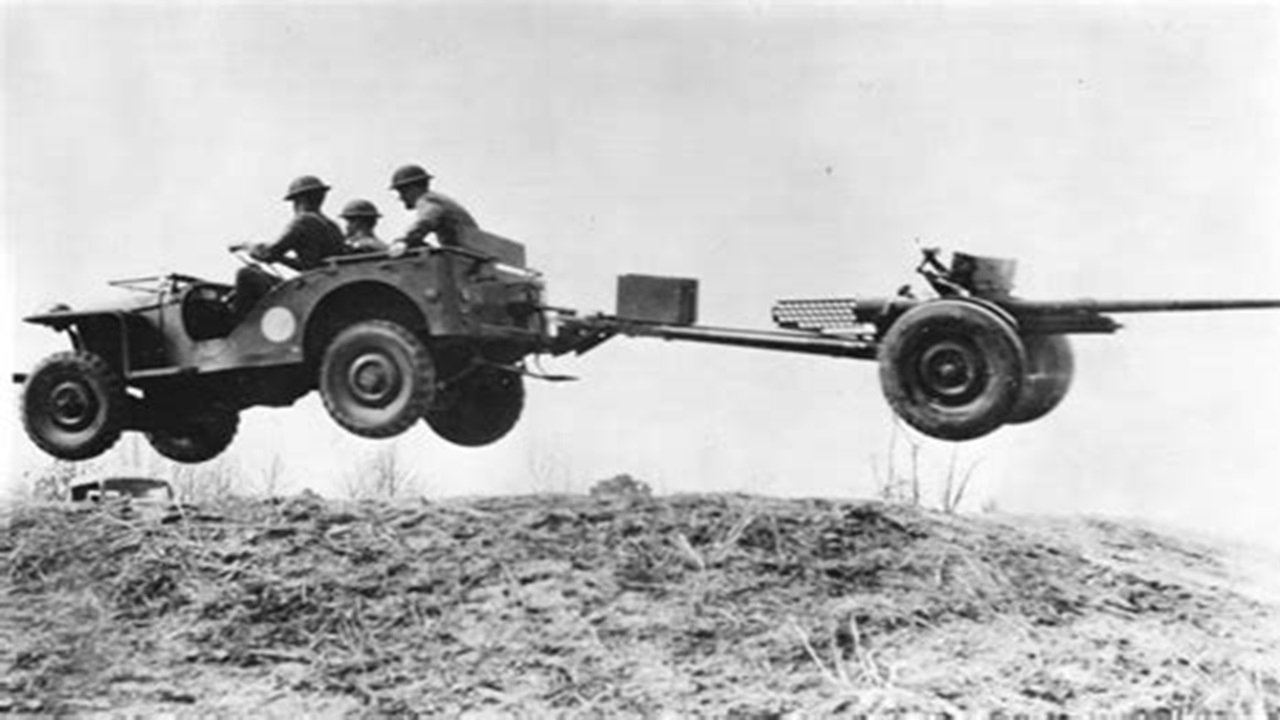
The Autobiography of a 'Jeep' (1943)
The invention and use of a jeep are described, from the viewpoint of one of the vehicles.
The invention and use of a jeep are described, from the viewpoint of one of the vehicles.
 Robert SloanSelf - Narrator (voice)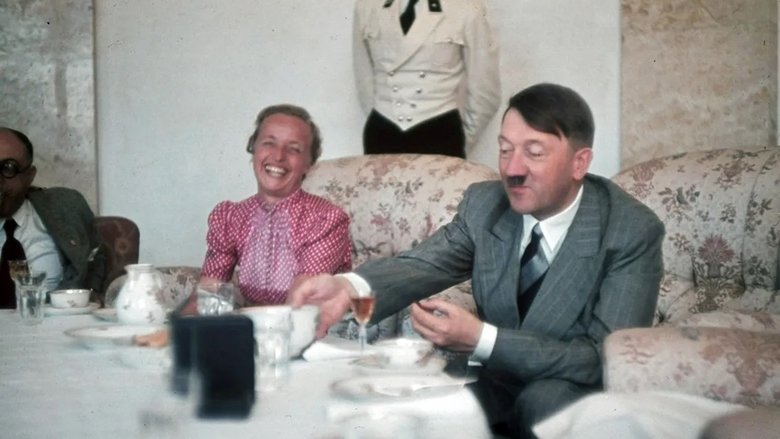
Everyone knows the public archive footage of Hitler. But most of it is silent. What was he saying? Special computer technology enables us for the first time to lip-read the silent film.
Canada: A People's History - Episode 14: 1940 to 1946 CE. Canada comes of age in the anguish of World War II, with soldiers on the beaches at Dieppe and women in the industrial work force back home. The country's military role, and the domestic, social and political consequences of the war are traced through poignant stories of Canadians on both sides of the Atlantic. The horrific global conflict steals the innocence of a generation... but brings hope for a new future.
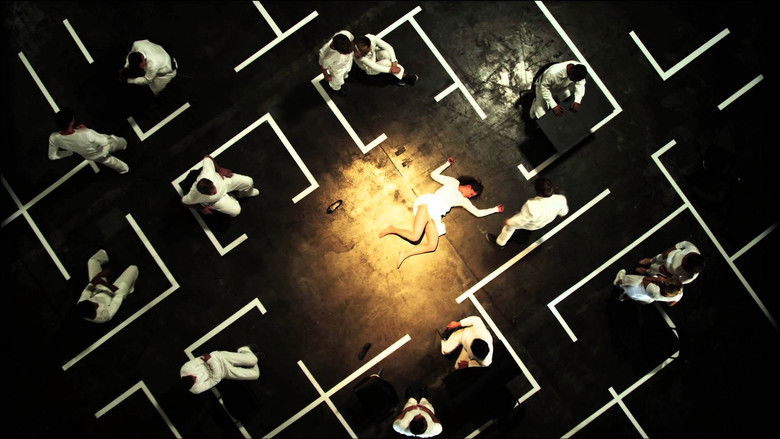
Das radikal Böse is a German-Austrian documentary that attempted to explore psychological processes and individual decision latitude "normal young men" in the German Einsatzgruppen of the Security Police and SD, which in 1941 during the Second World War as part of the Holocaust two million Jewish civilians shot dead in Eastern Europe.
Hundreds of frozen and starved people floating on boats in the middle of the Mediterranean Sea fleeing from the war... Familiar scenes that we are used to seeing in recent times. But the year is 1944, and the refugees are travelling from Europe to Africa. After Italian capitulation,and before the arrival of German army, 28 000 Dalmatian Croats left their home villages and towns to live for two years under the tents in the middle of Egyptian desert, in a kind of a communist model village that was formed to show the Allies how the new Yugoslavia will look like when the war ends. This is a story about them.
To mark the 70th anniversary of the Dunkirk evacuation, Dan Snow tells the story of the 'little ships' which made the perilous cross-channel voyage, as 50 of them return to France.
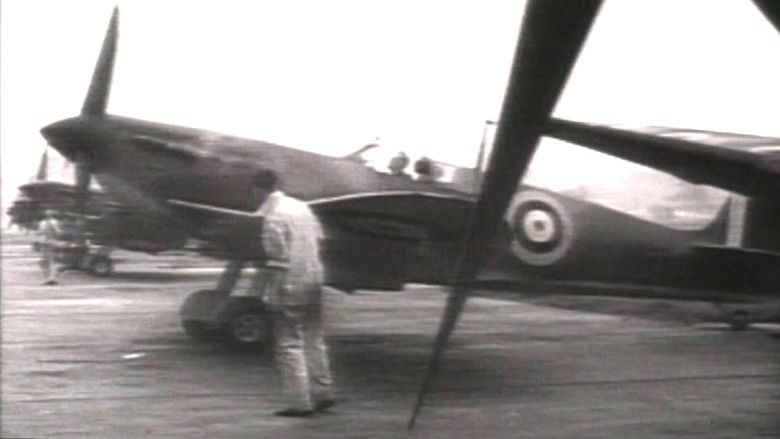
Three part documentary of the history of the Royal Air Force during World War Two. They combine actual Air Ministry films and period newsreel footage with interviews of surviving members of the air force. The first part covers the period from the 'phoney war', the invasion of Poland and the early bombing raids on enemy shipping, through to the attacks on France. Aircraft featured include the Blenheim and Wellington bombers, the Sunderland flying boat, Spitfires and Hurricanes and the opposing ME109.
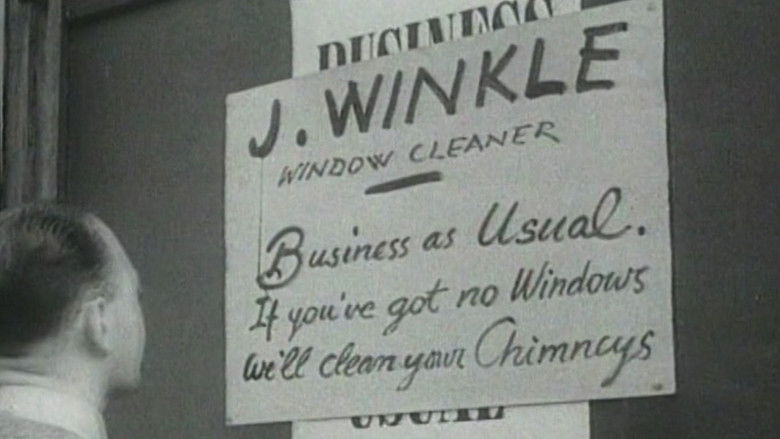
Three part documentary of the history of the Royal Air Force during World War Two. They combine actual Air Ministry films and period newsreel footage with interviews of surviving members of the air force. The second part covers the early years of 1939-1940 from the threat of German invasion preceded by Oporation Eagle attacks on airfields and ports, through the Battle of Britain to the commencement of the British bombing of Berlin after attacks on London and wider civilian casualties such as Coventry.
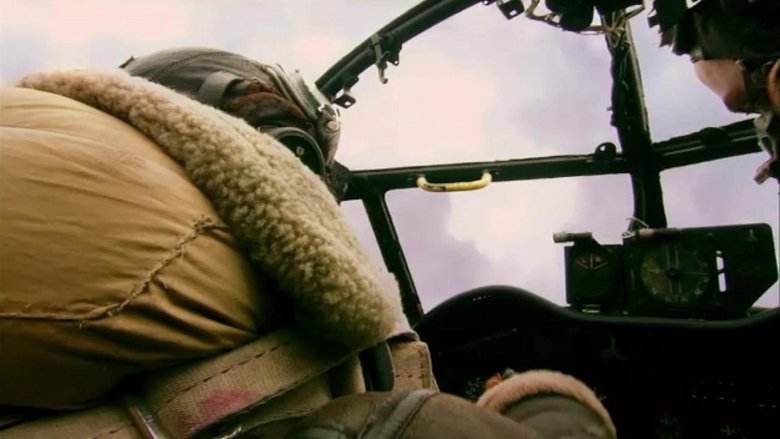
The incredible story of the Avro Lancaster, one of the finest bombers of the Second World War, which played a crucial role in the long and savage campaign to defeat Hitler's Third Reich. This documentary features interviews with surviving veterans of Bomber Command, who share frank personal accounts of their part in an aerial battle of attrition which claimed the lives of 55'000 aircrew.
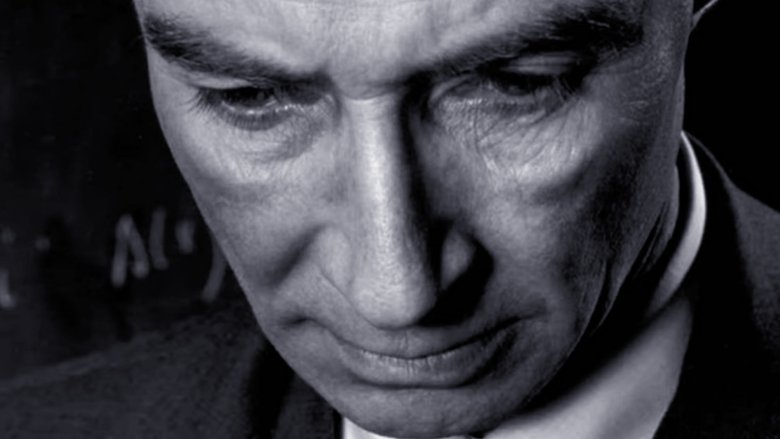
This captivating documentary on J. Robert Oppenheimer, the architect of the atomic bomb, explores his journey before the historic test and reveals the burden he carried after. De-classified documents, rare film footage and exclusive interviews, including Oppenheimer's grandson, show an intimate exploration of the burden Oppenheimer carried and the profound global impact still being debated today.
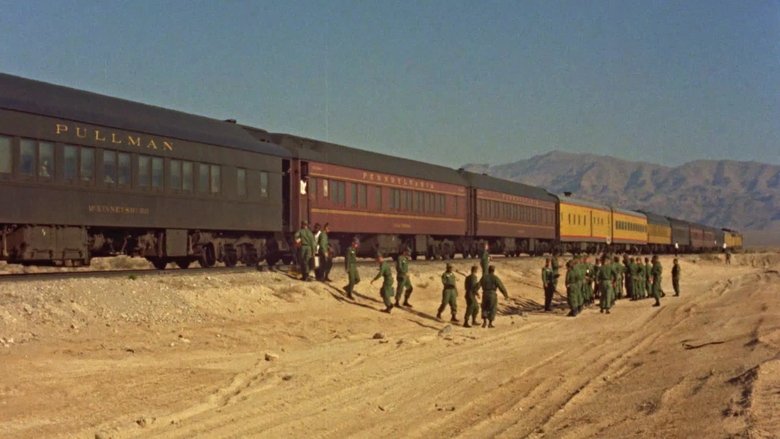
We've all heard of the atomic bomb, but in the late 1950s, an idea was conceived of a bomb which would maximize damage to people, but minimize damage to buildings and vital infrastructure: perfect for an occupying army. This is the story of a man and his bomb: a melding of world events and scientific discovery inspire the neutron bomb, one of the most hated nuclear weapons ever invented.
A silent short film promoting the United States Citizens Defense Corps, a group in which civilians served locally to aid in the war effort and to prepare their cities for possible military attacks.
Henry Ford, the legendary automobile manufacturer, James D. Mooney, the GM manager and Tom Watson, the IBM boss, were all awarded the Grand Cross of the German Eagle, the Nazis' highest distinction for foreigners, by Hitler for their services to the Third Reich. At this time, in 1937 and 1938, Hitler's armaments industry was running at full speed. The German subsidiaries of these American companies - Opel, the Ford Werke AG and Dehomag - had willingly allowed themselves to be integrated into the "Führer's" war preparations. The film concentrates on the companies which were indispensable for Hitler to wage war. The documentary is supported by new archive material, as well as interviews with contemporary witnesses and experts.

Filmmaker Fang Li and his crew explore exhaustive historical investigation, as far as possible to find the core of the British, American, Japanese and Chinese parties and descendants, trying to infinitely close to the truth of the World War II "Death Ship" — "Lisbon Maru", which is 30 meters under the sea off the East Polar Island in Zhoushan, China.
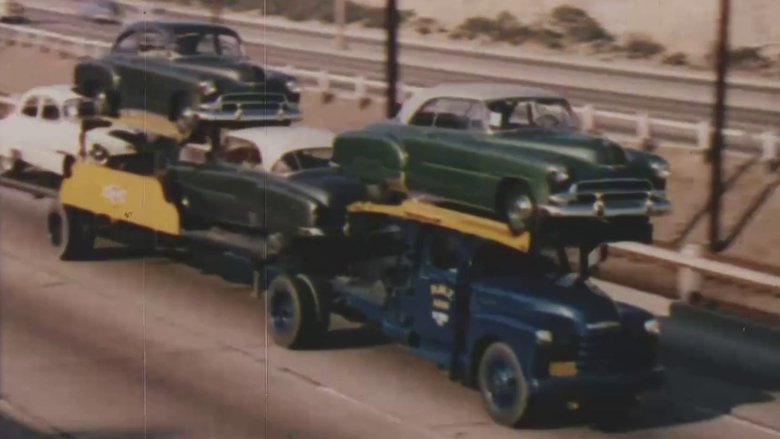
Shows the interdependence of all workers, jobs, and mechanization in the manufacturing process from raw materials to finished product, focusing on the car industry, and argues that this leads to greater personal independence and freedom.

Lieutenant Colonel John Stevens served in both World War II and the Korean War. During the Korean War, he received a Bronze Star for leading his company in one of that war's harshest battles.
In a tale of double agents and decoys, this documentary reveals, for the first time, the story of King George VI's elaborate ruse to divert German attention away from the Normandy landings in 1944.
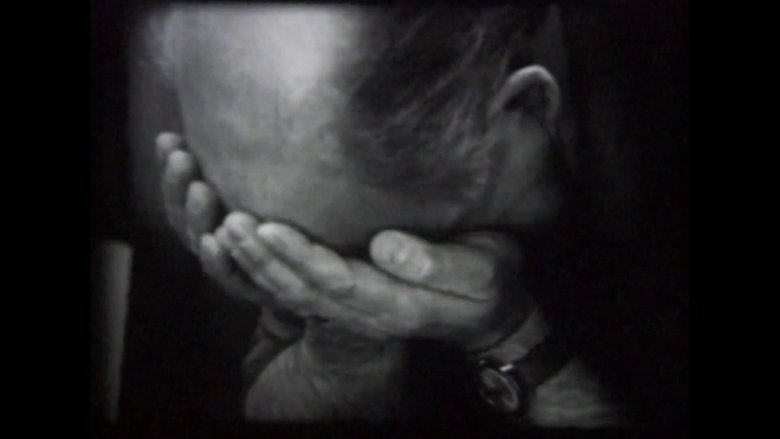
The work of Leiden professor Bastiaans on dealing with the trauma of war victims attracts the attention of filmmaker Louis van Gasteren. He decides to make a film about the psychotherapeutic treatment with LSD of a former concentration camp prisoner in the clinic of Bastiaans. Patient Joop is arrested in September 1941 and begins a long hellish journey through various camps, until he is liberated by the Russians. When he returns to his wife, he has become a completely different man. Joop suffers from nightmares and is incapable of normal human contact. With two cameras, Van Gasteren records approximately six and a half hours of the first treatment that Joop undergoes with Bastiaans (four more will follow later). Special attention is paid to details: Joop's hands, the sweat on his forehead, a tear running slowly down his cheek. Van Gasteren reduces the recordings to more than an hour.
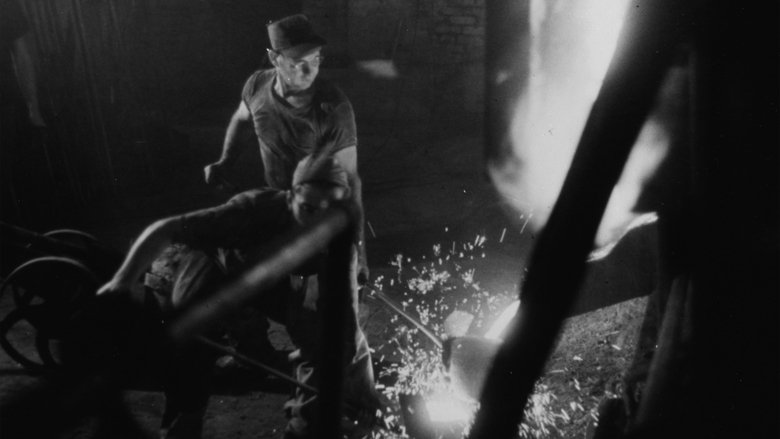
A portrait of Hamilton, the Pittsburgh or Birmingham of Canada. This is a rich and colourful subject that encourages imaginative treatment on the screen. The heart of the city is the immense complex of furnaces and rolling mills, but nearby are the lake, the mountain, and the rich fruit farms. How the work of the steel mills touches the city and its surroundings is shown in many views during both day and night.
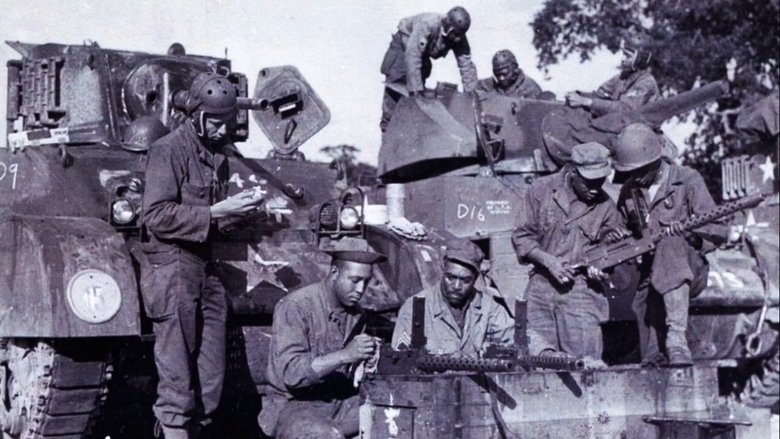
The riveting story of the first all-Black tank battalion to fight in US military history. Under General George Patten's command, the 761st fought heroically throughout WWII and were the furthest east of all US troops in the European theater of war.