
Beyond Doubt: The Making of Hitchcock's Favorite Film (2000)
A short documentary about the Making Of Hitchcock's "Shadow of a Doubt" (1943).
A short documentary about the Making Of Hitchcock's "Shadow of a Doubt" (1943).
 Teresa WrightSelf
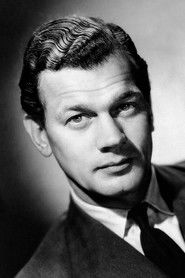 Joseph CottenSelf
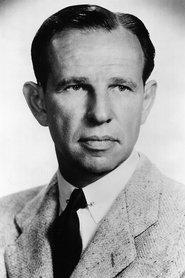 Hume CronynSelf
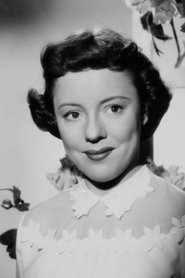 Patricia HitchcockSelfRobert F. BoyleSelf
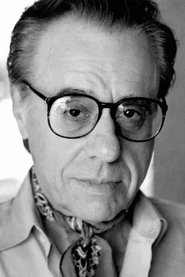 Peter BogdanovichSelf
Interview with the female cast of The Evil Dead and lead Bruce Campbell.

How do you brave acute mountain sickness? We talk to researchers, doctors and mountaineers about a syndrome whose mechanisms are still poorly understood.
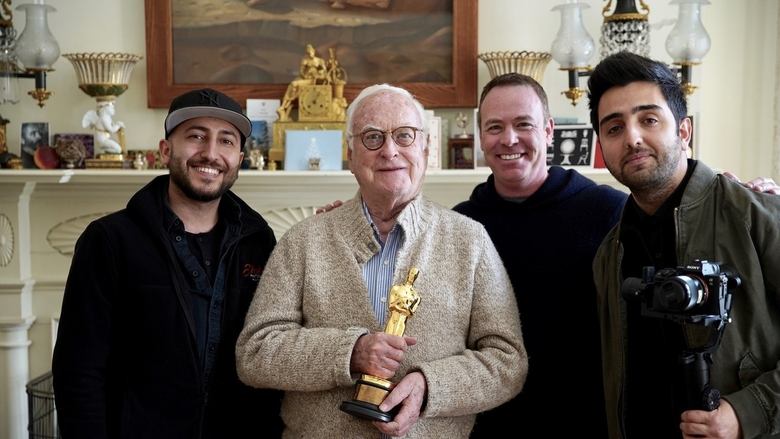
The first definitive feature documentary to lend new and compelling perspectives on the partnership, both professional and personal, of director James Ivory, producer Ismail Merchant, and their primary associates, writer Ruth Prawer Jhabvala and composer Richard Robbins. Footage from more than fifty interviews, clips, and archival material gives voice to the family of actors and technicians who helped define Merchant Ivory’s Academy Award-winning work of consummate quality and intelligence. With six Oscar winners among the notable artists participating, these close and often long-term collaborators intimately detail the transformational cinematic creativity and personal and professional drama of the wandering company that left an indelible impact on film culture.
Documentary on the making of Gus Van Sant's "Psycho."
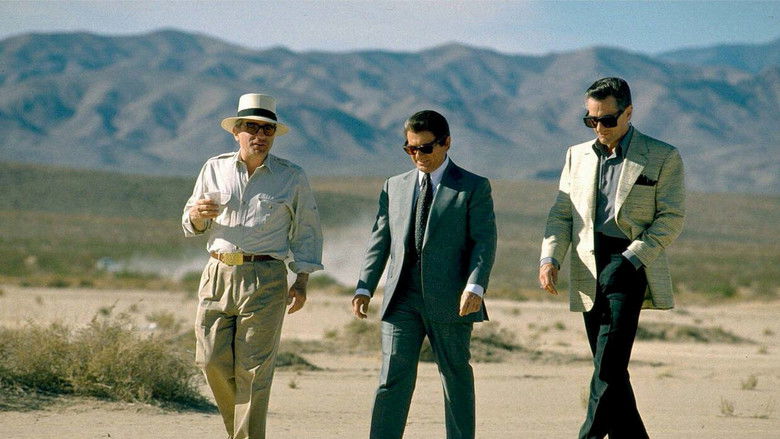
A four-part making-of documentary about Scorcese’s 1995 Vegas crime epic Casino featured in physical media releases and split into sections on the Story, the Cast and Characters, the Look and After the Filming.
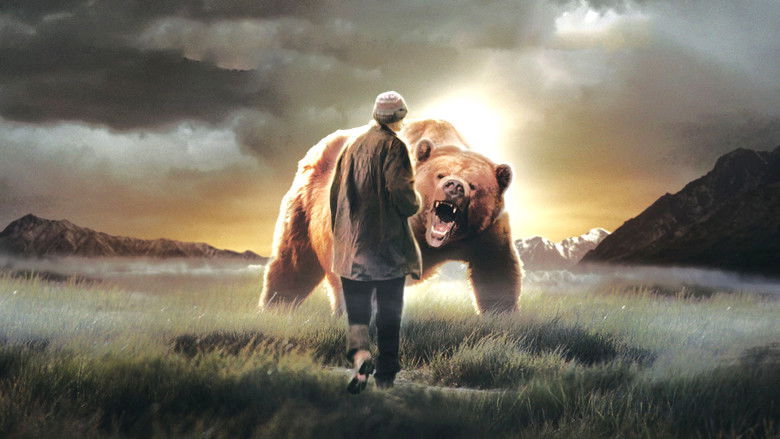
Follows the story of "Grizzly Man" Timothy Treadwell and what the thirteen summers in a National Park in Alaska were like in his attempt to protect the grizzly bears. The film is full of unique images and a look into the spirit of a man who sacrificed himself for nature.
Academy Award winning make-up artist Rick Baker reflects on An American Werewolf In London and The Wolfman.
Actors Anne Dorval, Suzanne Clément, Monia Chokri, Gaspard Ulliel, Vincent Cassel, Niels Schneider and Melvil Poupaud discuss working with the young Canadian director Xavier Dolan, who has conquered the hearts of both cinema lovers and prestigious festival juries with his films. To French actress Nathalie Baye, he seems very experienced despite his young age, while Cannes Director Thierry Frémaux says he may be insolent, but everyone agrees he is passionate, creative, a perfectionist and... in a hurry.
A chronological look at the creative life of Luchino Visconti (1906-1976). It examines his theatricality, role in the neorealist movement, use of melodrama, and relation to decadence. It touches on the impact of a fabulously wealthy childhood, his writing for "Cinema," his politics, his work with Renoir, his appreciation of Thomas Mann, and his deep knowledge of literature and the arts. Visconti moves constantly between film and the theater, staging plays provocatively, working with Maria Callas at La Scala, and shooting films in theaters. Clips from his films and interviews with actors, crew members, and critics provide details for this portrait of creativity.
Handbook of Movie Theaters’ History is a documentary about the history, the development in the present days and the future of movie theaters in the city of Turin, Italy. It mixes the documentary language with comedy and fiction, and is enriched by interviews to some of the most important voices of Turin cinematography. The film follows the evolution of movie theaters by enlightening its main milestones: the pre-cinema experiences in the late 19th Century, the colossals and the movie cathedrals of the silent era, the arthouse theaters, the National Museum of Cinema, the Torino Film Festival, the movie theaters system today and the main hypothesis about its future.
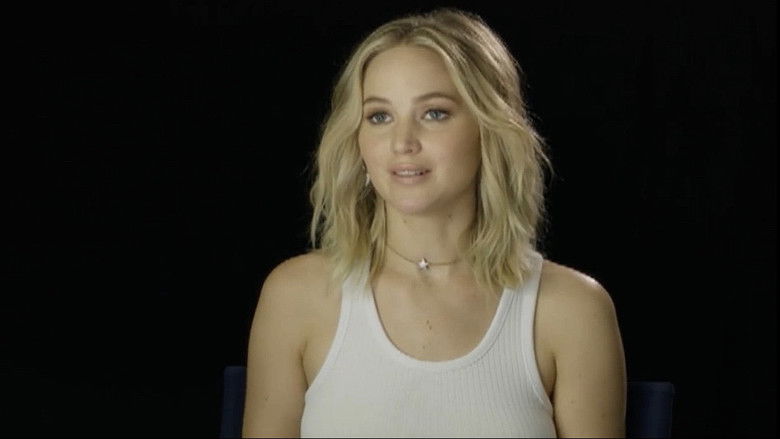
A behind-the-scenes account that explores the film's production in detail, including intriguing footage from the lengthy rehearsal process. Appropriately enough, the documentary opens with Aronofsky and others explaining why the film can't be described.
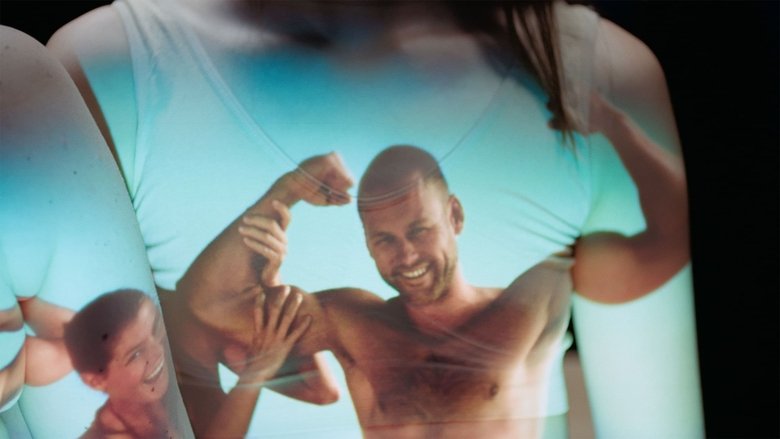
Hormones – without them, nothing would work in our body: the messenger substances control our physical and mental state. New studies show how complex the connection between hormones, feelings and behavior really is. Surprisingly, the body's own hormone production is also apparently influenced by a person's behavior.
For over 60 years, Studs Terkel elevated the voices and experiences of everyday Americans through his skillful interviews on radio, in books and on TV. This documentary takes a fond and illuminating look back at one of America's most influential authors and media personalities whose curiosity about people never dimmed over the course of a long and brilliant career.

A look at the state of the global environment including visionary and practical solutions for restoring the planet's ecosystems. Featuring ongoing dialogues of experts from all over the world, including former Soviet Prime Minister Mikhail Gorbachev, renowned scientist Stephen Hawking, former head of the CIA R. James Woolse
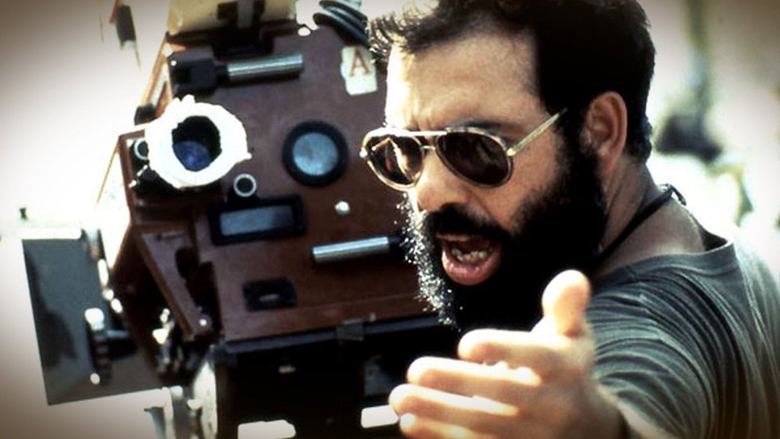
A chronicle of the production problems — including bad weather, actors' health, war near the filming locations, and more — which plagued the filming of Apocalypse Now, increasing costs and nearly destroying the life and career of Francis Ford Coppola.
A detailed history of documentary filmmaking in the US and the UK from 1929 to 1945. The first part, Working for Change, focuses on 1929-1941 and the social movements of the times, The Great Depression, The New Deal, and the awakening of the Leftwing in the UK. The second part, The Strategy of Truth, focuses on 1933-1946 and explores the role of film as propaganda during World War II, and the different forms it took in the US, the UK, and Germany.
When Francois Truffaut approached Alfred Hitchcock in 1962 with the idea of having a long conversation with him about his work and publishing this in book form, he didn't imagine that more than four years would pass before Le Cinéma selon Hitchcock finally appeared in 1966. Not only in France but all over the world, Truffaut's Hitchcock interview developed over the years into a standard bible of film literature. In 1983, three years after Hitchcock's death, Truffaut decided to expand his by now legendary book to include a concluding chapter and have it published as the "Edition définitive". This film describes the genesis of the "Hitchbook" and throws light on the strange friendship between two completely different men. The centrepieces are the extracts from the original sound recordings of the interview with the voices of Alfred Hitchcock, Francois Truffaut, and Helen Scott – recordings which have never been heard in public before.
A behind-the-scenes look at the creative process behind Juzo Itami's "Minbo no Onna" a.k.a. "Minbo: the Gentle Art of Japanese Extortion".