
Songs for After a War (1976)
A particular reading of the hard years of famine, repression and censorship after the massacre of the Spanish Civil War (1936-39), through popular culture: songs, newspapers and magazines, movies and newsreels.
A particular reading of the hard years of famine, repression and censorship after the massacre of the Spanish Civil War (1936-39), through popular culture: songs, newspapers and magazines, movies and newsreels.
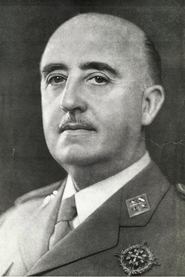 Francisco FrancoSelf (archive footage)
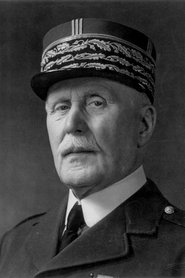 Philippe PétainSelf (archive footage)
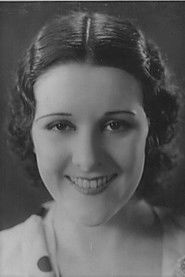 Imperio ArgentinaSelf (archive footage)
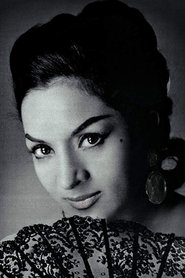 Lola FloresSelf (archive footage)
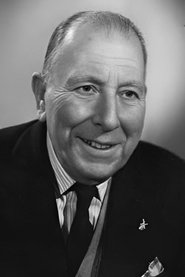 José IsbertDon Pablo (archive footage) (uncredited)
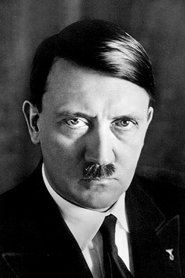 Adolf HitlerSelf (archive footage) (uncredited)
 Manuel AzañaSelf (archive footage) (uncredited)
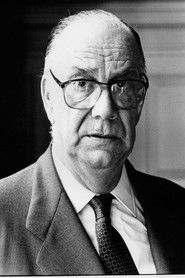 Camilo José CelaSelf (archive footage) (uncredited)
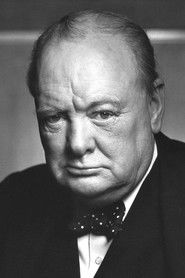 Winston ChurchillSelf (archive footage) (uncredited)
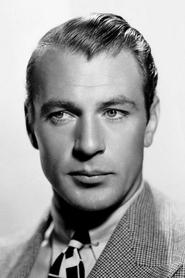 Gary CooperSelf (archive footage) (uncredited)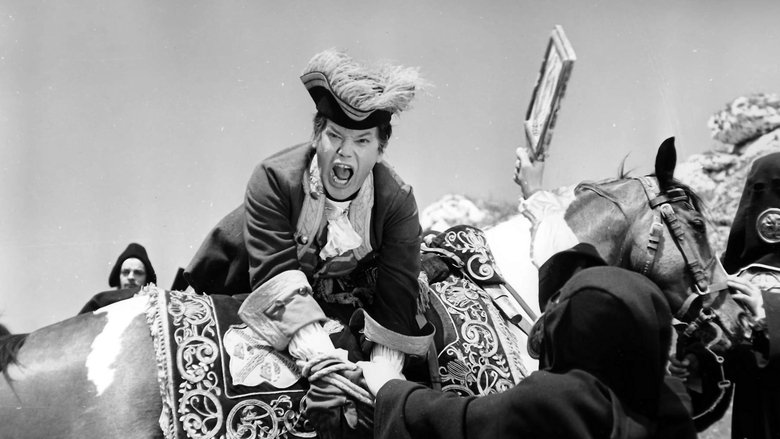
During the Napoleonic wars, a Spanish officer and an opposing officer find a book written by the former's grandfather.

Manuela is left behind when her husband Justo fights for his ideals against Franco's Nationalists during the Spanish Civil War. He is deported to a concentration camp, and upon his release, continues the fight against nationalism in the French resistance. Years pass without a word from him, but his wife never gives up hope of seeing him again.
The Colegio de Arquitectos de Catalunya commissioned Pere Portabella to make this film for the Joan Miró retrospective exhibit in 1969. There were heated discussions on whether it would be prudent to screen the film during the exhibit. Portabella took the following stance: "either both films are screened or they don't screen any" and, finally, both Miro l'Altre and Aidez l'Espagne were shown. The film was made by combining newsreels and film material from the Spanish Civil War with prints by Miró from the series "Barcelona" (1939-1944). The film ends with the painter's "pochoir" known as Aidez l'Espagne.
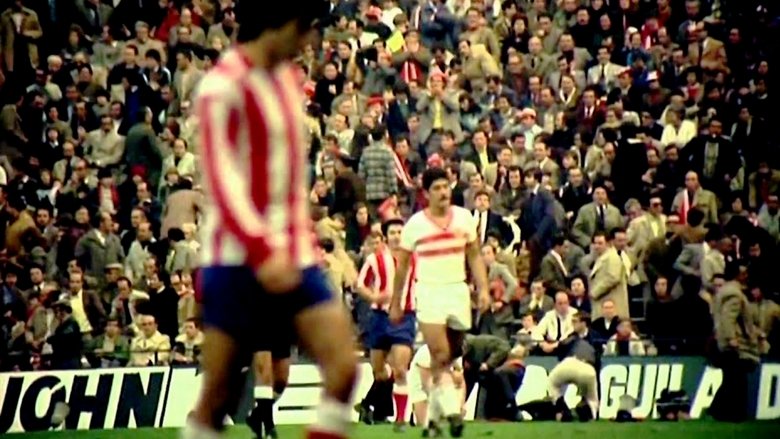
Any given Sunday of 1974 in Spain, soccer games in several stadiums, the sarcastic voice of commentators, the inevitable presence of advertising. Goal! The victors and the defeated.
Due to the increasing privatization of basic public services in Spain, companies such as BB Serveis are accused of misappropriating several million euros of public money intended to finance care for the elderly and other dependent persons.
On September 6, 2017, the Catalan regional government called an independence referendum. This propagandistic documentary by the Catalan government collects the experiences of an illegal referendum that led to the virtual independence of Spanish territory and the biggest constitutional crisis in Spain since 1981
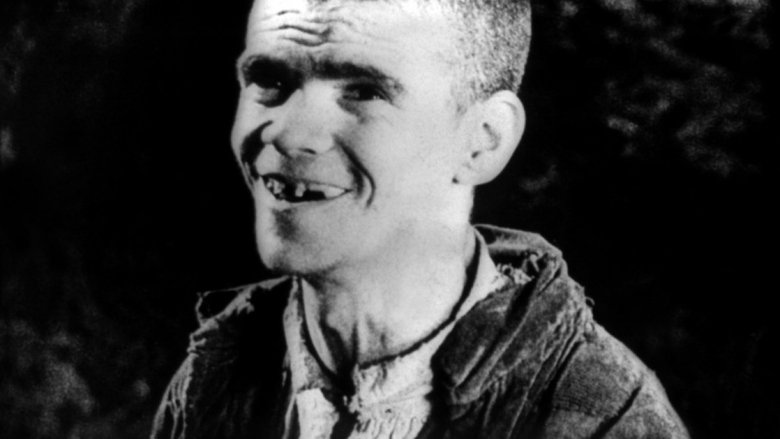
An exploration —manipulated and staged— of life in Las Hurdes, in the province of Cáceres, in Extremadura, Spain, as it was in 1932. Insalubrity, misery and lack of opportunities provoke the emigration of young people and the solitude of those who remain in the desolation of one of the poorest and least developed Spanish regions at that time.
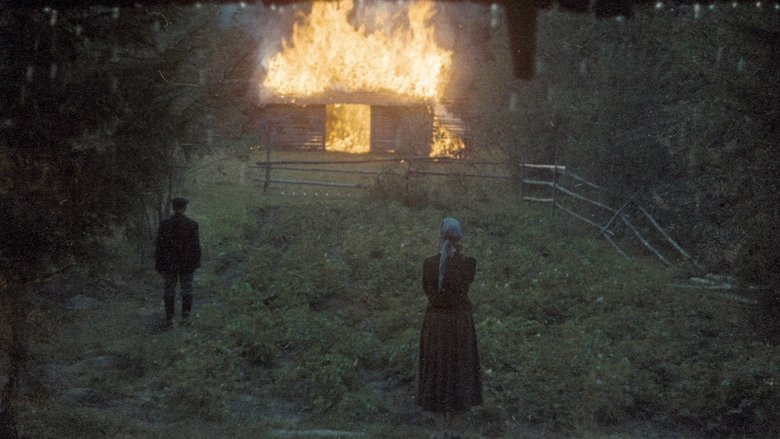
A dying man in his forties recalls his childhood, his mother, the war and personal moments that tell of and juxtapose pivotal moments in Soviet history with daily life.
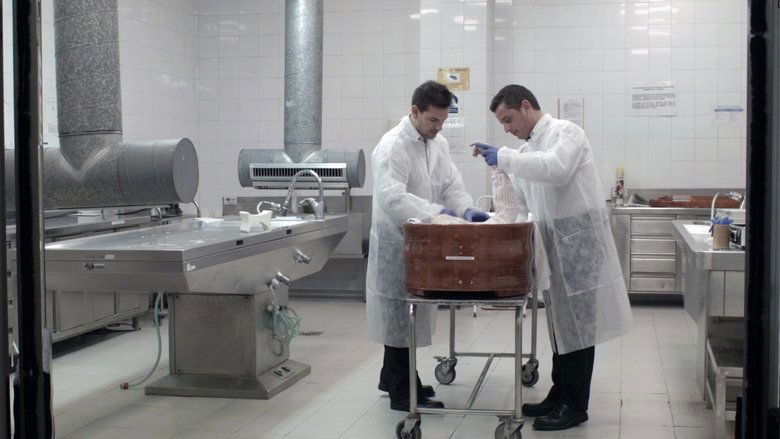
The human being feels generally as fascinated as fearful before death and the inevitable fact of dying. Workers at the cemetery of Palma de Mallorca, in Spain, face this harsh reality every day, so they have found a way to deal with it.
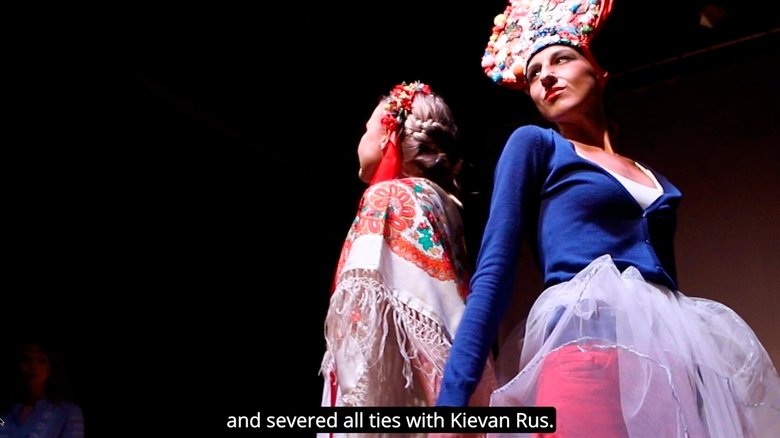
Film made by activists who lived for a month in the Plaça de Catalunya in Barcelona after the start of a full-scale Russian invasion of Ukraine in 2022.
This Traveltalk series short looks at four of Spain's most famous cities, Granada, Seville, Toledo, and Madrid, with an emphasis on the Moors and their influence on the country.

After fighting on the Republican side during the Spanish Civil War, a man goes into exile in France while his family waits for his return in a Catalan village.

Director Carrie Cracknell makes her Met debut, reinvigorating the classic story with a staging that moves the action to the modern day, in a contemporary American industrial town.
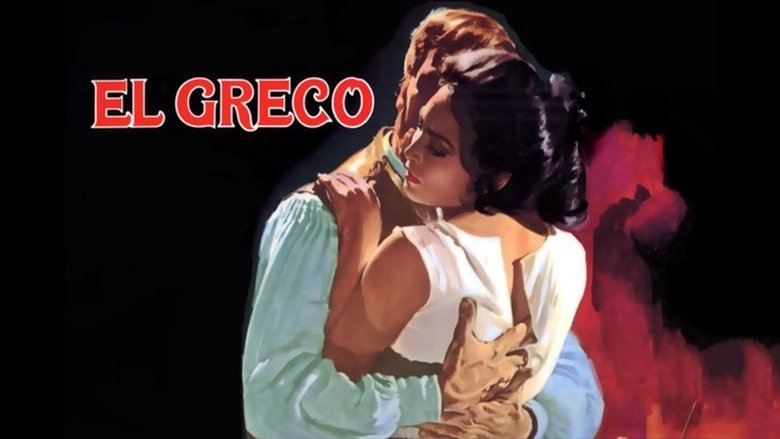
Greek painter Domenikos Theotokopoulos (Mel Ferrer) woos a beauty (Rosanna Schiaffino) and faces the Inquisition in 16th-century Spain.
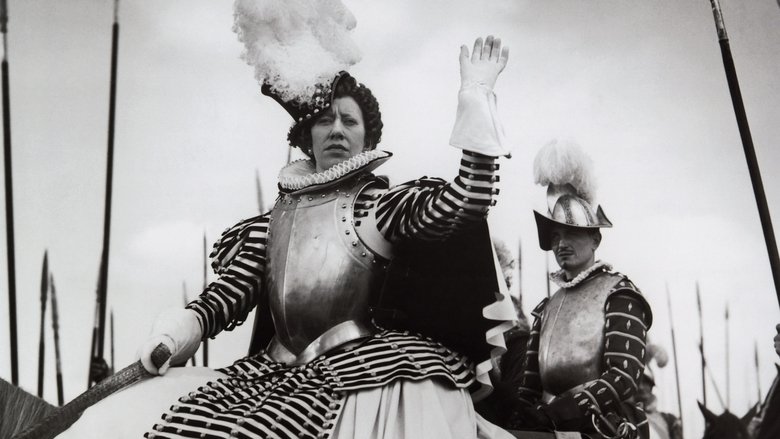
The film is a historical drama set during the reign of Elizabeth I (Flora Robson), focusing on the English defeat of the Spanish Armada, whence the title. In 1588, relations between Spain and England are at the breaking point. With the support of Queen Elizabeth I, British sea raiders such as Sir Francis Drake regularly capture Spanish merchantmen bringing gold from the New World.
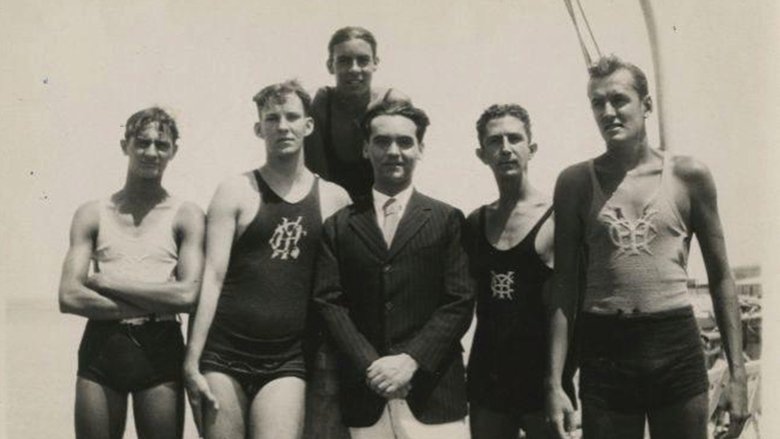
A history of the political and social repression carried out by the ruthless regime of Spanish dictator Francisco Franco between 1936 and 1975 that focuses on the lives of gays and lesbians during those dark years and the death of the Spanish gay poet Federico García Lorca.
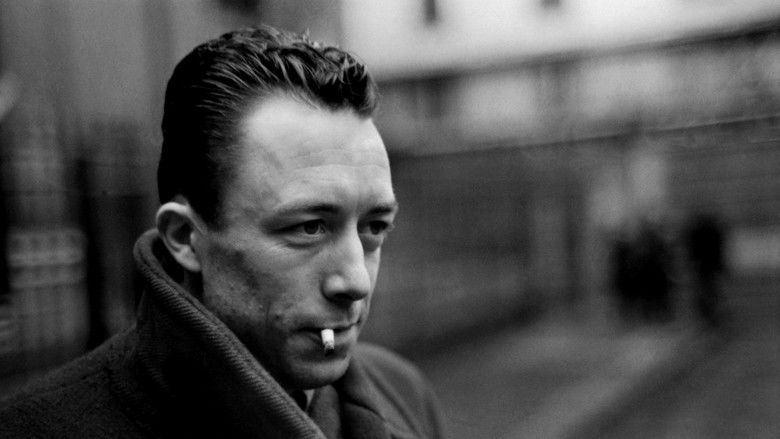
An account of the brief life of the writer Albert Camus (1913-1960), a Frenchman born in Algeria: his Spanish origin on the isle of Menorca, his childhood in Algiers, his literary career and his constant struggle against the pomposity of French bourgeois intellectuals, his communist commitment, his love for Spain and his opposition to the independence of Algeria, since it would cause the loss of his true home, his definitive estrangement.
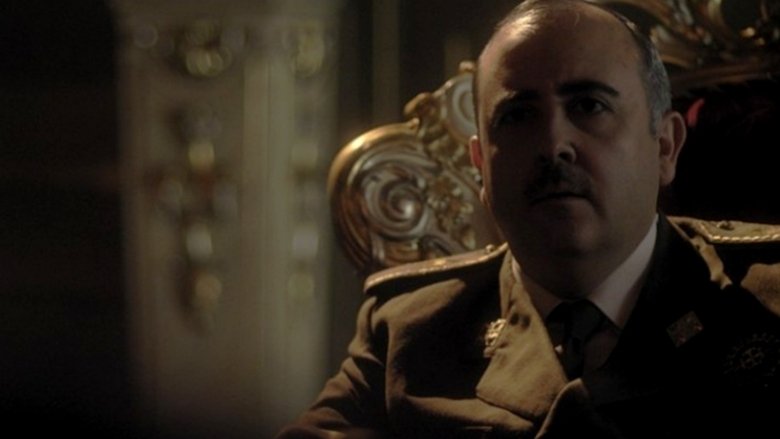
Spain, 1953. Pedro Zaragoza, mayor of the city of Benidorm, in the province of Alicante, by the Mediterranean Sea, visits the Palacio del Pardo, General Franco's residence in Madrid, to ask him for help, in the hope of solving a very delicate problem.
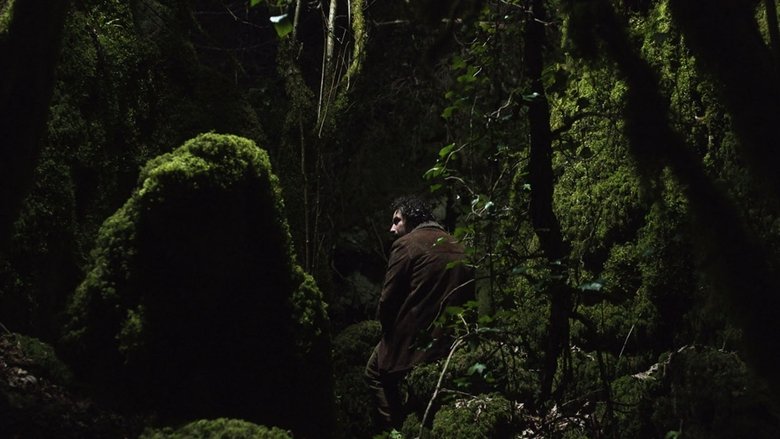
Anxo returns to his home village in the Galician countryside. There, he is greeted with concern by the victorious and the defeated, who see in him the danger of diving back into their silenced memories.
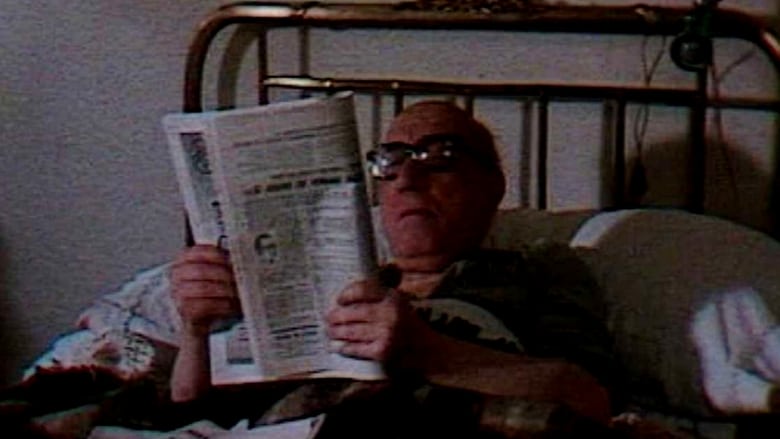
Famous Spanish film critic Alfonso Sánchez talks about his personal life, his work and Anouk Aimée. A sentimental tribute to one of the most relevant figures on the Spanish film scene.