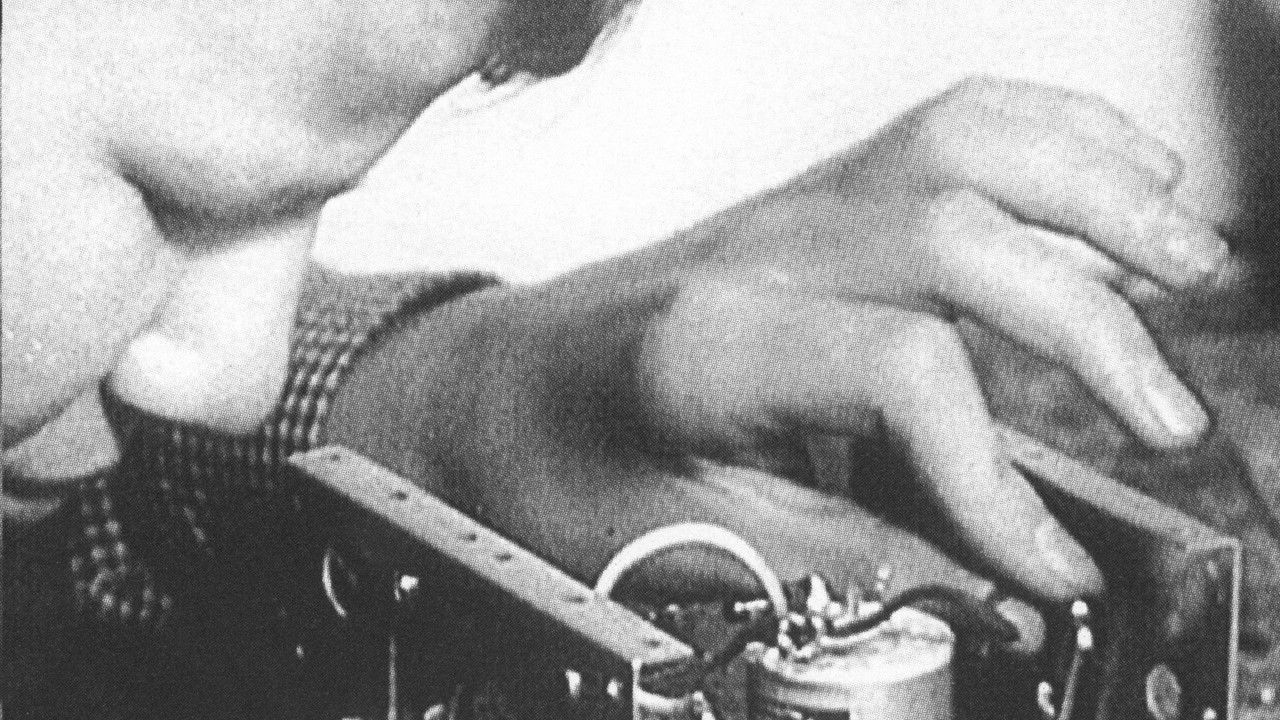
The Blind Child (1964)
With the use of montage sequences, voiced over with the observations of the children, van der Keuken was able to use artistic expression to portray the sightless children’s unique perspective of the world.
With the use of montage sequences, voiced over with the observations of the children, van der Keuken was able to use artistic expression to portray the sightless children’s unique perspective of the world.

When Gordon Gund went blind in 1970 at age 30 due to retinitis pigmentosa, he resolved to find a cure for the disease and created the Foundation Fighting Blindness. After decades of scientific research, a major breakthrough emerged, and this short film showcases the inspirational story of a 17-year-old Belgian boy who is a beneficiary of this work.
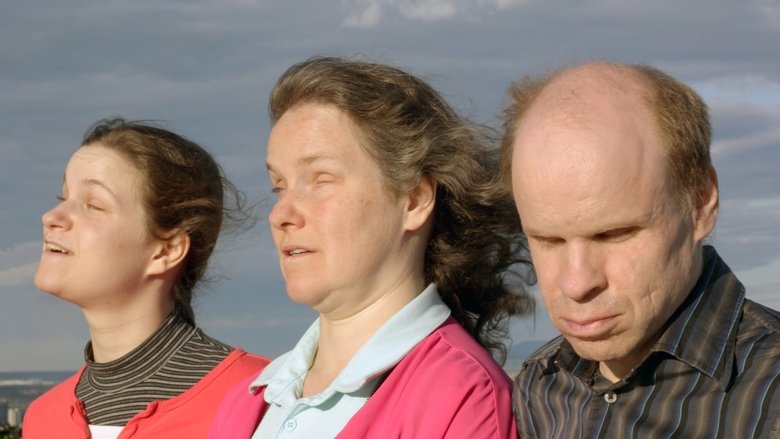
Traces the lives of the Hartings, a blind Montreal family of three who make their living singing in the city's subway stations. The Hartings lost their only sighted child Hassan in a tragic drowning accident, and have since turned to the teachings of Russian mystic Grigori Grabovoi, hoping to resurrect their son. Resurrecting Hassan is an exploration of this family's legacy of grief, tragedy and abuse; the film will follow them on their path to redemption.
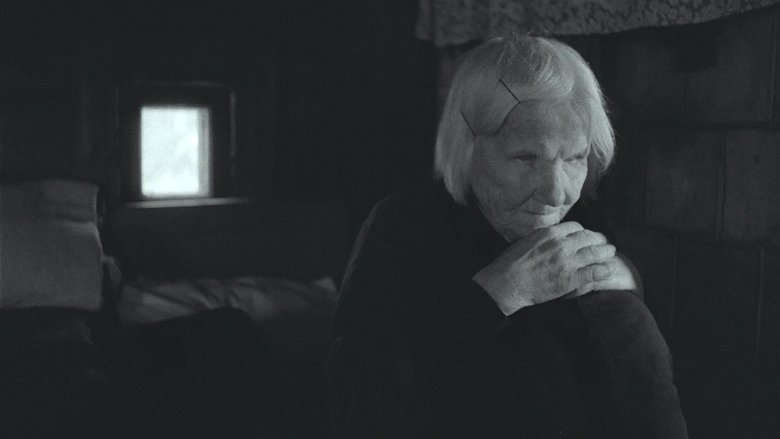
The film springs from at least three ideas connected to each other in an irrational way: the story of a cow being taken to the butcher, the description of simple pleasures, how to ascend to the top of a hill and descend in a wheelbarrow, and the portraiture of a several blind people. The great, big eyes of the cows are seen in contrast to the unseeing eyes of the blind people.
A brief glimpse through the life of Granny Lue. A woman of faith, fearlessness, and fierce energy, she never allowed her disability to determine her ability to live.
Sven has a dream. Once in his life he wants to walk the Camino de Santiago - the Way of St. James. But that seems impossible, Sven has Usher syndrome, a disease which slowly, inexorably robs him of hearing and vision. Profoundly deaf and completely blind since 2010, he can only communicate using a special hearing aid in the spoken language.
In the summer of 1983, just days before the birth of his first son, writer and theologian John Hull went blind. In order to make sense of the upheaval in his life, he began keeping a diary on audio cassette.
Four blind Indian boys compete to become chess masters.
Having undergone a laser eye surgery, Søren struggles with complications that causes his eyesight to worsen. In an attempt to better understand his new reality, Søren starts to film the world around him.
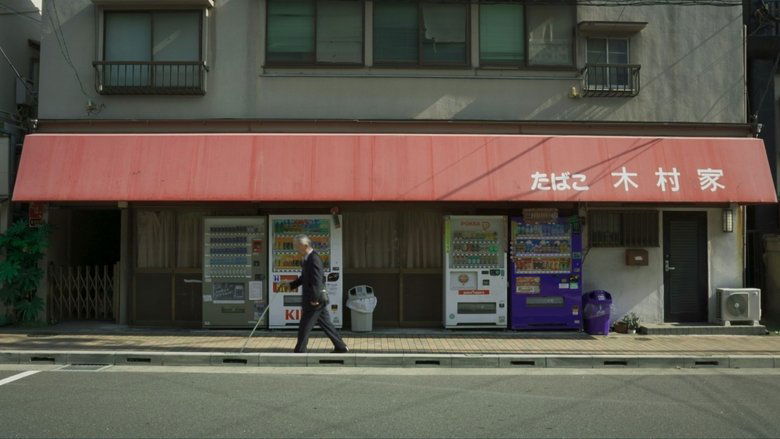
The film follows five people who lost their sight in armed conflicts, gathering fragments of their present-day lives. Through an enveloping sound composition, veiled archival material, footage shot by the protagonists themselves, and a sensitive visual approach, the film explores memory, perception, and our relationship to the visible. Steering away from spectacle, it invites us to hear what often goes unheard, and to feel differently. In an age saturated with images, this documentary offers a sensory experience where listening becomes a gesture of resistance and human reconnection.
Nathan Quinell is a fully trained chef… he also happens to be legally deaf and blind. That’s never stopped him from chasing his dreams to become a full-time cook, but now Nathan must prove himself to his peers, his students and potential employers.
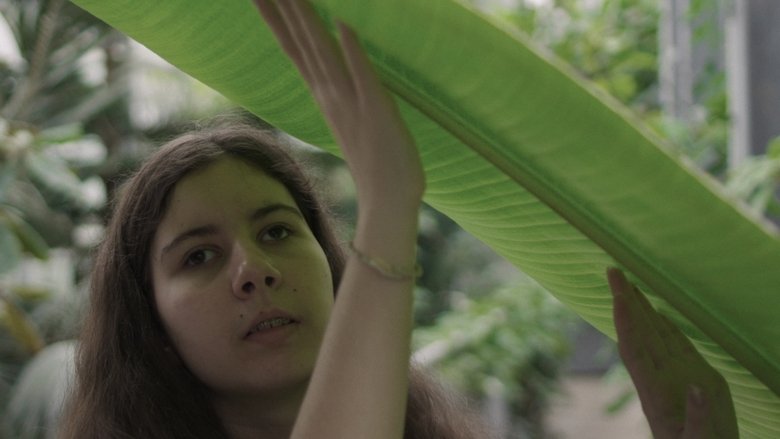
Confessions of people who have lost their sight during their lives. What are their feelings and how do they view their apparent handicap?
Blind musical prodigy Kyle Woodruff defies prejudice and expectations to become a skilled educator and the first blind male member of the Tabernacle Choir at Temple Square.
A slice-of-life documentary following Ulla, a blind woman adjusting to life after eye removal surgery. With the help of her guide dog, Laina, she navigates Helsinki while pursuing a prosthetic eye and a deeper understanding of photography.
Sculptor/painter Katie Dallam entered the boxing ring for her first professional fight and, 140 blows to the head later, suffered major brain damage. (Her life became the basis for the movie Million Dollar Baby). Irish musician Graham Sharpe’s career was on the rise when advancing tinnitus caused a ringing in his ears so bad that it put an end to his rock-and-roll dreams. Sculptor Alice Wingwall experienced complete loss of sight from a degenerative eye disease. Game over for these three, right? Not so fast. Each managed to struggle, innovate, and, ultimately, through their art, transform themselves into someone new.
Patrick, who has had diabetes for 25 years and is treated with insulin, is gradually losing his sight. He has agreed to laser treatment as the only alternative to total blindness, a treatment that destroys almost the entire retina, leaving only central vision. For three years, the director followed him in his daily life, walking towards darkness, where he learns day by day to touch, listen, guess, feel, and resist. The camera narrows its field of view over time to "see" as Patrick does.
The Way Bobby Sees It is a gripping documentary about Bobby McMullen, a competitive mountain biker on a mission to race the most demanding downhill course in the country. Adding to the difficulty: Bobby is legally blind. With the help of a guide and a rigorous training schedule, Bobby is determined to race his bike down a course riddled with obstacles and flanked by steep, life-threatening cliffs. But, the racecourse isn't the only challenge in Bobby's life. Between thrills, spills and jaw dropping helmet camera footage, we see how Bobby uses humor, determination, and unshakeable optimism to battle adversity - both on and off the bike.
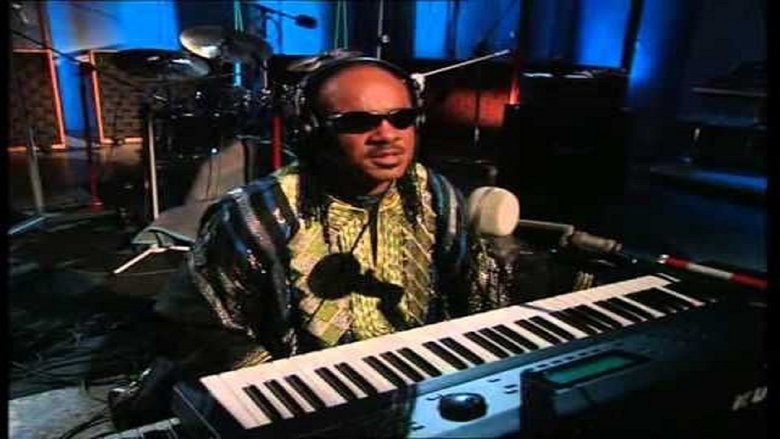
Musicians, producers, family, colleagues and the artist himself look back on the making of Stevie Wonders's classic album "Song In the Key of Life".
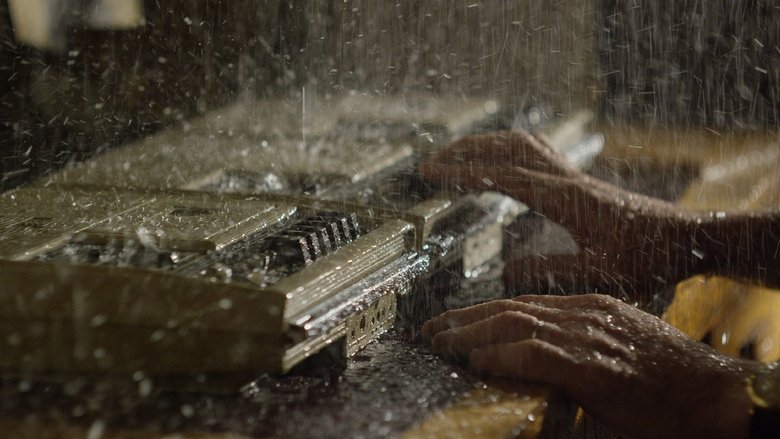
After losing sight in 1983, John Hull began keeping an audio diary, a unique testimony of loss, rebirth and renewal, excavating the interior world of blindness. Following on from the Emmy Award-winning short film of the same name, Notes on Blindness is an ambitious and groundbreaking work, both affecting and innovative.
Through intimate stories and day-to-day routines we get a naturalistic glimpse into the lives of individuals with disabilities in the bustling urban landscape of São Paulo. The film captures personal moments and how modern societies confront (or fail to confront) ableism and inclusion.