
Madama Butterfly (1986)
Opera at La Scala Milan
Opera at La Scala Milan
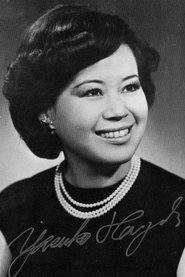 Yasuko HayashiMadama Butterfly
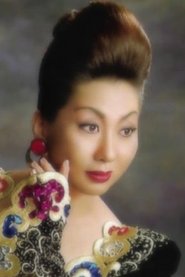 Hak-Nam KimSuzuki
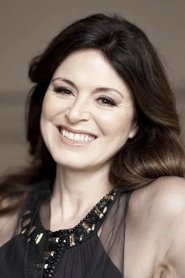 Anna Caterina AntonacciKate Pinkerton
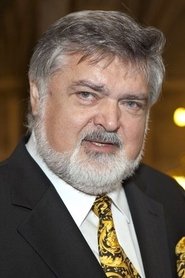 Peter DvorskýB.F. Pinkerton
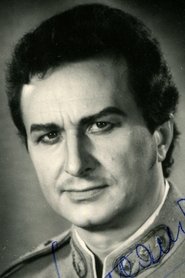 Giorgio ZancanaroSharpless
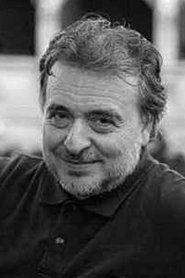 Ernesto GavazziGoro
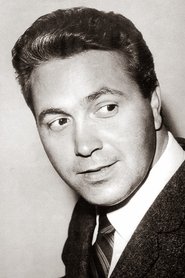 Arturo TestaIl principe YamadoriSergio FontanaLo zio BonzoClaudio GiombiYakusideSilvestro SammaritanoIl commissario imperiale
This film takes you through the inspiring journey of Venezuela's Coro de Manos Blancas (White Hands Choir) while exploring their daily struggles and lives. Established in 1995 as part of Venezuela's El Sistema program, the White Hands Choir provides artistic opportunities for children, youth, and adults with disabilities, utilizing music for social development and inclusion.
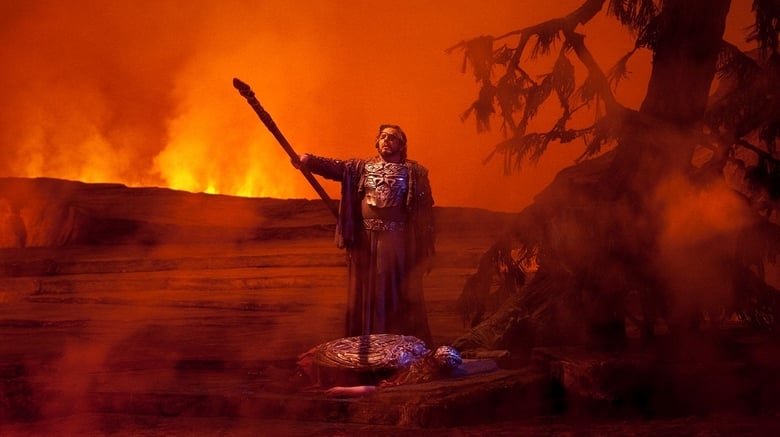
The gorgeous and evocative Otto Schenk/Günther Schneider-Siemssen production continues with this second opera in Wagner’s Ring cycle. Hildegard Behrens brings deep empathy to Brünnhilde, the favorite daughter of the god Wotan (James Morris) who nevertheless defies him. Morris’s portrayal of Wotan is deservedly legendary, as is Christa Ludwig, as Fricka. Jessye Norman and Gary Lakes are Sieglinde and Siegmund, and Kurt Moll is the threatening Hunding. James Levine and the Met orchestra provide astonishing color and drama. (Performed April 8, 1989)
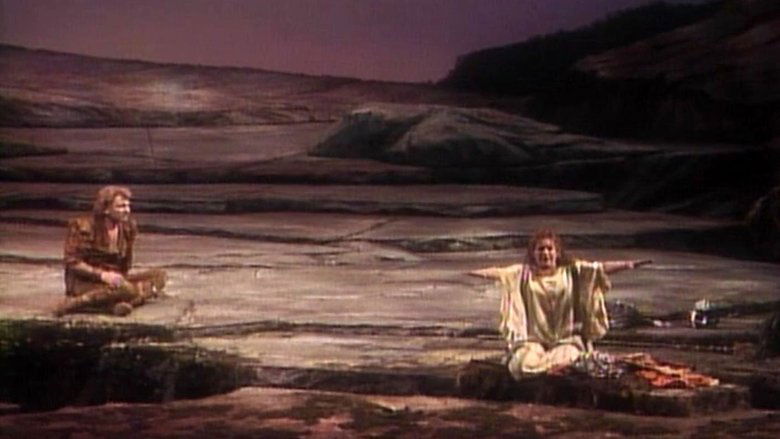
Siegfried is the third of the four operas that constitute Der Ring des Nibelungen (The Ring of the Nibelung), by Richard Wagner.
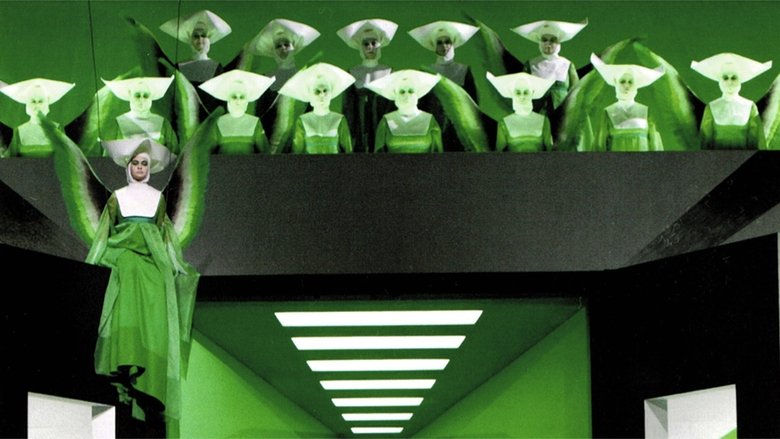
Requiring 38 soloists, chorus, and large orchestra, Hans Pfitzner's "Palestrina" is a challenging opera to stage. In Munich, the city in which it was premiered in 1917, director Christian Stückle, conductor Simone Young, and the Bavarian State Opera met those challenges with stunning success.
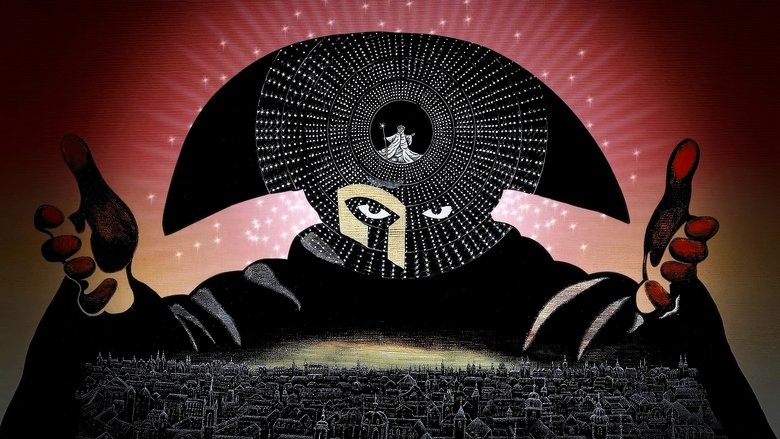
Disciplined Italian composer Antonio Salieri becomes consumed by jealousy and resentment towards the hedonistic and remarkably talented young Salzburger composer Wolfgang Amadeus Mozart.
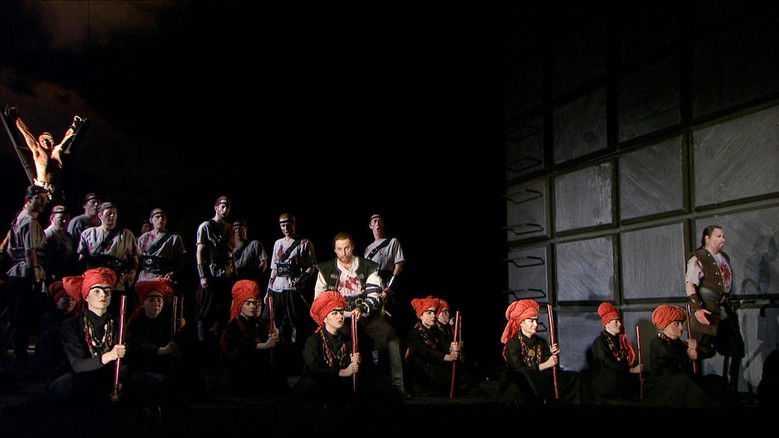
Macbeth, the Thane of Glamis, receives a prophecy from a trio of witches that one day he will become King of Scotland. Consumed by ambition and spurred to action by his wife, Macbeth murders his king and takes the throne for himself.
Set during the reign of Nebuchadnezzar (Nabucco), King of Babylon, the opera tells the tale of Nabucco's fictitious daughters, Abigaille and Fenena, who are rivals for the love of Ismaele, nephew of the King of Jerusalem.
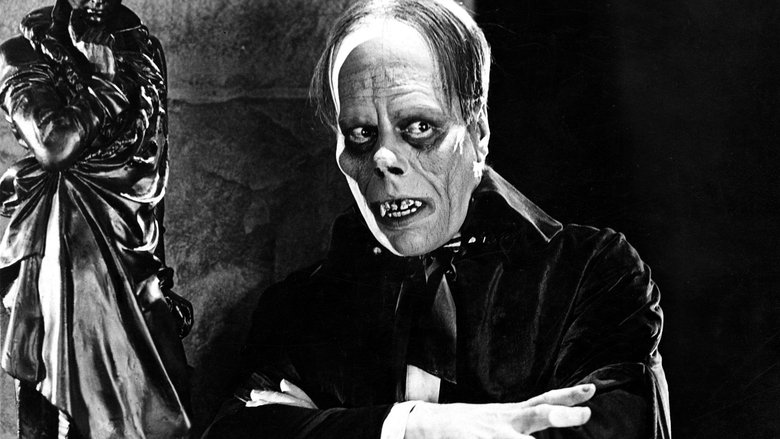
The deformed Phantom who haunts the Paris Opera House causes murder and mayhem in an attempt to make the woman he loves a star.
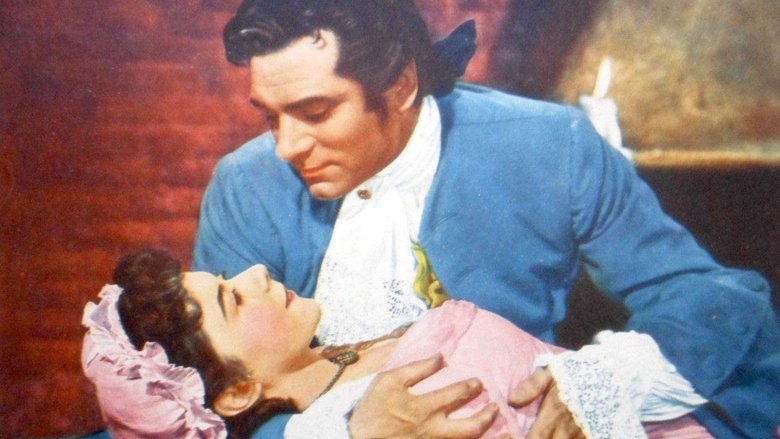
Adaptation of John Gay's 18th century opera, featuring Laurence Olivier as MacHeath and Hugh Griffith as the Beggar.
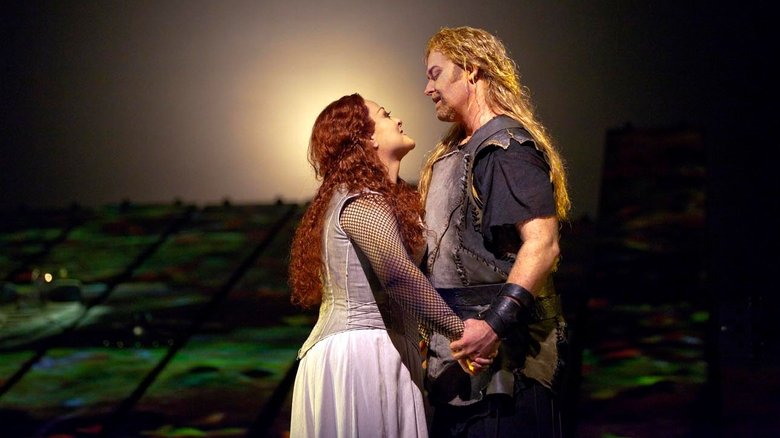
Robert Lepage’s remarkable Met Opera production of Wagner’s Der Ring des Nibelungen, the 2013 Grammy Award Winner for Best Opera Recording, is now available as individual DVDs. Siegfried features Bryn Terfel, Jay Hunter Morris, and Deborah Voigt, with Fabio Luisi conducting.
Ring Cycle, pt 4. Siegfried is drugged and tricked into kidnapping his wife, since she has the Ring now. More double-crossings, Siegfried ends up dead. Brunnhilde has had enough of this, tosses the Ring into the river and torches the place.
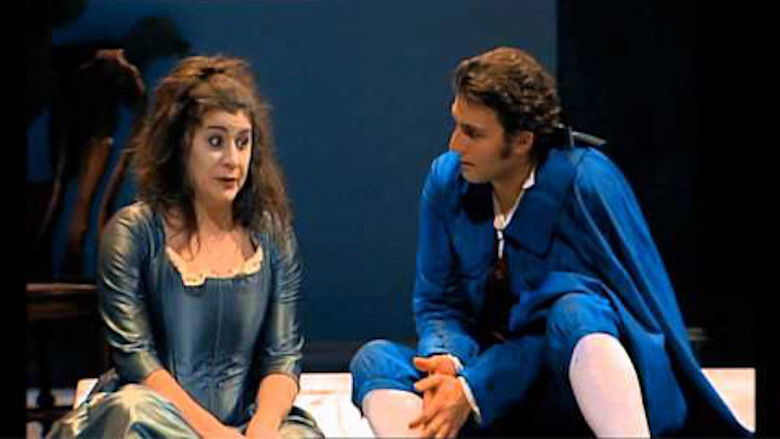
The opera: Nina, o sia La Pazza Per Amore itself, is an extra-ordinary sad and touching story, and seems very difficult to be performed if the singer has no acting talents. Therefore we adore Cecilia Bartoli for the magnificent performance as the crazy Nina who lost her mind totally. Her magnificent singing, we don't doubt at all, but her acting is amazingly such that it expressed a real situation of a girl becoming crazy and losing her mind caused by painful incidents in her love life. It is also supported by the other singers who are singing matching as perfectly and splendidly as the diva Cecilia Bartoli, especially the baritone Laszlo Polgar with his deep rich voice as the cruel father who has remorse and came back to see his daughter Nina and the young tenor Jonas Kauffmann with his clear light voice, resulting in a surprisingly beautifully performed opera.
Three arias from Antonín Dvořák´s fairytale opera Rusalka turned in to a movie, sung by Gabriela Beňačková (Rusalka), Libuše Márová (Witch), René Tuček (Hunter).

Henry Purcell's opera Dido & Aeneas, completed in 1689, was the subject of a memorable and breathtaking performance at the Staatsoper Berlin in 2005. In Dido & Aeneas Sasha Waltz opens up new horizons in music theatre, creating a fusion of dance, singing and music the choreographic opera. The (extended, revised) libretto, the (reconstructed) music, vocal parts, dance, the stage set featuring a rousing underwater ballet combine to form a sublime total choreography and parallel action involving dancers, singers and musicians. In this choreographic opera, Sasha Waltz demonstrates not only her familiarity with Emile Jaques-Dalcroze and Pina Bausch, but also the confidence she has in her own style. Sensational!
Since its premiere on 2 June 1937 in Zurich, Alban Berg's second opera "Lulu" has the reputation of being surrounded by scandals. On the one hand, this is due to the dubious character of the subject, the man-eating femme fatale, which Berg had taken from Frank Wedekind's two Lulu tragedies – "The Earth Spirit" and "Pandora's Box" – and combined into one opera libretto. On the other hand, Berg's widow had (for personal reasons) repeatedly refused to have the opera completed, which was unfinished when Berg died. This video is of the unfinished two-act torso of "Lulu."
Die Walküre (The Valkyrie), WWV 86B, is an opera in three acts by Richard Wagner with a German libretto by the composer. It is the second of the four operas that form Wagner's cycle Der Ring des Nibelungen (The Ring of the Nibelung). The story of the opera is based on the Norse mythology told in the Volsunga Saga and the Poetic Edda.[1][2] In Norse mythology, a valkyrie is one in a group of female figures who decide which soldiers die in battle and which live. Die Walküre's best-known excerpt is the "Ride of the Valkyries". DVD release June 2009.
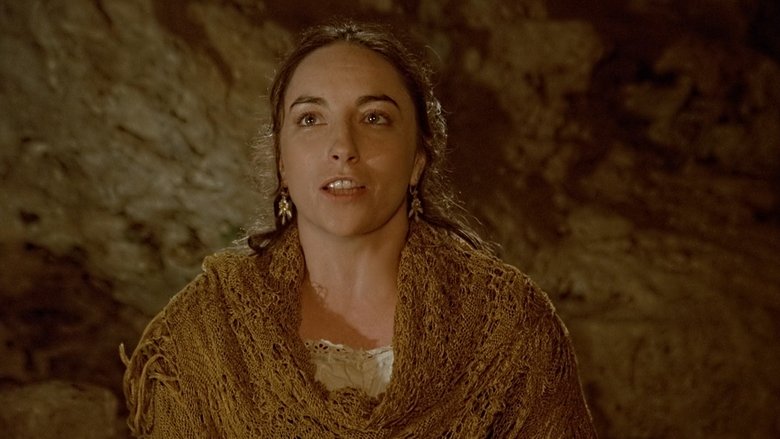
A film version of the famous Bizet opera, where a soldier (Don Jose) falls in love with a beautiful factory worker (Carmen), but she does not reciprocate his feelings.
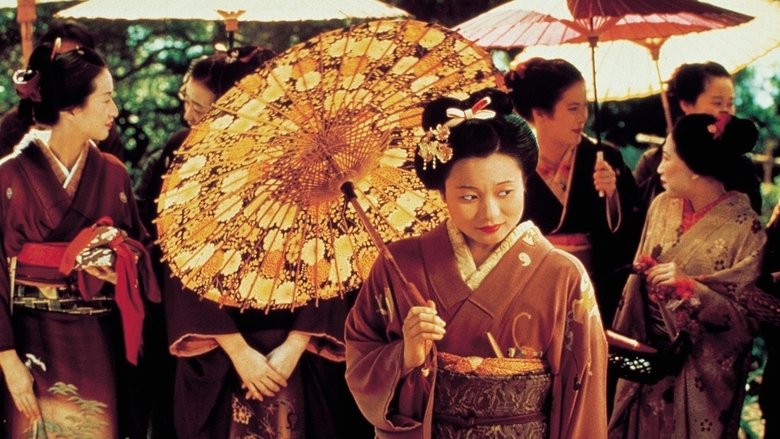
Cio-Cio-San, a young Japanese geisha, seeks to fulfill her dreams through marriage to an American naval officer. Her faith in their future is shattered by his empty vows and the loss she endures touches something deep within us all.
La traviata (Italian: [la traˈviaːta], "The Fallen Woman"[1][2]) is an opera in three acts by Giuseppe Verdi set to an Italian libretto by Francesco Maria Piave. It is based on La dame aux Camélias (1852), a play adapted from the novel by Alexandre Dumas, fils. The opera was originally entitled Violetta, after the main character. It was first performed on 6 March 1853 at the La Fenice opera house in Venice. Piave and Verdi wanted to follow Dumas in giving the opera a contemporary setting, but the authorities at La Fenice insisted that it be set in the past, "c. 1700". It was not until the 1880s that the composer and librettist's original wishes were carried out and "realistic" productions were staged.[3]