
Top billed cast
- Jules ChampagneJules Champagne
- Denis DuteauDenis Duteau
- Gerard NoelGerard Noel
Similar to Anticosti: La chasse au pétrole extrême
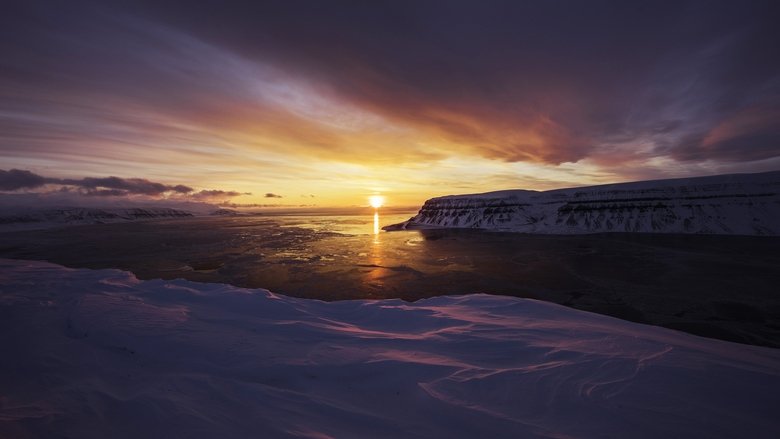
Ice on Fire (2019)
An eye-opening documentary that asks the question: Are we going to let climate change destroy civilization, or will we act on technologies that can reverse it? Featuring never-before-seen solutions on the many ways we can reduce carbon in the atmosphere thus paving the way for temperatures to go down, saving civilization.
Another World (2014)
A feature documentary about the journey of mankind to discover our true force and who we truly are. It is a quest through science and consciousness, individual and planetary, exploring our relationships with ourselves, the world around us and the universe as a whole.
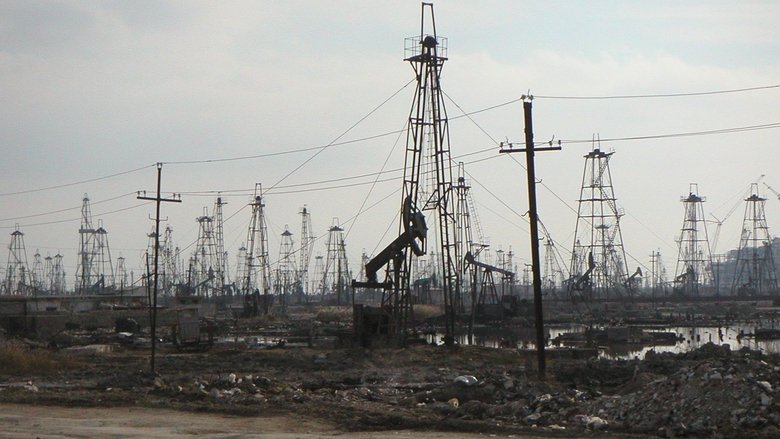
A Crude Awakening (2006)
Basil Gelpke and Ray McCormack's nonfiction treatise Crude Awakening joins Maxed Out, An Inconvenient Truth, and other recent documentaries devoted to unearthing and exploring forces that are untying the connective threads of contemporary society. The subject at hand is crude oil - specifically, the depletion of petroleum from the Earth, in an era when consumption threatens to exceed supply.
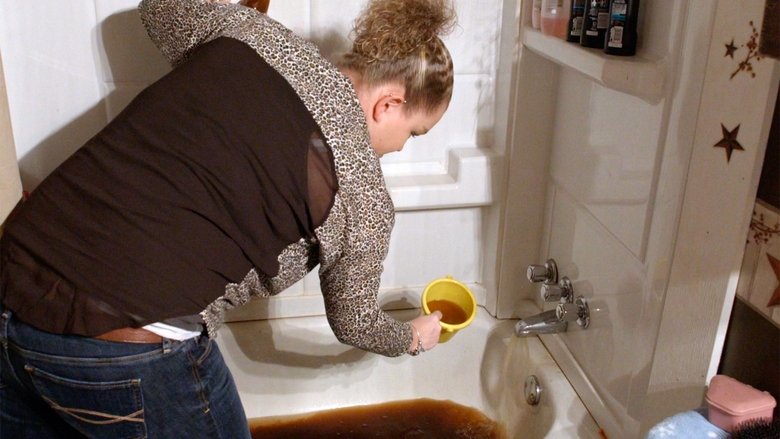
What Lies Upstream (2017)
In this detective story, filmmaker Cullen Hoback investigates the largest chemical drinking water contamination in a generation. But something is rotten in state and federal regulatory agencies, and through years of persistent journalism, we learn the shocking truth about what’s really happening with drinking water in America.

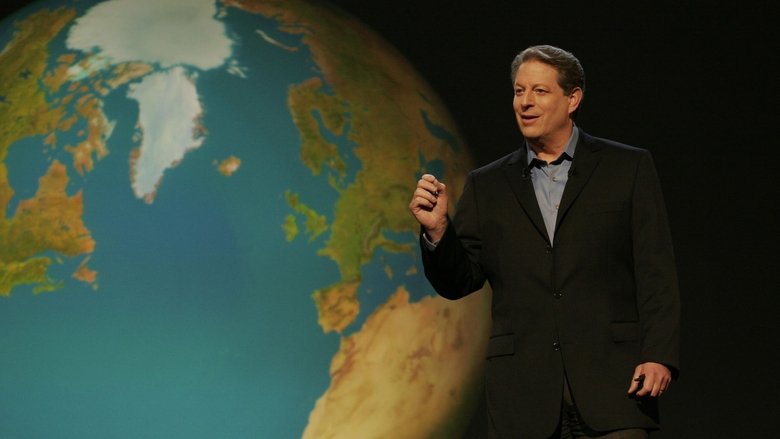
An Inconvenient Truth (2006)
A documentary on Al Gore's campaign to make the issue of global warming a recognized problem worldwide.
Empty Oceans, Empty Nets (2002)
Examines the global fisheries crisis and the forces pushing many marine fish stocks toward commercial extinction. Documents some promising and innovative efforts to restore fisheries and protect essential fish habitat. Examines new market initiatives giving consumers a powerful vote in deciding how our oceans are fished. Commentary is provided by fishermen and by many of the world's most respected marine and fisheries scientists.
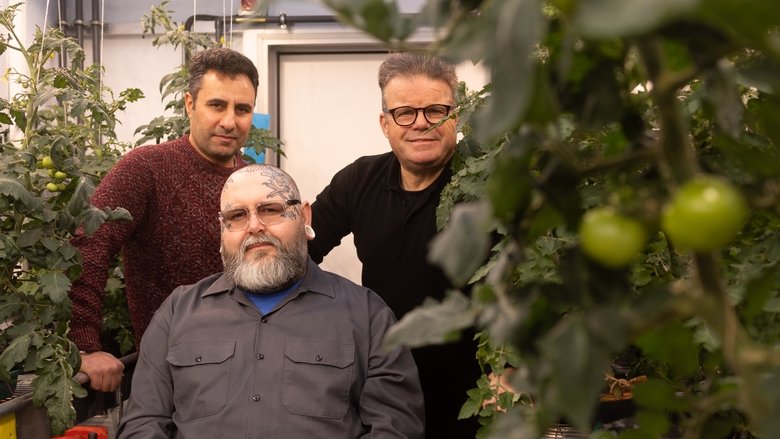
The Catastrophe Garden (2022)
It is a daring idea: to grow food from old mattresses in a desolate camp at the edge of a war zone. When a refugee scientist meets two quirky professors, they must confront their own catastrophes - and make a garden grow. Short film now streaming on Waterbear.com.
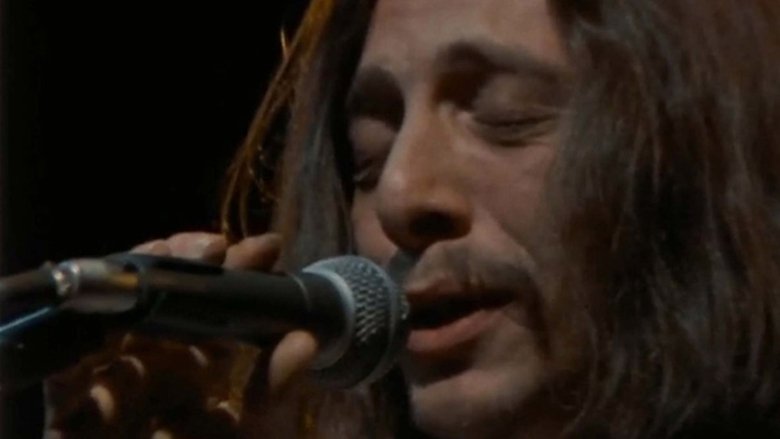
Harmonium in California (1980)
Through concerts and interviews, folk-progressive group Harmonium takes Quebec culture to California. This documentary full of colour and sound, filmed in California in 1978, recounts the ups and downs of the journey of the Quebec musical group Harmonium, who came to feel the pulse of Americans and see if culture, their culture, can succeed in crossing borders.
Jack Rabbit
This short film retraces the life of Herman Smith Johannsen – the man who introduced the sport of cross-country skiing to Canadians. From past to present, his life story is portrayed through pictures from sports newsreels, Norwegian archives and his family album. The film catches up with him at both the Canadian Ski Marathon, where he is the honoured guest, and on a return trip to his native Norway.
Watershed: Exploring a New Water Ethic for the New West (2012)
As the most dammed, dibbed, and diverted river in the world struggles to support thirty million people and the peace-keeping agreement known as the Colorado River Pact reaches its limits, WATERSHED introduces hope. Can we meet the needs of a growing population in the face of rising temperatures and lower rainfall in an already arid land? Can we find harmony amongst the competing interests of cities, agriculture, industry, recreation, wildlife, and indigenous communities with rights to the water? Sweeping through seven U.S. and two Mexican states, the Colorado River is a lifeline to expanding populations and booming urban centers that demand water for drinking, sanitation and energy generation. And with 70% of the rivers’ water supporting agriculture, the river already runs dry before it reaches its natural end at the Gulf of California. Unless action is taken, the river will continue its retreat – a potentially catastrophic scenario for the millions who depend on it.
The Smog of the Sea (2017)
The Smog of the Sea chronicles a 1-week journey through the remote waters of the Sargasso Sea. Marine scientist Marcus Eriksen invited onboard an unusual crew to help him study the sea: renowned surfers Keith & Dan Malloy, musician Jack Johnson, spearfisher woman Kimi Werner, and bodysurfer Mark Cunningham become citizen scientists on a mission to assess the fate of plastics in the world’s oceans. After years of hearing about the famous “garbage patches” in the ocean’s gyres, the crew is stunned to learn that the patches are a myth: the waters stretching to the horizon are clear blue, with no islands of trash in sight. But as the crew sieves the water and sorts through their haul, a more disturbing reality sets in: a fog of microplastics permeates the world’s oceans, trillions of nearly invisible plastic shards making their way up the marine food chain. You can clean up a garbage patch, but how do you stop a fog?
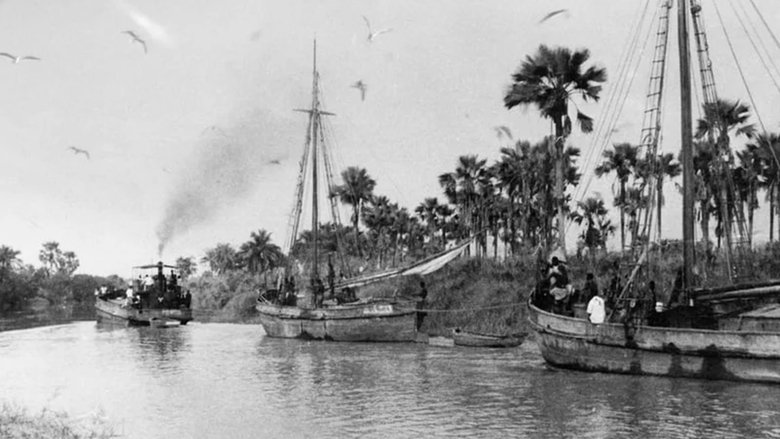
Time to Change (2024)
Angolan director and screenwriter Pocas Pascoal reminds us that it’s time for a change, proposing through this film a look at colonialism, capitalism, and their impact on global biodiversity. We observe that the destruction of the ecosystem goes back a long way and is already underway through land exploitation, big game hunting, and the exploitation of man by man.
The End of Suburbia: Oil Depletion and the Collapse of the American Dream (2004)
Since World War II North Americans have invested much of their newfound wealth in suburbia. It has promised a sense of space, affordability, family life and upward mobility. As the population of suburban sprawl has exploded in the past 50 years Suburbia, and all it promises, has become the American Dream. But as we enter the 21st century, serious questions are beginning to emerge...
Mother Earth (1991)
This short documentary is a celebration of life on planet Earth. Made from haunting visual images selected from 50 years of NFB productions, the film looks at human beings, their place on earth, and their deep interconnection with all other beings. Evocations of forces that threaten the planet and all its inhabitants also offer avenues for reflection.
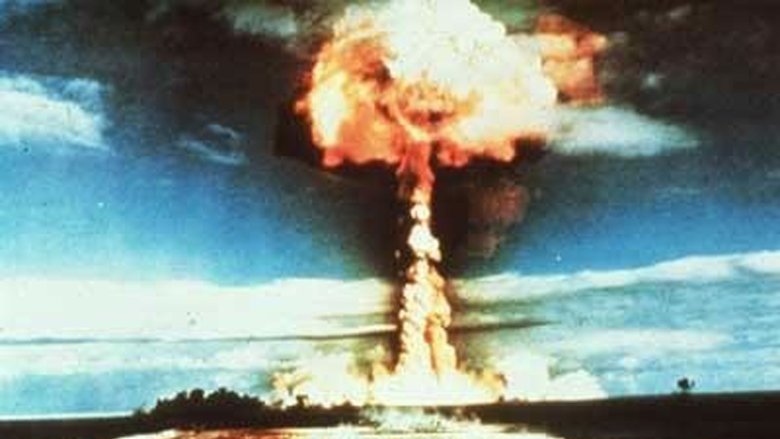
Mururoa 1973 (1973)
In 1973 Alister Barry joined the crew of a protest boat (The Fri) to Mururoa Atoll, where the French Government were testing nuclear weapons. Barry records the assembly of the crew, the long journey from Northland, and their reception in the test zone; when The Fri was boarded and impounded by French military he had to hide his camera in a barrel of oranges.
Plagues and Pleasures on the Salton Sea (2006)
The Salton Sea: An inland ocean of massive fish kills, rotting resorts, and 120 degree nights located just minutes from urban Southern California. This film details the rise and fall of the Salton Sea, from its heyday as the "California Riviera" where boaters and Beach Boys mingled in paradise to its present state of decaying, forgotten ecological disaster.
Live and Let Live (2013)
Live and Let Live is a feature documentary examining our relationship with animals, the history of veganism and the ethical, environmental and health reasons that move people to go vegan.