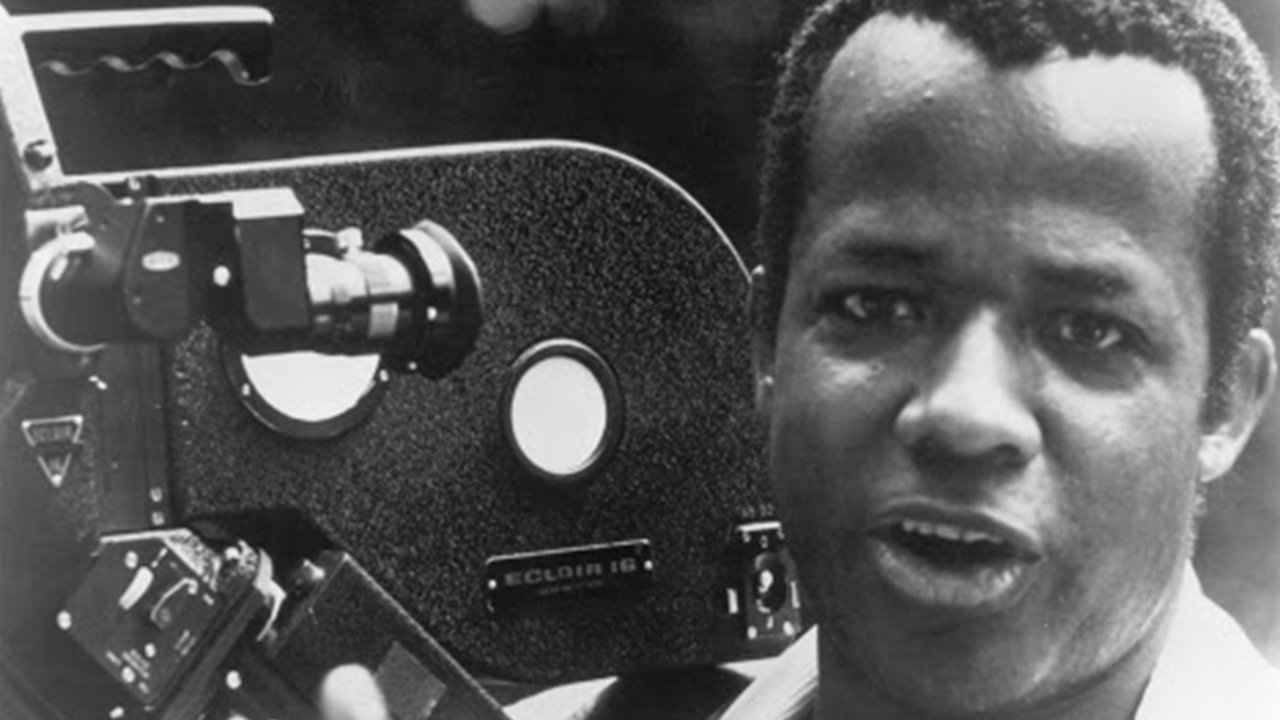
Still A Brother: Inside the Negro Middle Class (1968)
The Black middle class, torn between white goals and Black needs, are examined by producers William Greaves and William Branch in a 90-minute NET Journal documentary.
The Black middle class, torn between white goals and Black needs, are examined by producers William Greaves and William Branch in a 90-minute NET Journal documentary.
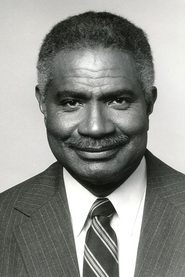 Ossie DavisNarrator
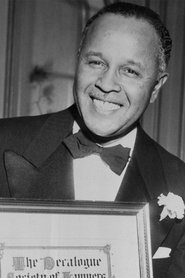 Dr. Percy JulianHimself
 St. Clair DrakeHimself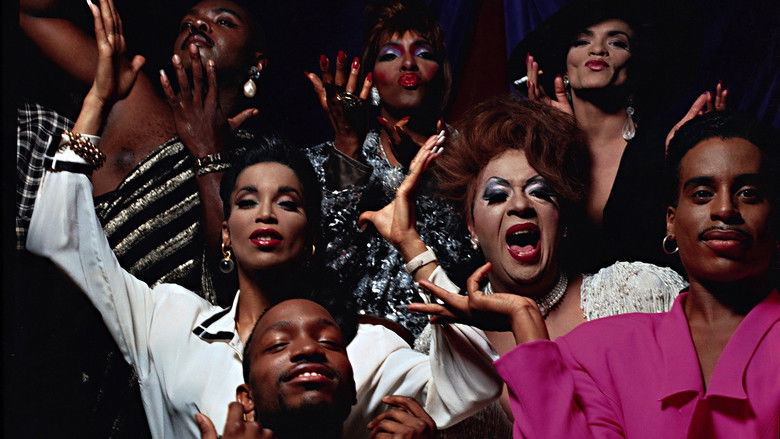
Where does voguing come from, and what, exactly, is throwing shade? This landmark documentary provides a vibrant snapshot of the 1980s through the eyes of New York City's African American and Latinx Harlem drag-ball scene. Made over seven years, PARIS IS BURNING offers an intimate portrait of rival fashion "houses," from fierce contests for trophies to house mothers offering sustenance in a world rampant with homophobia, transphobia, racism, AIDS, and poverty. Featuring legendary voguers, drag queens, and trans women — including Willi Ninja, Pepper LaBeija, Dorian Corey, and Venus Xtravaganza.

Gripping, heartbreaking, and ultimately hopeful, Waiting for Superman is an impassioned indictment of the American school system from An Inconvenient Truth director Davis Guggenheim.
Documentary film on events that happened on August 28th in African-American history, shown at the Smithsonian African-American History Museum.

Five gay Black men who are HIV-positive discuss how they are battling the double stigmas surrounding their infection and homosexuality.
An American story. Traces the career of Joe Louis (1914-1981) within the context of American racial consciousness: his difficulty getting big fights early in his career, the pride of African-Americans in his prowess, the shift of White sentiment toward Louis as Hitler came to power, Louis's patriotism during World War II, and the hounding of Louis by the IRS for the following 15 years. In his last years, he's a casino greeter, a drug user, and the occasional object of scorn for young Turks like Muhammad Ali. Appreciative comment comes from boxing scholars, Louis's son Joe Jr., friends, and icons like Maya Angelou, Dick Gregory, and Bill Cosby.
Soul On Ice: Past, Present, and Future is a film that presents and retells the unknown contributions of black athletes in ice hockey. For untold decades, hockey was seen as a homogeneous sport, exciting to watch but played by one kind of player. But people deserve to now know of the exploits of athletes who dared to stand out, and dared to make the sport their own. These Black athletes dared to give their sport soul.
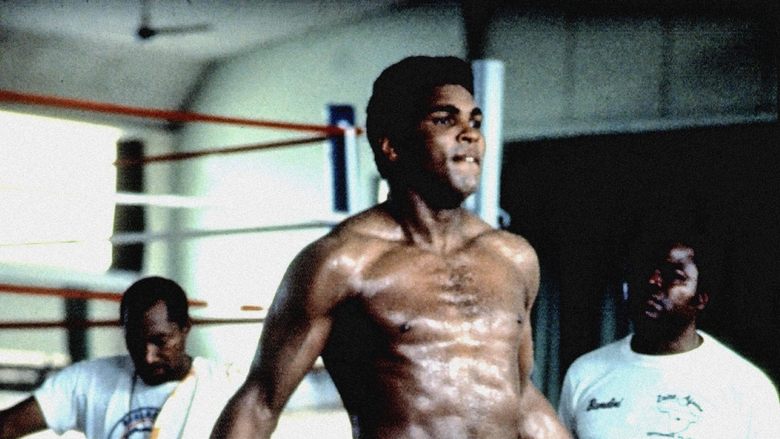
It's 1974. Muhammad Ali is 32 and thought by many to be past his prime. George Foreman is ten years younger and the heavyweight champion of the world. Promoter Don King wants to make a name for himself and offers both fighters five million dollars apiece to fight one another, and when they accept, King has only to come up with the money. He finds a willing backer in Mobutu Sese Suko, the dictator of Zaire, and the "Rumble in the Jungle" is set, including a musical festival featuring some of America's top black performers, like James Brown and B.B. King.
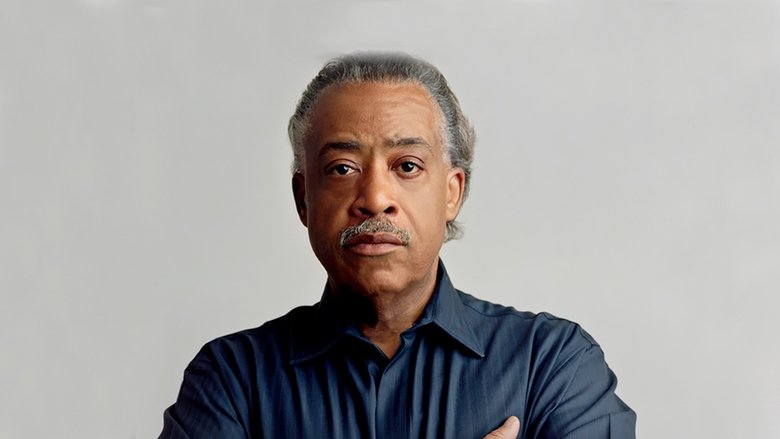
As a new chapter begins in this country, THE BLACK LIST offers a dynamic and never-before-heard perspective from achievers of color. This series of inspired - and inspiring - observations on African-American life in the 21st century forms a roll call of some of the most compelling politicians, writers, thinkers and performers ever to tackle their fields of endeavor. Watch the interview-portraits and get a sharper snapshot of where this country has been and where it's headed.
Ossie Davis, Terry McMillan, Horace Julian Bond, Isaac Hayes, Dionne Warwick and many others share their inspiring stories of success in the first installment of this series about African-American history makers, including civil rights leaders, actors and authors. A good education, dedication to work, dogged determination and the courage to take risks figure prominently in these remarkable success stories told by notable African Americans.
Rob Williams was an African-American living in Monroe, North Carolina in the 1950s and 1960s. Living with injustice and oppression, many African-Americans advocated a non-violent resistance. Williams took a different tack, urging the oppressed to take up arms. Williams was stripped of his rank as leader of the local NAACP chapter, but he continued to encourage local African-Americans to carry weapons as a means of self-defense. Wanted on a kidnapping charge, Williams and his wife fled to Cuba. His radio show Radio Free Dixie could be heard in some parts of the United States.
When the Civil War ended in 1865, more than four million slaves were set free. Over 70 years later, the memories of some 2,000 slave-era survivors were transcribed and preserved by the Library of Congress. These first-person anecdotes, ranging from the brutal to the bittersweet, have been brought to vivid life in this unique HBO documentary special, featuring the on-camera voices of over a dozen top African-American actors.
An exploration of the history of the word throughout its inception to present day. Woven into the narrative are poetry, music, and commentary from celebrities about their personal experiences with the word and their viewpoints. Each perspective is unique, as is each experience... some are much more comfortable with the word than others.
Diary of a Cheating Woman review This film is a hilarious African-American docudrama that explores the taboo subject of women who reveal their intimate secrets and reasons for infidelity. Diary of a Cheating Woman DVD Women rarely get caught - but they reveal all in this hot documentary!
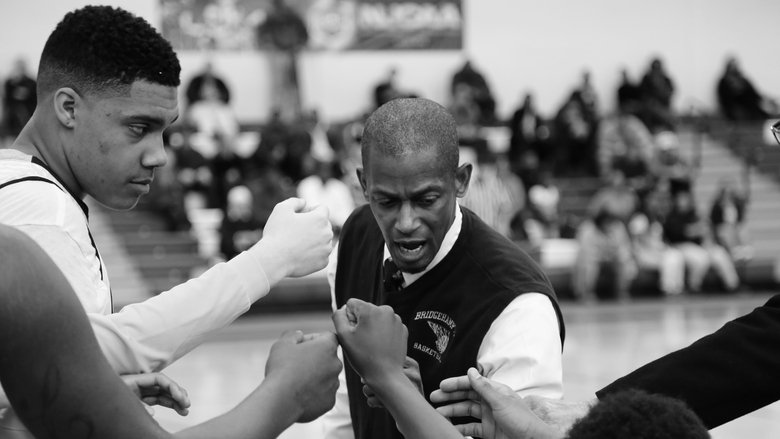
A championship high school basketball team provides pride, tradition and hope for an African American community struggling to survive in the middle of one of the wealthiest communities in America - The Hamptons.
A film about the Maroons—freed or escaped slaves that created their own communities during slavery. Both stories are examples of Gerima’s driving motivation—sankofa, reclaiming the past in order to move forward.
A feature length documentary that tells the story of nine young men and women constructing positive lives as they face the challenges of growing up poor in one of America's most famous African American communities.
James Earl Jones narrates this examination of the historical relationship between American Indians and African-Americans, who often merged their cultures to work and live together while mainstream white society shunned them. Through illuminating anecdotes and interviews, descendants of fused black and Indian families discuss the complications of their mixed heritage and how their culture was largely erased on official documents.
Diversity trainer Lee Mun Wah assembles a diverse group of eight American men to talk about their experience of race relations in the United States. The exchange is sometimes dramatic as they lay bare the pain that racism in the US has caused them.

The grand opening dedication ceremony of the Smithsonian's National Museum of African American History and Culture.
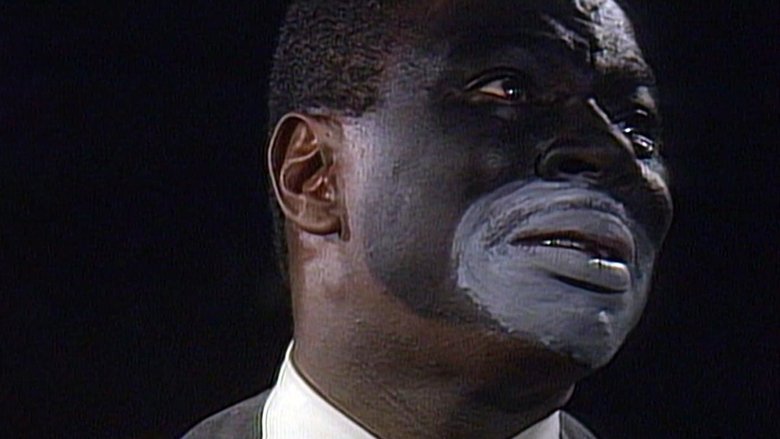
This documentary traces the deep-rooted stereotypes which have fueled anti-black prejudice.