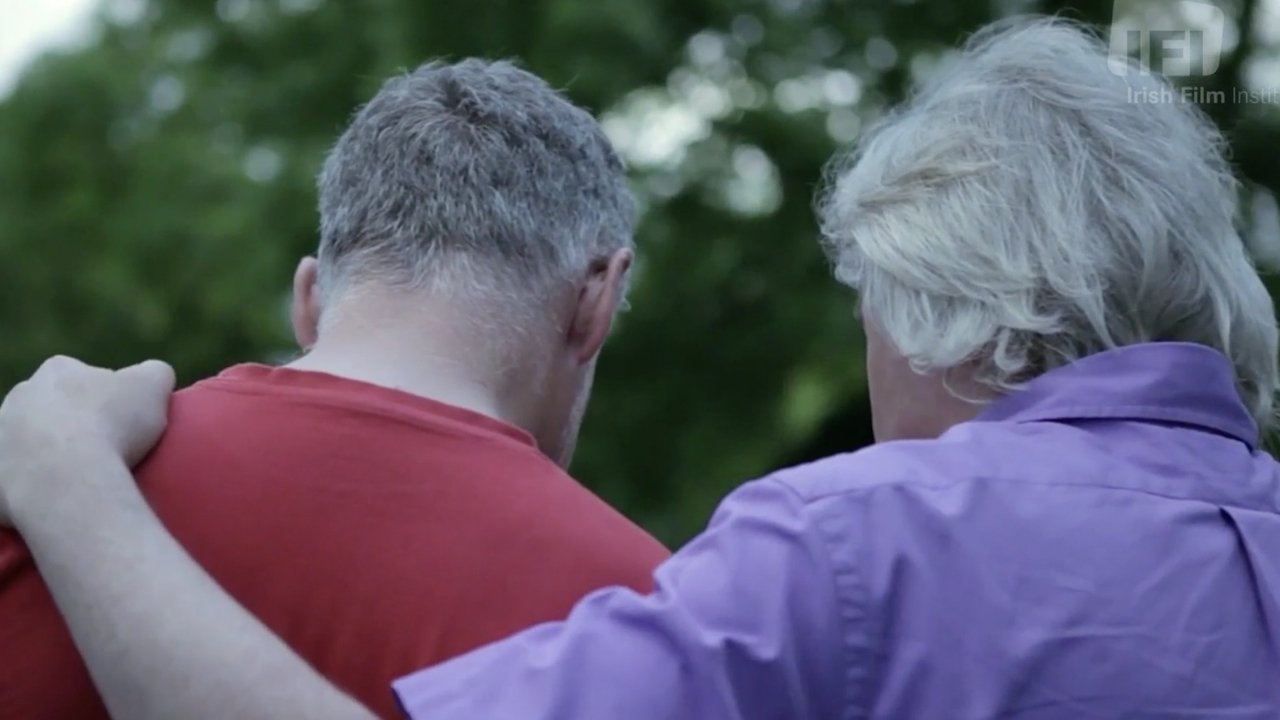
Hold on Tight (2011)
A short documentary exploring the ways LGBT couples show affection, and how small interactions like holding hands in public can carry, not only huge personal significance, but also the power to create social change.
A short documentary exploring the ways LGBT couples show affection, and how small interactions like holding hands in public can carry, not only huge personal significance, but also the power to create social change.
 Aisling DolanSelfClodagh LeonardSelfJennifer DunneSelfGillian MiddletonSelfGary BrennanSelfMichael StauntonSelfErney BreytenbachSelfVivian CumminsSelfMarion Irwin-GowranSelfSandra Irwin-GowranSelf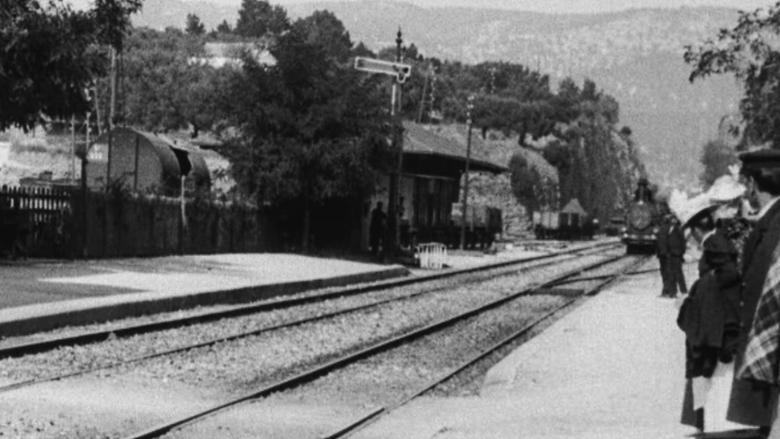
A group of people are standing along the platform of a railway station in La Ciotat, waiting for a train. One is seen coming, at some distance, and eventually stops at the platform. Doors of the railway-cars open and attendants help passengers off and on. Popular legend has it that, when this film was shown, the first-night audience fled the café in terror, fearing being run over by the "approaching" train. This legend has since been identified as promotional embellishment, though there is evidence to suggest that people were astounded at the capabilities of the Lumières' cinématographe.
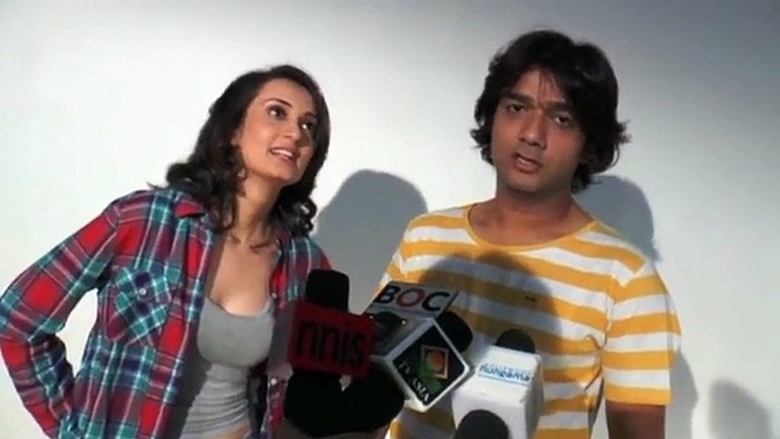
Finding love is never easy. For Ravi Patel, a first generation Indian-American, the odds are slim. His ideal bride is beautiful, smart, funny, family-oriented, kind and—in keeping with tradition—Indian (though hopefully raised in the US). Oh, and her last name should be Patel because in India, Patels usually marry other Patels. And so at 30, Ravi decides to break up with his American girlfriend (the one who by all accounts is perfect for him except for her red hair and American name) and embark on a worldwide search for another Patel longing to be loved. He enlists the help of his matchmaker mother, attends a convention of Patels living in the US and travels to wedding season in India. Witty, honest and heartfelt, this comedy explores the questions with which we all struggle: What is love? What is happiness? And how in the world do we go about finding them?
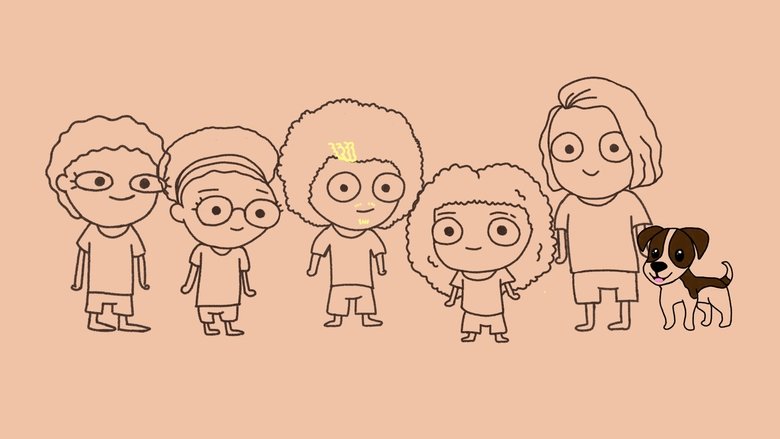
After constantly moving, two students finally find the opportunity to start a family by adopting a stray dog.
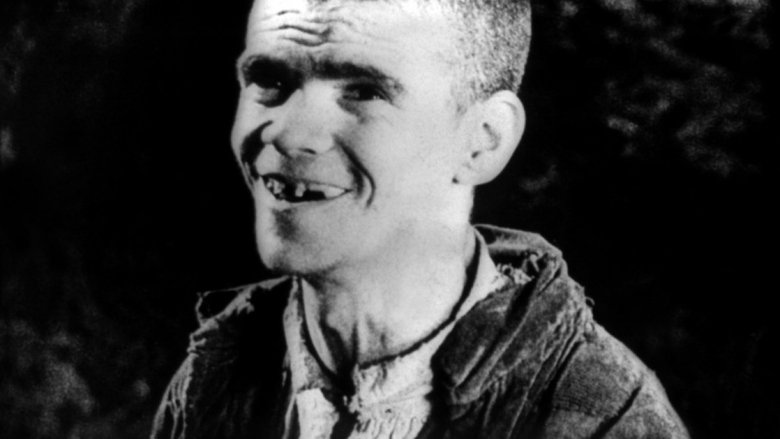
An exploration —manipulated and staged— of life in Las Hurdes, in the province of Cáceres, in Extremadura, Spain, as it was in 1932. Insalubrity, misery and lack of opportunities provoke the emigration of young people and the solitude of those who remain in the desolation of one of the poorest and least developed Spanish regions at that time.
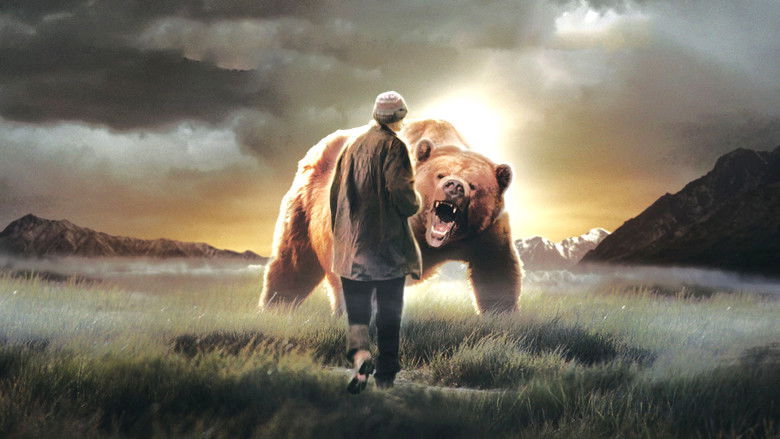
Werner Herzog's documentary film about the "Grizzly Man" Timothy Treadwell and what the thirteen summers in a National Park in Alaska were like in one man's attempt to protect the grizzly bears. The film is full of unique images and a look into the spirit of a man who sacrificed himself for nature.
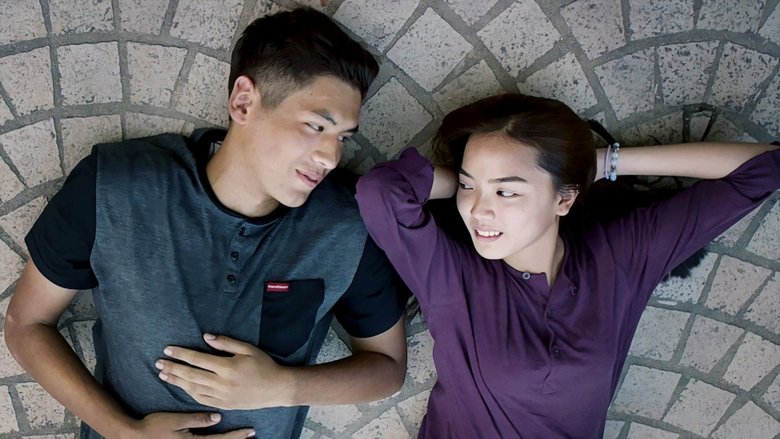
Jojo, a 17-year-old girl from Bangkok, is about to graduate from high school. After her friend Q reveals a secret to her, the two girls grow close and spend all their time together. Jojo's father wholeheartedly approves of the friendship and is just glad that Jojo is not going on any dates with boys.
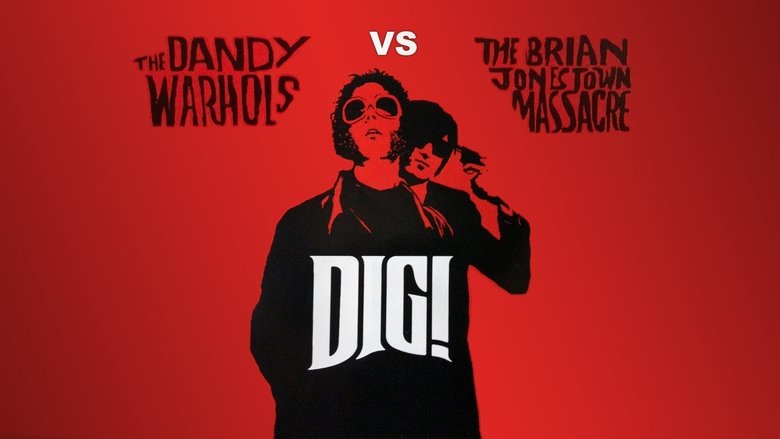
A documentary on the once promising American rock bands The Brian Jonestown Massacre and The Dandy Warhols. The friendship between respective founders, Anton Newcombe and Courtney Taylor, escalated into bitter rivalry as the Dandy Warhols garnered major international success while the Brian Jonestown Massacre imploded in a haze of drugs.
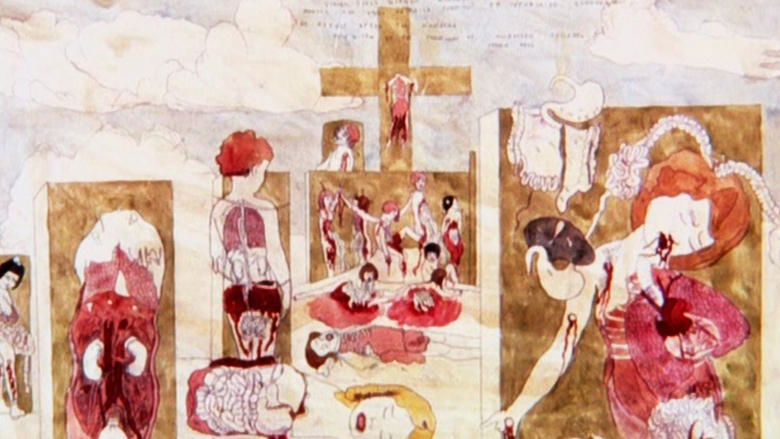
In the Realms of the Unreal is a documentary about the reclusive Chicago-based artist Henry Darger. Henry Darger was so reclusive that when he died his neighbors were surprised to find a 15,145-page manuscript along with hundreds of paintings depicting The Story of the Vivian Girls, in What is Known as the Realms of the Unreal, of the Glodeco-Angelinnian War Storm, Cased by the Child Slave Rebellion.
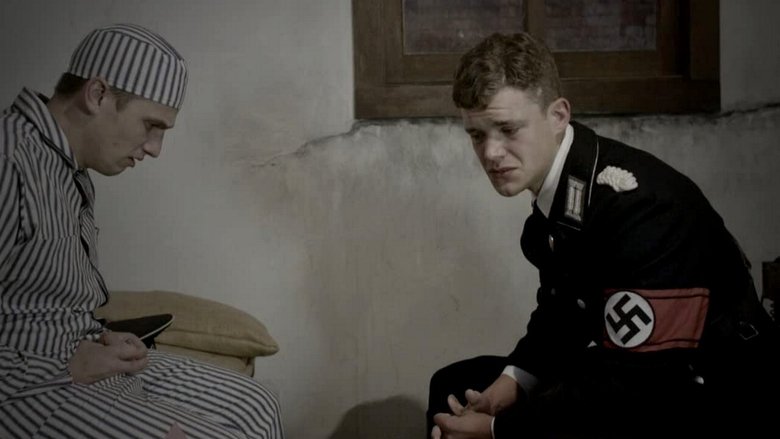
Love in a concentration camp. A young Jewish gay man, Otto, is protected by a "kapo" (a fellow prisoner) and an SS guard who unexpectedly ends up saving his life.

From the turtles of the Farasan Islands to the ibex that dot the Asir Mountains, this documentary captures Saudi Arabia's diverse wildlife and scenery.
During the 1977 World Series, Sports Illustrated reporter Melissa Ludtke was denied access to the players' locker room. After a very public fight, the door was opened, but the debate about female journalists in the male sanctum of the clubhouse remained. Through interviews with pioneering female sports writers, Let Them Wear Towels captures the raw behavior, humorous retaliation, angry lawsuits and remarkable resolve that went into the struggle for equal access for women reporters.
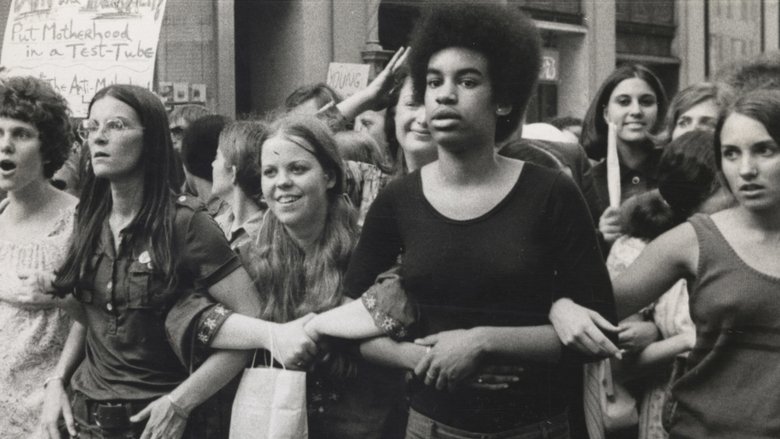
A documentary that resurrects the buried history of the outrageous, often brilliant women who founded the modern women's movement from 1966 to 1971.
This documentary is featured on the DVD for Captain Blood (1935), released in 2005.
In 1928, as the talkies threw the film industry and film language into turmoil, Chaplin decided that his Tramp character would not be heard. City Lights would not be a talking picture, but it would have a soundtrack. Chaplin personally composed a musical score and sound effects for the picture. With Peter Lord, the famous co-creator of Chicken Run and Wallace & Gromit, we see how Chaplin became the king of slapstick comedy and the superstar of the movies.
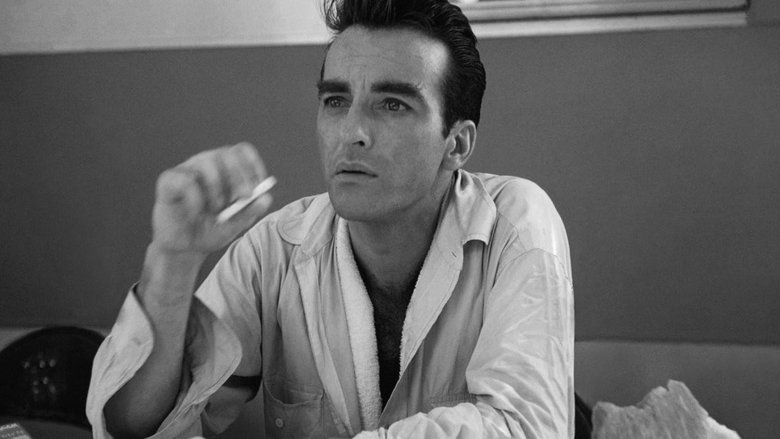
A documentary incorporating footage of Montgomery Clift’s most memorable films; interviews with family and friends, and rare archival material stretching back to his childhood. What develops is the story of an intense young boy who yearned for stardom, achieved notable success in such classic films as From Here to Eternity and I Confess, only to be ruined by alcohol addiction and his inability to face his own fears and homosexual desires. Montgomery Clift, as this film portrays him, may not have been a happy man but he never compromised his acting talents for Hollywood.
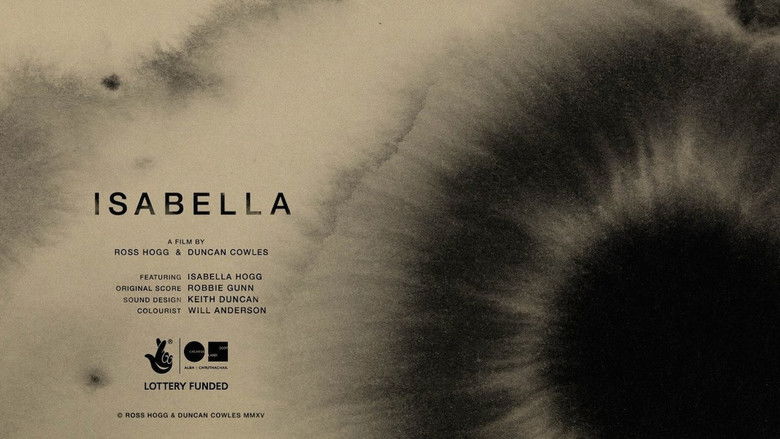
This film aims to capture the stories of the aging Isabella, but also captures her condition and loss of cohesiveness as she loses herself into dementia and Parkinson's. It is also a very personal film since the subject is the grandmother of one of the co- directors. The idea is interesting as it links one strong clear memory, told several times, to other fragments and truths of her condition. Animation is sparingly but cleverly used to complement the delivery and avoid it just being a talking head.

Inspired by the It Gets Better Project this documentary film follows the stories of three real-life subjects who are at unique impasses related to their identities as gay or transgender people.
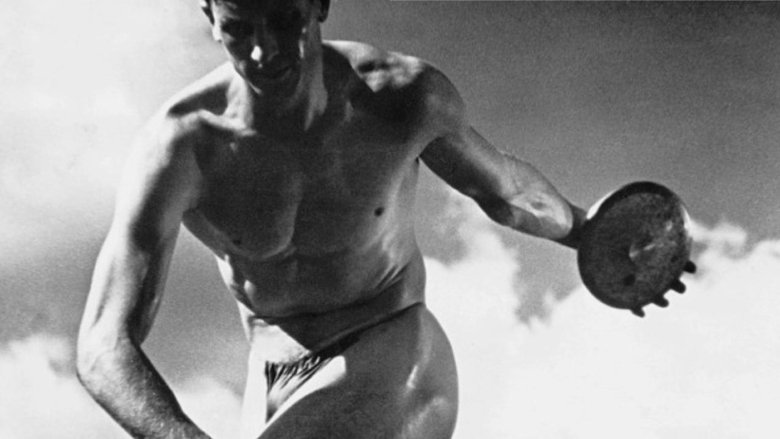
Starting with a long and lyrical overture, evoking the origins of the Olympic Games in ancient Greece, Riefenstahl covers twenty-one athletic events in the first half of this two-part love letter to the human body and spirit, culminating with the marathon, where Jesse Owens became the first track and field athlete to win four gold medals in a single Olympics.

Part two of Leni Riefenstahl's monumental examination of the 1938 Olympic Games, the cameras leave the main stadium and venture into the many halls and fields deployed for such sports as fencing, polo, cycling, and the modern pentathlon, which was won by American Glenn Morris.
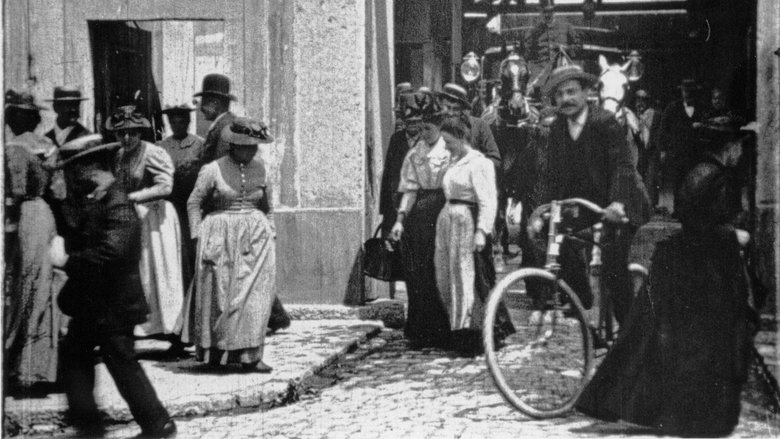
Working men and women leave through the main gate of the Lumière factory in Lyon, France. Filmed on 22 March 1895, it is often referred to as the first real motion picture ever made, although Louis Le Prince's 1888 Roundhay Garden Scene pre-dated it by seven years. Three separate versions of this film exist, which differ from one another in numerous ways. The first version features a carriage drawn by one horse, while in the second version the carriage is drawn by two horses, and there is no carriage at all in the third version. The clothing style is also different between the three versions, demonstrating the different seasons in which each was filmed. This film was made in the 35 mm format with an aspect ratio of 1.33:1, and at a speed of 16 frames per second. At that rate, the 17 meters of film length provided a duration of 46 seconds, holding a total of 800 frames.