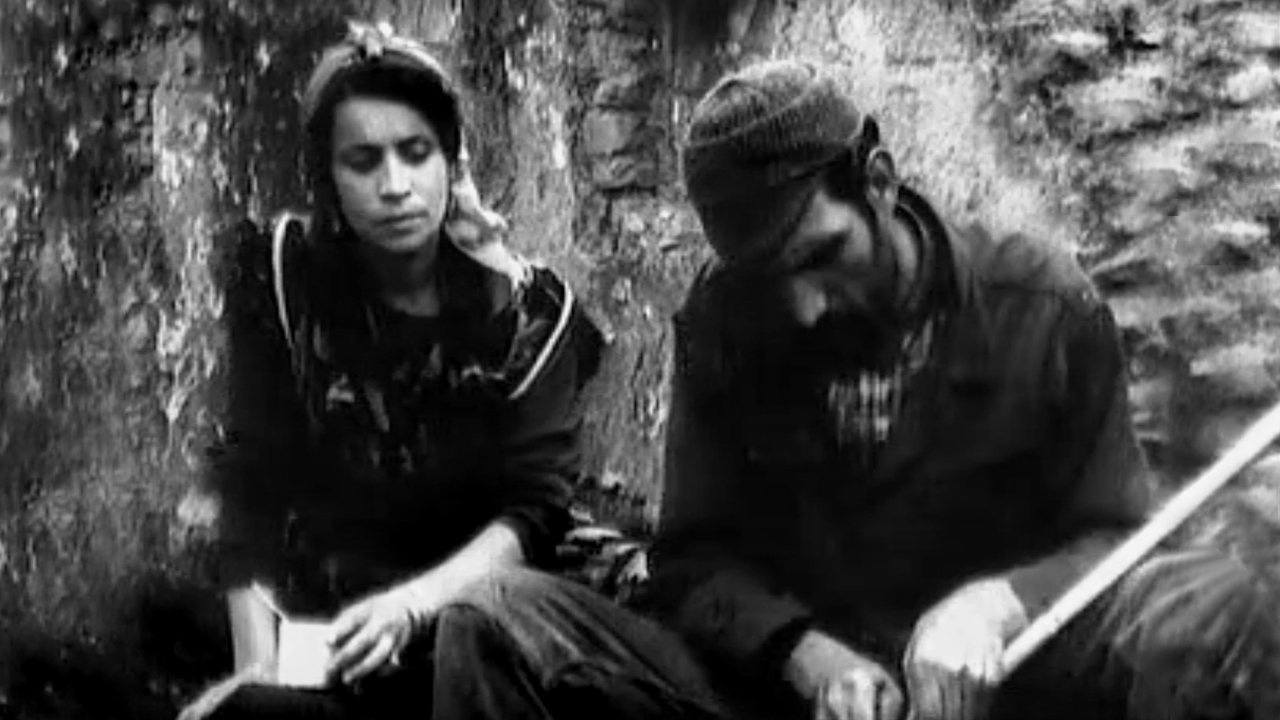
The Charcoal Maker (1973)
Film describes the miserable existence of a charcoal-burner who is barely able to feed his family. His search for work in town ends in failure and he is forced to return to his village.
Film describes the miserable existence of a charcoal-burner who is barely able to feed his family. His search for work in town ends in failure and he is forced to return to his village.
 Fettouma Ousliha-BouamariL'Épouse
 Youcef HadjamBelkacem
 Mustapha El AnkaAhmed Hamoudi
 Mohamed Mahboub Stambouli
Bilike has never seen a ping-pong ball before. He and his family live without electricity and running water in a solitary tent home among the vast steppe grasslands. The magnificent landscape here has changed little since the days of Genghis Kahn. But life in the middle of nowhere can be exciting for a young boy. The smallest of details become big events for curious Bilike and his best friends Erguotou and Dawa. The mystery of the small white ball floating in the creek leads to questions about the world around them, as well as innocent mischief.
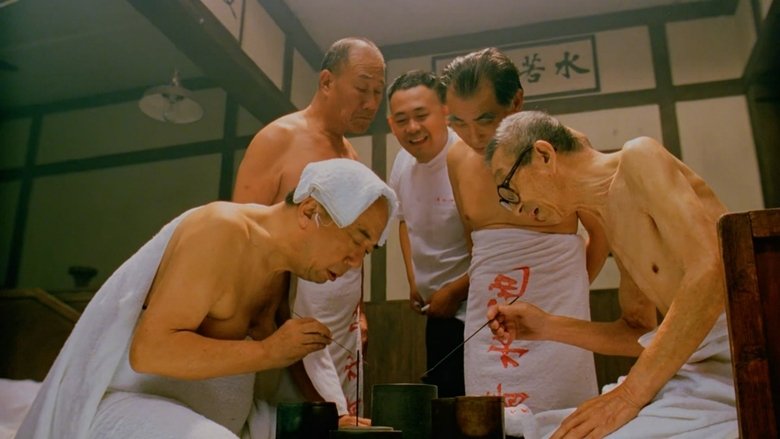
An aged father and his younger, mentally challenged son have been working hard every day to keep the bathhouse running for a motley group of regular customers. When his elder son, who left years ago to seek his fortune in the southern city of Shenzhen, abruptly returns one day, it once again puts under stress the long-broken father-son ties. Presented as a light-hearted comedy, Shower explores the value of family, friendship, and tradition.

When a Mongolian nomadic family's newest camel colt is rejected by its mother, a musician is needed for a ritual to change her mind.
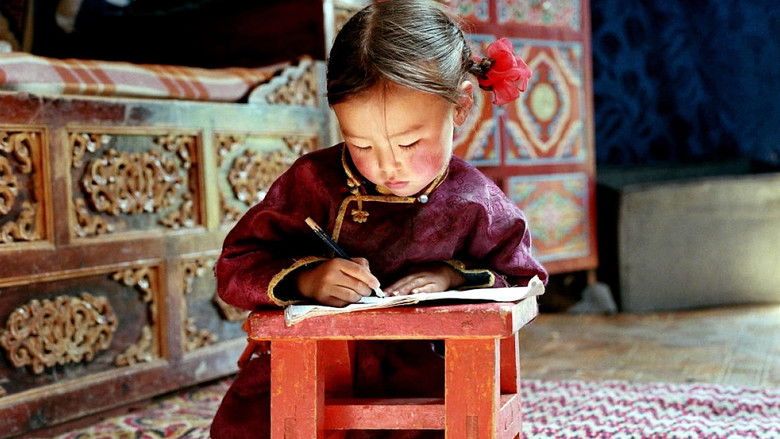
The little nomad girl, Nansal, finds a baby dog in the Mongolian veld, who becomes her best friend - against all rejections of her parents. A story about a Mongolian family of nomads - their traditional way of life and the rising call of the City.

A young man upsets his Punjabi family when he falls in love with an Irish schoolteacher.
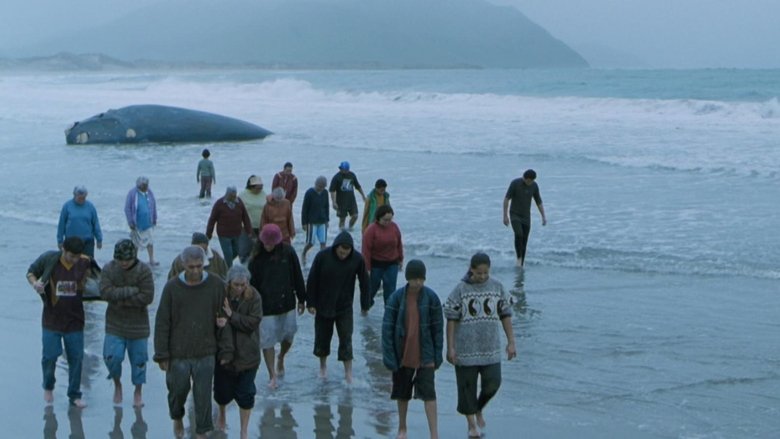
A contemporary story of love, rejection, and triumph as a young Maori girl fights to fulfill a destiny her grandfather refuses to recognize.
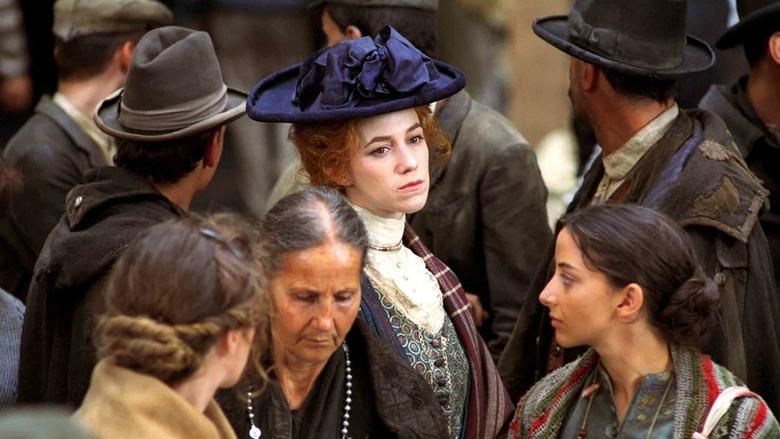
The story is set at the beginning of the 20th century in Sicily. Salvatore, a very poor farmer, and a widower, decides to emigrate to the US with all his family, including his old mother. Before they embark, they meet Lucy. She is supposed to be a British lady and wants to come back to the States. Lucy, or Luce as Salvatore calls her, for unknown reasons wants to marry someone before to arrive to Ellis Island in New York. Salvatore accepts the proposal. Once they arrive in Ellis Island they spend the quarantine period trying to pass the examinations to be admitted to the States. Tests are not so simple for poor farmers coming from Sicily. Their destiny is in the hands of the custom officers.
The feature film “The seven ramparts of the citadel”, a fiction recounting the conflict between an Algerian family expropriated from its land and a bloodthirsty settler; by director Ahmed Rachedi. Adapted from the eponymous novel by Mohamed Maarafia, the film, whose plot begins in 1954, tells the story of two characters, Thebti and Lucien, “the fellaga and the colonist”, a story of crossed destinies. “After having engaged in a fight to the death, after having both traveled a long path of embers, (they) finally find themselves face to face and above all each face to themselves”.

Wataru Hirayama's outwardly liberal views on marriage are severely tested when his daughter declares that she is in love with a coworker and is adamant to live life her own way, instead of agreeing to an arranged marriage. Outwitted by his female relatives, Hirayama stubbornly refuses to admit defeat.
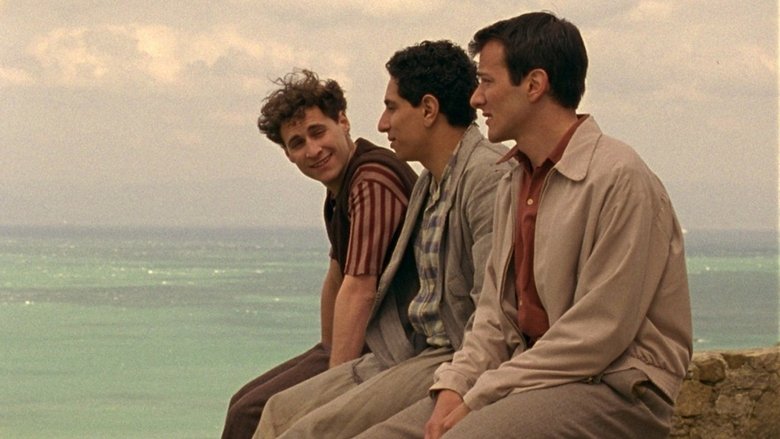
Algeria. Benjamin, Kateb and Antoine are three teenagers from three religious backgrounds who never should have met. But they share the same passion for football and the same disregard for the disapproving looks which their unusual friendship draws.
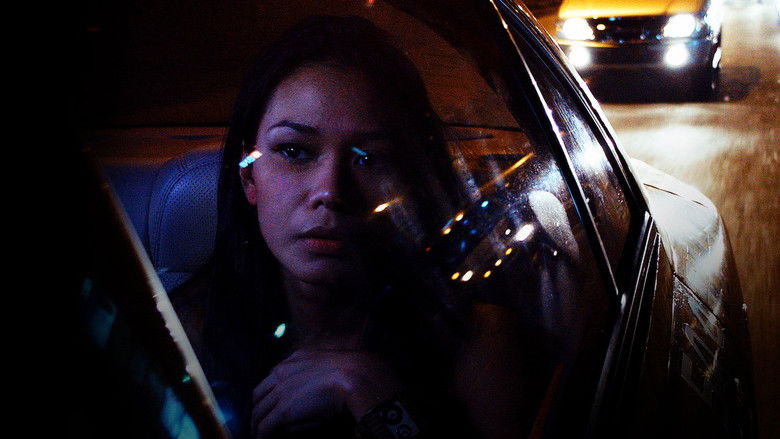
A tender, melancholic night is experienced through the eyes of three women as they struggle to find themselves in this ever-changing jungle of Jakarta.

A woman has a close bond with her beloved Algeriann grandfather, who protected her from a toxic home life as a child; his death triggers a deep identity crisis as tensions between her extended family members escalate, revealing new depths of resentment and bitterness.
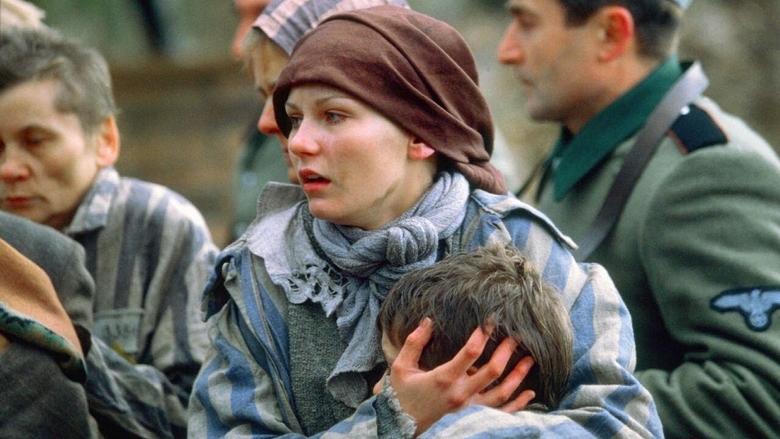
An American-born Jewish adolescent, Hannah Stern, is uninterested in the culture, faith and customs of her relatives. However, she begins to revaluate her heritage when she has a supernatural experience that transports her back to a Nazi death camp in 1941. There she meets a young girl named Rivkah, a fellow captive in the camp. As Rivkah and Hannah struggle to survive in the face of daily atrocities, they form an unbreakable bond.
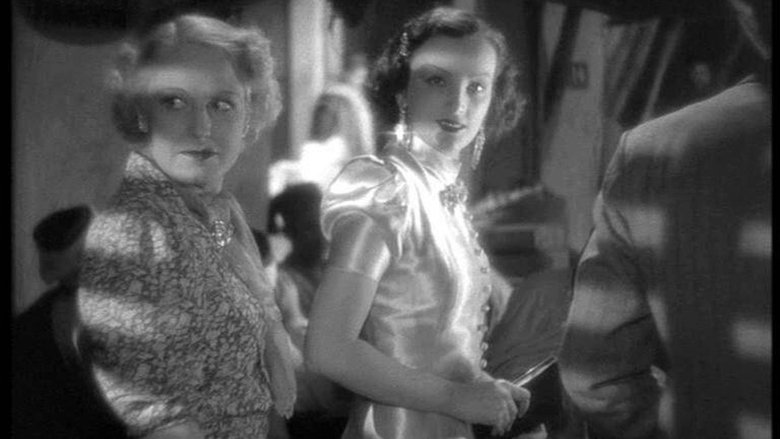
Pépé le Moko, one of France's most wanted criminals, hides out in the Casbah section of Algiers. He knows police will be waiting for him if he tries to leave the city. When Pépé meets Gaby, a gorgeous woman from Paris who is lost in the Casbah, he falls for her.
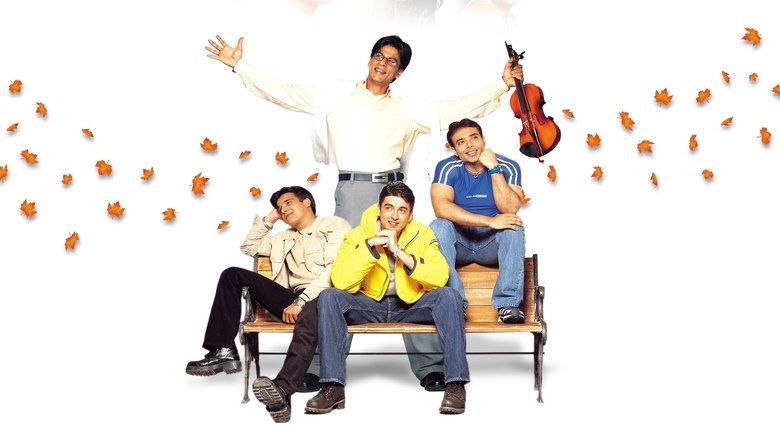
At a prestigious all-male university, three friends seek love outside of the school grounds; at the same time, a newly-hired music teacher seeks to befriend and loosen up the militantly strict headmaster.
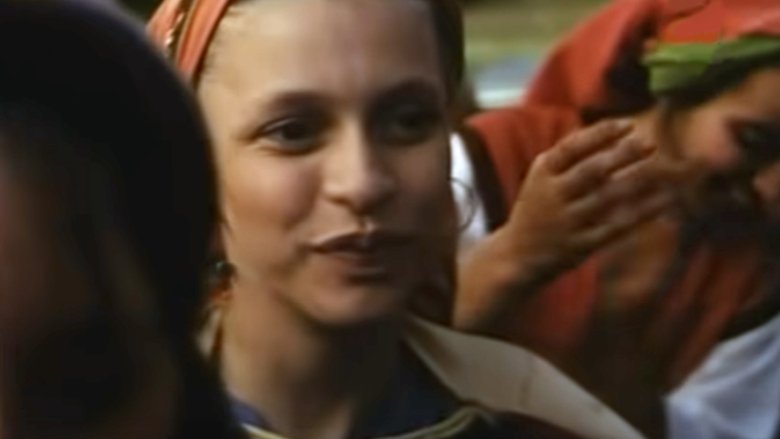
In Kabylie, rude mountain region in the north of Algeria. Arezki finds the young Larbi exhausted, buried under the snow. He takes him in and nurses him until he's recovered. The host seduces Arezki's daughter. She is pregnant. This is an unsupportable shame to the father of the female sinner. Arezki claims vengeance. He leaves his house and takes the oath not to come back before having killed Larbi who betrayed him under his own roof.

A young Jewish man is torn between tradition and individuality when his old-fashioned family objects to his career as a jazz singer.
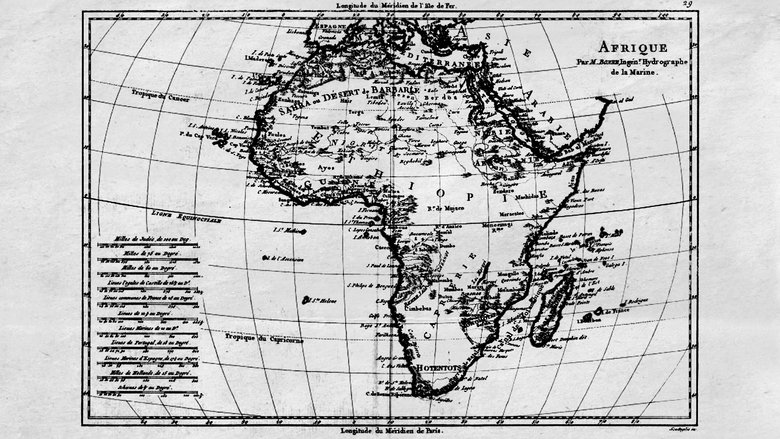
This excellent feature-length documentary - the story of the imperialist colonization of Africa - is a film about death. Its most shocking sequences derive from the captured French film archives in Algeria containing - unbelievably - masses of French-shot documentary footage of their tortures, massacres and executions of Algerians. The real death of children, passers-by, resistance fighters, one after the other, becomes unbearable. Rather than be blatant propaganda, the film convinces entirely by its visual evidence, constituting an object lesson for revolutionary cinema.
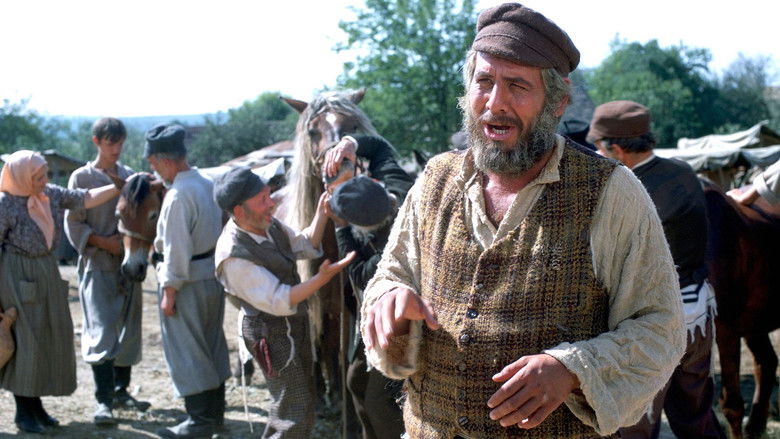
In a pre-revolutionary Russia, a poor Jewish milkman struggles with the challenges of a changing world as his daughters fall in love and antisemitism grows.

A modern retelling of Louisa May Alcott's classic novel, we follow the lives of four sisters - Meg, Jo, Beth, and Amy March - detailing their passage from childhood to womanhood. Despite harsh times, they cling to optimism, and as they mature, they face blossoming ambitions and relationships, as well as tragedy, while maintaining their unbreakable bond as sisters.