
Breaking Point: Canada/Quebec - The 1995 Referendum (2005)
BREAKING POINT brings viewers back to those tense, critical moments when Canada's future as a country was at stake.
BREAKING POINT brings viewers back to those tense, critical moments when Canada's future as a country was at stake.
 Lucien BouchardHimselfJean CharestJean Charest
 Dorothée BerrymanNarratorHenry ChampHimself
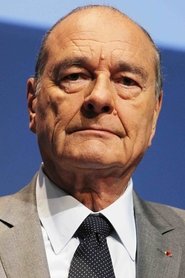 Jacques ChiracHimself
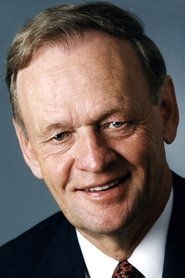 Jean ChrétienHimself
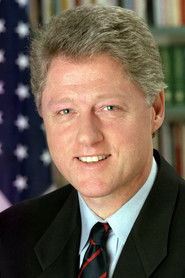 Bill ClintonHimselfDavid CollenetteHimself
 Larry KingHimself
 Jean-François LiséeHimself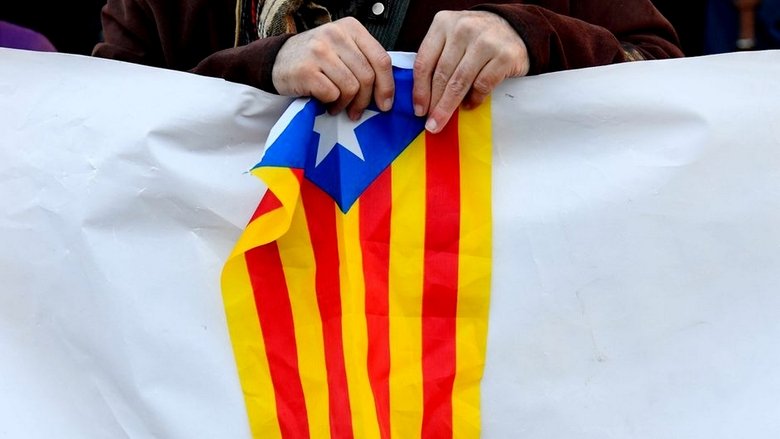
A serious crisis has shaken Spain since the referendum on self-determination and the proclamation of the independence of Catalonia by the government of Carles Puigdemont, bold actions firmly fought by the Spanish government by applying the constitutional article that allows it to place a region under guardianship. While Spain is on the verge of implosion, Europe is holding its breath.
With its fluid arrangement of black and white scenes paired with an immersive soundscape, Je me souviens d’un temps où personne ne joggait dans ce quartier is a celebration of the many faces of Park Extension. The film provides a glimpse inside a festive cultural gathering; the workshop of a meticulous artisan; and an alley where a young cyclist is learning to ride. With her restrained approach, the filmmaker hints little by little at a seemingly inevitable transformation, while the relentless onset of gentrification threatens the social fabric of a neighbourhood. After a critically acclaimed detour into audio documentary, Jenny Cartwright returns to the evocative force of images to evoke a rich and diverse community.

The film explores key moments in the history of the Expos as well as the relentless efforts to bring major league baseball to Montreal. Continuation of the work released in 2003.
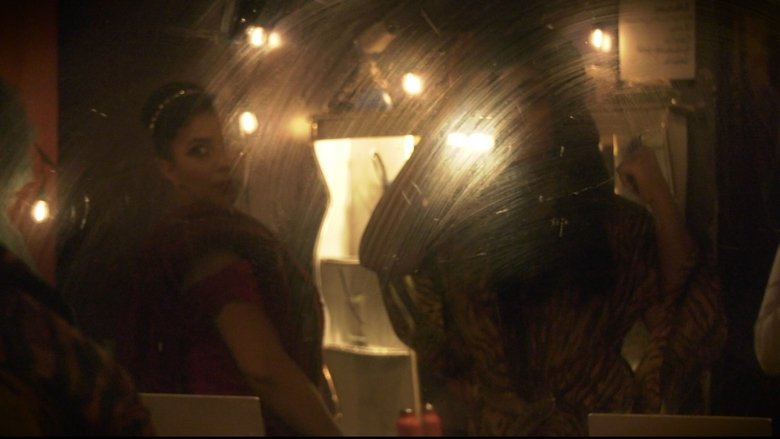
Student documentary exploring the world of burlesque as a space for artistic expression and personal liberation, where performers channel their creativity and sensuality. Through their voices, they speak about the power of the stage to reconnect with their bodies and establish a deep connection with the audience. Burlesque is presented as a feminist, inclusive, and supportive environment, celebrating gender and body diversity. The action takes place at the Wiggle Room, located in Montreal. It is the only burlesque cabaret in Canada, known for its warm atmosphere and strong sense of community.
This short film is a series of vignettes of life in Saint-Henri, a Montreal working-class district, on the first day of school. From dawn to midnight, we take in the neighbourhood’s pulse: a mother fussing over children, a father's enforced idleness, teenage boys clowning, young lovers dallying - the unposed quality of daily life.
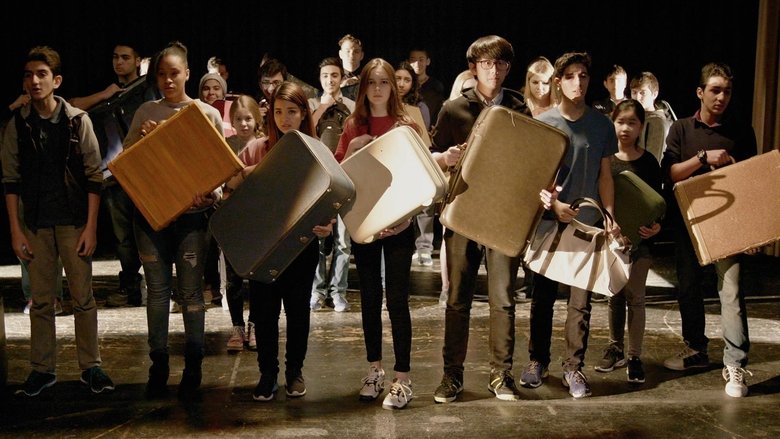
This documentary focuses on immigrant teens between the ages of 12 and 17 who share the story of their migration and their adaption to life in Canada through theatre. Young but wise, these children describe their experiences with emotion and authenticity.
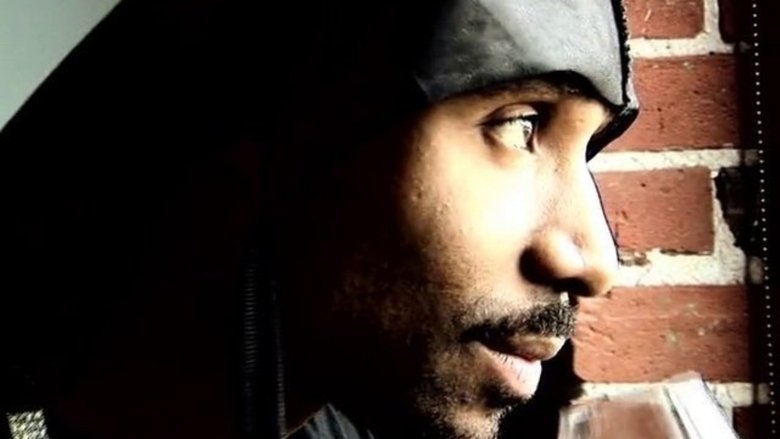
We follow Roach, a 17-year-old ex-junkie and squeegee punk living on the streets of Toronto and Montreal. As part of the filmmaking process, he's been given a camera to document his world. The footage he gets is urgent, because there's a war against squeegee kids. This documentary is from the point of view of the kids themselves, in order to provide alternative voices. Roach's camera is positioned behind "enemy" lines: living in derelict buildings, squeegeeing for money, being hunted by police.
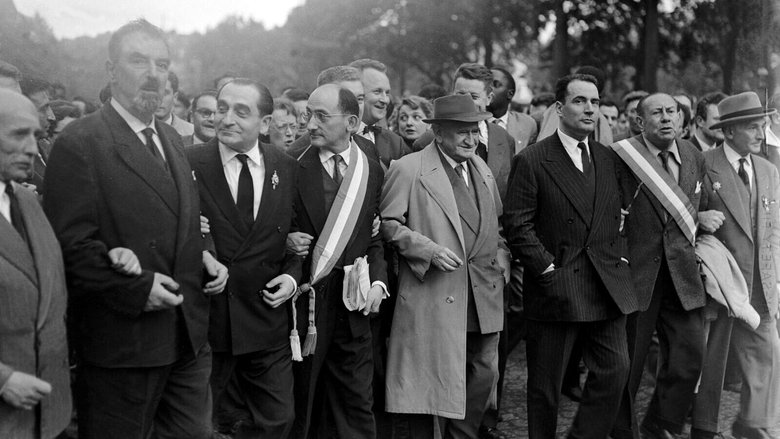
On October 4, 2018, France celebrated the 60th anniversary of the Fifth Republic. It is a republic born in the throes of the Algerian War and one which—from the day it was founded by General de Gaulle until the presidency of a very Jupiterian Emmanuel Macron—has been assailed as a “Republican monarchy” by partisans of a more assertive parliamentarian state. By revisiting the struggle of those who dared oppose the new regime — only to suffer a crushing defeat on September 28, 1958, when they were barely able to garner 20% of the vote against the constitutional text — this film shines a powerful new light on the origins of the Fifth Republic and its consequences for the next 60 years. It is a constitutional debate that planted the seeds for a complete upheaval of the French political landscape, on the left in particular, and set the country in motion toward what would be called the Union of the Left.
In 1994, the Montreal Expos held the best record in baseball until the mid-August strike and the entire post-season was cancelled. The team never found success again, and in 2004, the franchise was forced to leave Montreal and move to Washington. This film provides access to powerful behind-the-scenes footage – ranging from the players’ bus ride to the stadium, to their emotional reactions stepping onto the field, to the Montreal fans who have never forgotten baseball’s best team in 1994. Interviews with media who followed the team’s season and discussions with former coaches and players will paint both a thrilling and heartbreaking picture of the influential ‘94 Montreal Expos – a groundbreaking squad whose legacy lives on in Montreal
On March 15, 2020, Montreal sees appearing on a wall, written in black letters on white paper "Stop feminicides". It is at this moment that the Collages Feminicides Montreal collective sees the light for the first time. Now the streets of the city are carpeted with their words. Today, after the 17th feminicide, they will continue to fight and stick, until this violence stops.
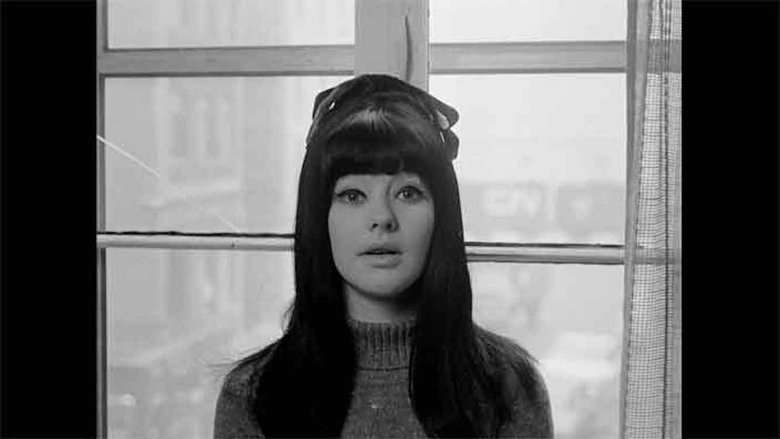
Quebec, on the cusp of the 1960s. The province is on the brink of momentous change. Deftly selecting clips from nearly 200 films from the National Film Board of Canada archives, director Luc Bourdon reinterprets the historical record, offering us a new and distinctive perspective on the Quiet Revolution.
Show Girls celebrates Montreal's swinging Black jazz scene from the 1920s to the 1960s, when the city was wide open. Three women who danced in the legendary Black clubs of the day - Rockhead's Paradise, The Terminal, Café St. Michel - share their unforgettable memories of life at the centre of one of the world's hottest jazz spots. From the Roaring Twenties, through the Second World War and on into the golden era of clubs in the fifties and sixities, Show Girls chronicles the lives of Bernice, Tina and Olga - mixing their memories with rarely seen footage of the era.
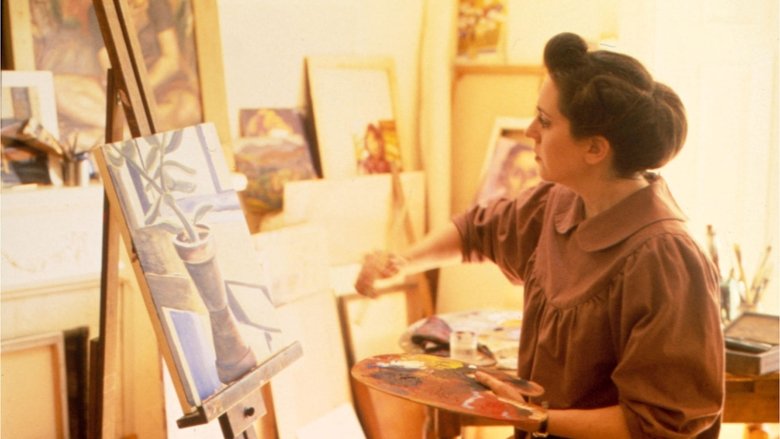
In 1920 a group of young Montreal women artists formed the nucleus of what would later become known as the Beaver Hall Hill Group. Members recount how they created an artistic environment of mutual support that lasted for more than three decades.
Directed by Ariane Louis-Seize, this tribute film was created as a gift for Lorraine Pintal, director of Montreal’s Théâtre du Nouveau Monde. Featuring some of the most memorable characters and performers of Pintal’s career, the film’s succession of surreal scenes from different dramatic worlds introduces viewers to the exceptional woman of theatre, stage director, and friend whom they consider to be the “ghost light” of Quebec theatre.
Alanis Obomsawin turns her lens to Le Patro Le Prévost, a recreational centre in the Villeray quarter of Montreal. On the eve of its 80th anniversary in 1989, Le Patro is a vital focal point in the predominantly working-class neighbourhood. Beloved by the many generations who use the facilities and partake in activities daily, Le Patro encourages a strong sense of togetherness through principles of cooperation, respect and sharing. Obomsawin presents a tender portrait of a neighbourhood of diverse residents and the community centre many of them consider a second home.
This short film recreates the experience of Sylvie, a battered woman who seeks shelter in a Montréal transition house. Faced with the threat of violence, loneliness, the lack of financial resources or information about services, the victim is often understandably reluctant to seek help. Emphasizing the importance for women of speaking out, the film also points out the role of the transition house in putting victims of abuse in touch with appropriate legal and social services.
With a national vote approaching to enshrine Indigenous peoples voice in the constitution, a dynamic Indigenous youth group travel on a pilgrimage across Australia to commemorate a historic civil rights victory. Buoyed by the imminent referendum, the group voyage through ephemeral Australian landscape in the microcosm of a minibus, sharing the rich, multilayered stories of their personal histories, as they dream up a hopeful new vision for Australia. As the results of the vote are counted, it’s impact on their future offer two paths – a hopeful breakthrough or another chapter in the long fight for recognition.