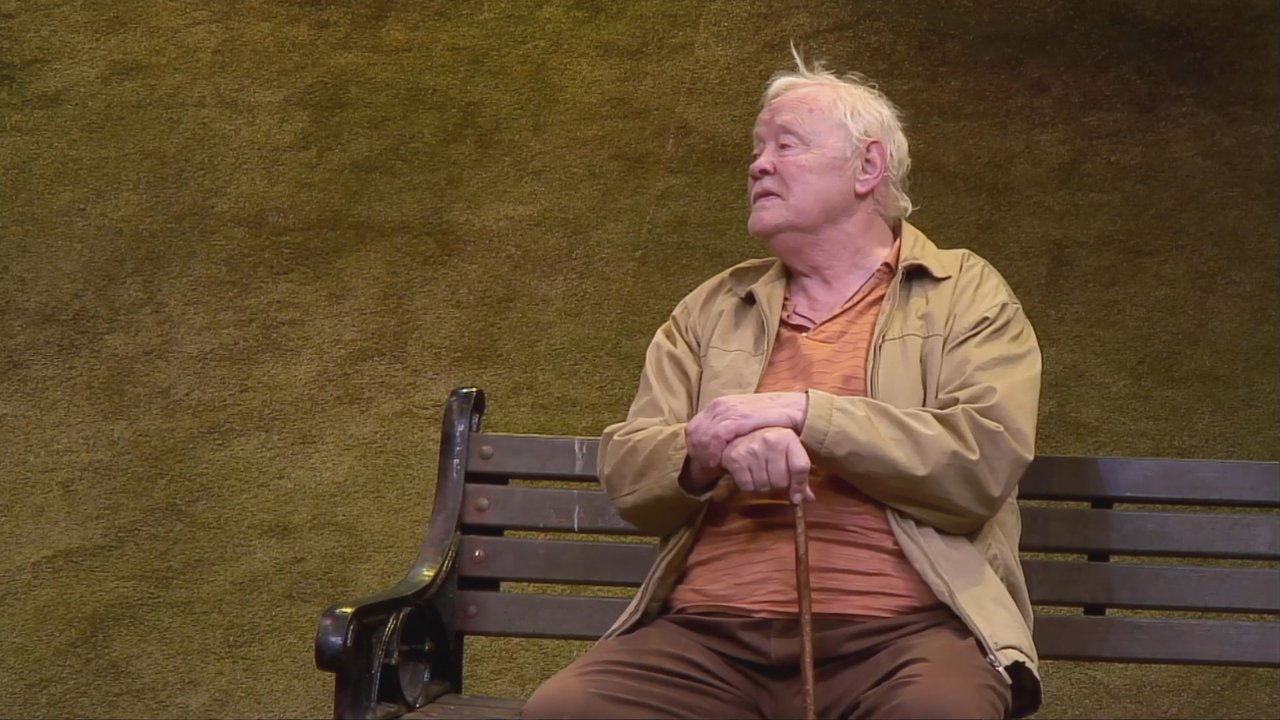
Billy the Kid (2011)
Michael Morpurgo's heart warming story of a champion Chelsea footballer set against the backdrop of the Second World War.
Michael Morpurgo's heart warming story of a champion Chelsea footballer set against the backdrop of the Second World War.
 Dudley SuttonBilly
 Sam DonovanSam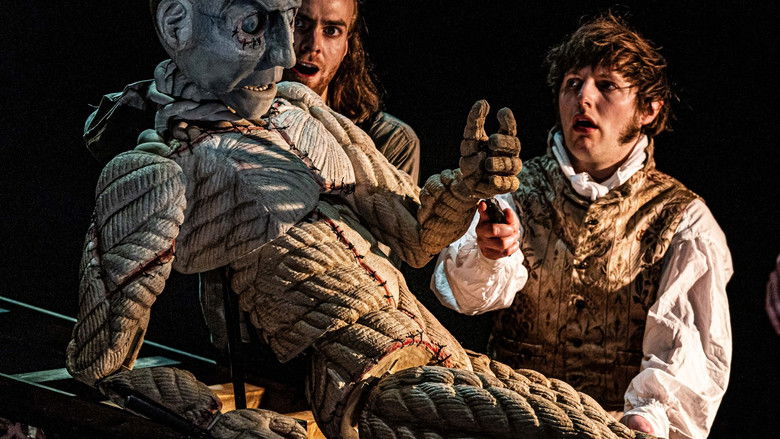
Dr Frankenstein obsesses over his creation in Blackeyed Theatre’s adaptation of Mary Shelley’s masterpiece, in which The Creature is brought to life through puppetry. Captured live at Wilde Theatre, Bracknell, in 2022, this production features ensemble storytelling, multi-roling and live music and explores themes of revenge, prejudice and ambition.
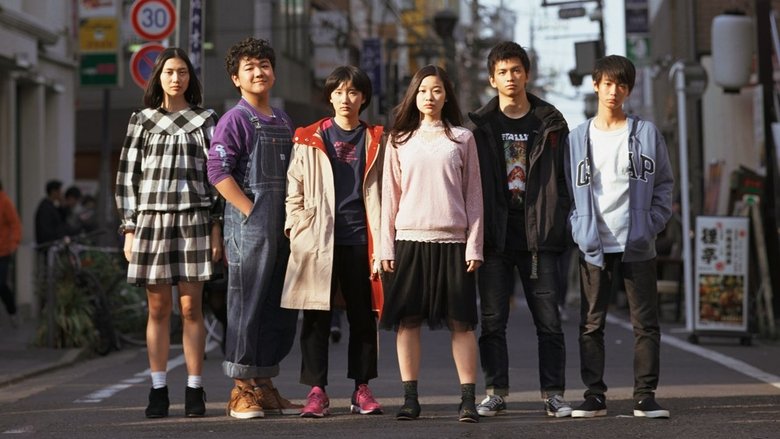
In March, 2017, at a small town, six boys and girls are selected through auditions. They work hard to prepare for a play, but the play is suddenly cancelled. These young people are disappointed at the news. One girl says "let's practice." The six boys and girls want to stand on stage no matter what.

On the eve of a major life change, Abby sorts through memories, unfinished conversations, and the pieces of a friendship strained by ambition. As departure day looms, the past and present collide, forcing her to confront what moving forward really means.

Directed by Lithuanian choreographer, Anželika Cholina, this multiple award-winning Vakhtangov Theatre production of Anna Karenina tells the story of Tolstoy’s classic novel entirely in contemporary dance. In this way, Cholina succeeds in finding the equivalent of Tolstoy's words in harmony and movement, with every gesture holding meaning. The distinctive music of Alfred Schnittke helps to reveal the inner turmoil of the characters and their depth. Winner of the "Villanueva Award", Best Foreign Performance, International Havana Theatre Festival; Winner "Crystal Turandot" Best Debut Performance, Olga Lerman.
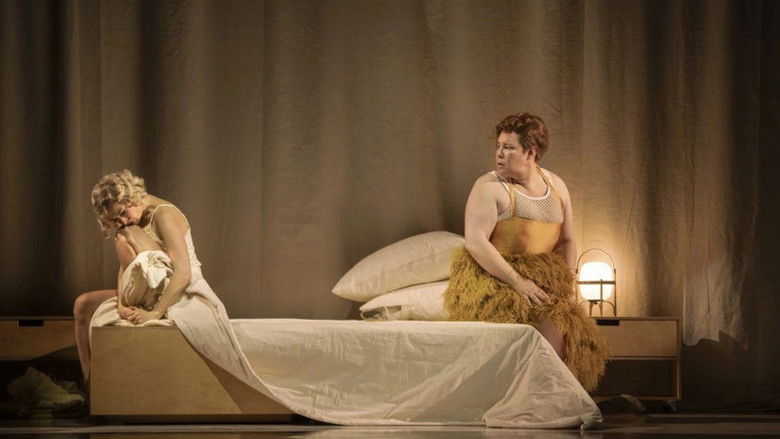
The painter Lili Elbe was the first person to have gender confirmation surgery in the 1930s. The homonymous opera is a glimpse into the life of Lili Elbe and her wife Gerda Wegener (also a famous painter) through Lili's transition at a time when such surgery was still completely uncharted territory.
Theatrical recording of the play from "Black Blood": 1917 was the year during the Great War that nearly led to a revolution in France. At that time, Merlin was a modest but passionate professor. Nicknamed Cripure by his students, he spent most of his time reflecting on the human condition, in the light of God, which was supposed to exist. Filmed in Théâtre du Cothurne in Lyon.
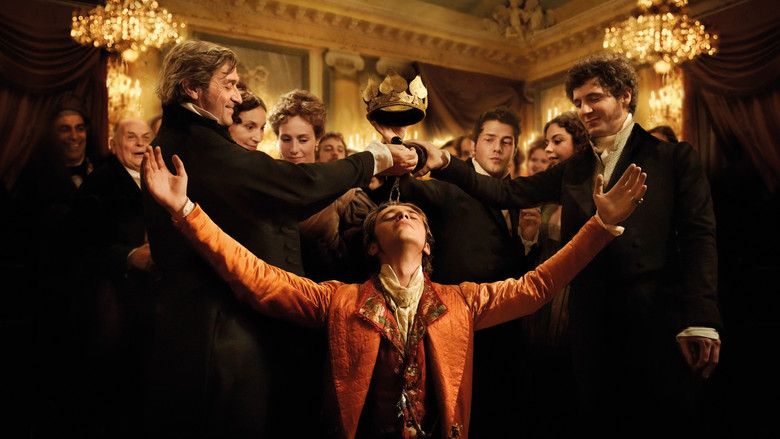
Lucien de Rubempré, a young, lower-class poet, leaves his family's printing house for Paris. Soon, he learns the dark side of the arts business as he tries to stay true to his dreams.
Fede is a theater actress who, while putting on clown make-up for a show, thinks back to her relationship with her father: a relationship of tenderness, desire and hatred.
An 11-year old vendor of pirated copies of films in a downtown capital tries every possible way in his position to watch a film for the very first time inside the comfort of a cinema.
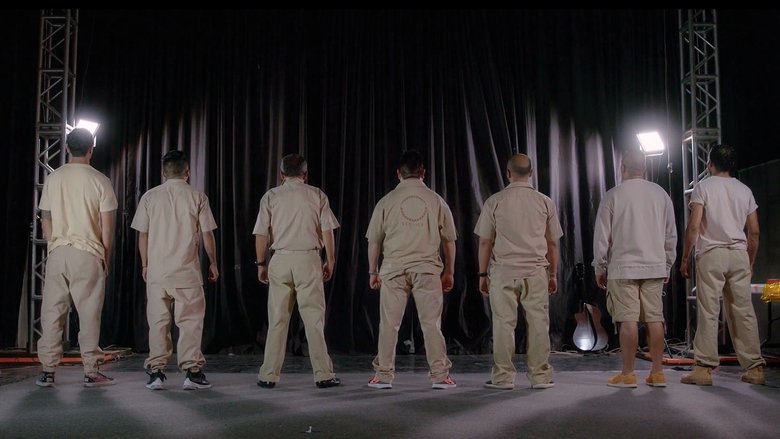
The internal journey of eight men, who, through a theater workshop, go through the different prisons they inhabit. Practicing the art of seeing themselves, in Boal's words, this group of men reflects on their masculinity as a representation to hide their true strength: their vulnerability.
A play by Chekhov, starring Vivien Leigh and John Gielgud, it marked Leigh’s final performance before her death in 1967

In a dark, velvety theatre, there is a first kiss between Pietro and Tommaso. When the lights come back on, however, the two students have different expectations of what might follow. The chaos of awakening desire in its complexity and sensuality is told and made almost physically tangible through looks and gestures, approach and retreat, hope and fear.
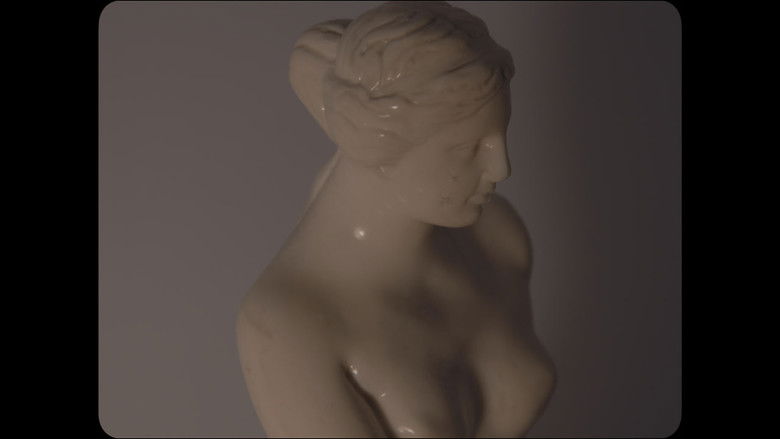
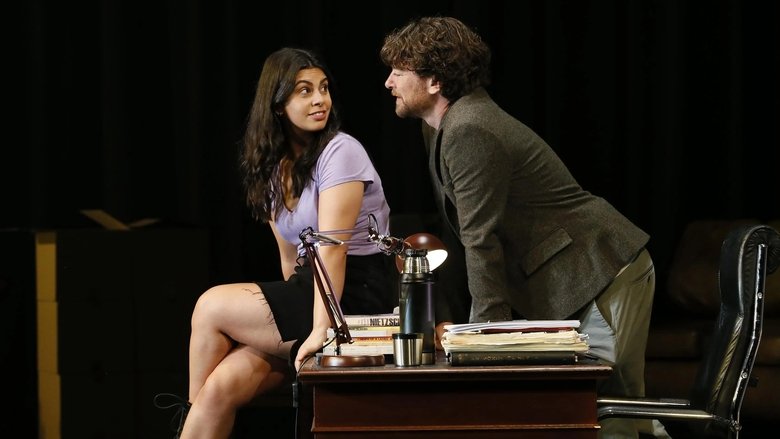
In this Australian premiere production, Dan Spielman and Izabella Yena embody Hannah Moscovitch’s whipsmart #MeToo-era take on the archetypal student–teacher romance.
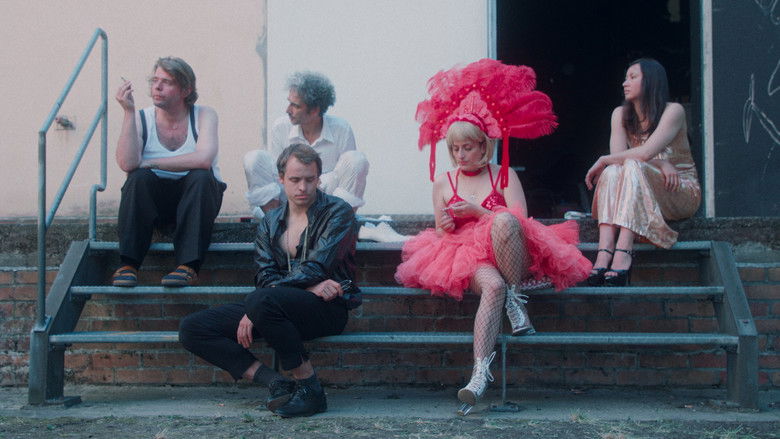
Ela, a young actress, gets a role with the well-known theatre director Franz Kramer. The production is a great opportunity for Ela, but also comes with pressure. Kramer constantly oversteps Elas boundaries, and the situation worsens when Kramer sexually harasses her. Ela struggles to reconstruct her role as a self-confident character-and realizes that to do so, she has to take the same steps of self-empowerment in her real life.
T. Dianiška's documentary fiction from behind the scenes of the assassination of R. Heydrich, in which the real story is intertwined with comic exaggeration, pop culture references, and harsh humor. 294 Brave Men was written by Tomáš Dianiška for the Divadlo po Palmovkou theater, where he also staged it with the local ensemble. As the title of the play suggests, the protagonists of Operation Anthropoid are not the main heroes in this case. 294 Brave Men refers to the people from the domestic resistance who paid with their lives for helping the paratroopers and whose names are now borne by streets in Libeň and the surrounding Prague districts. T. Dianiška treats historical facts with respect, but at the same time quite freely, and he depicts the background of "the greatest heroic deed in our history" with the help of humor, often very dark humor.
Inspired by the life of Varvara Asenkova, a 19th-century actress who earned great acclaim on St. Petersburg stage before her death at the age of 24.

No Masks from Theatre Royal Stratford East and Moonshine Features present a new work based on the real-life experiences and testimonies of key workers from East London.
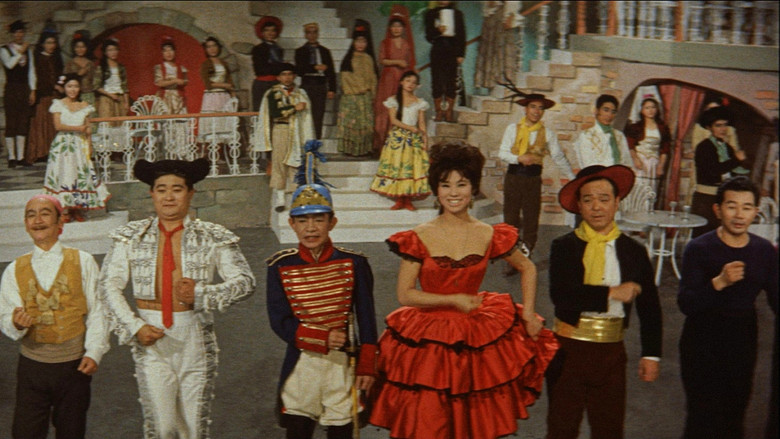
The film adaptation of Kazuo Kikuta novel "Kumo no Ue Dangoro Ichiza", which enjoyed great success at the performances of the Toho Takarazuka Theater at the end of the year. The troupe "Kumo no Ue Dangoro" continues to tour from town to village. The small cast of the troupe includes its leader (Kenichi Enomoto), Norizo (Norihei Miki) and Taizo (Mutoshi Happa), who play female roles - they are all super actors, each of whom plays five roles. Dan Goro dreams of performing in a major theater and tries to put on a big show with a young man he meets in Shikoku named Sakai (Frankie Sakai), but...
On the same day that Stalin was buried, Sergei Prokofiev's funeral took place completely unnoticed. And if the farewell to the composer quietly went against the backdrop of the farewell to the dictator that swept the whole country, then in the play everything is the opposite - Prokofiev's music is in the center, and it is interrupted by the stories of those people who would probably ignore Stalin's funeral and went to say goodbye to the great composer.