
¿Cómo, por qué y para qué se asesina un general? (1971)
Documentary short about the death of Chilean general René Schneider by the CIA, following the election of Salvador Allende as president of the nation.
Documentary short about the death of Chilean general René Schneider by the CIA, following the election of Salvador Allende as president of the nation.
Examines the career and literary output of Pablo Neruda, who makes his home at Isla Negra on the coast of Chile. Includes views of Mr. Neruda reading many of his poems in the locales which inspired them.
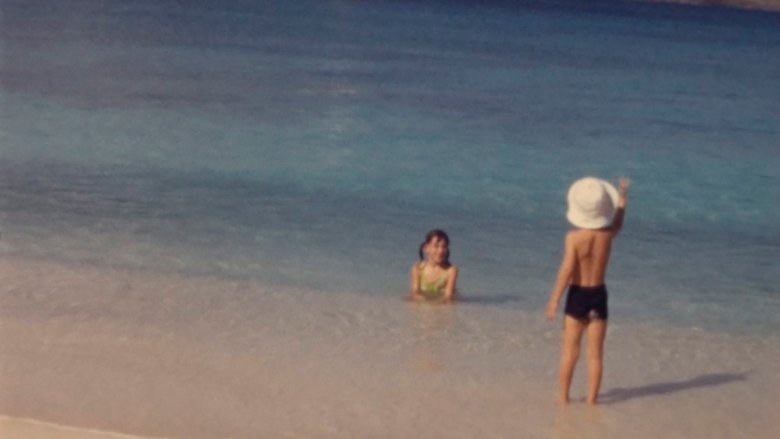
"The palm trees on the reverse are a delusion; so is the pink sand". This line, taken from a poem by Margaret Atwood, lights the path traced in "Postcard". As the years go by, landscapes transform, take on new meanings, and hold onto joys that will never be regained. The sea and the beach, once stages of happy summers, romances, and encounters, will turn into concentration camps or centers of detention and torture. This occurs across different times and places. In this piece, I embark on a journey through some of my works that explore the relationship between testimony, spaces, and time, engaging in dialogue with the beautiful film directed by Alejandro Segovia in 1972.
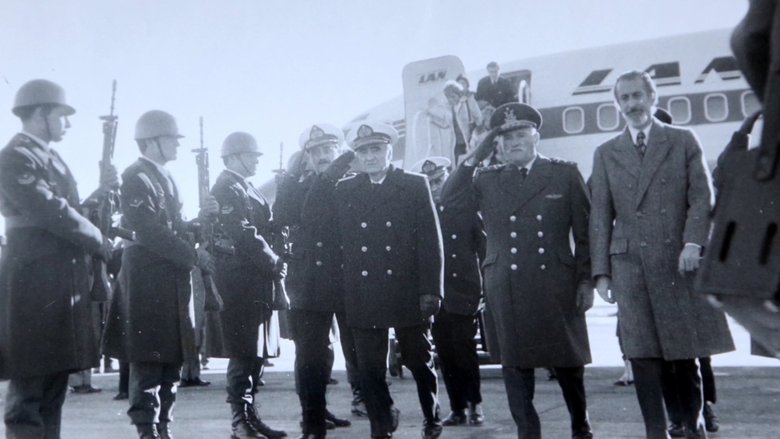
During the first days after the 1973 Chilean coup d’état, the political leadership of the Popular Unity government was arrested and transferred to Dawson Island, Magallanes Region, extreme south of Chile and the mainland. The wives of the then political prisoners began an incessant effort to find out the whereabouts of their husbands and then try to return them alive. In these circumstances, they meet and spontaneously organize into a group they call the “Dawsonianas.”
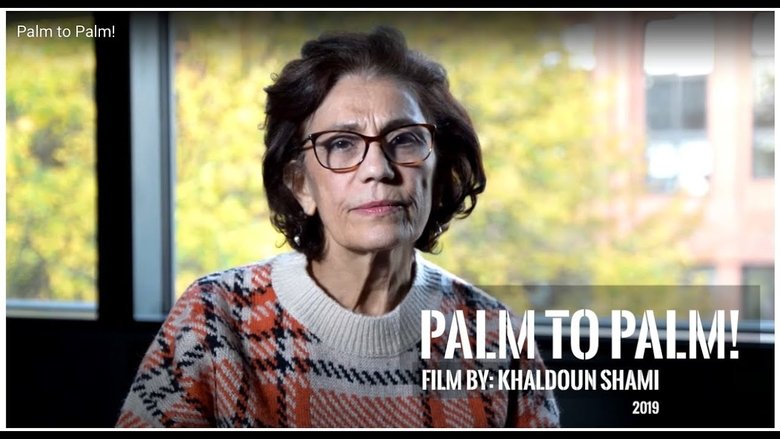
"Everybody should have a home. If you punish a nation, this is so abstract, it's very mean to use your power to put another country in your control... Instead of punishment, maybe we should have love." Eliane from Chile, Milad from Iran, and Georgia from Greece, three migrants in the UK and their thoughts on love, home, family, and Shakespeare's Romeo and Juliet.
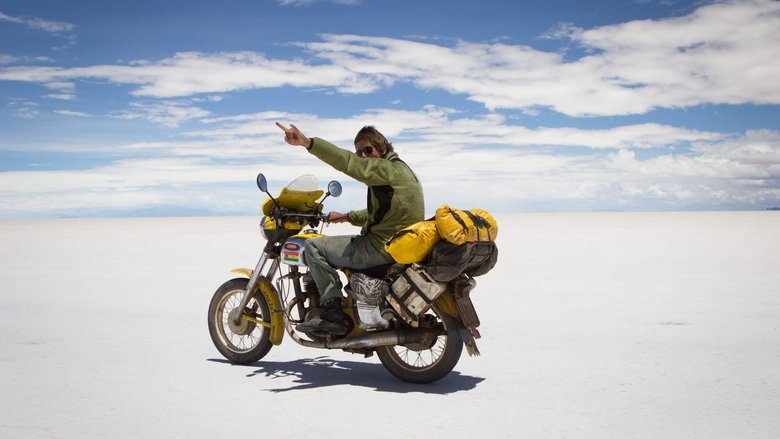
The third installment in Dan Přibáň's series of travel documentaries describes the author's journey with his friends across South America in vehicles that are often notorious but cult in their own way. The charming dynamics of the group on screen are further enhanced by the high-quality craftsmanship.

Images of Argentinian companies and factories in the first light of day, seen from the inside of a car, while the director reads out documents in voiceover that reveals the collusion of the same concerns in the military dictatorship’s terror.
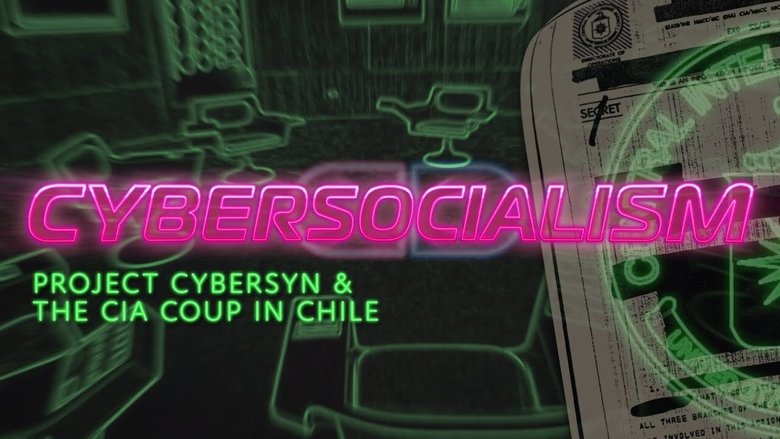
A documentary on the rise and fall of Project Cybersyn, an attempt at a computer-managed centralized economy undertaken in Chile during the presidency of Salvador Allende.
It follows Chilean writer Antonio Skármeta as he celebrates the end of the autocrats. Cheerful farewell rituals accompany others facing political persecution on their way to fly home.
Bruno Muel's documentary on the coup in Chile in 1973. Muel, who was part of the famed Medvedkine group, along with Chris Marker and Jean-Luc Godard, among others, captured one of the most powerful portraits of the early days of Dictatorship. Profound solidarity with the socialist cause, Muel and his team showed great courage to mix the official registration of images with those triumphant, clandestine, of the nascent opposition.
The real estate industry has destabilized the natural surroundings of the city of Concón, on the Chilean coast, forcing the inhabitants and landscapes of the region to find new ways to adapt and survive. “Nidal” depicts the cohabitating of species and the accelerated transformation of the landscapes due to human occupation.
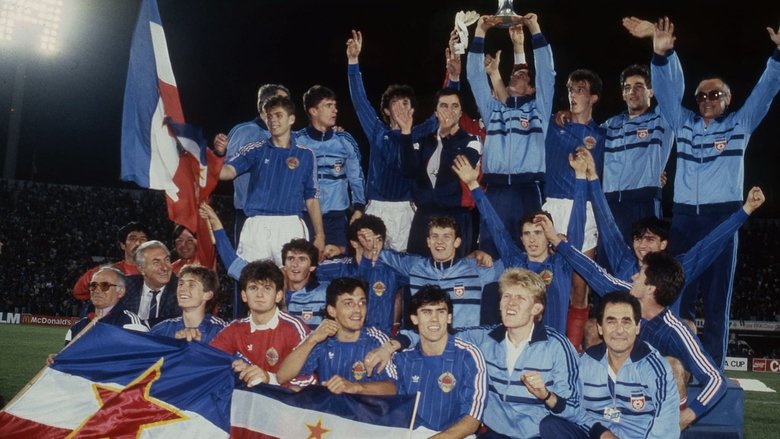
The story of the Yugoslavian football team who became youth world champions in Chile, 1987.
A documentary about Finnish twin sisters, one of whom disappeared in Argentina in 1977.
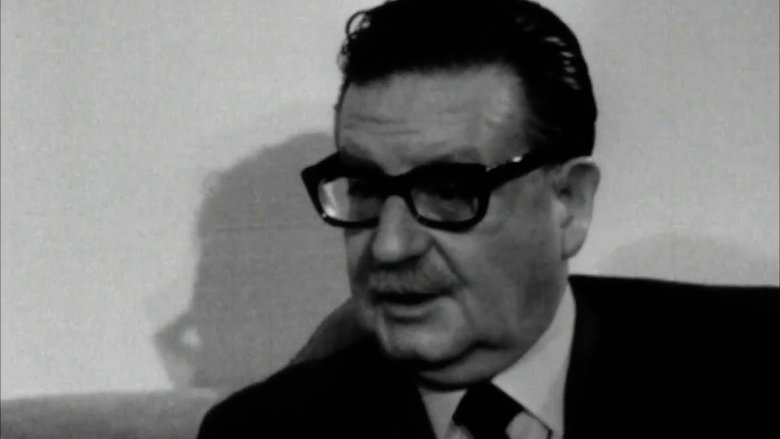
An interview with the president of Chile conducted by Roberto Rossellini in 1971, but broadcast only after his death.
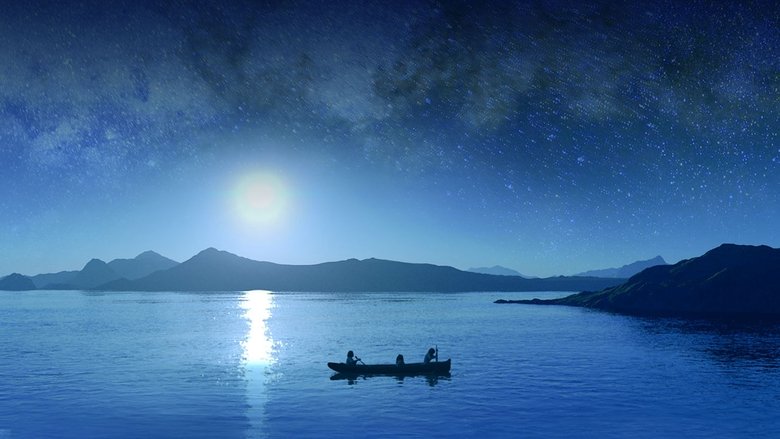
The ocean contains the history of all humanity. The sea holds all the voices of the earth and those that come from outer space. Water receives impetus from the stars and transmits it to living creatures. Water, the longest border in Chile, also holds the secret of two mysterious buttons which were found on its ocean floor. Chile, with its 2,670 miles of coastline and the largest archipelago in the world, presents a supernatural landscape. In it are volcanoes, mountains and glaciers. In it are the voices of the Patagonian Indigenous people, the first English sailors and also those of its political prisoners. Some say that water has memory. This film shows that it also has a voice.
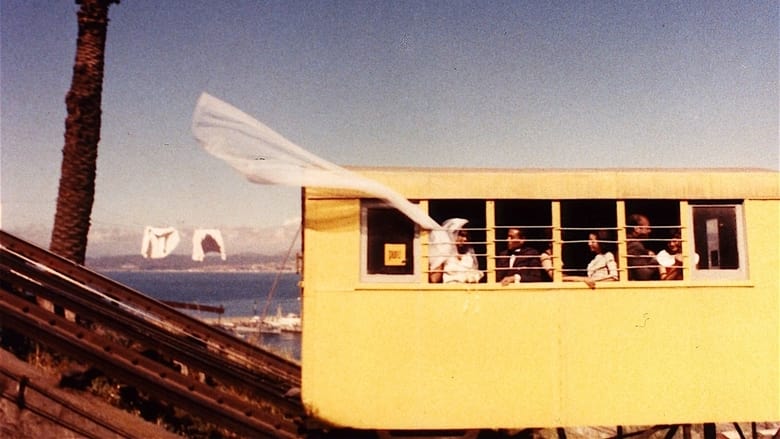
In 1962 Joris Ivens was invited to Chile for teaching and filmmaking. Together with students he made …A Valparaíso, one of his most poetic films. Contrasting the prestigious history of the seaport with the present the film sketches a portrait of the city, built on 42 hills, with its wealth and poverty, its daily life on the streets, the stairs, the rack railways and in the bars. Although the port has lost its importance, the rich past is still present in the impoverished city. The film echoes this ambiguous situation in its dialectical poetic style, interweaving the daily life reality (of 1963) with the history of the city and changing from black and white to colour, finally leaving us with hopeful perspective for the children who are playing on the stairs and hills of this beautiful town.
Travel to the ice mountains of Chile to discover the secrets of the puma (aka panther, mountain lion and cougar) the area's largest predator. Discover how this elusive cat survives and follow the dramatic fate of a puma and her cubs.
Documentary inspired in the life and work of Chilean musician and engineer José Vicente Asuar, worldly known for his work in developing electroacoustic music, being the creator of the first musical computer in Latin America, today abandoned in a country house outside the city. The reunion of Asuar with this artifact creates a lost story that reveals the history of a essential character of our sounding biography.
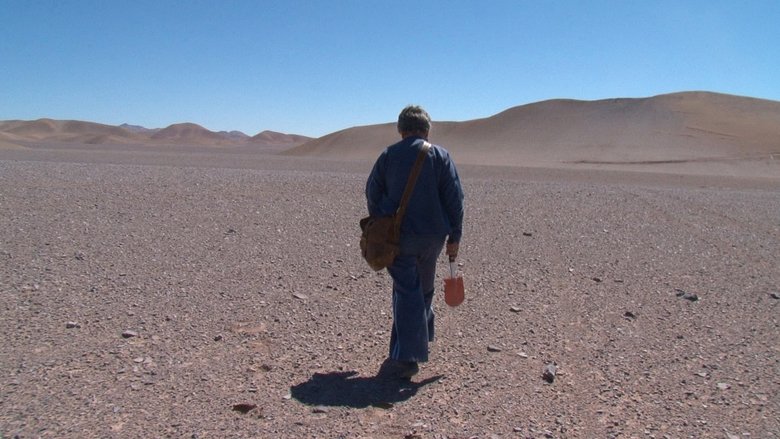
In Chile's Atacama Desert, astronomers peer deep into the cosmos in search for answers concerning the origins of life. Nearby, a group of women sift through the sand searching for body parts of loved ones, dumped unceremoniously by Pinochet's regime.
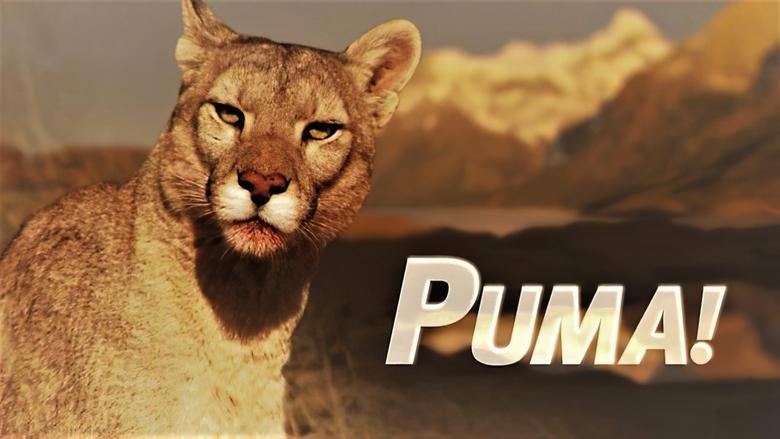
It is a powerful predator, one of the most elusive animals in Patagonia and rarely filmed. In the very South of Chile the Pumas' hunting grounds lie in the awe-inspiring Torres del Paine National Park, follow a mother Puma as she rears her cubs in the wild, teaching them to survive and thrive.
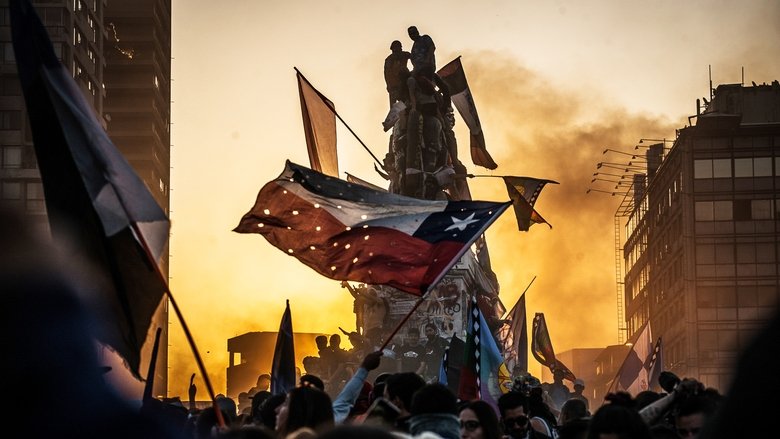
This documentary explores the protests that exploded onto the streets of Chile’s capital of Santiago in 2019 as the population demanded more democracy and social equality around education, healthcare and job opportunities.