
Modern Education (1909)
The great men of letters and military conquest pose on subsequent pages of a very special history book.
The great men of letters and military conquest pose on subsequent pages of a very special history book.
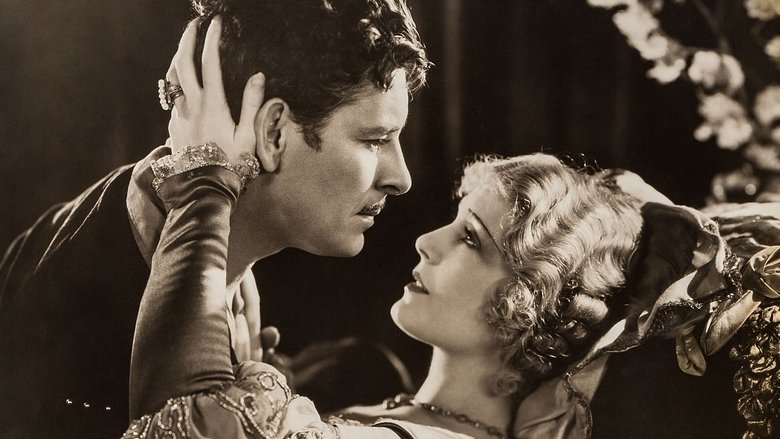
Set during the 16th-century Spanish occupation of Flanders, the story concentrates on the fiercely patriotic Mark Van Ryke (Colman). Donning the guise of "Leatherface," a swashbuckling masked avenger, Van Ryke performs his derring-do on behalf of the Prince of Orange (Nigel de Brulier). Naturally, Van Ruke considers beautiful Spanish aristocrat Donna Leonora de Vargas (Vilma Banky) to be a bitter enemy, and the feeling is mutual. To no one's surprise, however, Van Ryke and Donna Leonara eventually fall in love (hence the title). The pulse-pounding climax finds Van Ryke riding hell-for-leather through a rainstorm to warn the Flemish troops about the Spaniards' plans to burn the city of Ghent to the ground. Two Lovers was based on Madame Orczy's novel Leatherface, and adapted for the screen by Alice Duer Miller.

The Goddess Venus is jealous of the beautiful human girl Psyche and blames her pet unicorn, Unico, as Psyche's source of good luck that keeps her from the harm of the goddess' cruel intentions. Unico has the amazing power to make anyone he meets happy. Whether it's because of his personality or the powers of his horn, no one knows. Venus has Unico banished, and the West Wind now takes Unico from one place and time to the next. Taken to a heavily polluted city, Unico meets a sickly girl named Chiko who is suffering because of the pollution of a nearby factory that darkens the entire sky. Unico then is determined to cheer her up, cure her, and destroy the nearby factory.

An animated short based on Hans Christian Andersen's tale about a poor young girl with a burning desire to find comfort and happiness in her life. Desperate to keep warm, the girl lights the matches she sells, and envisions a very different life for herself in the fiery flames filled with images of loving relatives, bountiful food, and a place to call home.
A homeless bum, bored of eating the same food every night, promises his girlfriend a special dinner. He plans to take her out with money robbed from a passing stranger. But the bum’s in for a surprise when the man he targets for his mugging turns out to have special – and hilarious – powers.
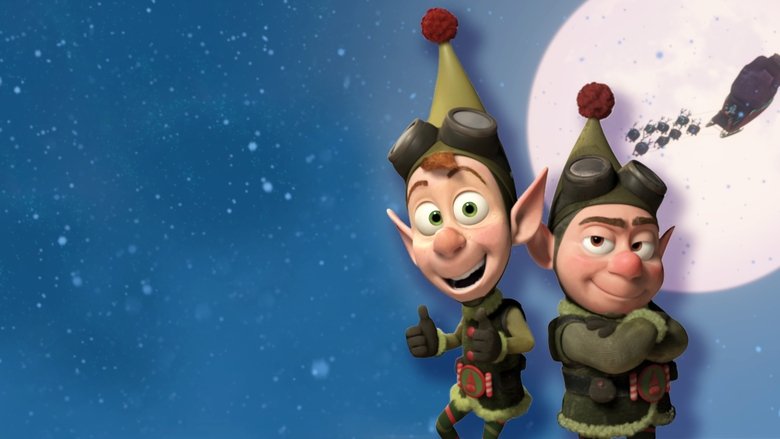
Wayne gets a new rookie partner, Lanny, after his previous partner got the promotion he wanted. Lanny has to remind Wayne of the Spirit of Christmas and the importance of being an elf in Santa's Prep and Landing elite unit.
The film depicts the marriage between the mad Charles VI of France and his wife Queen Isabeau.
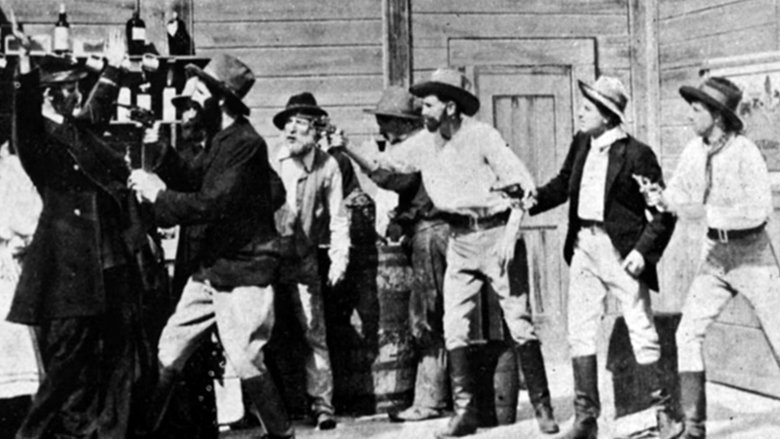
Just as Galeen and Wegener's Der Golem (1915) can be seen as a testament to early German film artistry, The Story of the Kelly Gang (1906) symbolizes both the birth of the Australian film industry and the emergence of an Australian cinema identity. Even more significantly, it heralds the emergence of the feature film format. However, only fragments of the original production of more than one hour are known to exist, preserved at the National Film and Sound Archive, Canberra; Efforts at reconstruction have made the film available to modern audiences.
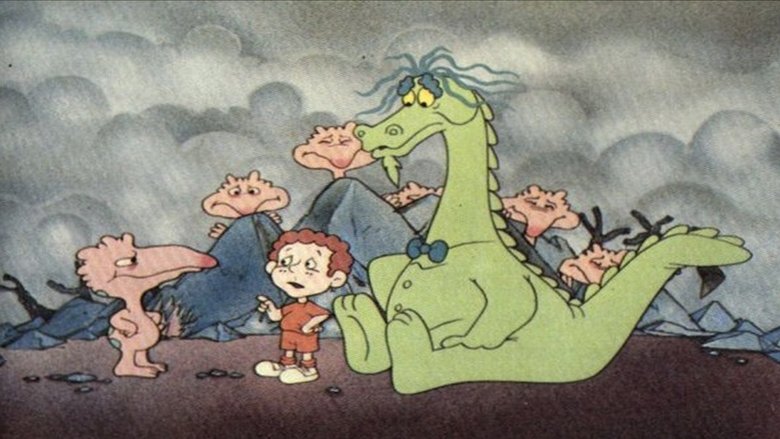
Jackie is a boy who is so trapped by his fears and doubts that he could not communicate with anyone. Then, a magic dragon named Puff comes to help Jackie by taking his soul force on a wonderous voyage to his island of Honah Lee. Along the way, they have adventures that nurture Jackie's imagination and courage in unorthodox ways.

The Count sets out to make a private room for him and his Countess, built in such a way no one can see, hear, and most importantly, disturb them. But unbeknownst to the Count, his wife has set her eyes on the court minstrel. Based on Edgar Allan Poe's “The Cask of Amontillado” and Honoré de Balzac's “La Grande Breteche”.
a silent movie by Robert Wiene
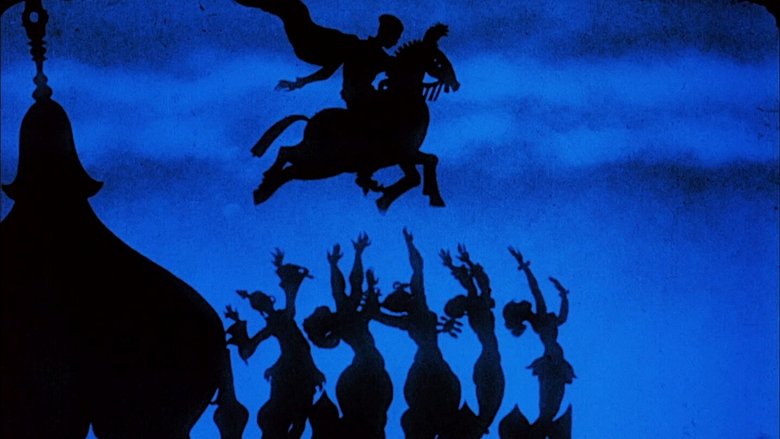
Taken from The Arabian Nights, a wicked sorcerer and the beautiful prince Achmed battle one against the other during a series of wondrous adventures.
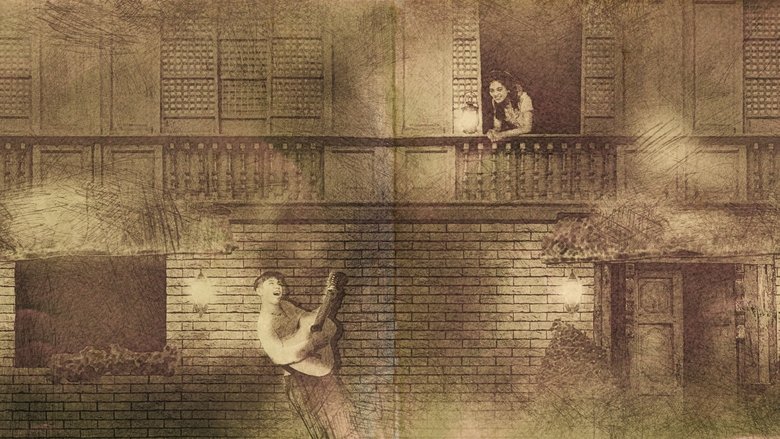
Set in Spanish colonial Philippines. Pedro is tasked to wed a wife whilst his activist friend is considering him to join the revolution. Through a raunchy and campy path of winning the love of his life, Pedro is met with a daunting revelation.
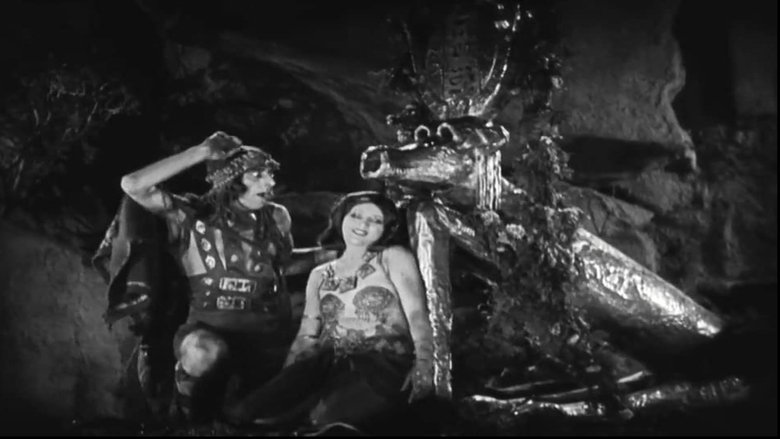
The first part tells the story of Moses leading the Jews from Egypt to the Promised Land, his receipt of the tablets and the worship of the golden calf. The second part shows the efficacy of the commandments in modern life through a story set in San Francisco. Two brothers, rivals for the love of Mary, also come into conflict when John discovers Dan used shoddy materials to construct a cathedral.

This mostly lost film is often confused with director Paul Wegener third and readily available interpretation of the legend; Der Golem, wie er in die Welt kam (1920). In this version of the golem legend, the golem, a clay statue brought to life by Rabbi Loew in 16th century Prague to save the Jews from the ongoing brutal persecution by the city's rulers, is found in the rubble of an old synagogue in the 20th century. Brought to life by an antique dealer, the golem is used as a menial servant. Eventually falling in love with the dealer's wife, it goes on a murderous rampage when its love for her goes unanswered.
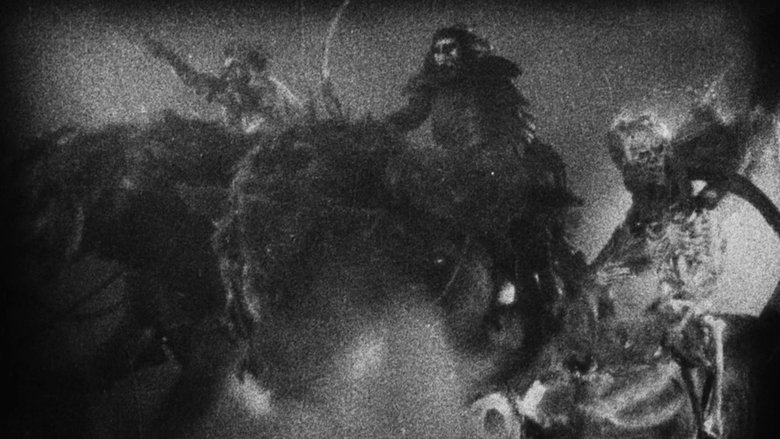
God and Satan wager on the soul of a learned and prayerful alchemist as part of their eternal war over Earth.
A young woman who lives with her uncle begins to dream about a monster that lurks in the shadows of the night.
A man comes to the beach with one goal: digging a hole. But what he finds beneath will shock him.
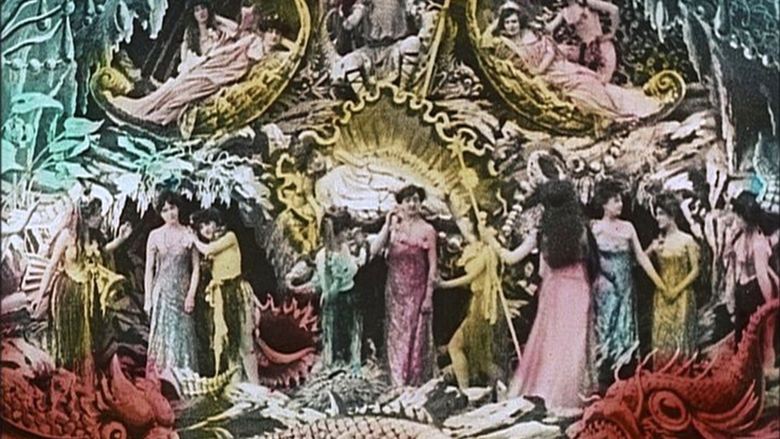
At the royal court, a prince is presenting the princess whom he is pledged to marry when a witch suddenly appears. Though driven off, the witch soon returns, summons some of her servants, and carries off the princess. A rescue party is quickly organized, but the unfortunate captive has been taken to a strange, forbidding realm, from where it will be impossible to rescue her without some special help.
Explores a fleeting moment between two strangers, revealing their brief connection in a hyper real fantasy.

The seven short films making up GENIUS PARTY couldn’t be more diverse, linked only by a high standard of quality and inspiration. Atsuko Fukushima’s intro piece is a fantastic abstraction to soak up with the eyes. Masaaki Yuasa, of MIND GAME and CAT SOUP fame, brings his distinctive and deceptively simple graphic style and dream-state logic to the table with “Happy Machine,” his spin on a child’s earliest year. Shinji Kimura’s spookier “Deathtic 4,” meanwhile, seems to tap into the creepier corners of a child’s imagination and open up a toybox full of dark delights. Hideki Futamura’s “Limit Cycle” conjures up a vision of virtual reality, while Yuji Fukuyama’s "Doorbell" and "Baby Blue" by Shinichiro Watanabe use understated realism for very surreal purposes. And Shoji Kawamori, with “Shanghai Dragon,” takes the tropes and conventions of traditional anime out for very fun joyride.