
Scanning of Modulations (2001)
Eye-popping digital moving image work with an equally arresting soundtrack from noise music heavies.
Eye-popping digital moving image work with an equally arresting soundtrack from noise music heavies.
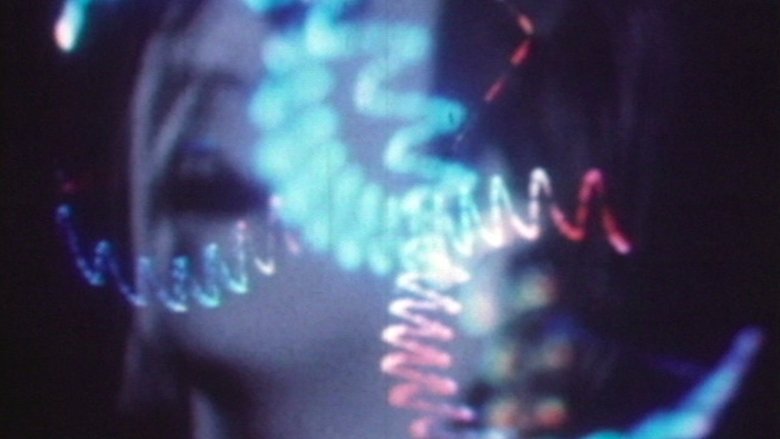
Part of a collection of restored early works by Nam June Paik, the haunting Beatles Electronique reveals Paik's engagement with manipulation of pop icons and electronic images. Snippets of footage from A Hard Day's Night are countered with Paik's early electronic processing.
Creeping from the halls of the maze brain, corruption and terror is woven by devils born from the denied errors of mankind.

I turned my gaze to the various events in daily life and made this filmic diary in a manner as if confessing my feelings. Of course, since I was making the film, I wanted to depict these feelings and events with tricky techniques. I used various methods to shoot photographs of a relative's wedding, the landscape I see from window of my house, commemorative travel photographs and the like frame-by-frame.
An unnamed passer-by is forced to trace a circular route inside an abandoned tram station, facing loss and time. The broken walls act as a channel, transmitting fragmentary, blurred and analogical memories.
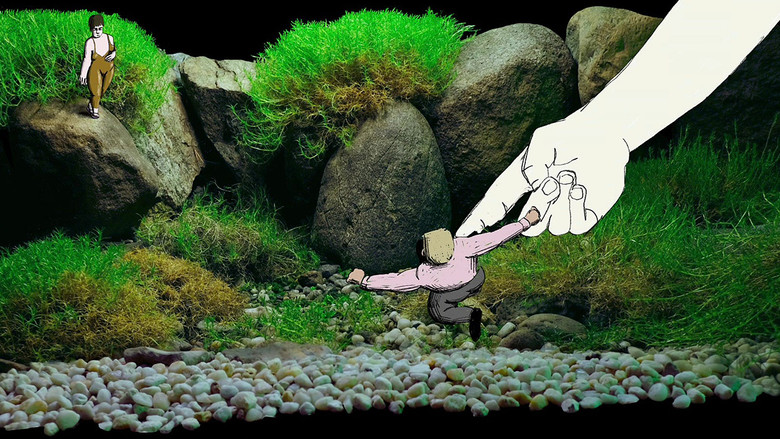
Someone falls off the scene and a tree is upside down. In the search for the roots, people are torn from their usual order, while in the dark connections are made. A woman tastes of the primordial soup and we end up in a system of people spinning around themselves. Only one person remains alone, but he gets unexpected comfort from somewhere.

This fantastical movie inspired by the music of Michael Jackson features imaginative interpretations of hit tracks from the iconic 1987 album “Bad”.

A short film recounting the travels of a lonely astronaut confronted by the unknown. Unfolding as a mystery, it becomes a carefully subtle, autobiographical examination of the feeling of loneliness and the existential issue of not understanding life on earth and ones place among it.

An anthology of one-minute films created by 51 international filmmakers on the theme of the death of cinema. Intended as an ode to 35mm, the film was screened one time only on a purpose-built 20x12 meter public cinema screen in the Port of Tallinn, Estonia, on 22 December 2011. A special projector was constructed for the event which allowed the actual filmstrip to be burnt at the same time as the film was shown.
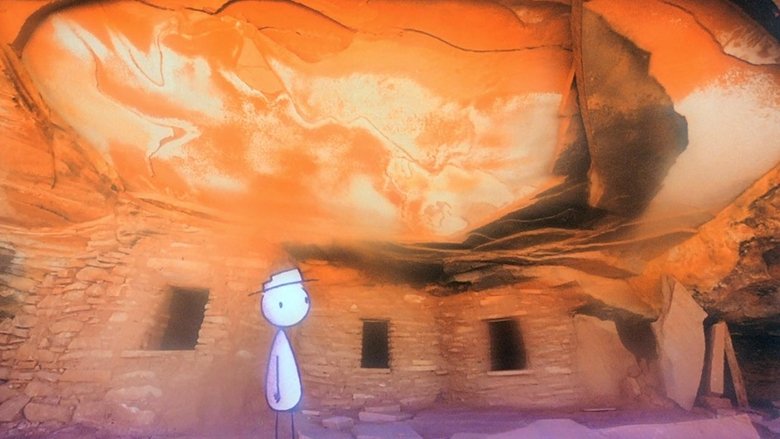
Bill struggles to put together his shattered psyche.
A short film advertising the newspaper Sztandar Młodych (The Banner of Youth), noteworthy for its abstract elements painted directly onto film stock. An attempt at showing the complexity of the world in a capsule, the film reflects the new policy of the openness to the West during the Thaw of the late 1950s in Poland.

Three memories that become one. An attempt to merge heterogeneous materials: a film sequence shot in Rome, a photo from the 1930s, a noisy soundtrack. Fragmented lines, exploding bass frequencies and flickering.
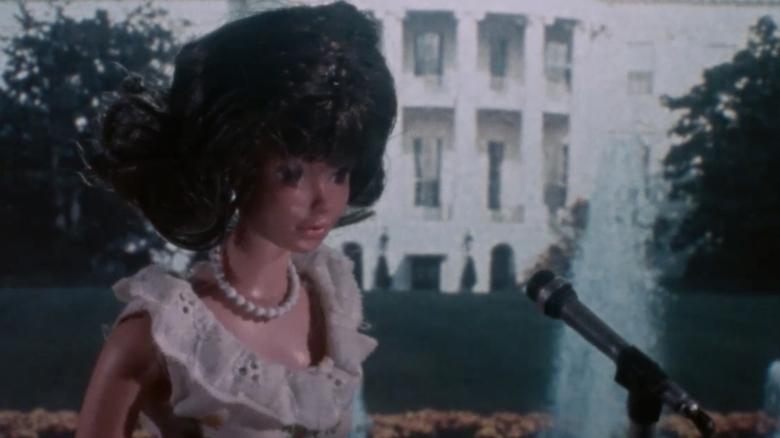
The final 17 years of American singer and musician Karen Carpenter, performed almost entirely by modified Barbie dolls.
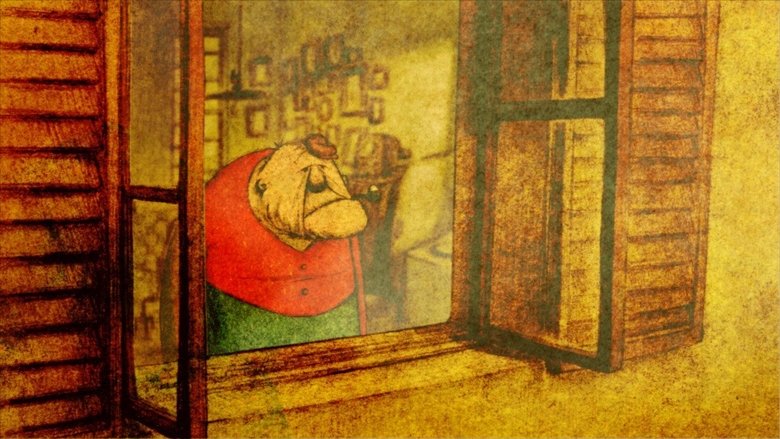
La Maison en Petits Cubes tells the story of a grandfather's memories as he adds more blocks to his house to stem the flooding waters.

Donald gets off the bus and heads home hoping to get a good night's sleep. At first, his plans for rest are disturbed by an open window shade which lets light from a flashing sign in. After that problem is dealt with, Donald is kept awake by a persistently dripping faucet. Donald tries to ignore it but after a while, it becomes aggravating to put it mildly. Donald makes several attempts to stop the dripping and finally at least is able to keep it under control via a Rube Goldberg contraption. At this point, Donald receives a call from his water company telling him he hasn't paid his water bill so they're cutting off his water!
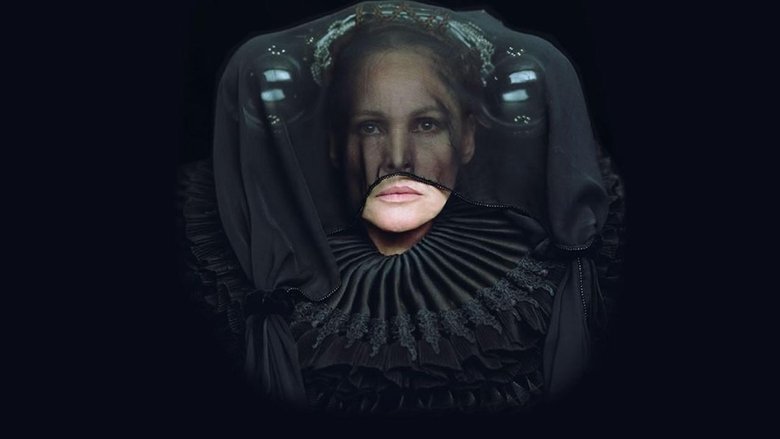
Cremaster 5 is a five-act opera (sung in Hungarian) set in late-ninteenth century Budapest. The last film in the series, Cremaster 5 represents the moment when the testicles are finally released and sexual differentiation is fully attained. The lamenting tone of the opera suggests that Barney invisions this as a moment of tragedy and loss. The primary character is the Queen of Chain (played by Ursula Andress). Barney, himself, plays three characters who appear in the mind of the Queen: her Diva, Magician, and Giant. The Magician is a stand-in for Harry Houdini, who was born in Budapest in 1874 and appears as a recurring character in the Cremaster cycle.
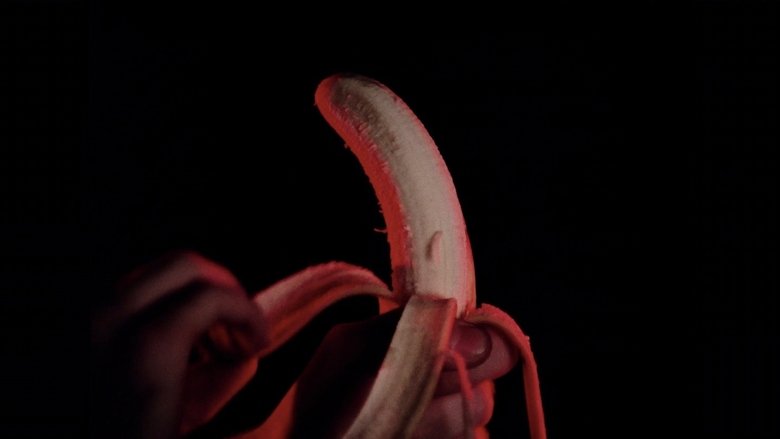
Dislocation in time, time signatures, time as a philosophical concept, and slavery to time are some of the themes touched upon in this 9-minute experimental film, which was written, directed, and produced by Jim Henson. Screened for the first time at the Museum of Modern Art in May of 1965, "Time Piece" enjoyed an eighteen-month run at one Manhattan movie theater and was nominated for an Academy Award for Outstanding Short Subject.
Initially commissioned to accompany a Danish production of Alban Berg’s LULU, Lewis Klahr’s cut-out animation refigures the opera's themes in a torrent of images. With an ever-inventive approach to color and symbol, Klahr distills the title character's moral predicament, along with a great many of German Expressionism’s characteristic motifs, in the span of a pop song.

A huge, run-down apartment in Berlin Mitte. Two women and a man, rehearsals for a movie about love and sex, that will never be shot. Acting and reality mingle into a dangerous mélange.
Mizuki Kiyama's short animation utilizes a paint on glass technique to render a young girl's visit to a neighborhood sento (bath house) with her mother with dazzling sensuous wonder. Evoking childish fascination at daily rituals, this quotidian act amidst feminine intimacy becomes a space of otherworldly fantasy.