
Kubrick Remembered (2014)
An 83-minute candid look into the life of Kubrick, including interviews with his widow, family, coworkers and actors, and featuring a tour of the Archive in London and an inside look into Kubrick's home.
An 83-minute candid look into the life of Kubrick, including interviews with his widow, family, coworkers and actors, and featuring a tour of the Archive in London and an inside look into Kubrick's home.
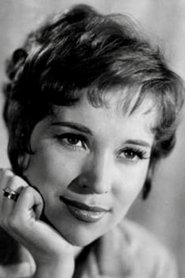 Christiane KubrickSelf
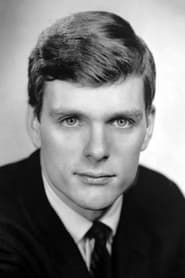 Keir DulleaSelf
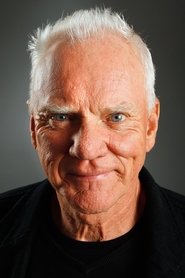 Malcolm McDowellSelf
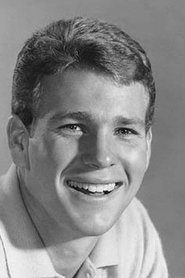 Ryan O'NealSelf
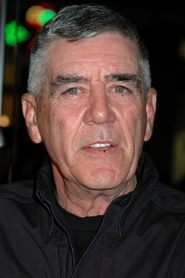 R. Lee ErmeySelf
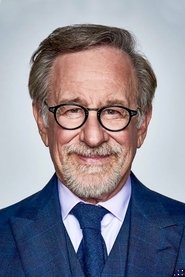 Steven SpielbergSelf
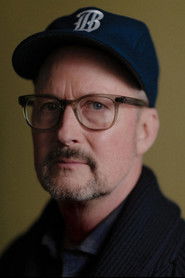 Todd FieldSelf
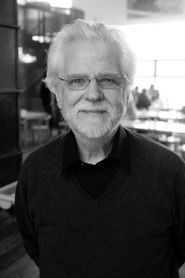 Jan HarlanSelf
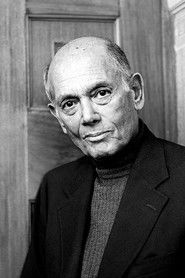 James B. HarrisSelf
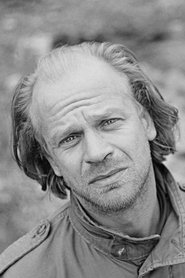 Leon VitaliSelf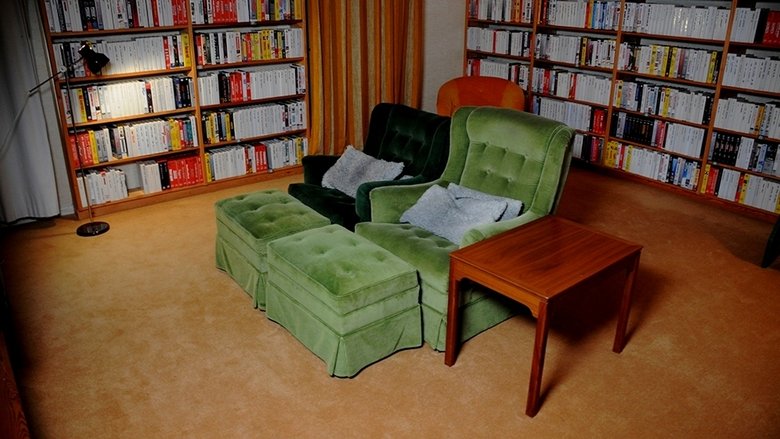
In the sixties, Swedish filmmaker Ingmar Bergman (1918-2007) built a house on the remote island of Fårö, located in the Baltic Sea, and left Stockholm to live there. When he died, the house was preserved. A group of very special film buffs, came from all over the world, travel to Fårö in search of the genius and his legacy. (An abridged version of Bergman's Video, 2012.)
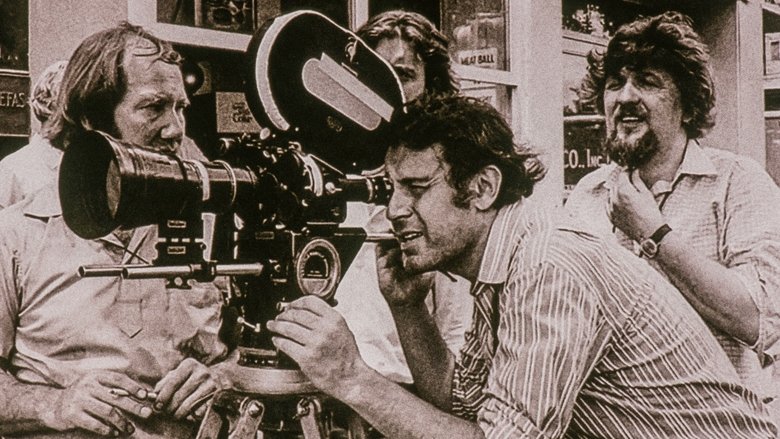
A moving account, in his own words, of the personal life and work of the brilliant Czech filmmaker Miloš Forman (1932-2018): his tragic childhood, his major contribution to the cultural movement known as the Czech New Wave, his exile in Paris, his troubled days in New York, his rise to stardom in Hollywood; a complete existence in the service of cinema.
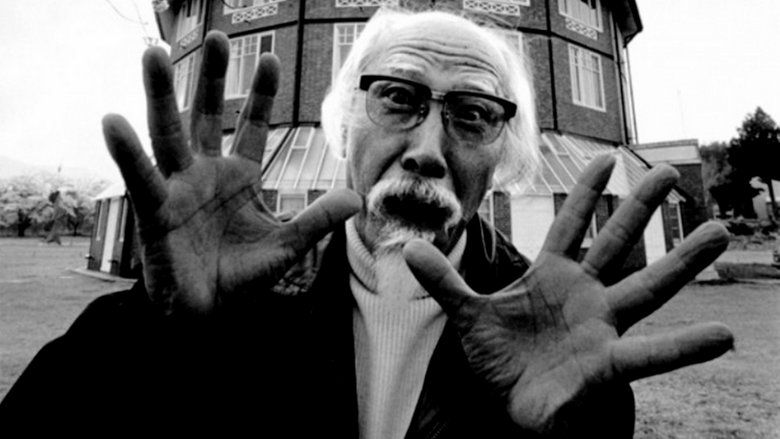
Film director and screenwriter Seijun Suzuki (1923-2017), who in the sixties was the great innovator of Japanese cinema; and his collaborator, art director and screenwriter Takeo Kimura (1918-2010), recall how they made their great masterpieces about the Yakuza underworld for the Nikkatsu film company.
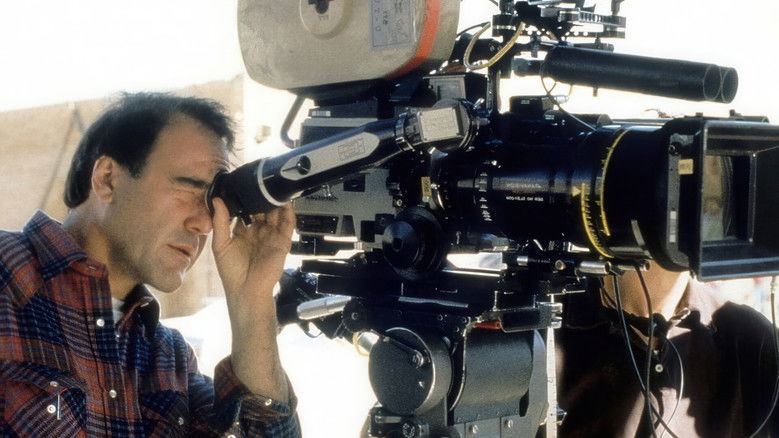

An autobiographical essay film structured as a letter to the director’s young daughter, "Où en êtes-vous, Bertrand Bonello?" weaves clips from Bonello’s films, excerpts from his scripts, pop songs, and snippets of original footage into a lyrical, reflexive cinematic self-portrait. "Où en êtes-vous?" is a collection initiated by Centre Pompidou, who asked directors to make retrospective and introspective films.
A documentary about the career of director Jack Arnold at Universal-International Studios. (An early version of this film, only 20 minutes in length, was screened in 2012.)
A journey through the work of Spanish filmmaker Juan Piquer Simón (1935-2011).
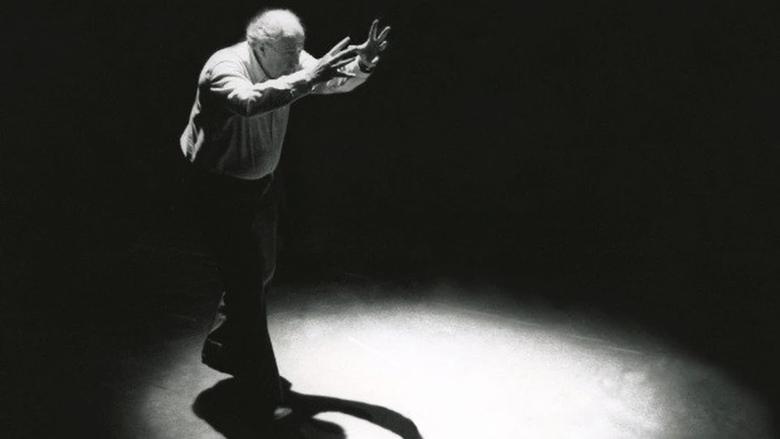
Robert Altman's life and career contained multitudes. This father of American independent cinema left an indelible mark, not merely on the evolution of his art form, but also on the western zeitgeist. With its use of rare interviews, representative film clips, archival images, and musings from his family and most recognizable collaborators, Altman is a dynamic and heartfelt mediation on an artist whose expression, passion and appetite knew few bounds.
A documentary about American director David Lynch from the Cinéma, de notre temps series.
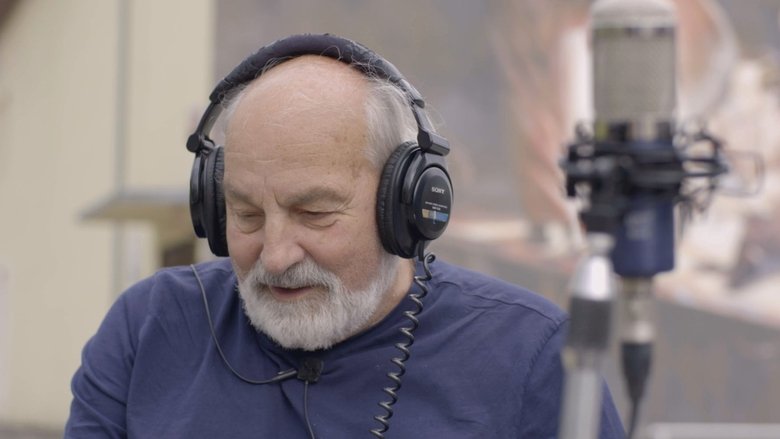
A look at the legendary Czech sound designer and his profession. Editor and documentary filmmaker Adéla Špaljová has her father Ivo Špalj talk about his life, career, and working methods. Over the course of his long life, sound designer Ivo Špalj (*1940) has collaborated on hundreds of films and become a mentor for at least one generation of men and women behind the mixing board. This gentle documentary also shows “Engi” (as he is known to his colleagues) again working with Jan Švankmajer, whose films he has lent their typical, dense, and sophisticated sound mix.
Documentary about the Dutch film director Adriaan Ditvoorst.
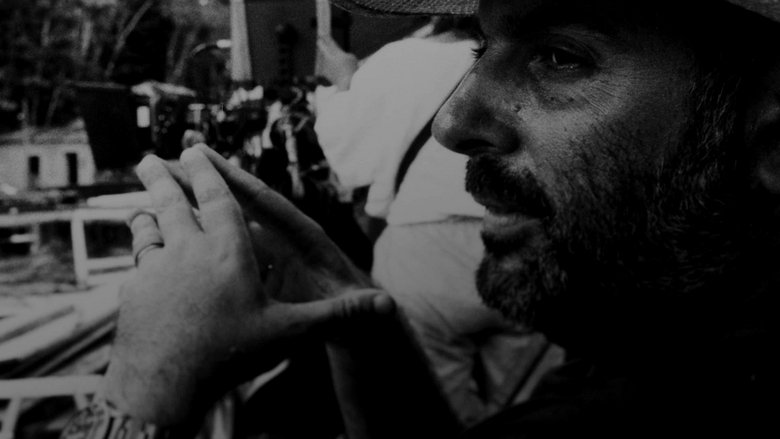
Besieged by cancer and nearing the end, the genius Argentine-Brazilian filmmaker Héctor Babenco (1946-2016) asks Bárbara Paz, his wife, for one last wish: to be the protagonist of his own death.
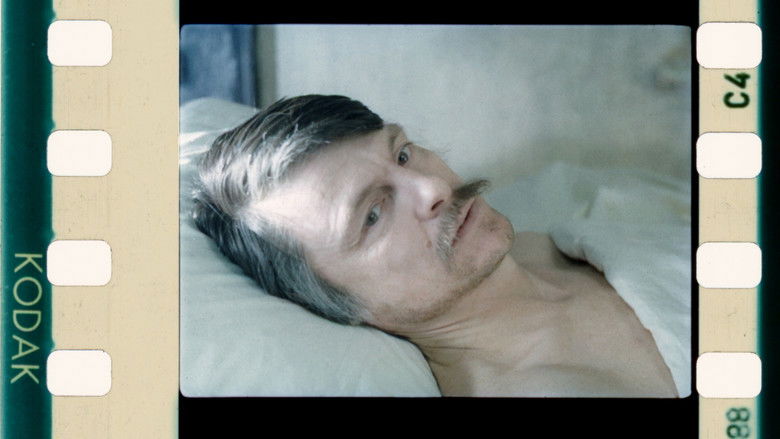
An account of the life and work of Russian filmmaker Andrey Tarkovsky (1932-86) in his own words: his memories, his vision of art and his reflections on the fate of the artist and the meaning of human existence; through extremely rare audio recordings that allow a complete understanding of his inner life and the mysterious world existing behind his complex cinematic imagery.
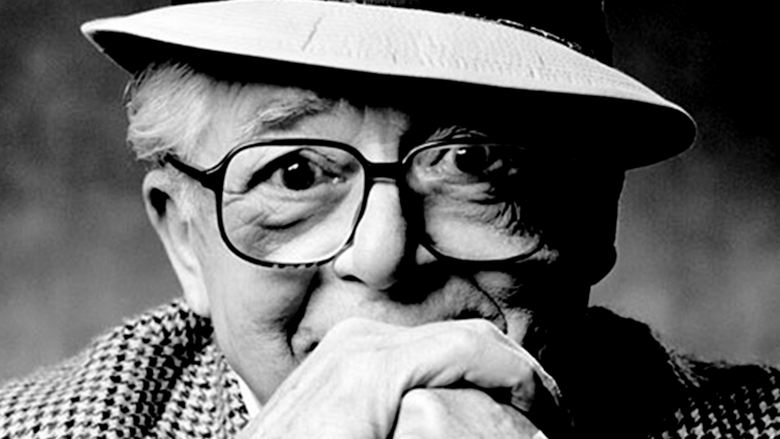
A funny walk through the life story of Billy Wilder (1906-2002), a cinematic genius; a portrait of a filmmaker who never was a boring man, a superb mind who had ten commandments, of which the first nine were: “Thou shalt not bore.”

Rare glimpse into the fascinating mind of one of cinema's greatest directors. Footage was gathered over a two year period and documents David Lynch's many creative interests as well as his passion for filmmaking. It’s “abstract trip” which reveals new aspects of the personality and the cinematographic vision of one of the exceptional authors of contemporary cinema. Personal portrait of David Lynch and his creative universe.
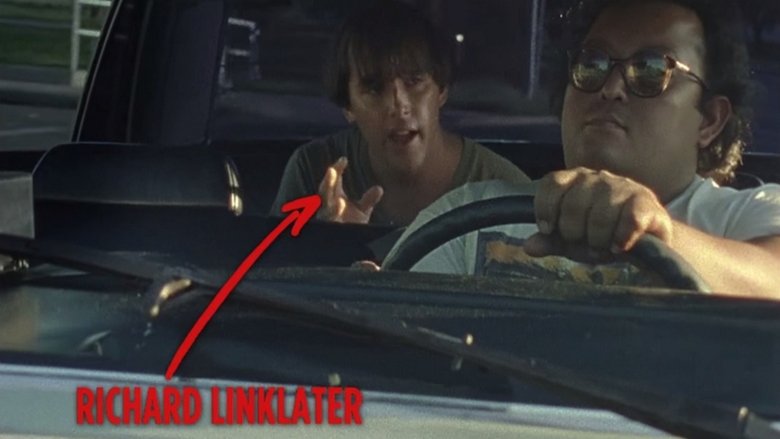
A journey through the professional life of innovative film director Richard Linklater: 21 years creating films, carving his signature in pop culture; an analysis of his style and motivations, through the funny and moving testimonies of close friends and collaborators, actors and other filmmakers.
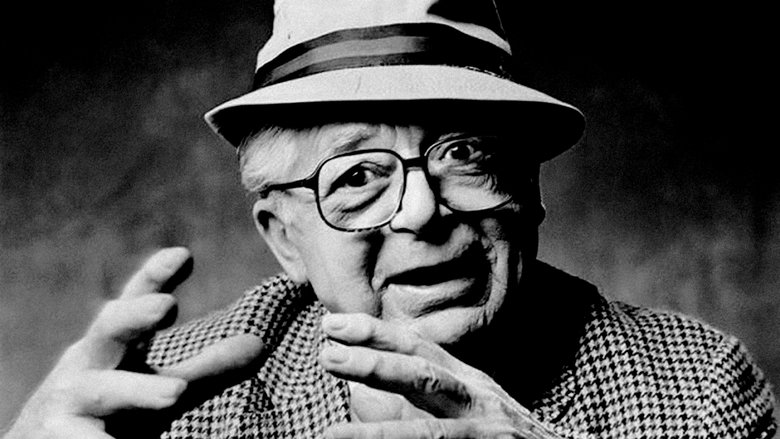
In 1988, German filmmaker Volker Schlöndorff sat down with legendary director Billy Wilder (1906-2002) at his office in Beverly Hills, California, and turned on his camera for a series of filmed interviews. (A recut of the 1992 TV miniseries Billy, How Did You Do It?)
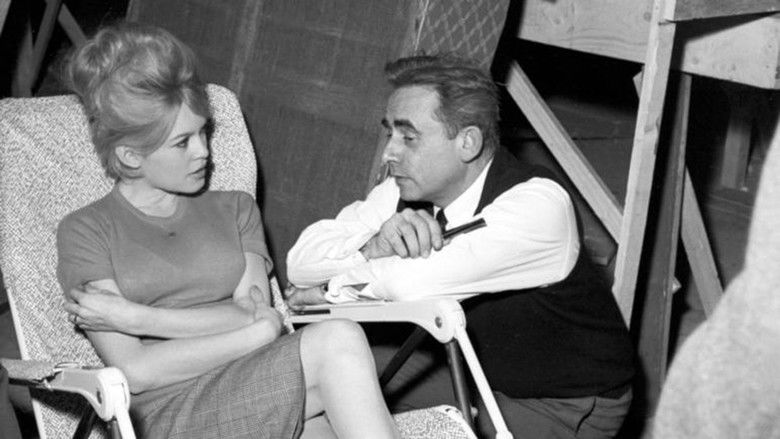
Great filmmakers claim the artistic influence of French director Henri-Georges Clouzot (1907-1977), a master of suspense, with a unique vision of the world, who knew how to offer both great shows and subtle studies of characters. Beyond the myth of the tyrannical director, a contrasting portrait of a visionary, an agitator, an artist against the system.
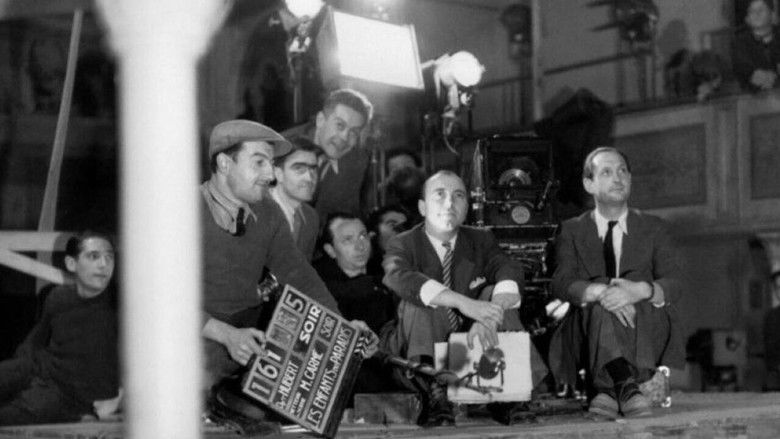
Through the life and career of Marcel Carné, using film excerpts and archives (including touching interviews with the director), François Aymé weaves a fascinating portrait of a hypersensitive man who had to deal with his homosexuality and who, despite his brilliance, was long relegated to the shadow of his actors and Prévert, who were credited with their greatest success.

Since the uprising of a pro Russian insurgency in eastern Ukraine in 2014, hundreds of women joined the army. Only a few made it to the front line. Filmmaker Masha embeds herself in the war zone to follow the daily life of three of them. By sharing the intimacy of these fighters, Masha soon becomes a victim of this brotherhood conflict jeopardizing this film and her life.