
The Rise of Disaster Capitalism (2009)
In this revealing program, noted author and economic activist Naomi Klein offers a lecture and a candid interview in which she expounds on the ideas at the heart of her best-selling book.
In this revealing program, noted author and economic activist Naomi Klein offers a lecture and a candid interview in which she expounds on the ideas at the heart of her best-selling book.
Naomi KleinHerselfDocumentary following dockers of Liverpool sacked in a labour dispute and their supporters’ group, Women of the Waterfront, as they receive support from around the world and seek solidarity at the TUC conference.
The award-winning filmmaker Peter Lilienthal is dedicated to this extremely poignant documentary of U.S. military policy and the living conditions of former resistance fighters in Latin America.

Since the late 18th century American legal decision that the business corporation organizational model is legally a person, it has become a dominant economic, political and social force around the globe. This film takes an in-depth psychological examination of the organization model through various case studies. What the study illustrates is that in the its behaviour, this type of "person" typically acts like a dangerously destructive psychopath without conscience. Furthermore, we see the profound threat this psychopath has for our world and our future, but also how the people with courage, intelligence and determination can do to stop it.
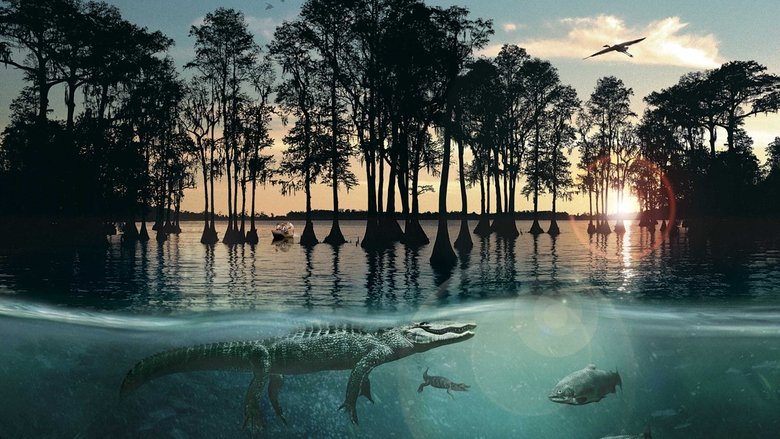
The film "Hurricane on the Bayou" is about the wetlands of Louisiana before and after Hurricane Katrina.

Michael Moore's view on how the Bush administration allegedly used the tragic events on 9/11 to push forward its agenda for unjust wars in Afghanistan and Iraq.
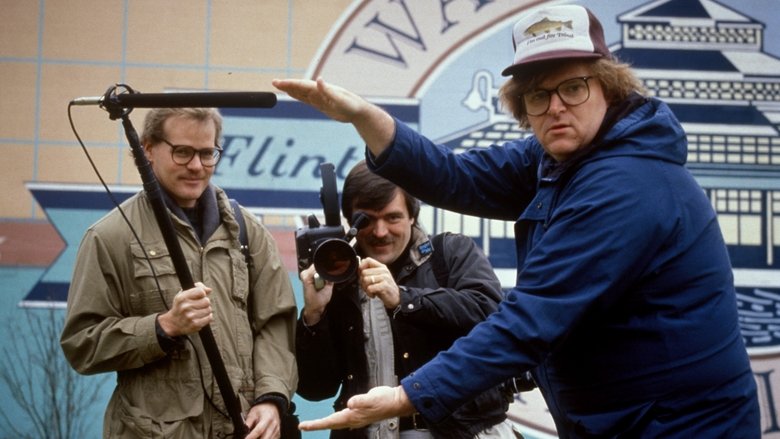
A documentary about the closure of General Motors' plant at Flint, Michigan, which resulted in the loss of 30,000 jobs. Details the attempts of filmmaker Michael Moore to get an interview with GM CEO Roger Smith.
Street art, creativity and revolution collide in this beautifully shot film about art’s ability to create change. The story opens on the politically charged Thailand/Burma border at the first school teaching street art as a form of non-violent struggle. The film follows two young girls (Romi & Yi-Yi) who have escaped 50 years of civil war in Burma to pursue an arts education in Thailand. Under the threat of imprisonment and torture, the girls use spray paint and stencils to create images in public spaces to let people know the truth behind Burma's transition toward "artificial democracy." Eighty-two hundred miles away, artist Shepard Fairey is painting a 30’ mural of a Burmese monk for the same reasons and in support of the students' struggle in Burma. As these stories are inter-cut, the film connects these seemingly unrelated characters around the concept of using art as a weapon for change.
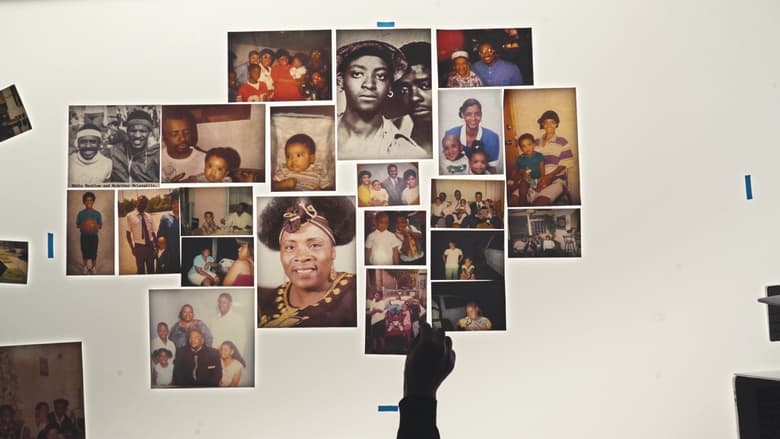
A first-person account of the short-term and long-term devastation wrought by Hurricane Katrina, as told by young people who were between the ages of 3 and 19 when the levees broke.
In America, size matters. The bigger you are, the more power you have, especially in the business world. Anat Baron takes you on a no holds barred exploration of the U.S. beer industry that ultimately reveals the truth behind the label of your favorite beer. Told from an insider’s perspective, the film goes behind the scenes of the daily battles and all out wars that dominate the industry.
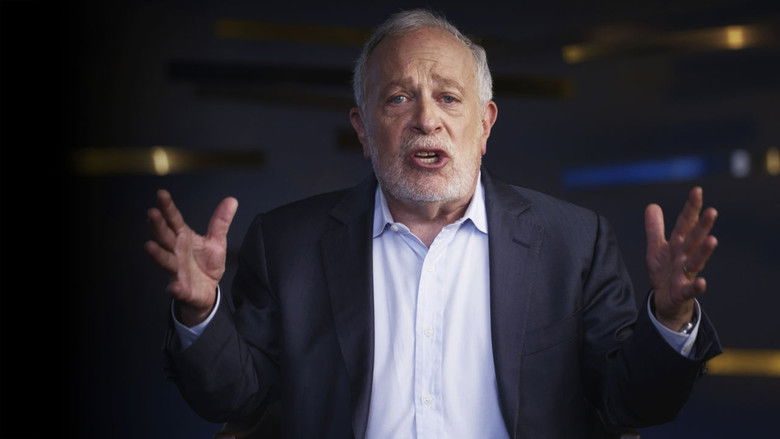
Former Secretary of Labor Robert Reich meets with Americans from all walks of life as he chronicles a seismic shift in the nation's economy.
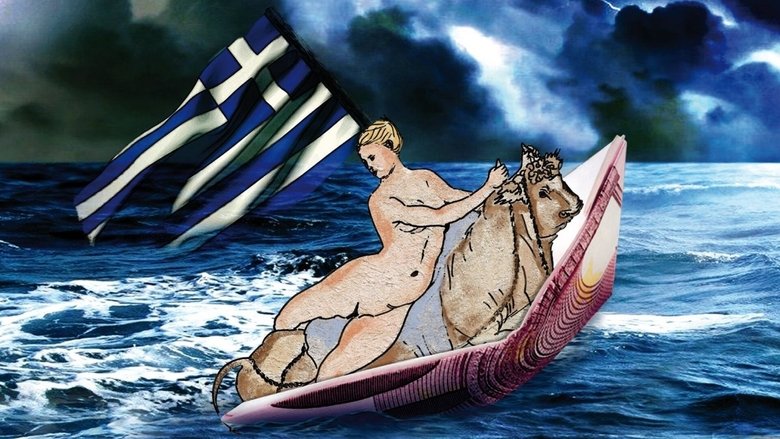
A journey through Greece and Europe’s past and recent history: from the Second World War to the current crisis. It is a historical documentary, a look into many stories. «If Democracy can be destroyed in Greece, it can be destroyed throughout Europe» Paul Craig Roberts
About trauma, resilience and post-traumatic growth in the medics who served with Australia's special forces in Afghanistan. From losing mates in the battlefield to treating horrifically injured Afghan kids in remote surgical theatres.
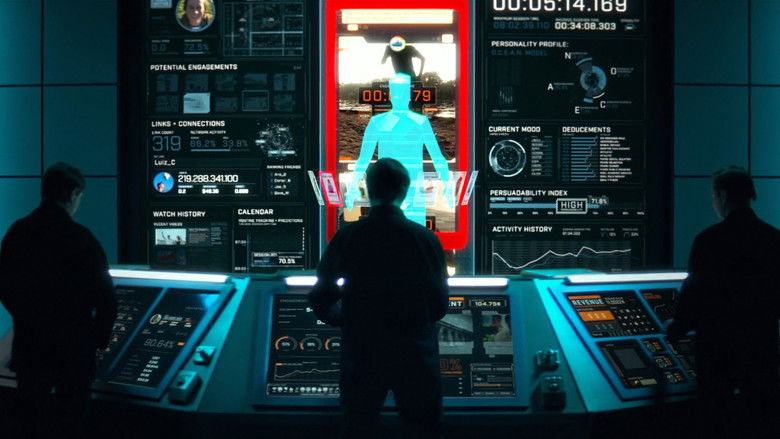
This documentary-drama hybrid explores the dangerous human impact of social networking, with tech experts sounding the alarm on their own creations.
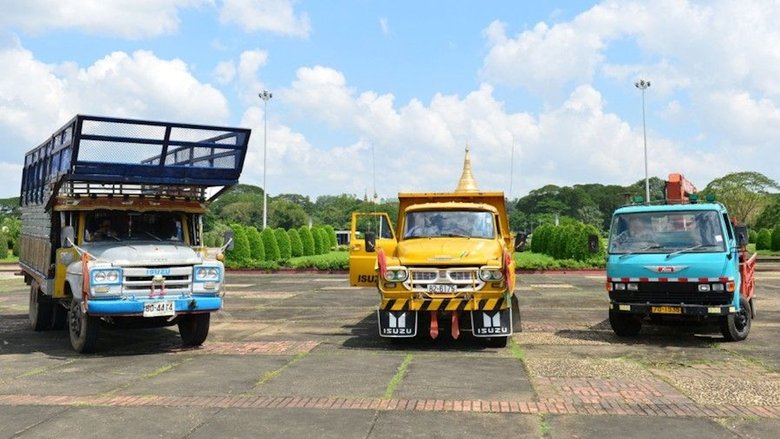
In this special Clarkson, Hammond and May don’t just buy three knackered old lorries and drive miles through the beautiful landscapes of Burma. Oh dear no. They actually have to use their lorries to do something useful. They have to build a real, use able bridge over the River Kwai. On their way to the river they almost bring down Burma’s power supply, encounter the world’s least relaxing truck stop, race around the streets of a deserted capital, saddle up a trio of unhelpful horses and attend a completely deranged party.
This no holds documentary chronicles the days before, during and after Hurricane Katrina. Told from the viewpoint of several families stuck in New Orleans, this moving and unflinching story says so much by saying so little. Most of this footage has never been seen by the public, and there is absolutely no stock footage used in this film.
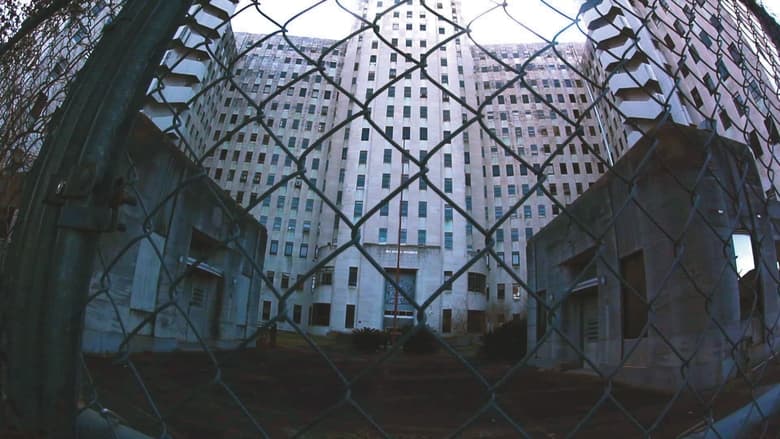
This documentary film includes never-before-seen footage and exclusive interviews to tell the story of Charity Hospital, from its roots to its controversial closing in the wake of Hurricane Katrina. From the firsthand accounts of healthcare providers and hospital employees who withstood the storm inside the hospital, to interviews with key players involved in the closing of Charity and the opening of New Orleans’ newest hospital, “Big Charity” shares the untold, true story around its closure and sheds new light on the sacrifices made for the sake of progress.
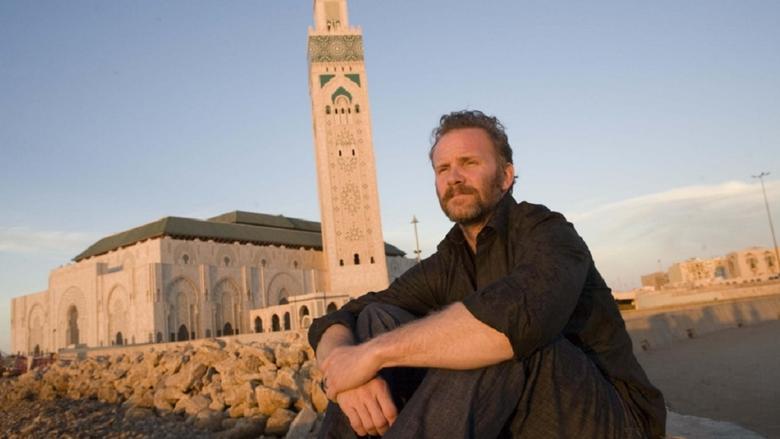
Morgan Spurlock tours the Middle East to discuss the war on terror with Arabic people.
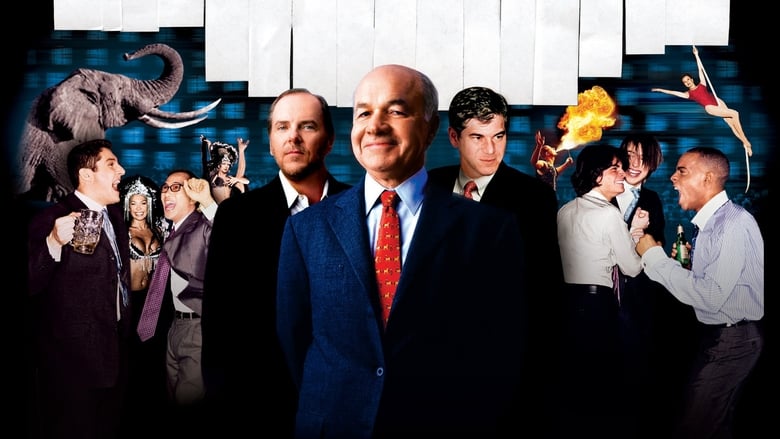
A documentary about the Enron corporation, its faulty and corrupt business practices, and how they led to its fall.
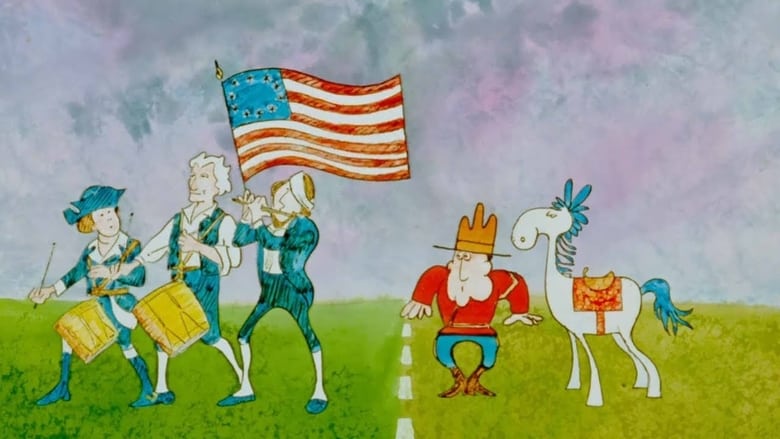
A cartoon film about the whole heterogeneous mixture of Canada and Canadians, and the way the invisible adhesive called federalism makes it all cling together. That the dissenting voices are many is made amply evident, in English and French. But this animated message also shows that Canadians can laugh at themselves and work out their problems objectively.
It follows Chilean writer Antonio Skármeta as he celebrates the end of the autocrats. Cheerful farewell rituals accompany others facing political persecution on their way to fly home.