
Hotel 22 (2014)
Each night in Silicon Valley, the Line 22 transforms from a public city bus into an unofficial shelter for the homeless in one of the richest parts of the world.
Each night in Silicon Valley, the Line 22 transforms from a public city bus into an unofficial shelter for the homeless in one of the richest parts of the world.
The space of the junkyard allows various ‘crash’ narratives to unfold, with the stories of actual crashes and the remnants and afterlife of these machines becoming metaphors for economic decline. This is an investigation of planes as they are parked during the economic downturn, stored and recycled, revealing unexpected connections between economy, violence and spectacle, finding perfect example in the form of the Boeing 4X-JYI, an aircraft first acquired by film director Howard Hughes for TWA, which was subsequently flown by the Israeli Airforce before finding its way to the Californian desert to be blown up for the Hollywood blockbuster Speed. Through intertwined narratives of people, planes and places Steyerl reveals cycles of capitalism incorporating and adapting to the changing status of the commodity, but also points at a horizon beyond this endless repetition.

Mariem, 53, a former estate agent, has been living at a shelter for several months. Surrounded by women in far more precarious circumstances than herself, she tries to regard her unprecedented social downfall as an immersion in real life. By the time she leaves, Mariem’s view of the world will have changed forever, enriched by all the women she has met along the way.

When a Mongolian nomadic family's newest camel colt is rejected by its mother, a musician is needed for a ritual to change her mind.
This movie takes us in the daily battle of 12 cartoonists around the world : France, Mexico, Israël, China, Russia, Ivory Coast...
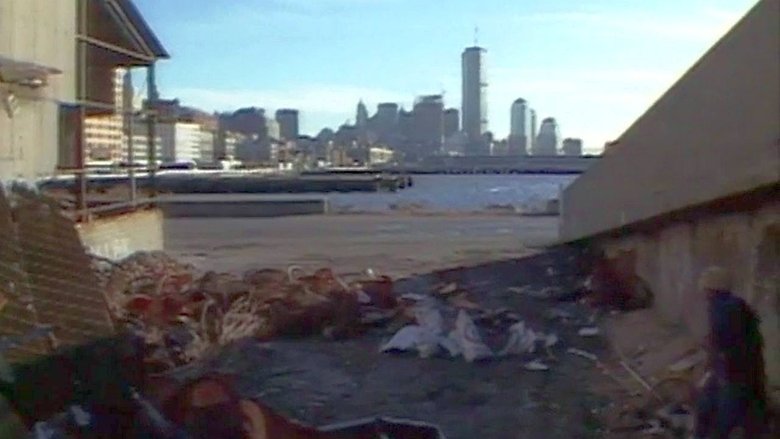
Explores the lives of Sara, Gigi and Giovanna, three Latino transvestites who for years have lived on the streets of Manhattan supporting their drug addictions through prostitution. They made their temporary home inside broken garbage trucks that the Sanitation Department keeps next to the salt deposits used in the winter to melt the snow. The three friends share the place known as "The Salt Mines".
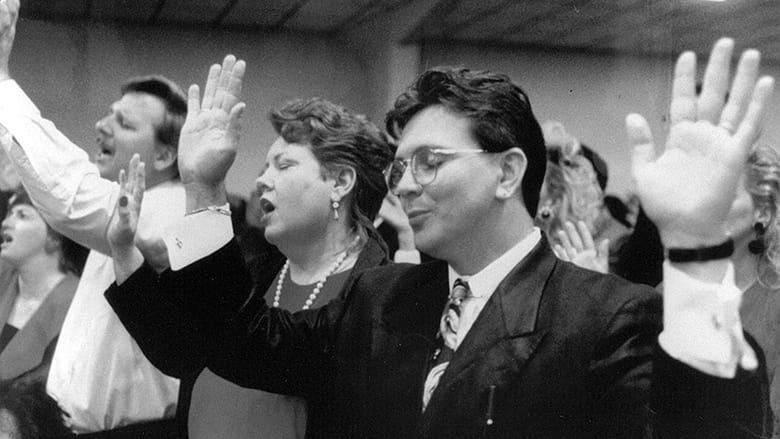
Ricardo was once Sara, a homeless HIV positive transvestite, living in the underbelly of Manhattan. Today he is a churchgoing, married man, "saved" by a Dallas ministry. He has renounced his homosexuality, but is his conversion complete? Susana Aiken and Carlos Aparicio offer an intimate look at Ricardo's transformation.

Shut Up and Sing is a documentary about the country band from Texas called the Dixie Chicks and how one tiny comment against President Bush dropped their number one hit off the charts and caused fans to hate them, destroy their CD’s, and protest at their concerts. A film about freedom of speech gone out of control and the three girls lives that were forever changed by a small anti-Bush comment
A Zen priest in San Francisco and cookbook author use Zen Buddhism and cooking to relate to everyday life.
ALLIES is a landmark documentary from 1983, made at the time of Bob Hawke’s unequivocal embrace of the American alliance.
This short film displays the dynamic movement of people as they enter and exit parks in Paris.
They're clean, educated, articulate and rarely receive public assistance. But following a divorce, job loss or a long illness, a growing number of middle-class women are forced to live out of their cars. Directed by Michèle Ohayon (Colors Straight Up) and narrated by Jodie Foster, It Was a Wonderful Life chronicles the hardships and triumphs of six "hidden homeless" women as they struggle to survive, one day at a time.
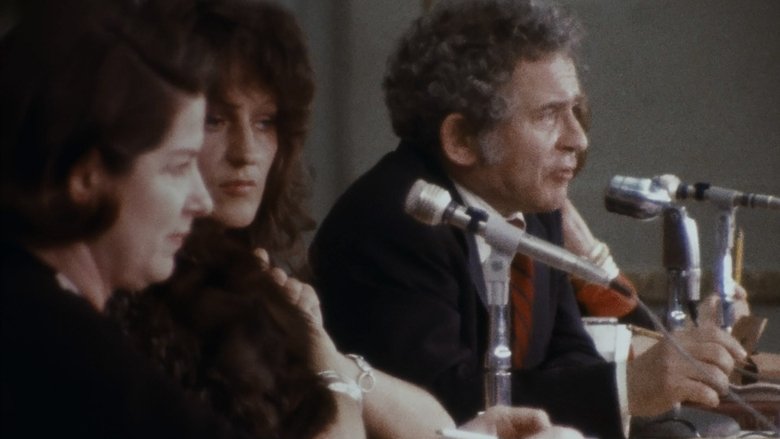
Norman Mailer and a panel of feminists — Jacqueline Ceballos, Germaine Greer, Jill Johnston, and Diana Trilling — debate the issue of Women's Liberation.
Margaret Tait documents her house, studio and garden in Buttquoy, Orkney as the seasons pass. She had lived there from the age of seven and often returned. At the time of filming, the house was about to be taken back by the council - this film is an effective 'goodbye'. Margaret Tait said it 'was meant to define a place, or the feeling of being in one place, with the sense this gives one, not of restriction but of the infinite variations available.'
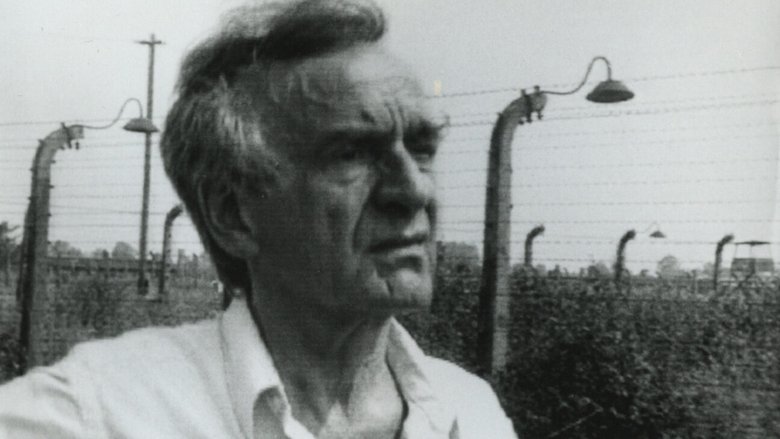
A documentary chronicling the adolescent years of Elie Wiesel and the history of his sufferings. Eliezer was fifteen when Fascism brutally altered his life forever. Fifty years later, he returns to Sighetu Marmatiei, the town where he was born, to walk the painful road of remembrance - but is it possible to speak of the unspeakable? Or does Auschwitz lie beyond the capacity of any human language - the place where words and stories run out?
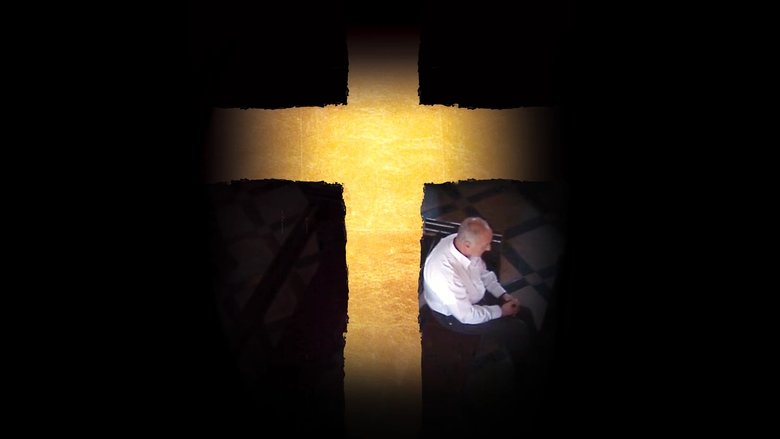
Documentary filmmaker Amy Berg investigates the life of 30-year pedophile Father Oliver O'Grady and exposes the corruption inside the Catholic Church that allowed him to abuse countless children. Victims' stories and a disturbing interview with O'Grady offer a view into the troubled mind of the spiritual leader who moved from parish to parish gaining trust ... all the while betraying so many.

49 Up is the seventh film in a series of landmark documentaries that began 42 years ago when UK-based Granada's World in Action team, inspired by the Jesuit maxim "Give me the child until he is seven and I will give you the man," interviewed a diverse group of seven-year-old children from all over England, asking them about their lives and their dreams for the future. Michael Apted, a researcher for the original film, has returned to interview the "children" every seven years since, at ages 14, 21, 28, 35, 42 and now again at age 49.In this latest chapter, more life-changing decisions are revealed, more shocking announcements made and more of the original group take part than ever before, speaking out on a variety of subjects including love, marriage, career, class and prejudice.
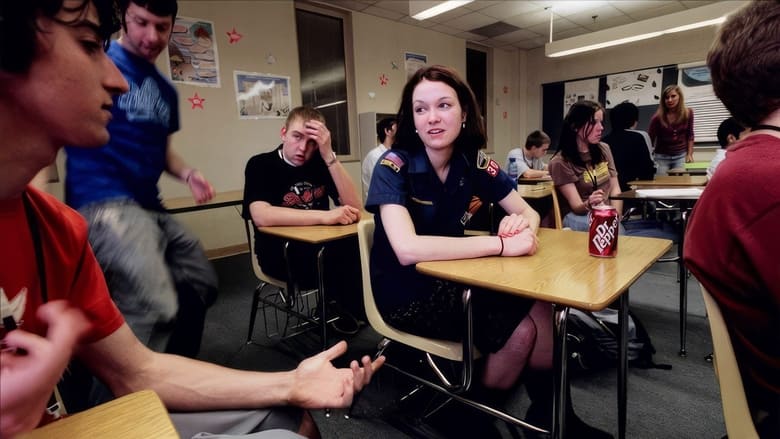
A documentary on seniors at a high school in a small Indiana town and their various cliques.

"The palm trees on the reverse are a delusion; so is the pink sand". This line, taken from a poem by Margaret Atwood, lights the path traced in "Postcard". As the years go by, landscapes transform, take on new meanings, and hold onto joys that will never be regained. The sea and the beach, once stages of happy summers, romances, and encounters, will turn into concentration camps or centers of detention and torture. This occurs across different times and places. In this piece, I embark on a journey through some of my works that explore the relationship between testimony, spaces, and time, engaging in dialogue with the beautiful film directed by Alejandro Segovia in 1972.
An undercover investigation of Martin Creek Kennel is carried out by the animal rights group Last Chance for Animals. The film documents the efforts of a young animal rights activist named "Pete" to both get hired by the Martin Creek Kennel and secure enough evidence to shut down owner C.C. Baird's violation-filled kennel.