
Our Spirits Don't Speak English (2008)
Told from the Native American perspective, this documentary will uncover the dark history of the U.S. government and will give a voice to the countless Indian children forced through the system.
Told from the Native American perspective, this documentary will uncover the dark history of the U.S. government and will give a voice to the countless Indian children forced through the system.
 Gaylen RossSelf
 August SchellenbergNarrator (voice)
Former professional footballer Anton Ferdinand explores the issue of racial abuse in the game from a personal perspective. Following a sharp rise in reported incidents of racial abuse in football, Anton talks for the first time about his own highly publicised 2011 incident with the former England captain John Terry. Anton wants to understand his own story and find out what needs to be done to address the problem of racism in the game today. He also confronts the online abuse he has experienced since, which has affected his mental health, his career and the lives of his loved ones
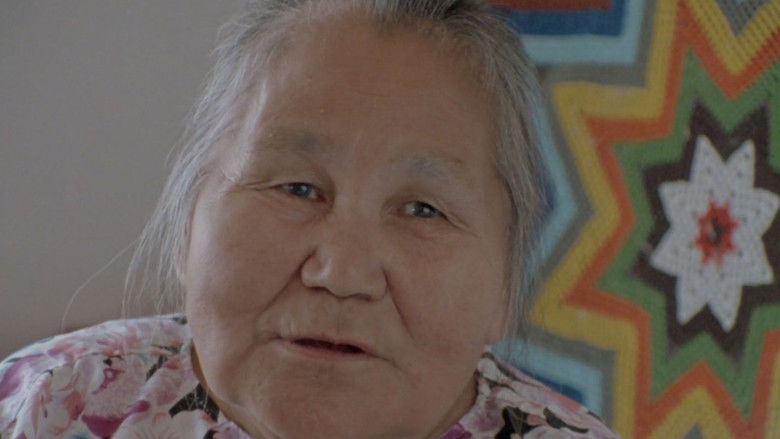
In 1953 the Canadian government relocated Inuit families from Northern Québec to the High Arctic, promising an abundance of game and fish and assuring them they could return home after two years if things didn't work out. They would not see their ancestral lands for 30 years. Abandoned in flimsy tents, the Inuit were left to fend for themselves in the desolate settlements of Resolute Bay and Grise Fiord, where the sea was nearly always frozen and darkness reigned for months on end.
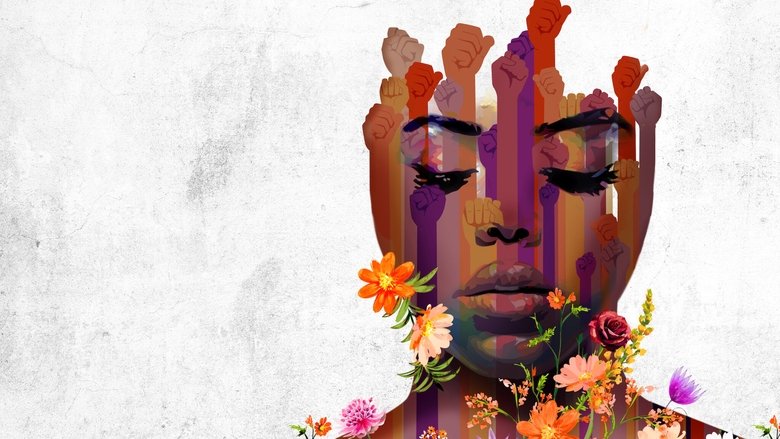
Using innovative animation and expert insights, this documentary based on Ibram X. Kendi's bestseller explores the history of racist ideas in America.
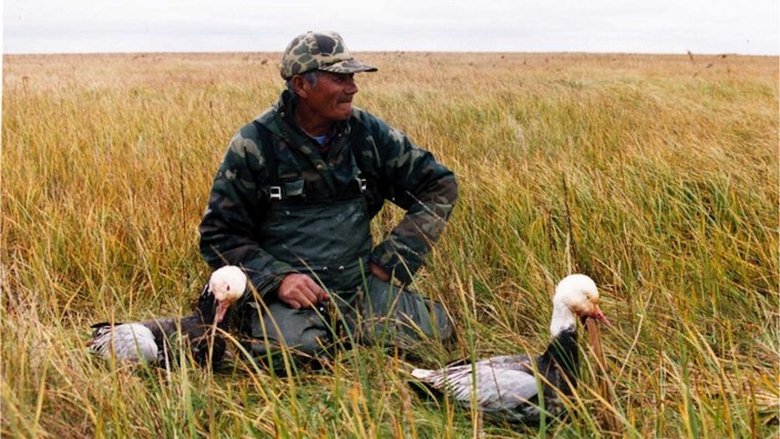
This documentary focuses on the goose hunt, a ritual of central importance to the Cree people of the James Bay coastal areas. Not only a source of food, the hunt is also used to transfer Cree culture, skills, and ethics to future generations. Filmmaker Paul M. Rickard invites us along with his own family on a fall goose hunt, so that we can share in the experience.
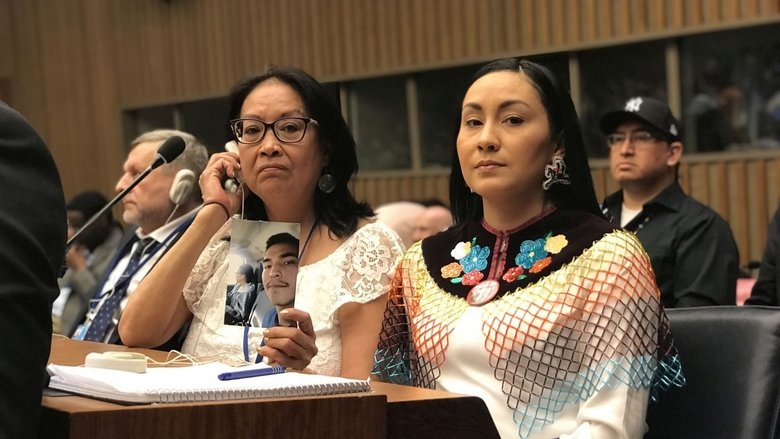
On August 9, 2016, a young Cree man named Colten Boushie died from a gunshot to the back of his head after entering Gerald Stanley's rural property with his friends. The jury's subsequent acquittal of Stanley captured international attention, raising questions about racism embedded within Canada's legal system and propelling Colten's family to national and international stages in their pursuit of justice. Sensitively directed by Tasha Hubbard, "nîpawistamâsowin: We Will Stand Up" weaves a profound narrative encompassing the filmmaker's own adoption, the stark history of colonialism on the Prairies, and a vision of a future where Indigenous children can live safely on their homelands.
INAATE/SE/ re-imagines an ancient Ojibway story, the Seven Fires Prophecy, which both predates and predicts first contact with Europeans. A kaleidoscopic experience blending documentary, narrative, and experimental forms, INAATE/SE/ transcends linear colonized history to explore how the prophecy resonates through the generations in their indigenous community within Michigan’s Upper Peninsula. With acute geographic specificity, and grand historical scope, the film fixes its lens between the sacred and the profane to pry open the construction of contemporary indigenous identity.
Fred Martinez was a Navajo youth slain at the age of 16 by a man who bragged to his friends that he 'bug-smashed a fag'. But Fred was part of an honored Navajo tradition - the 'nadleeh', or 'two-spirit', who possesses a balance of masculine and feminine traits.
Two men. Two quests. Two centuries apart. Four ways to experience the search for a lost tribe. Film. Book. Album. App.
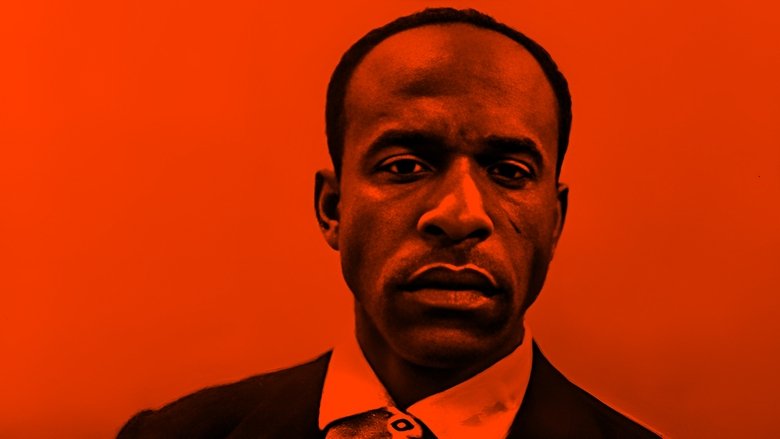
It is the evocation of a life as brief as it is dense. An encounter with a dazzling thought, that of Frantz Fanon, a psychiatrist of West Indian origin, who will reflect on the alienation of black people. It is the evocation of a man of reflection who refuses to close his eyes, of the man of action who devoted himself body and soul to the liberation struggle of the Algerian people and who will become, through his political commitment, his fight, and his writings, one of the figures of the anti-colonialist struggle. Before being killed at the age of 36 by leukemia, on December 6, 1961. His body was buried by Chadli Bendjedid, who later became Algerian president, in Algeria, at the Chouhadas cemetery (cemetery of war martyrs ). With him, three of his works are buried: “Black Skin, White Masks”, “L’An V De La Révolution Algérien” and “The Wretched of the Earth”.

Matt Walsh goes deep undercover in the world of diversity, equity, and inclusion. Prepare to be shocked by how far race hustlers will go and how much further Matt Walsh will go to expose the grift, uncovering absurdities that will leave you laughing.
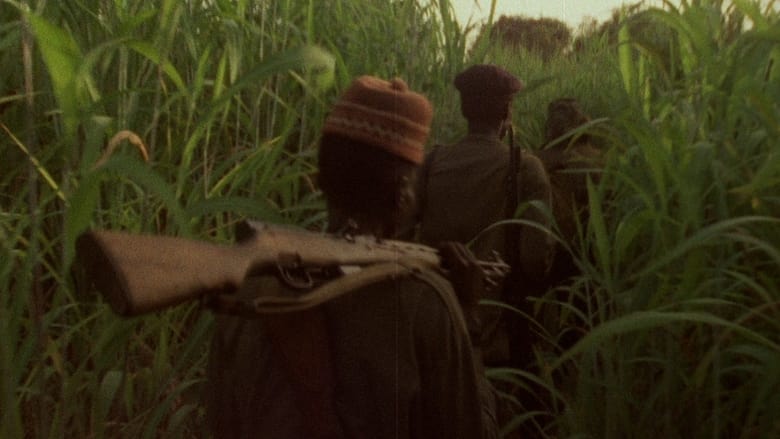
Based on powerful archival material documenting the most daring moments in the struggle for liberation in the Third World, this documentary is accompanied by classic text from The Wretched of the Earth by Frantz Fanon.
'Don't build prisons, they cost too much!' In this era of Great Recession, the conservative and tough-on-crime State of Texas takes an unprecedented path by becoming a social justice leader with programs that rehabilitate offenders. Looks like rape, abuse and death are no longer parts of the solution for modern-day Bonnie and Clyde...
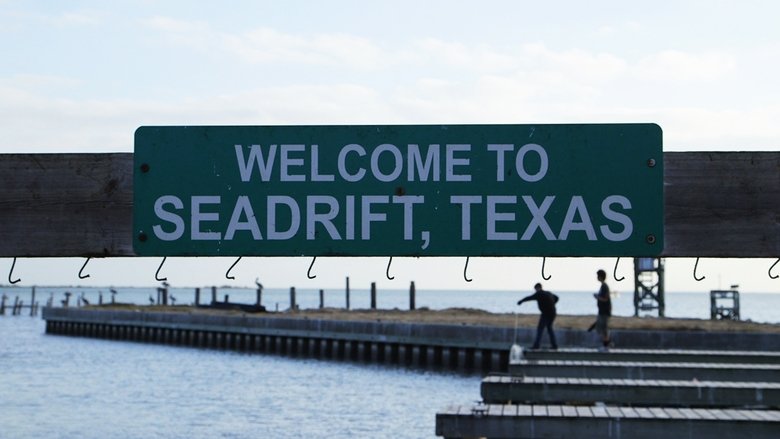
On August 3rd, 1979, a Vietnamese refugee shoots and kills a white crab fisherman at the town docks in Seadrift, TX. What began as a fishing dispute erupts in violence and ignites a resurgence of the KKK and open hostilities against the Vietnamese along the Gulf Coast. Set during the early days of Vietnamese refugee arrival, “Seadrift” examines the circumstances that led up to the shooting, its tumultuous aftermath, and the unexpected consequences that continue to reverberate today.
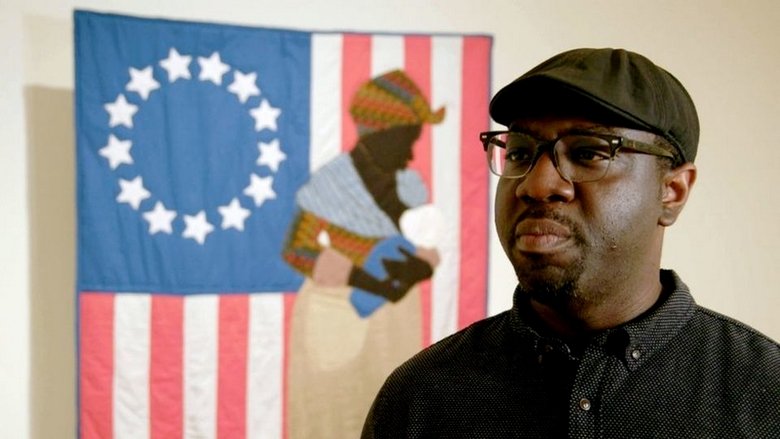
Under the Trump administration, USA is a deeply divided country. One side feeds populism and religious rectitude in a monochromatic landscape, painted white, lamenting for a past that never will return. The other side fuels diversity and multiculturalism, a biased vision of a progressive future, quite unlikely. Both sides are constantly confronted, without listening to each other. Only a few reasonable people gather to change this potentially dangerous situation.
In the summer of 2000, federal fishery officers appeared to wage war on the Mi'gmaq fishermen of Burnt Church, New Brunswick. Why would officials of the Canadian government attack citizens for exercising rights that had been affirmed by the highest court in the land? Alanis Obomsawin casts her nets into history to provide a context for the events on Miramichi Bay.
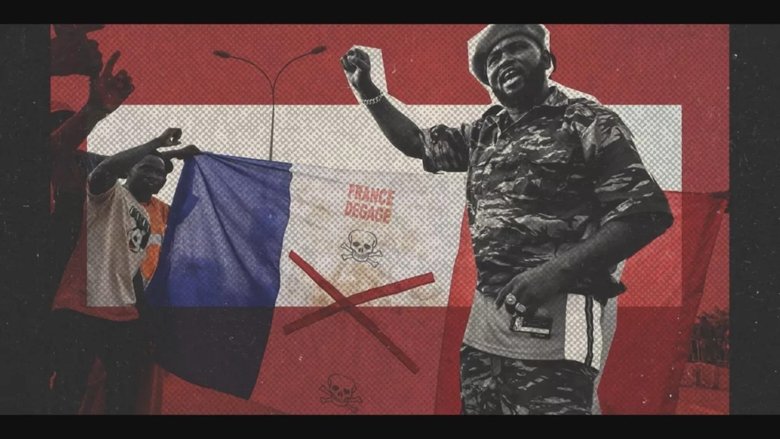
At a time when French flags are being burned and French embassies targeted, this documentary delves into the growing disaffection between French-speaking Africa and the former colonial power. Through the voices of African leaders, pan-African activists, and committed young people, the film questions the persistence of a relationship marked by the aftermath of colonization, the opaque agreements of "Françafrique," and a military presence deemed paternalistic.
This 1981 NFU film is a tour of the contemporary world of Aotearoa’s tangata whenua. It won headlines over claims that its portrayal of Māori had been sanitised for overseas viewers. Debate and a recut ensued. Writer Witi Ihimaera felt that mentions of contentious issues (Bastion Point, the land march) in his original script were ignored or elided in the final film, and withdrew from the project. He later told journalists that the controversy showed that educated members of minority groups were no longer prepared to let the majority interpret the minority view.
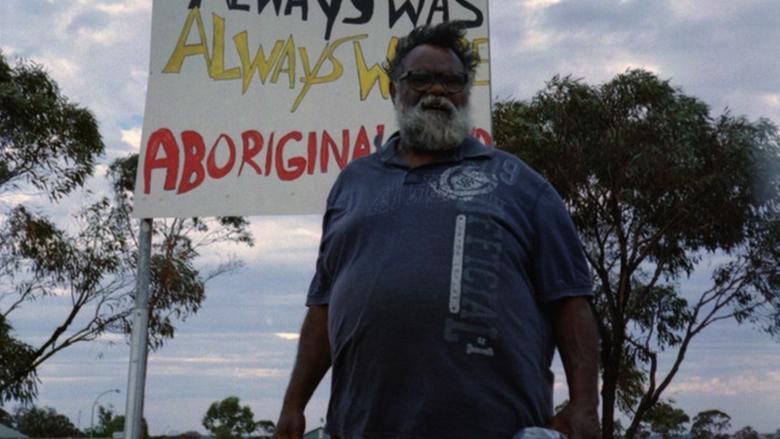
In June 1893, European prospectors unlawfully took claim to ‘The Golden Mile’ on Aboriginal land. In little over a hundred years the natural landscape has been transformed into the industrial hellscape of Kalgoorlie-Boulder. As incumbent Mayor John Bowler starts to campaign for a second term, independent prospector John ‘General Hercules’ Katahanas decides to run against him on an anti-corruption ticket. What starts out as a quirky David-vs-Goliath political battle, unravels into a portrait of a man, a town and a country sent mad by the timeless cycles of exploitation, racism and greed.

In 1587, more than 100 English colonists settle on Roanoke Island and soon vanish, baffling historians for centuries; now, experts use the latest forensic archaeology to investigate the true story behind America's oldest and most controversial mystery.