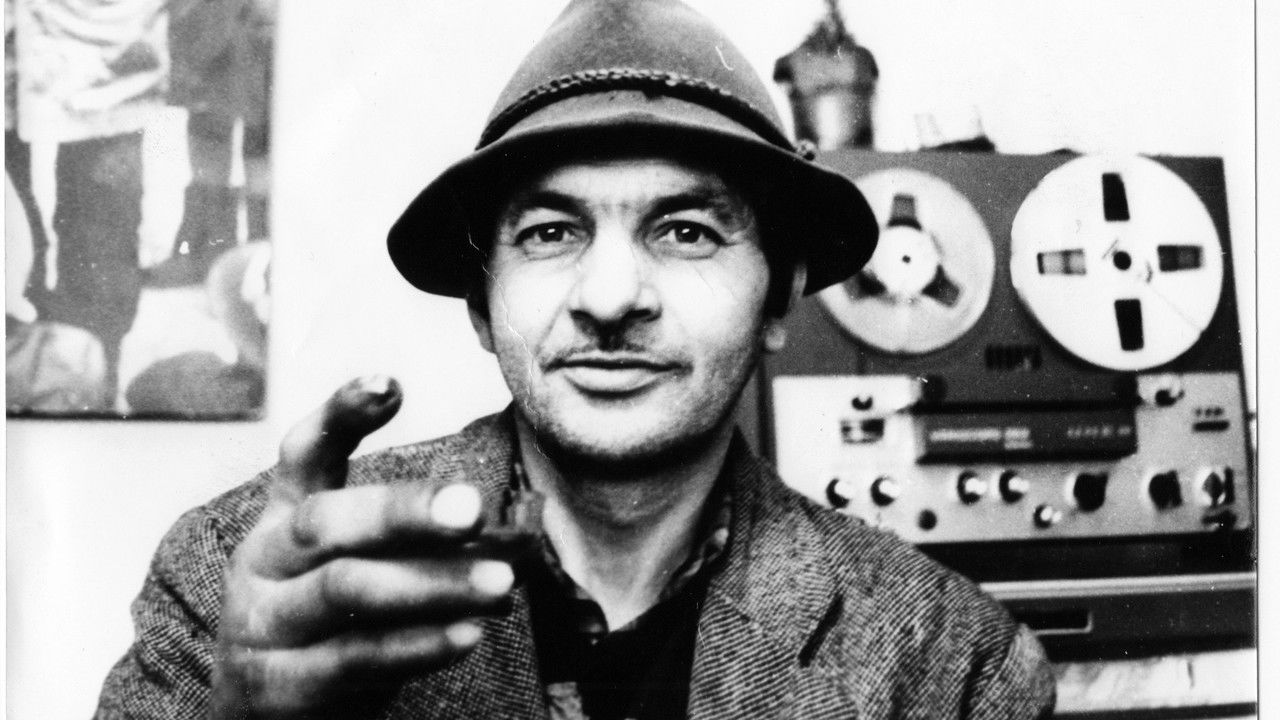
Black Film (1971)
Director invites six homeless men to his flat for a few days (surprising his wife). He asks officials and people on the street if someone can help them, this being SFRJ, a state officially without those left on their own.
Director invites six homeless men to his flat for a few days (surprising his wife). He asks officials and people on the street if someone can help them, this being SFRJ, a state officially without those left on their own.
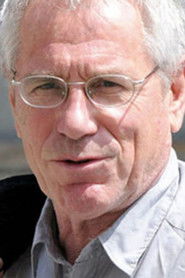 Želimir ŽilnikHimself
 Luka BauerFranja HandrevaAleksandar LopatinStevan PalinkasCveta VuleticIvana ŽilnikMilica ŽilnikMilorad Zivancev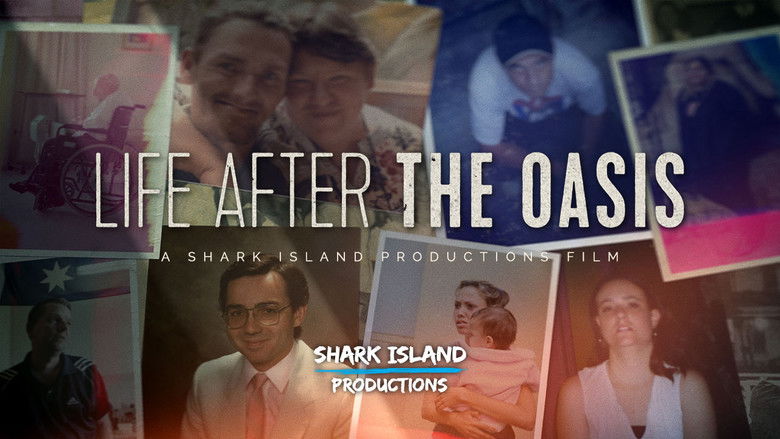
In 2008, feature documentary, The Oasis, shocked Australia with its gritty insight into the lives of homeless teens at a notorious youth refuge in inner city Sydney. An outpouring of social and political goodwill followed, with the then Prime Minister pledging to halve homelessness by 2020. A decade later, with social inequality and homelessness worse than ever, the original participants reflect on where their lives have taken them.
THE DEPARTMENT is a feature documentary which takes us inside the never-before-seen child protection system at work in NSW. Filmed in an observational style, it follows caseworkers across the state as they navigate the complexities of keeping children safe in families experiencing domestic violence, addiction, poverty, mental health issues and intergenerational trauma.
The UN estimates street children worldwide at 150 million. In Latin America, they are 40 million. In Brazil, street boys and girls felt so enchanted by a camera that they took it as their own to express themselves and fight the silence.
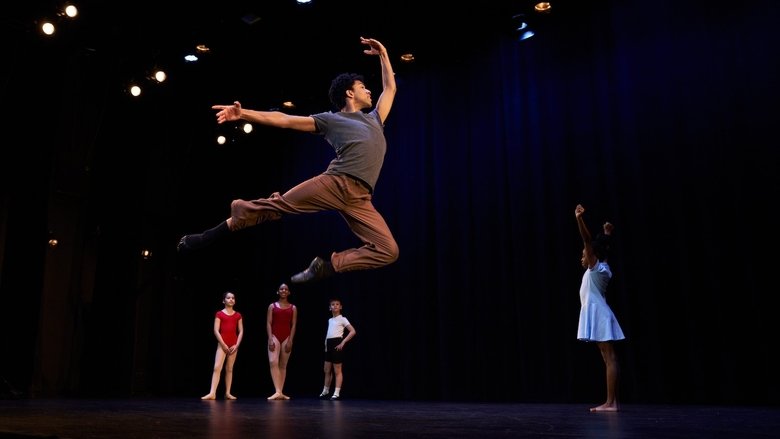
Lift shines a spotlight on the invisible story of homelessness in America through the eyes of a group of young homeless and home-insecure ballet dancers in New York City and the mentor that inspires them.
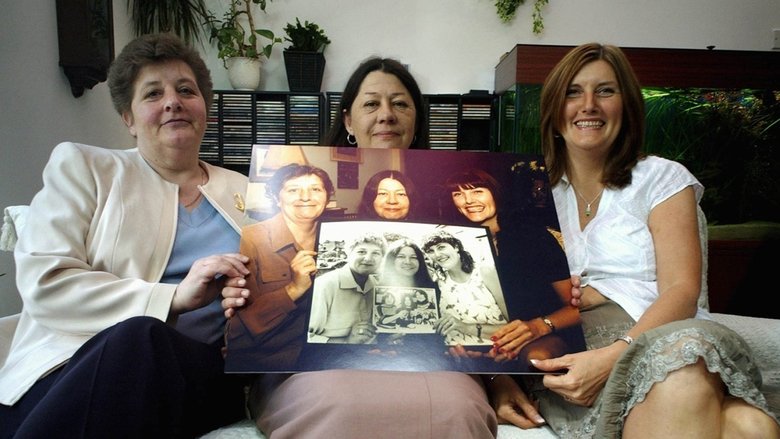
49 Up is the seventh film in a series of landmark documentaries that began 42 years ago when UK-based Granada's World in Action team, inspired by the Jesuit maxim "Give me the child until he is seven and I will give you the man," interviewed a diverse group of seven-year-old children from all over England, asking them about their lives and their dreams for the future. Michael Apted, a researcher for the original film, has returned to interview the "children" every seven years since, at ages 14, 21, 28, 35, 42 and now again at age 49.In this latest chapter, more life-changing decisions are revealed, more shocking announcements made and more of the original group take part than ever before, speaking out on a variety of subjects including love, marriage, career, class and prejudice.
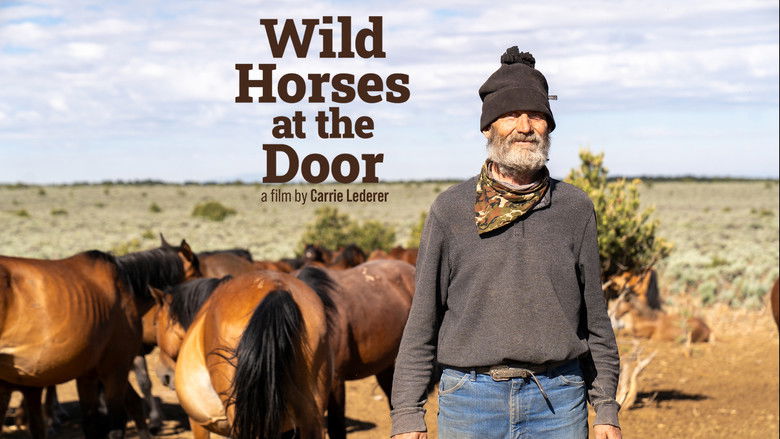
(Short Documentary) A homeless man recovering from alcoholism escapes to a remote southern Colorado mesa and forges a new path living amongst wild horses.
The film is a controversy on democracy. Is our society really democratic? Can everyone be part of it? Or is the act of being part in democracy dependent to the access on technology, progression or any resources of information, as philosophers like Paul Virilio or Jean Baudrillard already claimed?
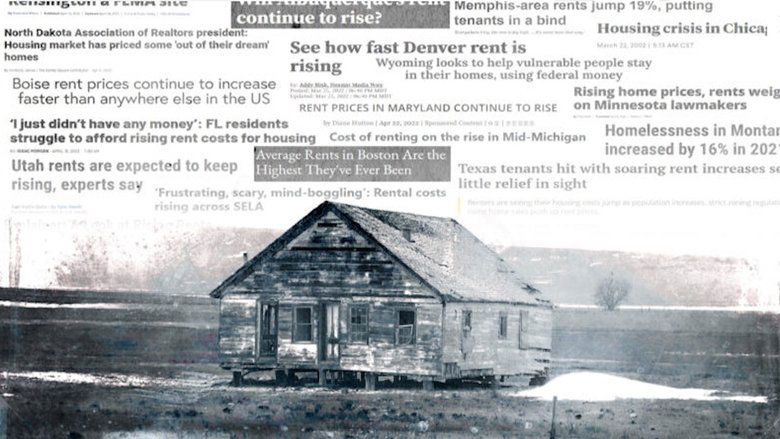
This documentary asks, what is happening to our homes? This is what’s going on all around this country while they’re trying to get everyone to focus on everything else that isn’t this.
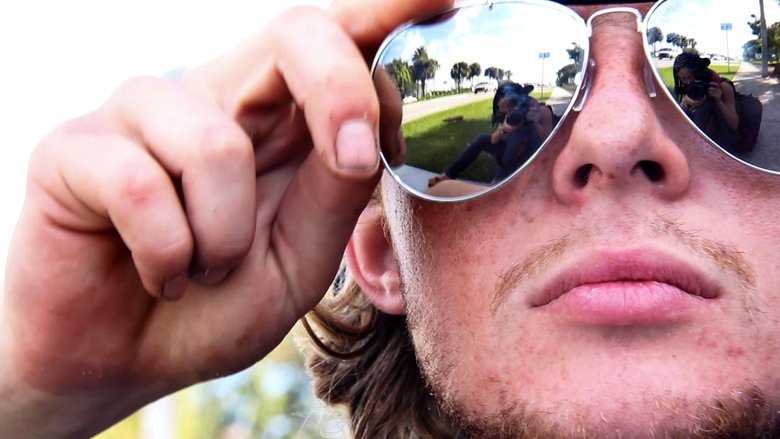
Through the eyes of a young drifter who rejects society's rules and intentionally chooses to live on the streets, Chinese filmmaker Nanfu Wang explores the meaning of personal freedom – and its limits.

For five years, Stephen McCoy documented street life in Boston. This is what he captured.
Through interviews with people on the street and songs recorded to memorialize JFK in the mid-1960s, the film explores the impact of the November 22, 1963 assassination on issues in today’s world, from lingering conspiracy theories to the proliferation of gun violence, homelessness, and the scourge of K-2.
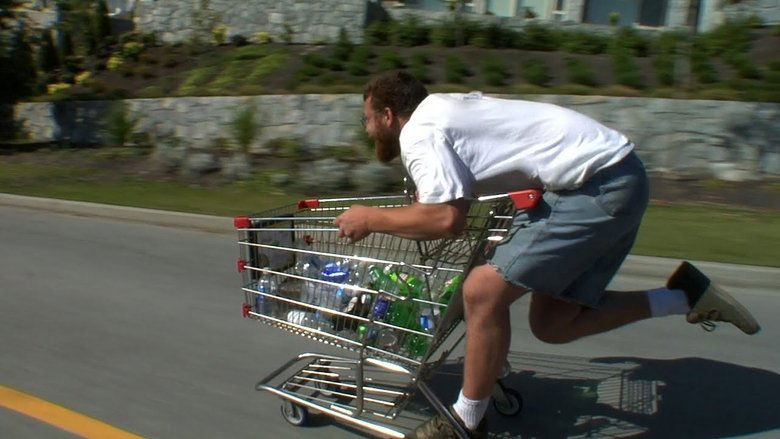
In the picture-postcard community of North Vancouver, filmmaker Murray Siple follows men who have turned bottle-picking, their primary source of income, into the extreme sport of shopping cart racing. Enduring hardships from everyday life on the streets of Vancouver, this sub-culture depicts street life as much more than stereotypes portrayed in mainstream media. The films takes a deep look into the lives of the men who race carts, the adversity they face, and the appeal of cart racing despite the risk.
A hotel in the centre of town is a war-time home and refuge for many of Sarajevo's homeless people. Every morning they leave the hotel and wander around the destroyed city gathering again at the defunct hotel in the afternoon. This film follows their separate fates through the bitter comparing of images of the bums with those of dogs abandoned by their owners and now left et the mercy of the war ravaged streets of Sarajevo.
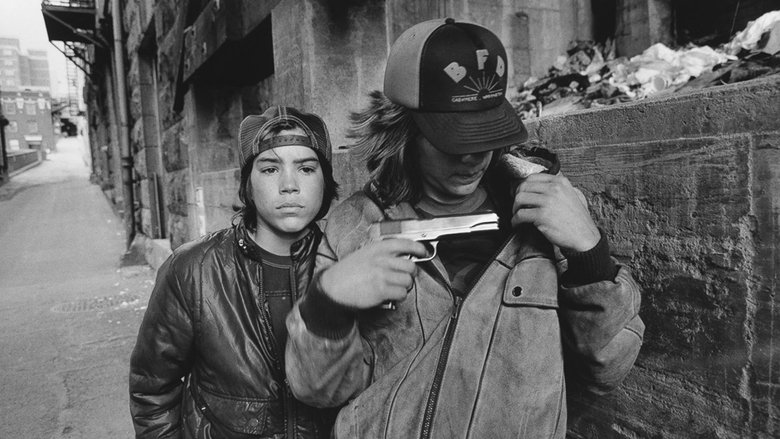
This documentary about teenagers living on the streets in Seattle began as a magazine article. The film follows nine teenagers who discuss how they live by panhandling, prostitution, and petty theft.
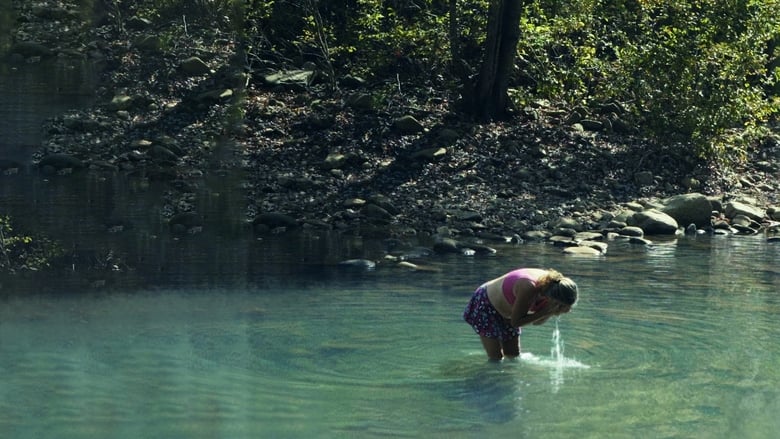
In their vehicle, Laurie, Kristy and Linda live alone on the American roads. Like thousands of modern American nomads who can no longer afford to pay for their housing. With no money to spare, these three sixty-year old women are fleeing, in their own way, a part of their history that has left a deep mark on them. Driving away, they try to regain some form of peace. But as the miles and seasons pass, despite their impressive temerity and resilience, their quest for a better future is challenged by unexpected events that hit a country in crisis. Will they nevertheless manage, at the end of the road, to find the serenity they are looking for, in order to become someone again?
A journey among the forgotten: U.S. citizens experiencing homelessness, forced to live in extreme marginalization. Giving voice to these wounded souls is the unmistakable sound of Tom Waits.
On June 13, 1978, the punk bands the Cramps and the Mutants played a free show for psychiatric patients at the Napa State Hospital in California. We Were There to Be There chronicles the people, politics, and cultural currents that led to the show and its live recording.
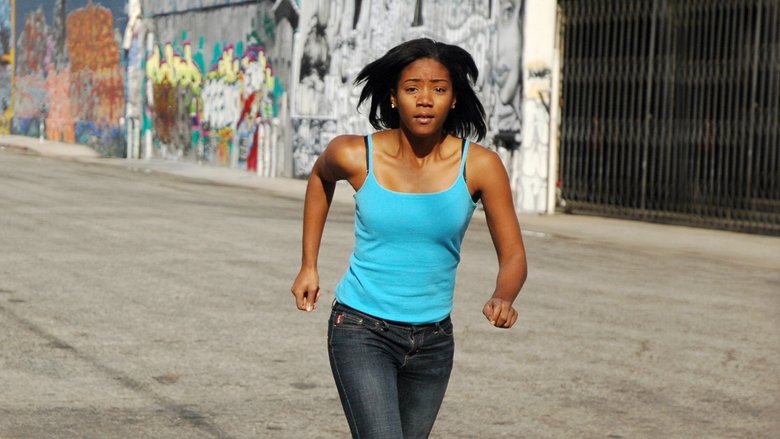
COMEDY CONFESSIONS takes you on a journey into the lives of three struggling comedians who have decided to pursue their dreams of careers in stand-up comedy despite the harsh realities of being homeless. For these comedians, their cars are lifesavers providing safety and shelter at night and transportation to auditions and performances during the day. Their daily struggle to avoid sleeping on the street is startlingly juxtaposed with the extravagant wealth of the opulent mansions they park in front of at night. One of them, Tiffany Haddish will achieve her dreams to become a true Hollywood movie star, the other two, Doc Jones and Steve Lolli find the lure of the spotlight takes an unforgiving toll on their hopes and ambitions. This honest and touching movie is told in their own words revealing the passions, dedication and pains that drive them.

A cinematic portrait of the homeless population who live permanently in the underground tunnels of New York City.

“The Fight for the Soul of Seattle” examines the role of Seattle’s City Council in allowing the situation to reach what many experts consider epidemic levels under the guise of a compassionate approach to people who suffer from substance addiction and who commit crimes to feed their habit. It documents the heartbreaking condition of people on the streets, and the crushing decisions Seattle entrepreneurs are forced to contemplate as their life savings and dreams are destroyed by theft, vandalism and a dwindling customer base. This documentary also explores potential bold solutions to treat those living on the streets and pair them with agencies and assistance that can provide a clear path away from the endless circle of addiction and crime.