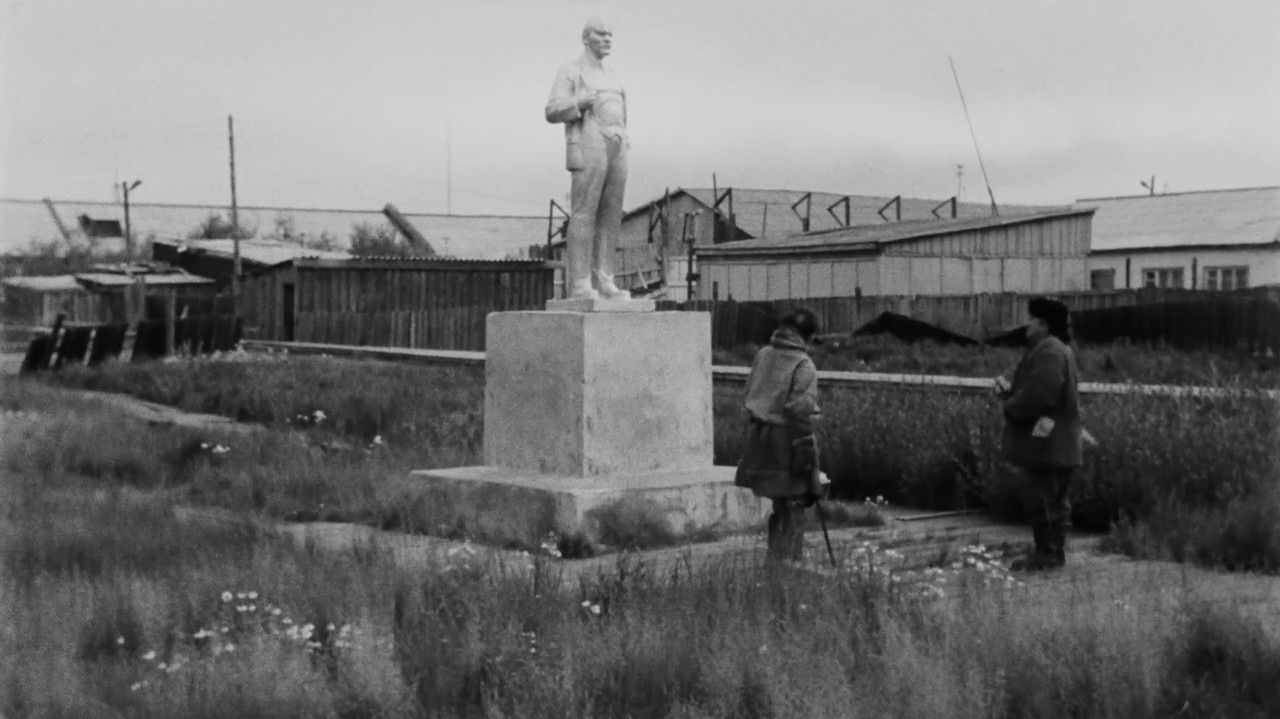
Seven Songs from the Tundra (2000)
An anthology of stories about the indigenous Nenet peoples of the Northern Russian tundra, and how their way of life was disrupted by the advent of Soviet power.
An anthology of stories about the indigenous Nenet peoples of the Northern Russian tundra, and how their way of life was disrupted by the advent of Soviet power.
 Anatoli HudiIgor HudiTajuda HudiVitalina HudiHadko JaptikIvan JaptikArkadi LaptanderLidija OkotettoViktor PistsulinJanina Serotetto
A fictionalised exploration of Beethoven's life in his final days working on his Ninth Symphony. It is 1824. Beethoven is racing to finish his new symphony. However, it has been years since his last success and he is plagued by deafness, loneliness and personal trauma. A copyist is urgently needed to help the composer. A fictional character is introduced in the form of a young conservatory student and aspiring composer named Anna Holtz. The mercurial Beethoven is skeptical that a woman might become involved in his masterpiece but slowly comes to trust in Anna's assistance and in the end becomes quite fond of her. By the time the piece is performed, her presence in his life is an absolute necessity. Her deep understanding of his work is such that she even corrects mistakes he has made, while her passionate personality opens a door into his private world.
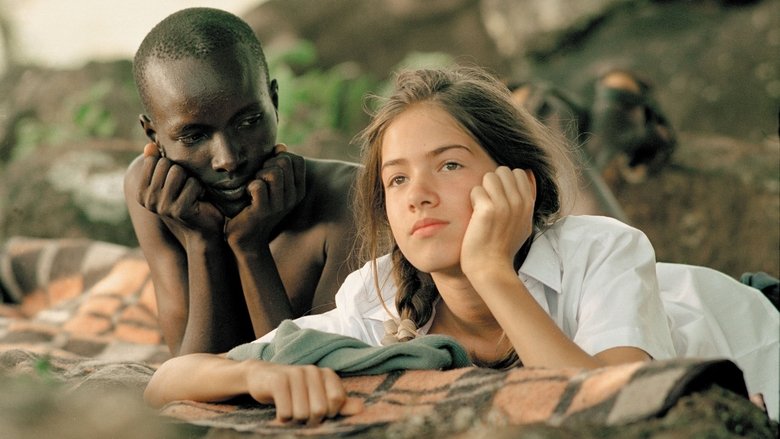
A Jewish woman named Jettel Redlich flees Nazi Germany with her daughter Regina, to join her husband, Walter, on a farm in Kenya. At first, Jettel refuses to adjust to her new circumstances, bringing with her a set of china dishes and an evening gown. While Regina adapts readily to this new world, forming a strong bond with her father's cook, an African named Owuor.

Jimmy Muir comes from a typical gritty, northern town where there are only two options: working down the pit or in a factory. But Jimmy has other ideas — he dreams of becoming a professional footballer. Confronted by a bitter and unsupportive father, hard-drinking friends and a lifetime of bad habits...has Jimmy the will to achieve his ultimate goal?
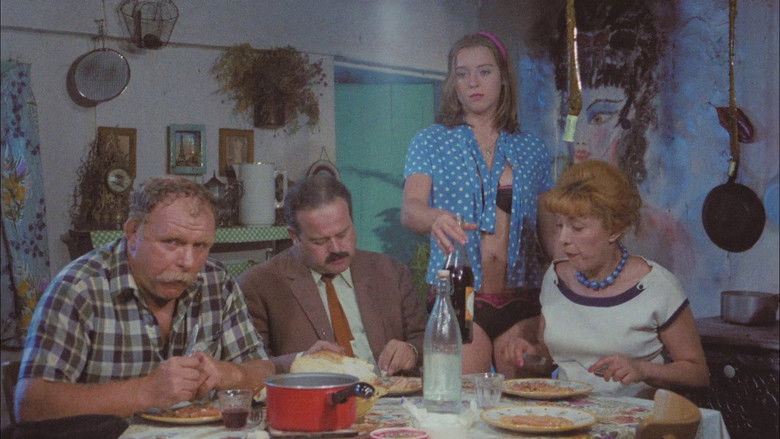
Reluctantly, a sulky adolescent returns to her parents' house for yet another boring summer vacation, dabbling in desire and the art of desirability, eventually mixing reality with vision, caged fantasies with the fierce female sexuality.
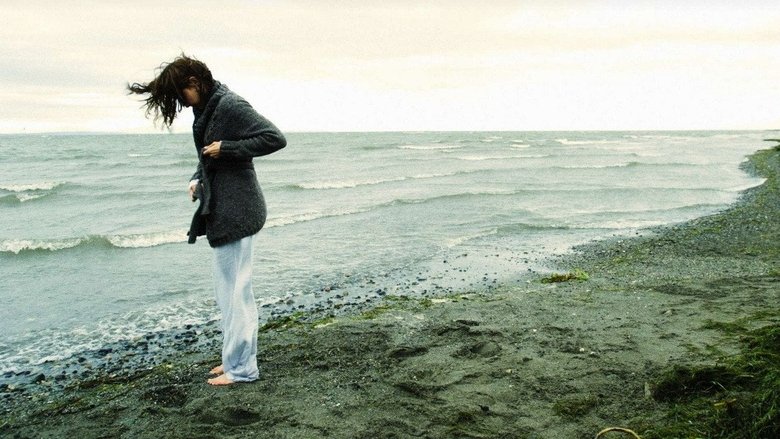
On the outside, Helen has it all – a loving family and a successful career – but when her suppressed mental illness resurfaces, the world crumbles around her. Crippled by depression, Helen finds solace through her friendship with Mathilda, a kindred spirit struggling with bipolar disorder.
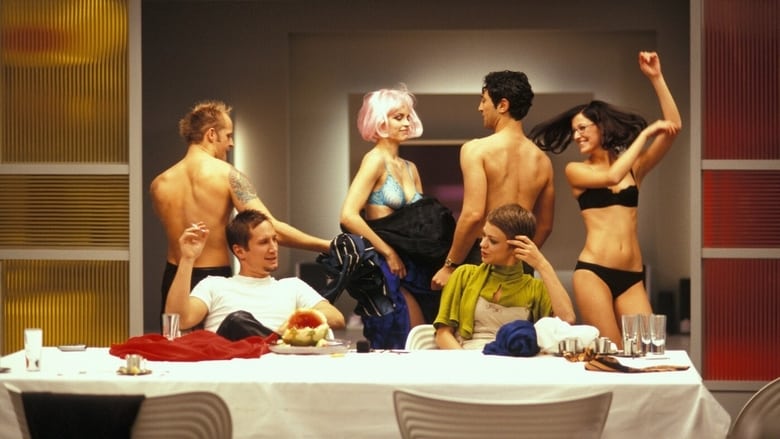
The story of three couples, one of which just broke up, one that seems to be about to, and one perfectly okay. They are all friends, and from time to time, they gather to talk about everything. One time, they gather for dinner at the second couple's "mansion“— the husband became rich with his business. We see each couple as they prepare themselves for the party and learn a lot about their relationships. At the dinner, they get to talking about recognizing each other's peer with closed eyes and decide to try it, naked.
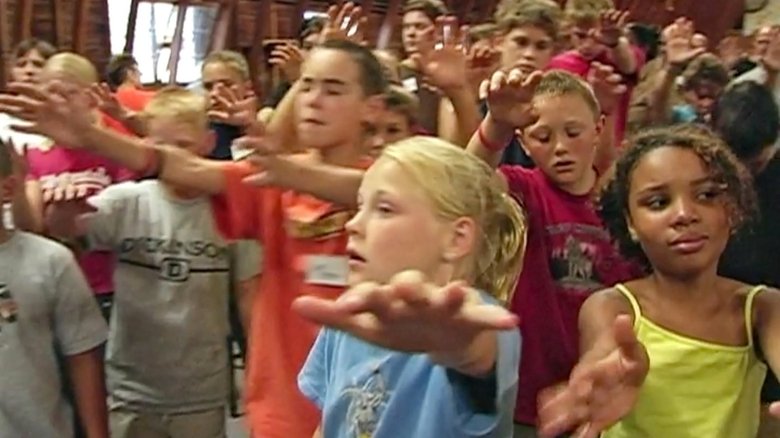
Jesus Camp is a Christian summer camp where children hone their "prophetic gifts" and are schooled in how to "take back America for Christ". The film is a first-ever look into an intense training ground that recruits born-again Christian children to become an active part of America's political future.
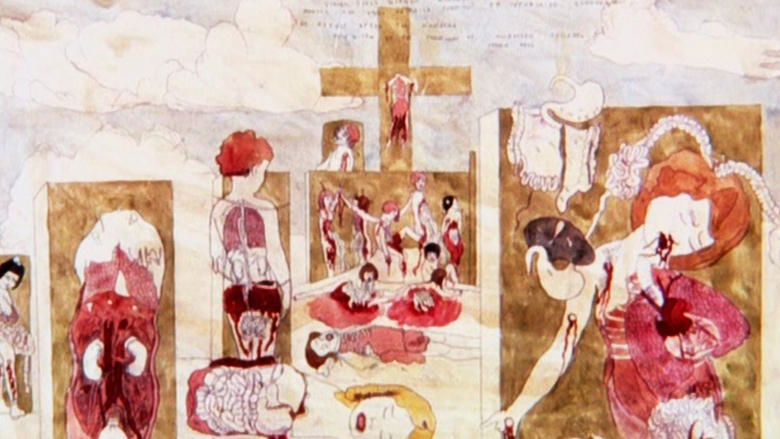
In the Realms of the Unreal is a documentary about the reclusive Chicago-based artist Henry Darger. Henry Darger was so reclusive that when he died his neighbors were surprised to find a 15,145-page manuscript along with hundreds of paintings depicting The Story of the Vivian Girls, in What is Known as the Realms of the Unreal, of the Glodeco-Angelinnian War Storm, Cased by the Child Slave Rebellion.

Explores the lives of Sara, Gigi and Giovanna, three Latino transvestites who for years have lived on the streets of Manhattan supporting their drug addictions through prostitution. They made their temporary home inside broken garbage trucks that the Sanitation Department keeps next to the salt deposits used in the winter to melt the snow. The three friends share the place known as "The Salt Mines".
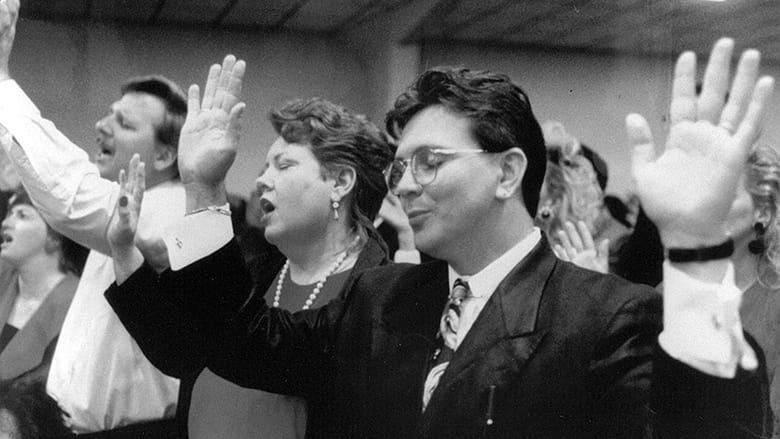
Ricardo was once Sara, a homeless HIV positive transvestite, living in the underbelly of Manhattan. Today he is a churchgoing, married man, "saved" by a Dallas ministry. He has renounced his homosexuality, but is his conversion complete? Susana Aiken and Carlos Aparicio offer an intimate look at Ricardo's transformation.
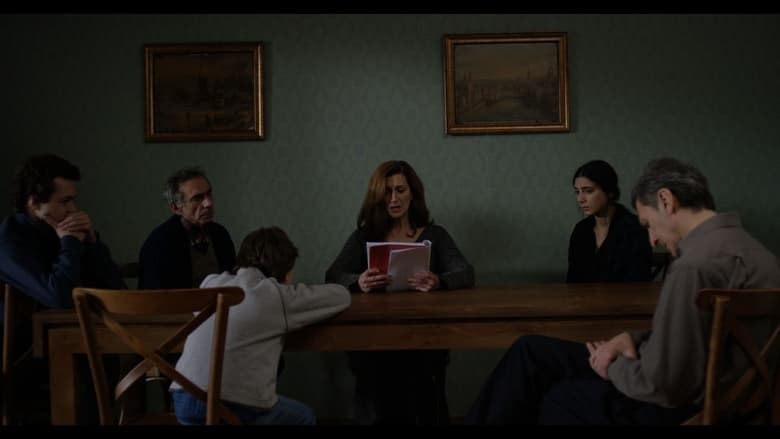
A 50-year-old housewife, Manana, struggles with her dilemma - she has to choose between her family life and her passion, writing, which she had repressed for years - she decides to follow her passion and plunges herself into writing, sacrificing to it mentally and physically.
Fitness instructor Julia is down on her luck, trying to make her baby boot camp a thriving business. To make ends meet, she becomes a part-time nanny for a single widowed father. Trouble is, she knows nothing about taking care of children.
Deserted by his wife Arline, who absconds with their baby daughter Ruth as well, Robert Travers loses all faith in women. Years later, Travers, now known as the man without a soul, is the owner of a chain of department stores in which young Ruth Carroll is employed as a ribbon clerk. Finding himself strangely attracted to the girl, he takes a fatherly interest in her and offers Ruth a position in his office. Laura Wilson, who wants Travers for herself becomes jealous and tries to lure the girl away but Travers comes to realize she is his own daughter.
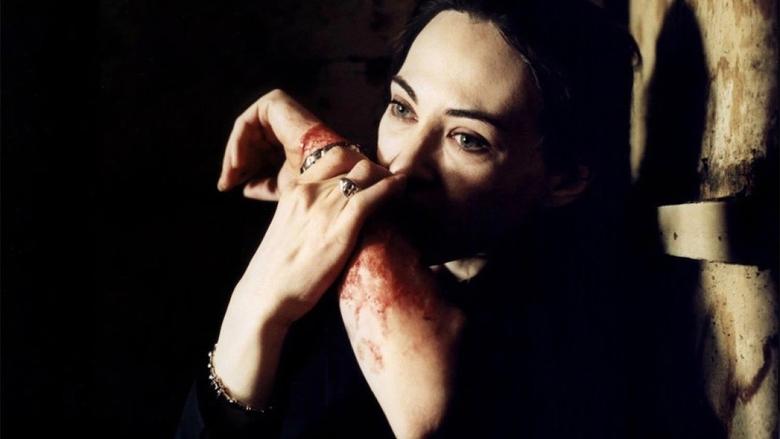
After a disfiguring leg injury, a young woman develops an unsettling secret relationship with her own body in which pain is pleasure, mutilation is love and hungers of the flesh have a mind of their own.

Marie, who works as a successful door-to-door encyclopedia salesperson, has been married to her husband Francois for 12 years and has a two-year-old son. Though she is relatively content with her life, she feels something is wanting. Enter 50-year old African-American Bill. Initially she is annoyed by his insouciance, but she finds that she is irresistibly attracted to him. Soon the two are in the midst of sordid illicit affair. She knows little about her new lover, and he seems uninterested in learning about her, but the long sessions of lovemaking are something else entirely. Feeling out of control, Marie is increasingly repelled by her own actions. Psychologically, she struggles to reconcile her torrid encounters with Bill and mundane domestic chores such as bathing her son. Moreover, she finds herself incapable of hiding her adulterous behavior, rather she comes home with scratches and hickeys all over her body, to the devastation Francois.
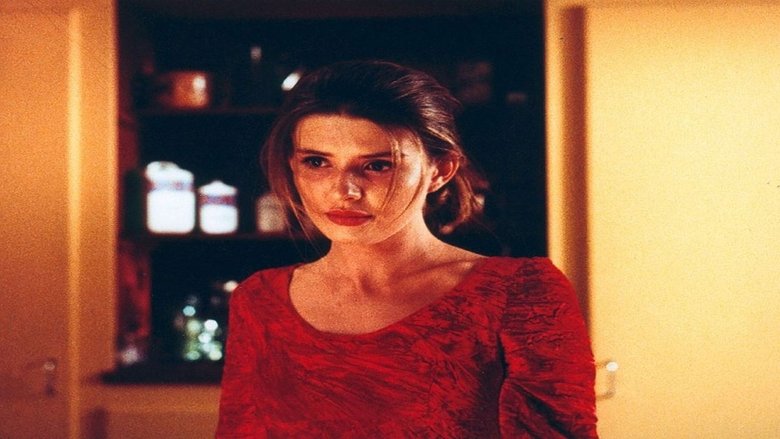
On her birthday, Juliette is too upset to worry about the strange cleaner who imitates her every move and lusts after her clothing.

A documentary on the once promising American rock bands The Brian Jonestown Massacre and The Dandy Warhols. The friendship between respective founders, Anton Newcombe and Courtney Taylor, escalated into bitter rivalry as the Dandy Warhols garnered major international success while the Brian Jonestown Massacre imploded in a haze of drugs.
The space of the junkyard allows various ‘crash’ narratives to unfold, with the stories of actual crashes and the remnants and afterlife of these machines becoming metaphors for economic decline. This is an investigation of planes as they are parked during the economic downturn, stored and recycled, revealing unexpected connections between economy, violence and spectacle, finding perfect example in the form of the Boeing 4X-JYI, an aircraft first acquired by film director Howard Hughes for TWA, which was subsequently flown by the Israeli Airforce before finding its way to the Californian desert to be blown up for the Hollywood blockbuster Speed. Through intertwined narratives of people, planes and places Steyerl reveals cycles of capitalism incorporating and adapting to the changing status of the commodity, but also points at a horizon beyond this endless repetition.
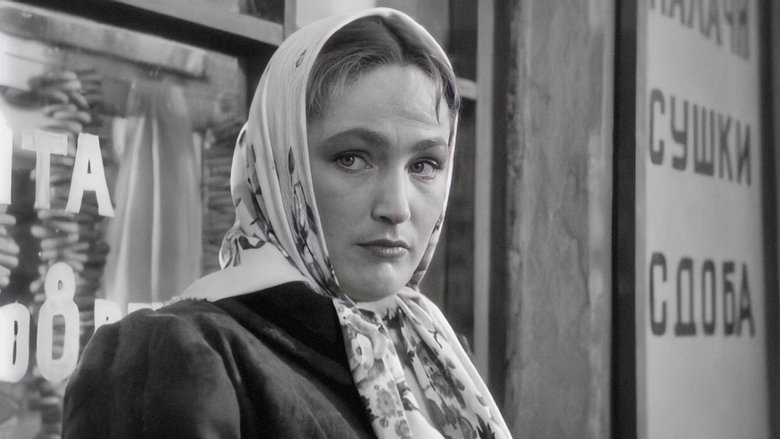
On the outskirts of the provincial town, Yevdokim and Yevdokiya live, raising foster children. Yevdokim works at a factory, Yevdokiya is a housewife. The family seems to be safe and happy: the only trouble is that Yevdokiya cannot forget the love of her youth. This Yevdokim cannot stand and offers Yevdokiya freedom, while he will remain with the children. But all these contradictions are drowned in mutual love for children and for each other.
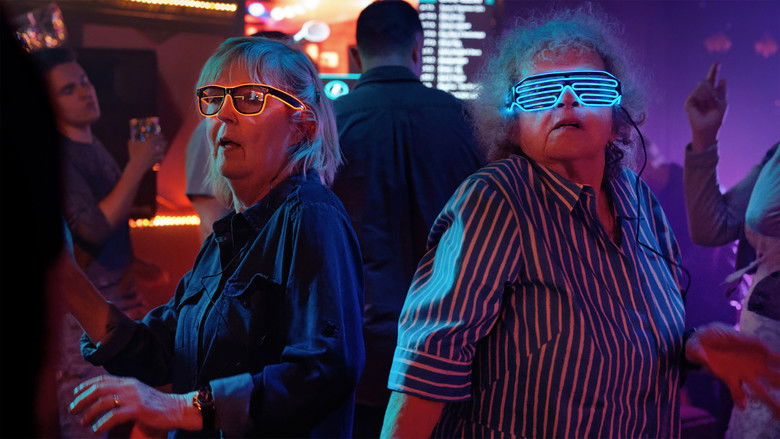
Inkeri, 75, has hit her husband on the head with a solid iron frying pan and is planning to bury him in their garden. Before facing the rest of her life in prison, there may yet be a moment left to really live. Inkeri makes her sisters Sylvi and Raili join her on a trip to the Koli National Park. Will Inkeri find in her that free young woman who desired a feminist revolution in the 70s?