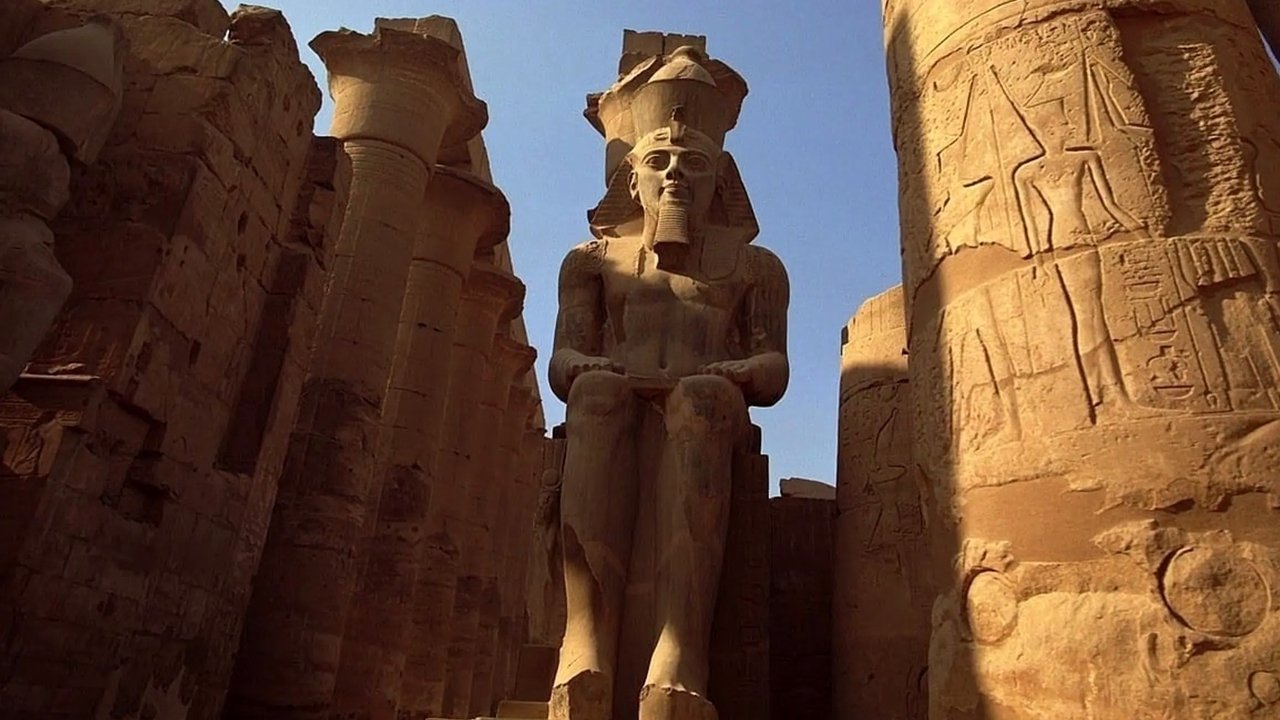
Mummies: Secrets of the Pharaohs (2007)
The grail is not the gold, nor the books of ancient wisdom, but the 3,000 year old DNA of the mummies, which may lead to a cure for malaria.
The grail is not the gold, nor the books of ancient wisdom, but the 3,000 year old DNA of the mummies, which may lead to a cure for malaria.
 Elana DragoNefertari
 William HopeCharles Wilbour
 Nasser MemarziaAhmed Abd El Rassoul
 Crispin RedmanEmil Brugsch
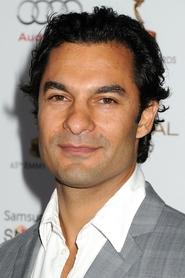 Darwin ShawMohammed Abd El Rassoul
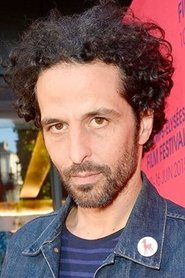 Boris TerralRameses
An inspiring biopic about the legendary skier Elena Vyalbe. Born in a small town in the north of Russia, she had the courage and dedication to overcome a slew of obstacles on her way to becoming the very best in her sport. The film captures a historic skiing event at the 1997 FIS Nordic World Ski Championships in Trondheim, Norway, where Elena Vyalbe made skiing history by winning five out of five gold medals, which to this day remains a record achievement.
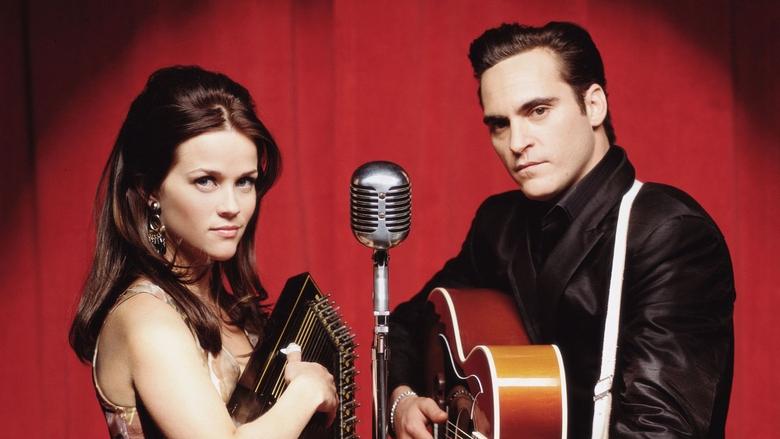
A chronicle of country music legend Johnny Cash's life, from his early days on an Arkansas cotton farm to his rise to fame with Sun Records in Memphis, where he recorded alongside Elvis Presley, Jerry Lee Lewis and Carl Perkins.
Warsaw's Central Railway Station. 'Someone has fallen asleep, someone's waiting for somebody else. Maybe they'll come, maybe they won't. The film is about people looking for something.
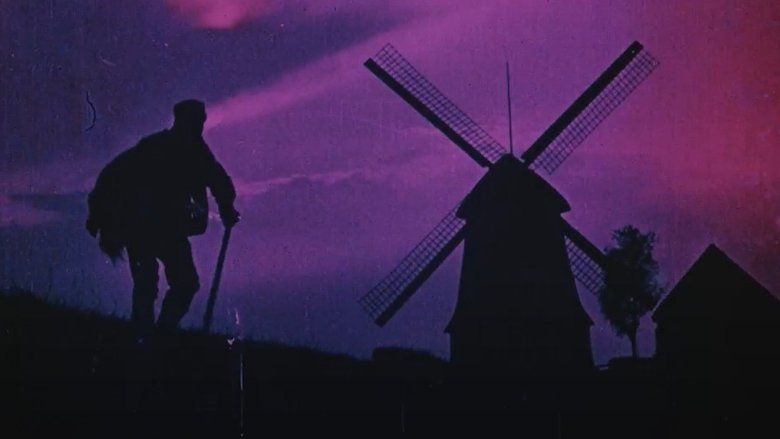
A hobo takes revenge to a miller who didn't give him something to eat.
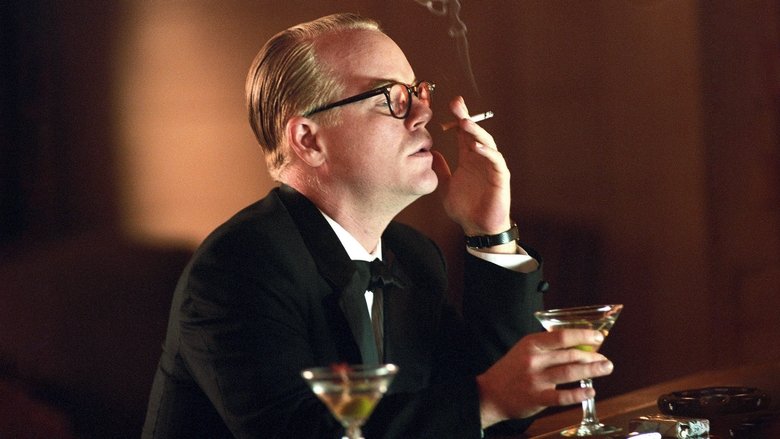
A biopic of writer Truman Capote and his assignment for The New Yorker to write the non-fiction book "In Cold Blood".
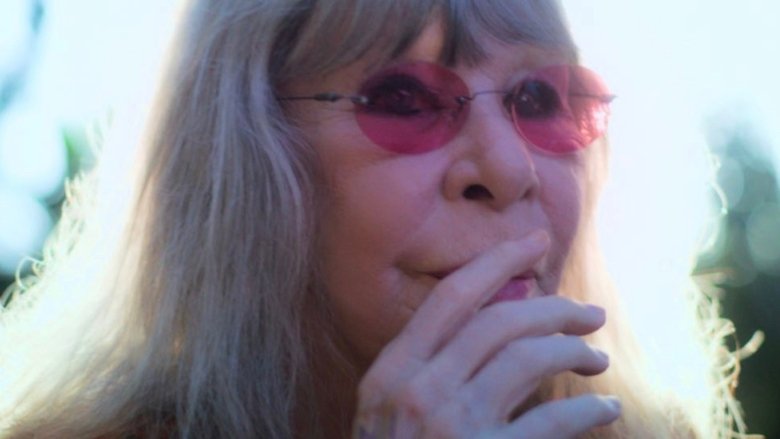
It explores Rita Lee's personal life and her creative process, revealing her musical talent and her ability to transform on stage. Rita herself guides the narrative through past interviews she gave throughout her career and current testimonies.
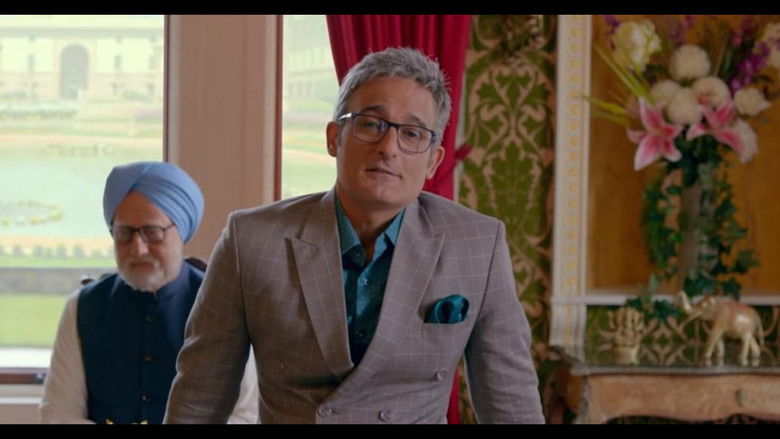
Based on the memoir by Indian policy analyst Sanjaya Baru, The Accidental Prime Minister explores Manmohan Singh's tenure as the Prime Minister of India, and the kind of control he had over his cabinet and the country.
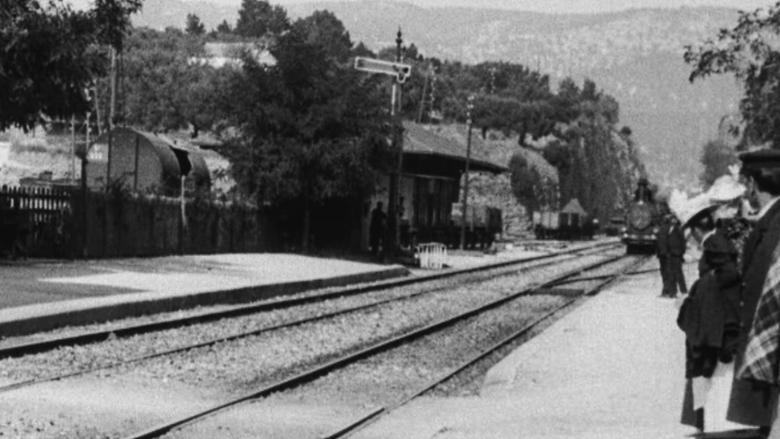
A group of people are standing along the platform of a railway station in La Ciotat, waiting for a train. One is seen coming, at some distance, and eventually stops at the platform. Doors of the railway-cars open and attendants help passengers off and on. Popular legend has it that, when this film was shown, the first-night audience fled the café in terror, fearing being run over by the "approaching" train. This legend has since been identified as promotional embellishment, though there is evidence to suggest that people were astounded at the capabilities of the Lumières' cinématographe.
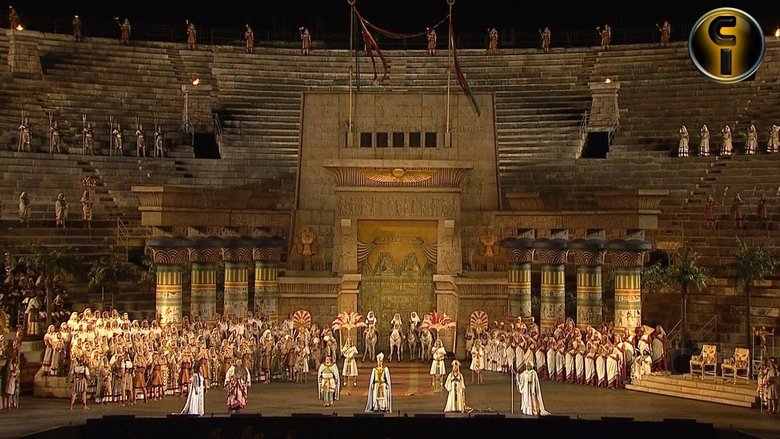
The grand scale and magnificent acoustics of the Roman arena in Verona are ideally suited to the pageantry of Verdi's Egyptian opera, presented here in a staging that is true to the original 1913 production, framed by obelisks and sphinxes and filled with chorus and dancers. Chinese soprano Hui He has won international acclaim for her portrayal of the eponymous slave girl whose forbidden love for the war hero Radamés (Marco Berti, the experienced Verdi tenor) brings death to them both.
The film traces the life of Çakırcalı Mehmet Efe, a Zeybek (active as an outlaw in the region enclosing İzmir, Aydın, Denizli, Muğla and Antalya in modern western Turkey, from 1893 to 1910) whose father, Çakırcalı Koca Ahmet Efe was murdered by an Ottoman sergeant.
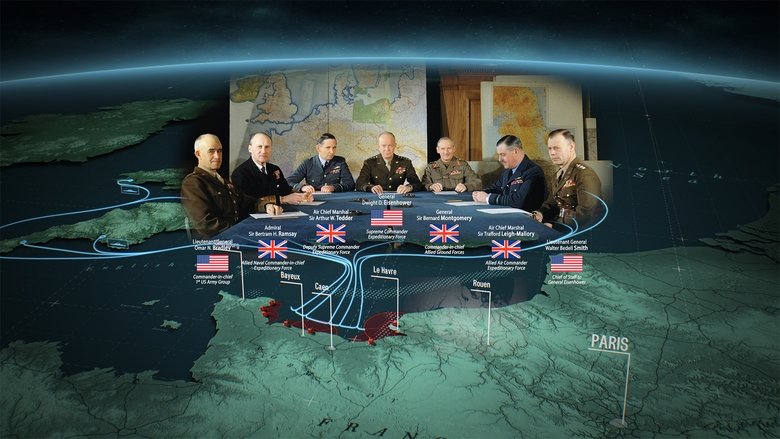
June 6, 1944: The largest Allied operation of World War II began in Normandy, France. Yet, few know in detail exactly why and how, from the end of 1943 through August 1944, this region became the most important location in the world. Blending multiple cinematographic techniques, including animation, CGI and stunning live-action images, “D-Day: Normandy 1944” brings this monumental event to the world’s largest screens for the first time ever. Audiences of all ages, including new generations, will discover from a new perspective how this landing changed the world. Exploring history, military strategy, science, technology and human values, the film will educate and appeal to all. Narrated by Tom Brokaw, “D-Day: Normandy 1944” pays tribute to those who gave their lives for our freedom… A duty of memory, a duty of gratitude.
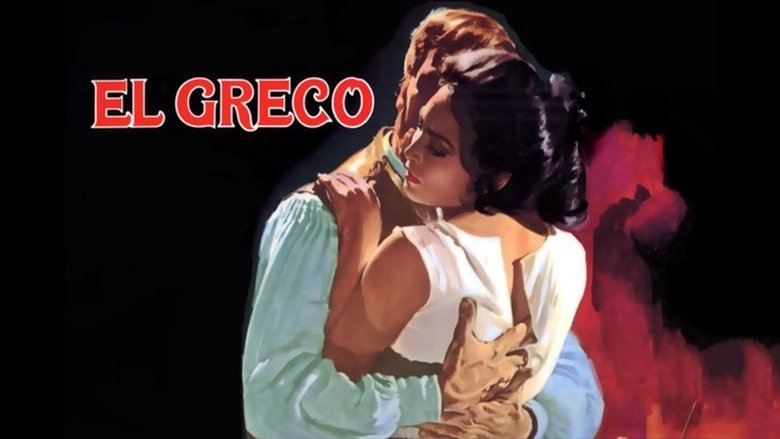
Greek painter Domenikos Theotokopoulos (Mel Ferrer) woos a beauty (Rosanna Schiaffino) and faces the Inquisition in 16th-century Spain.
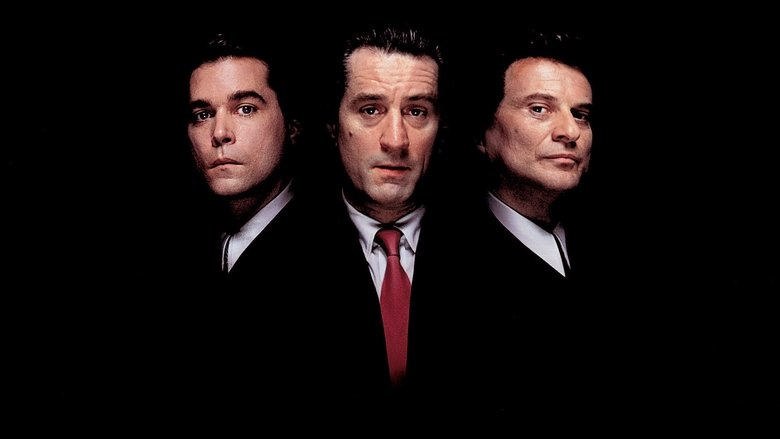
The true story of Henry Hill, a half-Irish, half-Sicilian Brooklyn kid who is adopted by neighbourhood gangsters at an early age and climbs the ranks of a Mafia family under the guidance of Jimmy Conway.
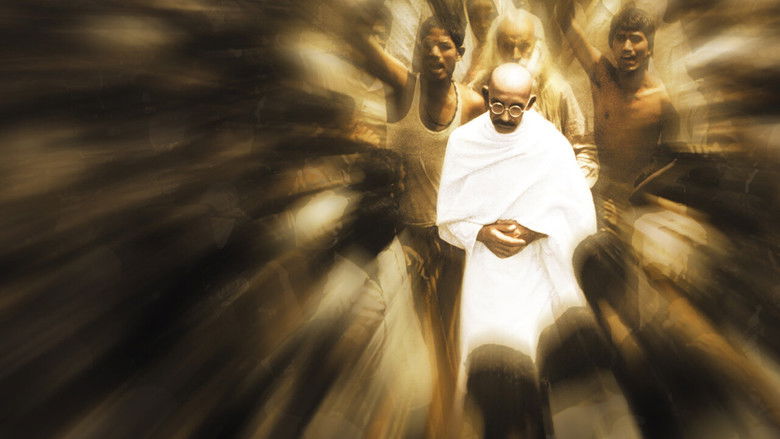
In the early years of the 20th century, Mohandas K. Gandhi, a British-trained lawyer, forsakes all worldly possessions to take up the cause of Indian independence. Faced with armed resistance from the British government, Gandhi adopts a policy of 'passive resistance', endeavouring to win freedom for his people without resorting to bloodshed.
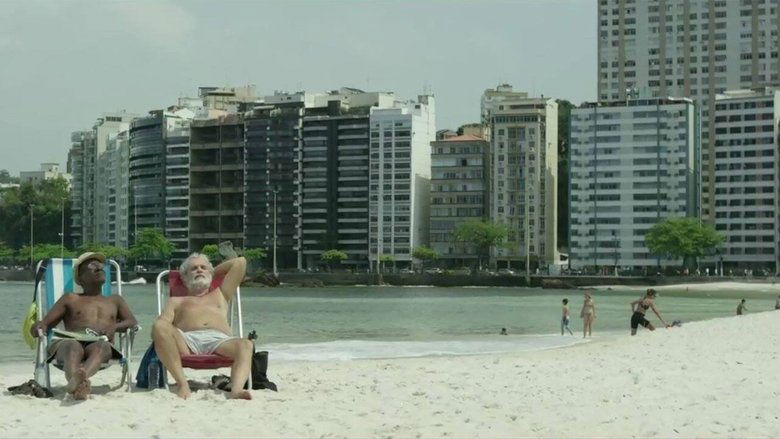
Fernando is an actor and theater teacher who, at the age of 74, is impelled to be the protagonist of himself in an experience that blurs the boundaries between the documentary and the fictional. Faced with a delicate problem in his heart, he follows a life full of love for art, where education emerges as a powerful transforming element of reality.
André - The Voice of Wine takes us on a cinematic journey from Russia through Europe to America as we embrace the story of André Tchelistcheff, who devoted his life to the ancient craft of winemaking. André was a Russian aristocrat who spent his early years working and studying all around Europe before going to Napa Valley, California, where his life was filled with both tragedy and success as he helped to move the Californian wine industry from a virtually moribund state after the repeal of Prohibition. He had a direct impact on the 1976 Paris blind tasting, known as the ‘Judgement of Paris’, staged by Steven Spurrier which turned the world of wine upside down. André was not a businessman, but an artist and scientist whose heart and soul were devoted to wine. His philosophy about life and his love for wine continues to influence generations of wine makers throughout the world.
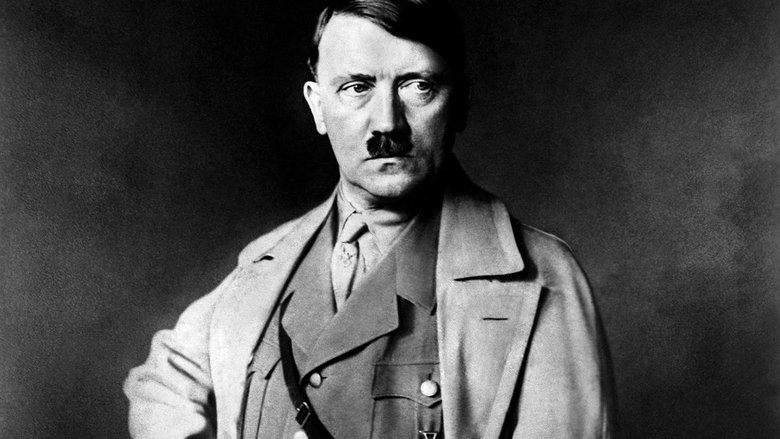
Hitler's biography told like never before. Besides brief historical localizations by a narrator, only contemporaries and Hitler himself speak: no interviews, no reenactment, no illustrative graphics and no technical gadgets. The testimonies from diaries, letters, speeches and autobiographies are assembled with new, often unpublished archive material. Hitler's life and work are thus reflected in a unique way in interaction with the image of the society in the years 1889 to 1945.
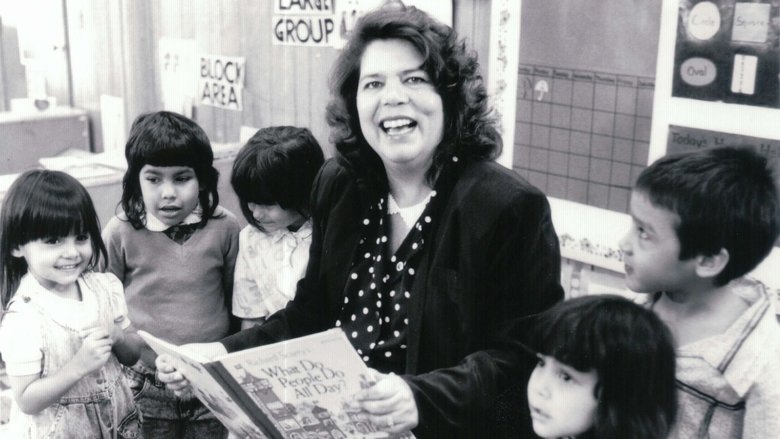
The story of an American hero and the Cherokee Nation's first woman Principal Chief who humbly defied all odds to give a voice to the voiceless.
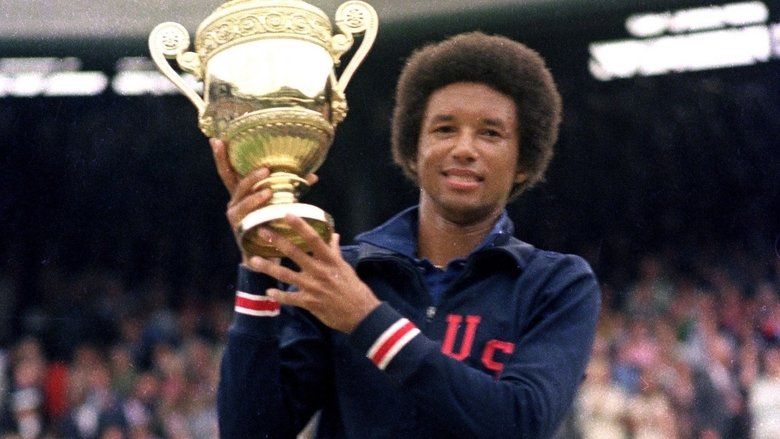
Follows the life and career of Arthur Ashe.