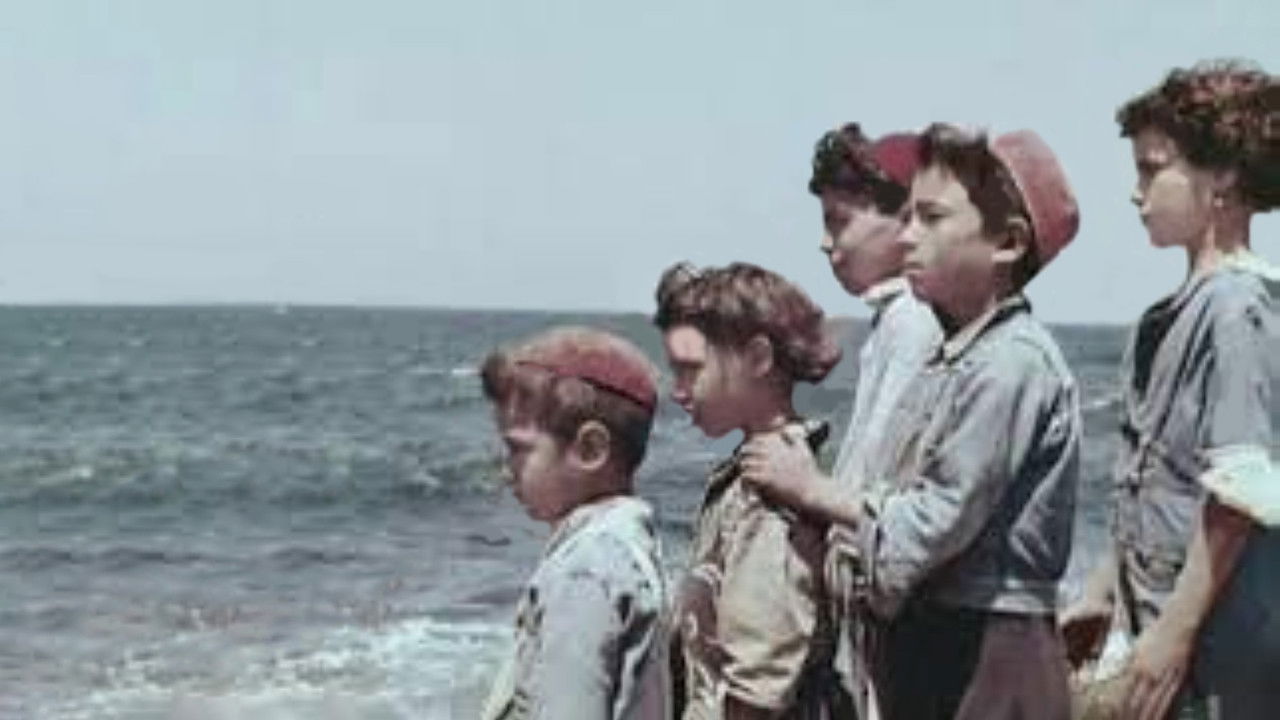
Les Anneaux d'Or (1956)
At the time of Tunisian independence, owners of large boats decide to sell, while many small fishermen soon find themselves without work. Their wives then decide to pool their gold rings to sell them and thus buy boats.
At the time of Tunisian independence, owners of large boats decide to sell, while many small fishermen soon find themselves without work. Their wives then decide to pool their gold rings to sell them and thus buy boats.
 Claudia CardinaleA young woman
 René VautierCommentator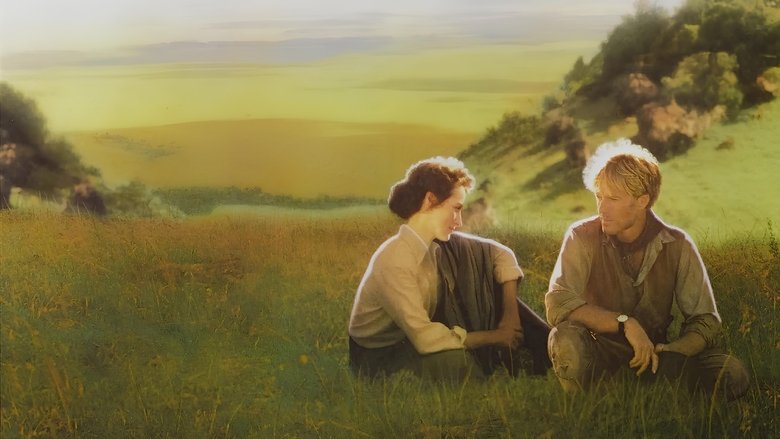
Tells the life story of Danish author Karen Blixen, who at the beginning of the 20th century moved to Africa to build a new life for herself. The film is based on her 1937 autobiographical novel.
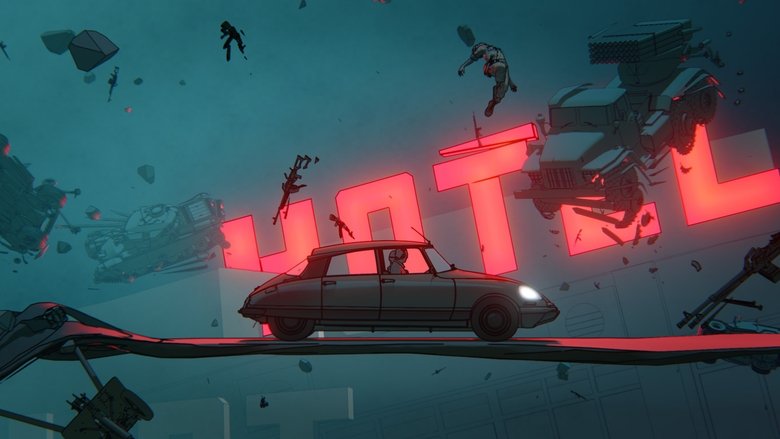
In 1975, Ryszard Kapuściński, a veteran Polish journalist, embarked on a seemingly suicidal road trip into the heart of the Angola's civil war. There, he witnessed once again the dirty reality of war and discovered a sense of helplessness previously unknown to him. Angola changed him forever: it was a reporter who left Poland, but it was a writer who returned…
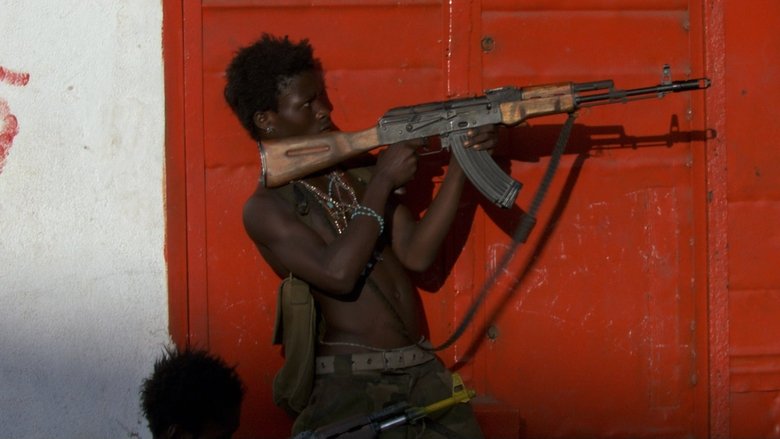
A cast of unknown performers are used in this drama about child soldiers fighting a war in an unnamed African country.

An Austrian director followed five successful African music and dance artists with his camera and followed their lives for a year. The artists, from villages in Ghana, Gambia and Congo, were the subjects of Africa! Africa! touring across Europe, but they have unbreakable roots to their homeland and their families. Schmiderer lovingly portrays his heroes, who tell their stories about themselves, their art and what it means to them to be African with captivating honesty. The interviews are interwoven with dance scenes and colourful vignettes set to authentic music.
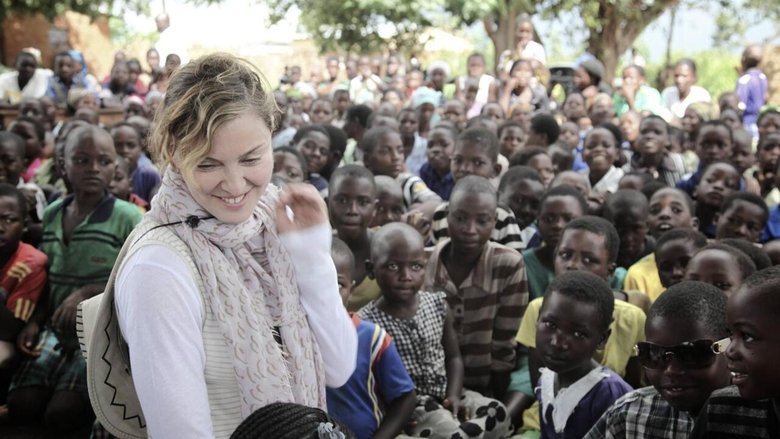
A look into the lives of Malawi's 1 million plus orphans in the wake of the AIDS pandemic. It offers hope and real solutions to the challenges that people face living in extreme poverty.

An epic tale spanning forty years in the life of Celie, an African-American woman living in the South who survives incredible abuse and bigotry. After Celie's abusive father marries her off to the equally debasing 'Mister' Albert Johnson, things go from bad to worse, leaving Celie to find companionship anywhere she can. She perseveres, holding on to her dream of one day being reunited with her sister in Africa.
On the African plains, where only the strong survive, one big cat rules supreme. This is life in the raw: savage, beautiful and unforgettable. During the eight years that Jurgen Jozefowicz filmed a pride of lions in South Africa's Kruger National Park, he won the trust of the dominant male and, astonishingly, was accepted into the pride. This is his story. How does it feel to live amidst a group of the most feared predators on the African continent as they fight to survive in a harsh, unforgiving world? Jurgen's film shows what it's like and is the result of his remarkable adventures. Jurgen is one of the world's premier wildlife photographers. His story of his life with these lions is one that spans a period of political struggles, disease and drought, showing the highs and the lows of life in the lion pride.
Documentary about the inhabitants, both human and animal, of the Belgian Congo.
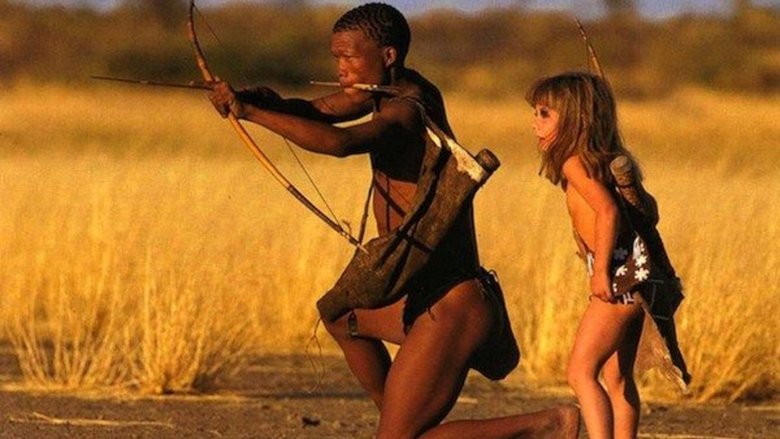
Tippi is no ordinary child. She believes that she has the gift of talking to animals and that they are like brothers to her. 'I speak to them with my mind, or through my eyes, my heart or my soul, and I see that they understand and answer me.' Tippi is the daughter of French filmmakers and wildlife photographers, Alain Degre and Sylvie Robert, who have captured her on film with some of Africa's most beautiful and dangerous animals. Tippi shares her thoughts and wisdom on Africa, its people and the animals she has come to know and love. Often her wisdom is beyond her years, and her innocence and obvious rapport with the animals is both fascinating and charming.
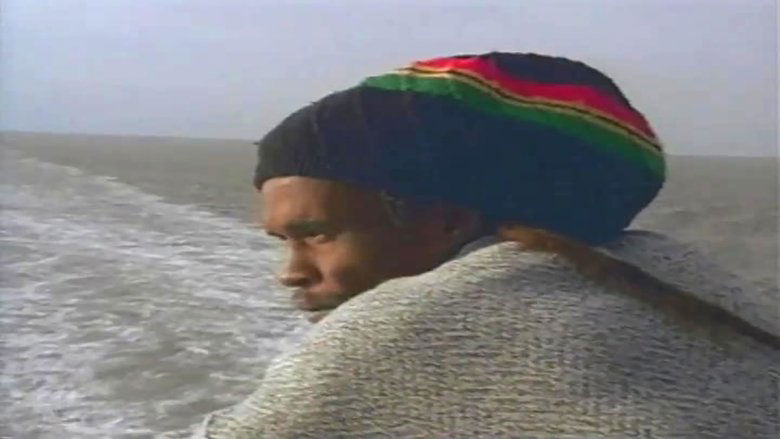
Brother Howie is a Jamaican Rastifari who dreams of the land of his ancestors: Africa. On a journey in search of his roots and his identity he travels through three continents and (with great humor and sensitivity) discovers the world and Africa.
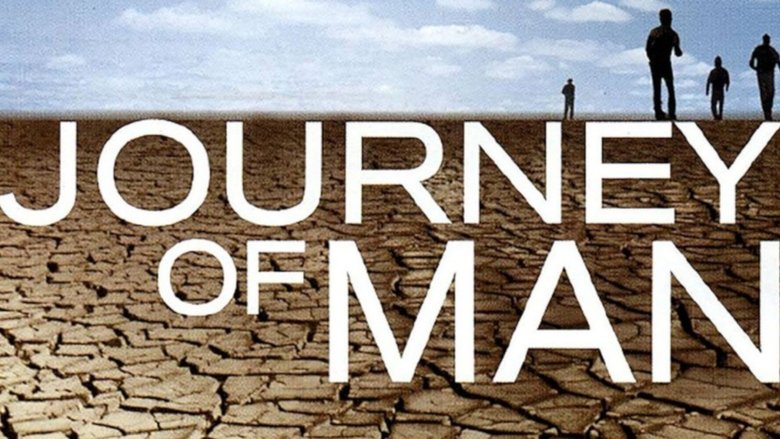
Many geneticists and archaeologists have long surmised that human life began in Africa. Dr. Spencer Wells, one of a group of scientists studying the origin of human life, offers evidence and theories to support such a thesis in this PBS special. He claims that Africa was populated by only a few thousand people that some deserted their homeland in a conquest that has resulted in global domination.
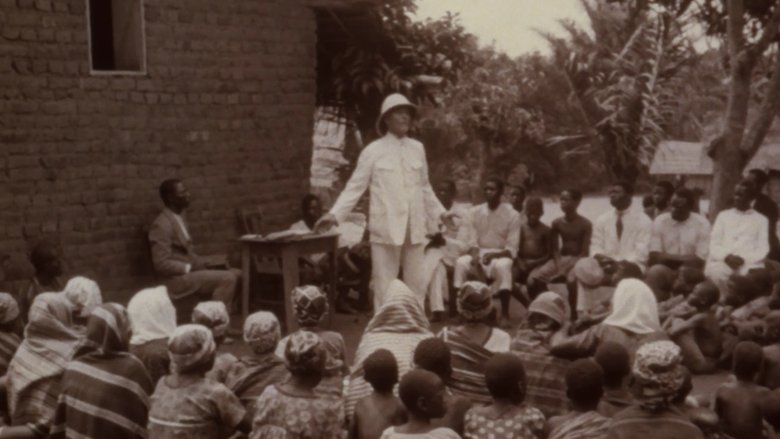
Sven Nykvist, best known as Ingmar Bergman cinematographer, made this film as a tribute to his father who was a missionary in Kongo in the early 20th century. The story of his father Gustav Natanael Nykvist is told through his own photos, letters, and films. Director & cinematographer: Sven Nykvist. Narrators in the English dubbed version: Liv Ullmann & Sean Connery. Produced by Ingmar Bergman (Cinematograph AB). Digitally restored in 2022.
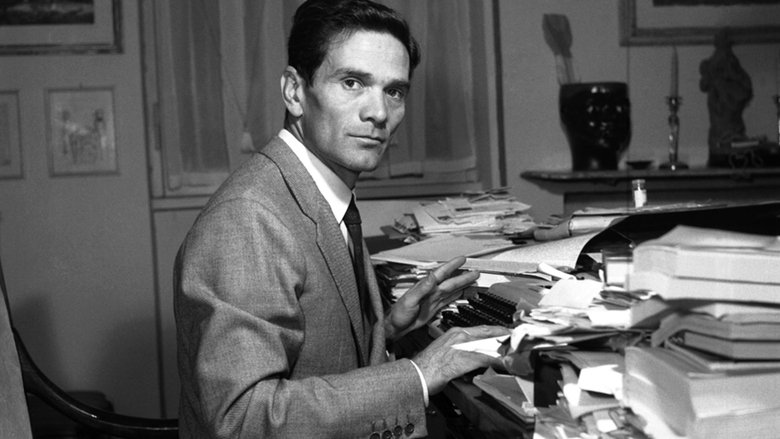
Pasolini seeks in Africa the peasant and revolutionary authenticity he had sought in the Roman villages. This hope will end in a new disappointment: Africa is a reservoir of irremediable contradictions that will explode in the massacres of yesterday and today. It is an Africa that starts from the outskirts of Rome, but thousands of non-EU citizens flock to the sub-proletariat of the villages.
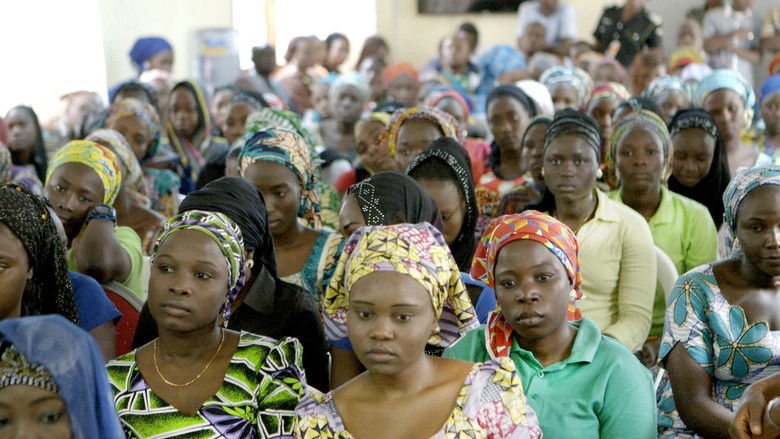
The story of the freed female hostages of Boko Haram, detailing their lives in captivity and since their release.
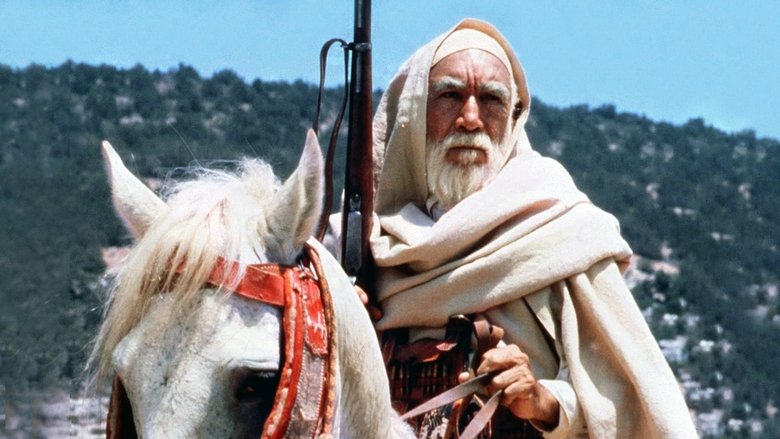
This movie tells the story of Omar Mukhtar, an Arab Muslim rebel who fought against the Italian conquest of Libya during the second Italo-Senussi War. It gives western viewers a glimpse into this little-known region and chapter of history, and exposes the savage means by which the conquering army attempted to subdue the natives.
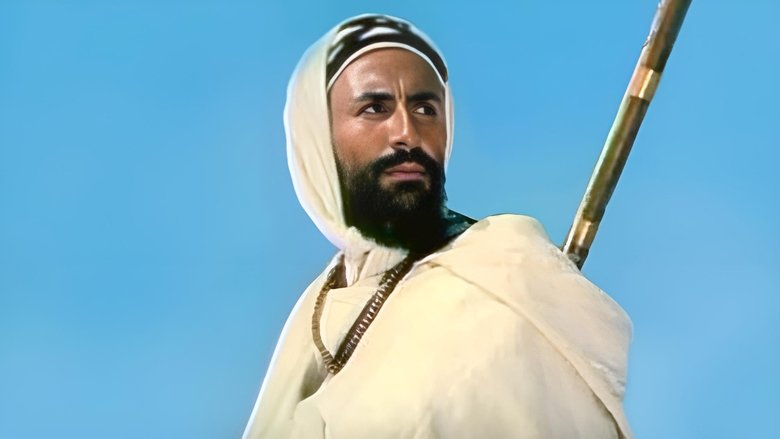
The story of the film revolves around the epic of Sheikh Bouamama, a leader of the national resistance in Algeria during the French colonial era. The events are taking place in southwestern Algeria. The film also tells about different stages of the resistance, especially about one of the uprisings of the Algerian people, namely "the battle of the sons of Sidi Sheikh Bouamama", in which French General Leuti was appointed to try to suppress and end this resistance.
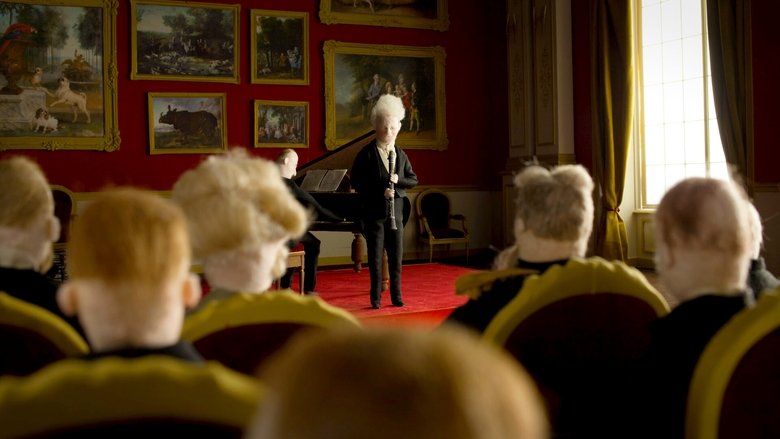
In 1885, Africa is a succulent cake destined to be wildly divided and everyone wants a piece. A disturbed European king, a Pygmy working in a luxury hotel, a successful but lonely businessman, an enslaved porter, a young army deserter, a ghostly clarinetist. Some benefit from colonialism and greed. Others suffer racism and violence.
In Old Moshi, Tanzania, a head is missing : the skull of Chief Meli, who fought the German colonial occupation of his territory and was executed in response to his resistance in 1900. This animated film, based on archival sources and oral accounts provided by Chief Meli's grandson, sheds light on the racist roots of physical anthropology and ethnological museums.
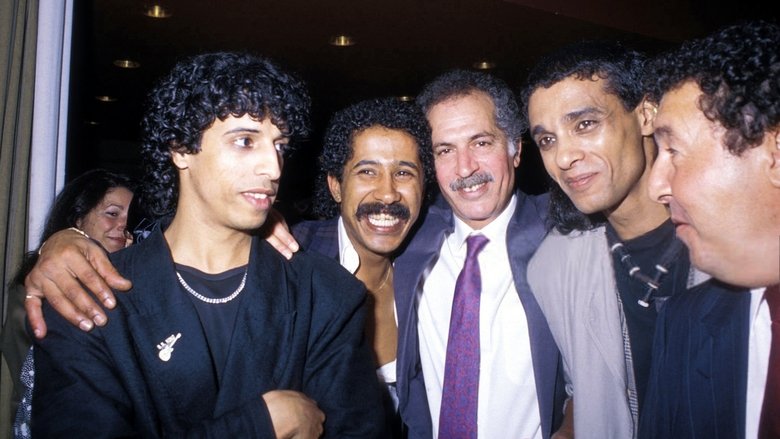
In the 1980s, Algeria experienced a tumultuous social context which reached its peak during the riots of October 88. This wave of protest, with youth as its figurehead, echoed the texts of raï singers. Thirst for freedom, misery of life and the aspirations of youth are among the main themes of their works which will inspire an entire generation. More than music, raï celebrates the Arabic language and becomes a vector of Algerian culture, thus providing the cultural weapons of emerging Algerian nationalism With Cheb Khaled, Cheb Mami and Chaba Fadela as leaders of the movement, raï is also a way of telling and reflecting the essence of Algeria in these difficult times. While the threat weighs on artists in Algeria, their exile allows raï to be exported internationally and thus, to bring the colors of Algeria to life throughout the world.
This special, behind-the-scenes film takes us on a trip to Mali to witness Amadou & Mariam at home and their musical encounter with legendary artist and producer Manu Chao during the making of their hit album Dimanche à Bamako, The music provides the lifeblood of the film, featuring the hits Sénégal Fast Food and La Realité, popular favourites Coulibaly, M’Bifé and Camions Sauvages plus a rare, unreleased live song by Manu Chao, Kira.