
Barefoot in Athens (1966)
The last few days in the life of Socrates, including his trial.
The last few days in the life of Socrates, including his trial.
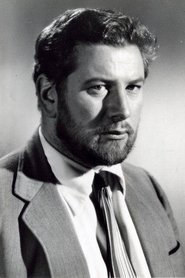 Peter UstinovSocrates
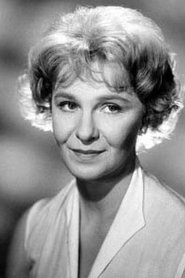 Geraldine PageXantippe
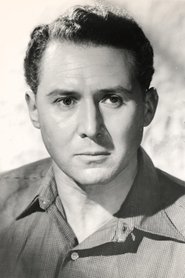 Anthony QuayleKing Pausanias of Sparta
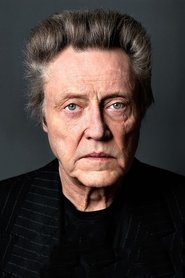 Christopher WalkenLamprocles
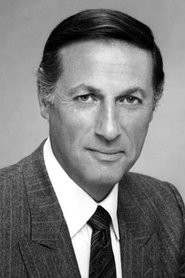 Lloyd BochnerCritias
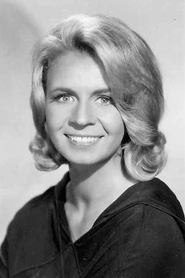 Salome JensTheodote
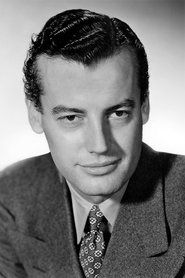 Shepperd StrudwickLycon
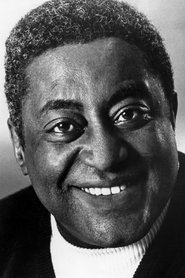 Richard WardSatyrosEric BerryMeletos
 John HeffernanAnytas
The dramatization of Socrates' trial for spoiling the Athenian youth which resulted in his death sentence.
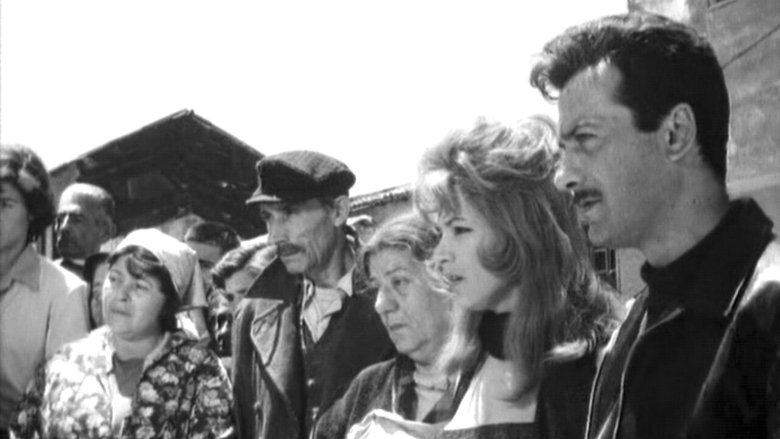
A poor neighborhood of Athens, Asyrmatos, is the center of the world for the people who live there and try in every way to escape from poverty and destitution. A handsome released youth, Ricos (Alekos Alexandrakis), is trying to make money, at the same time that his lover, Stefi (Aliki Georgoulis), is seeing other men and her father, Nekrophoras (Manos Katrakis), is trying to contribute in family finances. Rico will set up a job, but will spend the money raised before he can put it into action. As a result, one of his "partners" (Alekos Petsos) will commit suicide, leaving his pregnant wife, Eleni (Aleka Paizis), to her fate. Rikos, his beloved and her father, defeated and disappointed because of the expectations that were never fulfilled, will be forced to come to terms with the harsh reality.
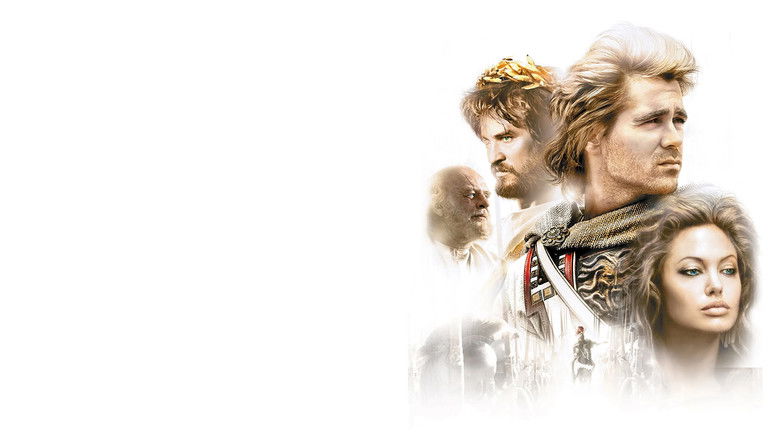
Alexander, the King of Macedonia, leads his legions against the giant Persian Empire. After defeating the Persians, he leads his army across the then known world, venturing farther than any westerner had ever gone, all the way to India.
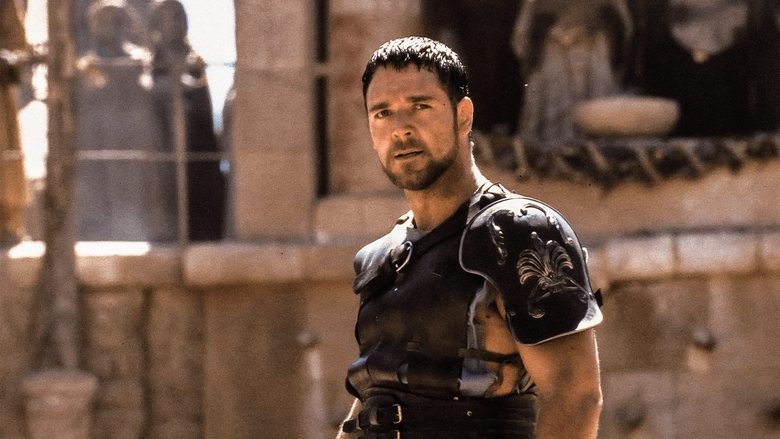
After the death of Emperor Marcus Aurelius, his devious son takes power and demotes Maximus, one of Rome's most capable generals who Marcus preferred. Eventually, Maximus is forced to become a gladiator and battle to the death against other men for the amusement of paying audiences.
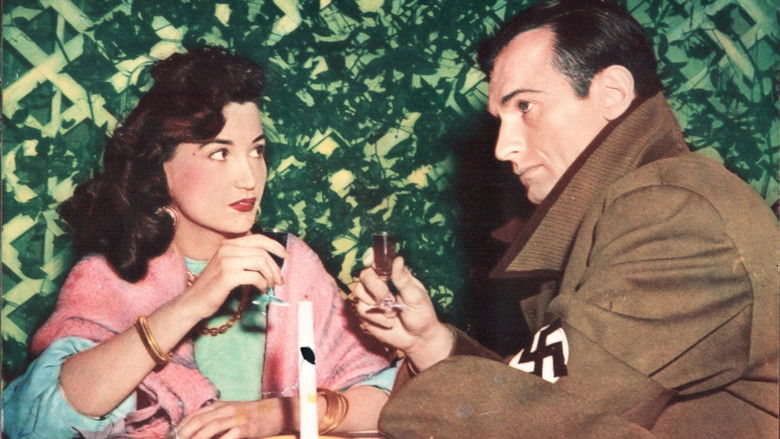
During World War II, Helmut Dantine specialized in playing villainous Nazis in Hollywood melodramas. He offers a compelling performance in a variation of these earlier roles in this suspense filled and politically loaded tale of intrigue. The story opens in German-occupied Athens during the darkest hours of the war. Civilians are not allowed on the streets after dark.
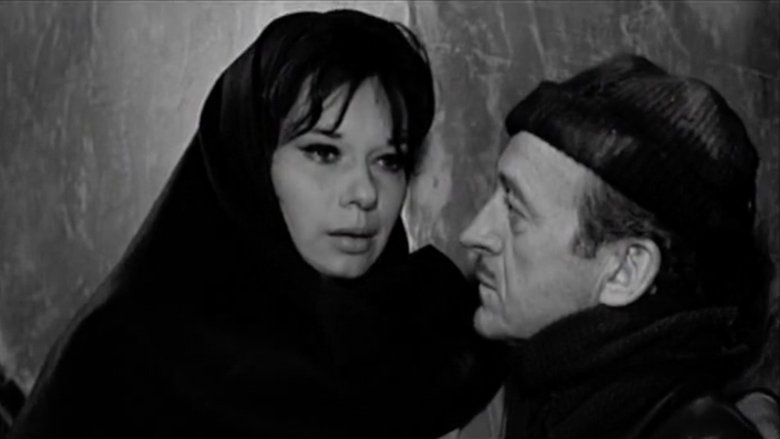
Filmed in 1962 but not released in the US until 1966 (with 20 of its 108 minutes removed), Conquered City is an all-star World War II drama financed in Italy and filmed in Greece. An Athens hotel, full of refugees and expatriates of all nationalities, is captured by Allied troops in the closing days of the War. British Major David Niven has been ordered to prevent a cache of weapons hidden in the hotel from falling into the hands of renegade troops. He cannot allow himself to trust anyone--not even the most innocent-looking (or attractive) of guests. Originally titled La Citta Prigioniera. Conquered City was released in English-speaking countries outside the U.S. as Captive City.
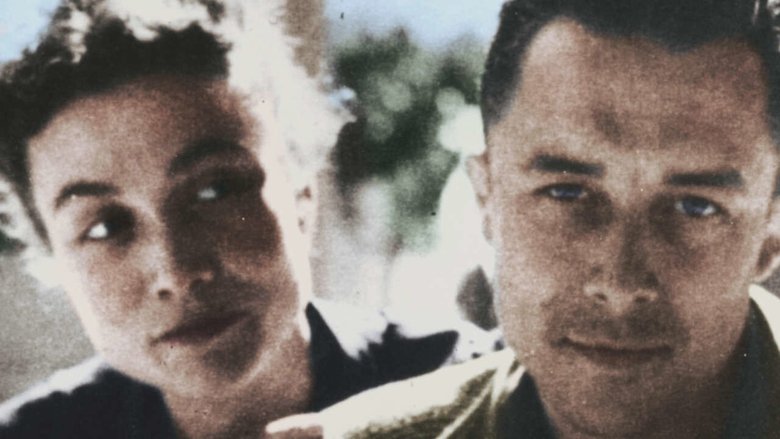
Albert Camus died at 46 years old on January 4, 1960, two years after his Nobel Prize in literature. Author of “L'Etranger”, one of the most widely read novels in the world, philosopher of the absurd and of revolt, resistant, journalist, playwright, Albert Camus had an extraordinary destiny. Child of the poor districts of Algiers, tuberculosis patient, orphan of father, son of an illiterate and deaf mother, he tore himself away from his condition thanks to his teacher. French from Algeria, he never ceased to fight for equality with the Arabs and the Kabyle, while fearing the Independence of the FLN. Founded on restored and colorized archives, and first-hand accounts, this documentary attempts to paint the portrait of Camus as he was.

The story of an introverted young girl just reaching adulthood who takes a liking to an older woman she meets at a party and determines to match her off with her father, despite the latter's already having a lover of his own.
In 2017 Finland celebrates 100 years of independence. The famous philosopher Bruno is curing his writers' block in Lapland, when he gets an invitation to the President's Grand Ball in Helsinki. The railway systems are frozen and he misses the only plane, but the Laplander Jallu agrees to drive him 1200 km (745 miles) south.
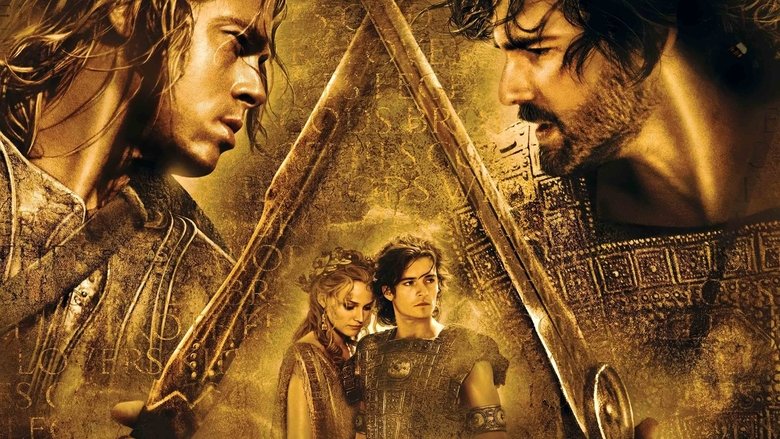
In year 1250 B.C. during the late Bronze age, two emerging nations begin to clash. Paris, the Trojan prince, convinces Helen, Queen of Sparta, to leave her husband Menelaus, and sail with him back to Troy. After Menelaus finds out that his wife was taken by the Trojans, he asks his brother Agamemnon to help him get her back. Agamemnon sees this as an opportunity for power. They set off with 1,000 ships holding 50,000 Greeks to Troy.
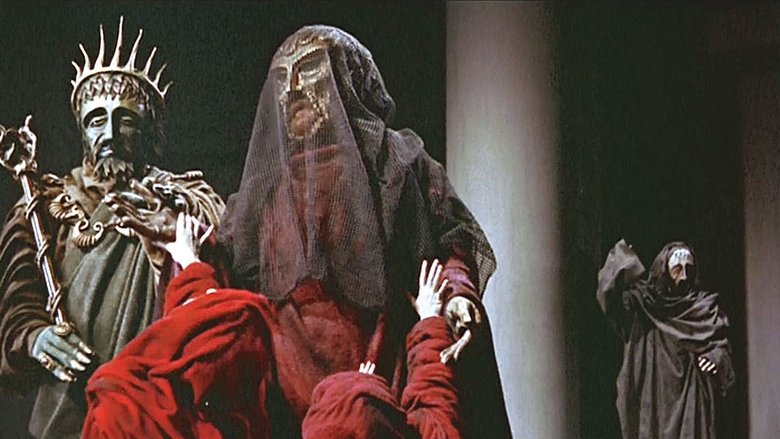
The story of Oedipus' gradual discovery of his primal crime, killing his father and marrying his mother, filmed by the famed British theatrical director Sir Tyrone Guthrie. This elegant version of Sophocles' play adds a brilliant stroke: the actors wear masks just as the Greeks did in the playwright's day.
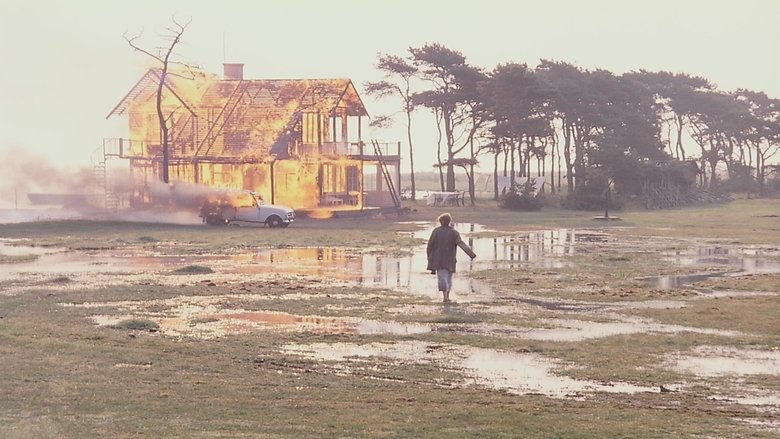
Alexander, a journalist, philosopher and retired actor, celebrates a birthday with friends and family when it is announced that nuclear war has begun.
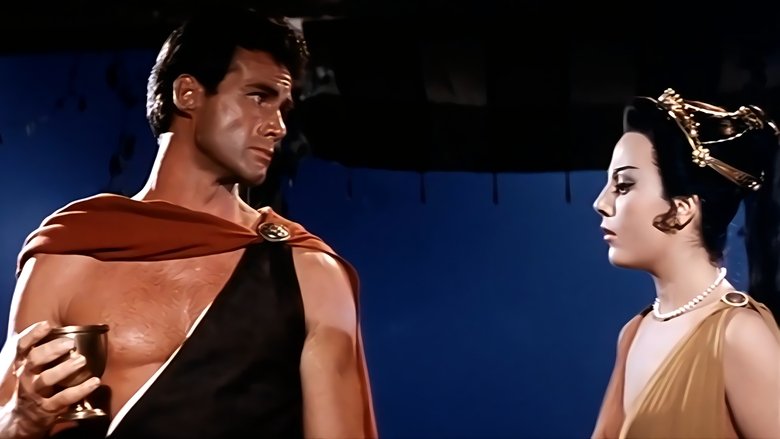
A Greek soldier leads the fight against an invading Persian army.
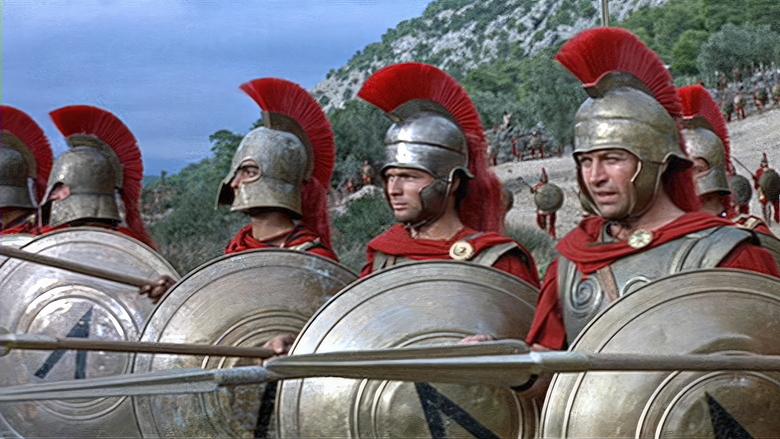
The 300 Spartans is an account of the 480 B.C. Battle of Thermopylae, in which the Greek Spartan King Leonidis, played by Richard Egan, led a remarkably small number of Greek Sparta to victory over an invading Persian army led by evil King Xerxes that was thought to number over 25,000. This spectacular conflict gave the Grecians enough time to organize a force to ultimately repel the Persians, and thus change the course of Western civilization.
Friends, contemporaries and even enemies of Alexander the Great gather in a tent to tell his tale through their eyes.
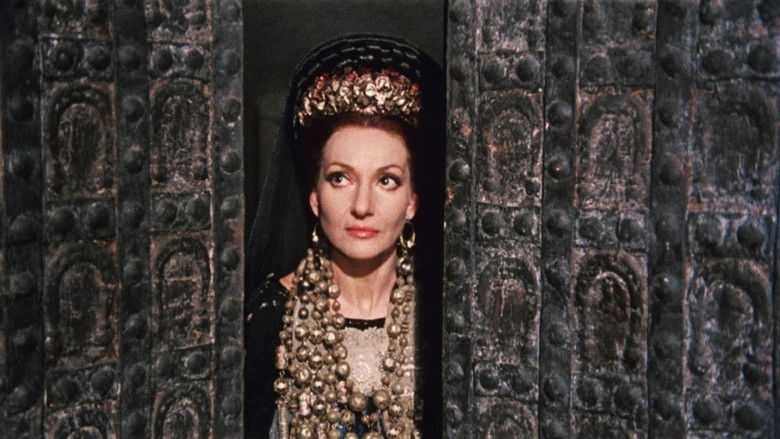
Based on the plot of Euripides' Medea. Medea centers on the barbarian protagonist as she finds her position in the Greek world threatened, and the revenge she takes against her husband Jason who has betrayed her for another woman.
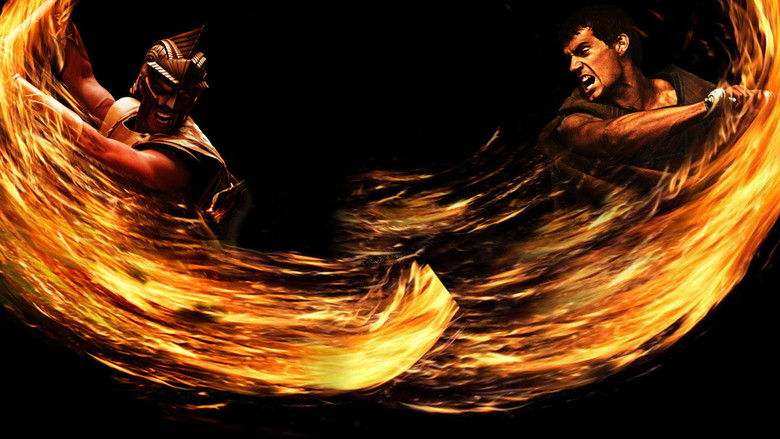
Theseus is a mortal man chosen by Zeus to lead the fight against the ruthless King Hyperion, who is on a rampage across Greece to obtain a weapon that can destroy humanity.
Alexander, a student of the brilliant philosopher Aristotle, worshiped the god Amun which he believed to be his father. He suffered from epilepsy and was gay, when his partner died he sacrificed all 5,000 inhabitants of a village for him. Alexander's legacy was that a man could be a god, by he has many peoples, cultures and beliefs influenced his vast empire. Alexander the Great had a vision: one civilized world with him as absolute leader! An ambition which had all districts with enormous bloodshed as a result. His craving for power was so great that in our modern world has no equal! While his influence is still noticeable, we know still very little about him. Greek and English archaeologists searching for years for one of the world's greatest mysteries:. the last resting place of Alexander the Great and his golden sarcophagus Alexander The God King is a fascinating journey through time and separate the truth from the legends. The ambition of one man, the course changed our history!
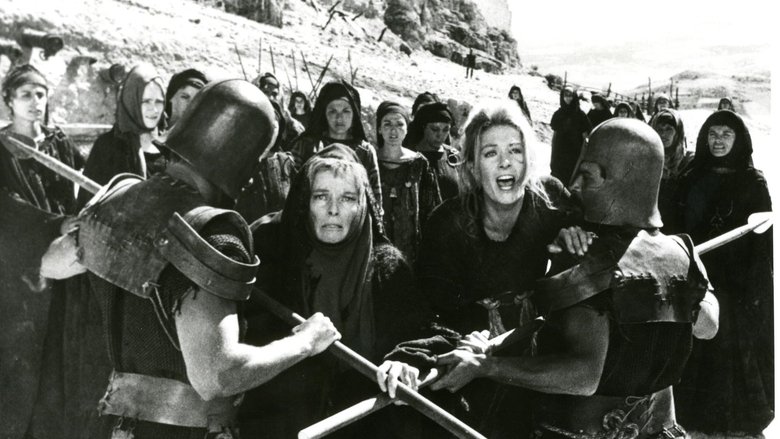
In the aftermath of the Trojan Wars, Queen Hecuba takes stock of the defeated kingdom. Her son has been killed, and his widow, Andromache, is left to raise their son, Astyanax, alone. Hecuba's daughter, Cassandra, fears being enslaved by her Greek masters, while Helen of Troy risks being executed. Astyanax also becomes the focus of the Greeks' attention as the last male heir of the Trojan royal family.