
Anyway (1990)
Rolling animated images of kaleidoscopic heads, skeletons and other absurdities. Abstact, surreal and darkly comic. This short was Run Wrake's (as J.M. Wrake) graduation film from The Royal College of Art, 1990
Rolling animated images of kaleidoscopic heads, skeletons and other absurdities. Abstact, surreal and darkly comic. This short was Run Wrake's (as J.M. Wrake) graduation film from The Royal College of Art, 1990
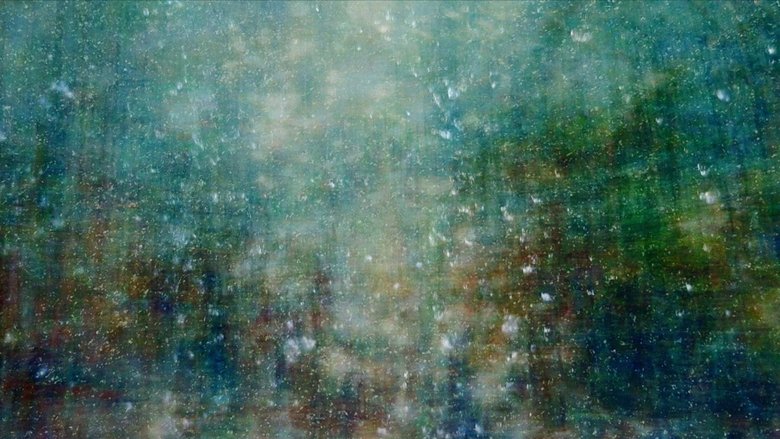
Borrowing its title from a treatise by Aristotle, the latest film by Makino Takashi is an abstract work that finds its drive in the clash between light and darkness. Entirely composed of superimposed images of Tokyo’s landscape and water sites, the film takes its rhythm from the cycles of repetition that are the pillars of life and civilisation. As light emerges from the chaos, Jim O’Rourke’s ambient drone sets the tone for what is to come.
Three books: a film festival catalogue, a dictionary, the Bible. Three works whose materiality has become obsolete by the digital dematerialization. A commentary on the fragility of culture.
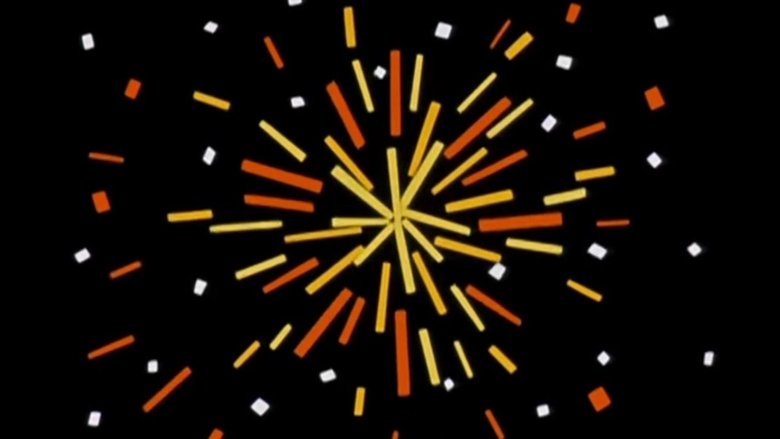
This newly rediscovered short was created in Jim's home studio in Bethesda, MD around 1961. It is one of several experimental shorts inspired by the music of jazz great Chico Hamilton. At the end, in footage probably shot by Jerry Juhl, Jim demonstrates his working method.
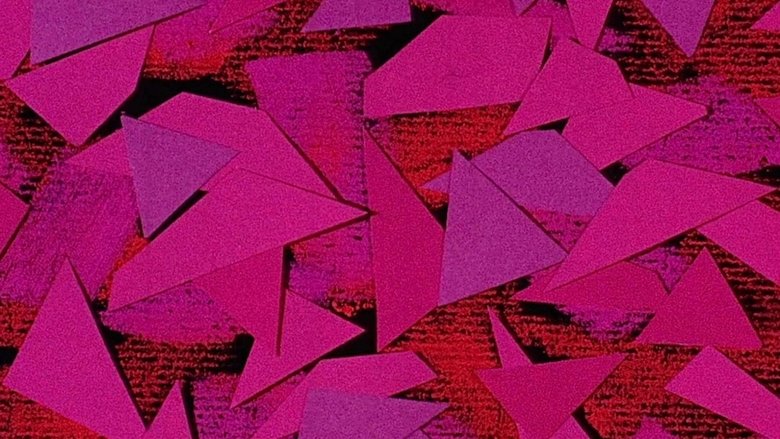
An abstract animated film inspired by the work of jazz musician Chico Hamilton.
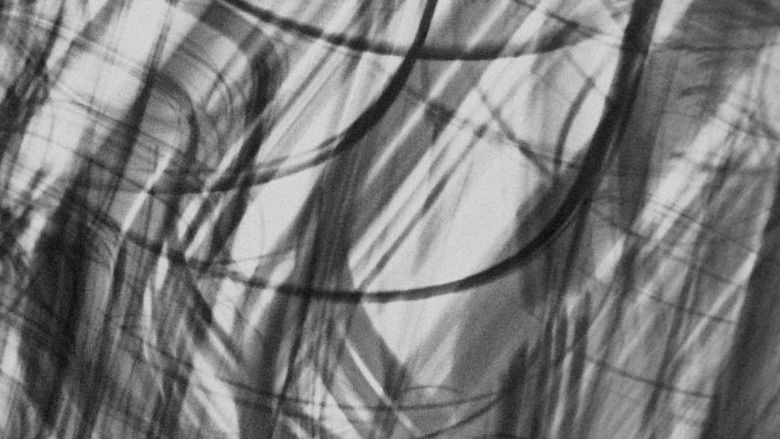
Mamori transports us into a black-and-white universe of fluid shapes, dappled and striated with shadows and light, where the texture of the visuals and of the celluloid itself have been transformed through the filmmaker’s artistry. The raw material of images and sounds was captured in the Amazon rainforest by filmmaker Karl Lemieux and avant-garde composer Francisco López, a specialist in field recordings. Re-filming the photographs on 16 mm stock, then developing the film stock itself and digitally editing the whole, Lemieux transmutes the raw images and accompanying sounds into an intense sensory experience at the outer limits of representation and abstraction. Fragmented musical phrases filter through the soundtrack, evoking in our imagination the clamour of the tropical rainforest in this remote Amazonian location called Mamori.
An abstract computer-generated film. The image is of squares revolving in space around and through each other. Colors and forms multiply and divide against a beautiful symphonic score by George Kleinsinger.
Hand painted directly onto film stock by Margaret Tait, this film features animated dancing figures, accompanied by authentic calypso music.
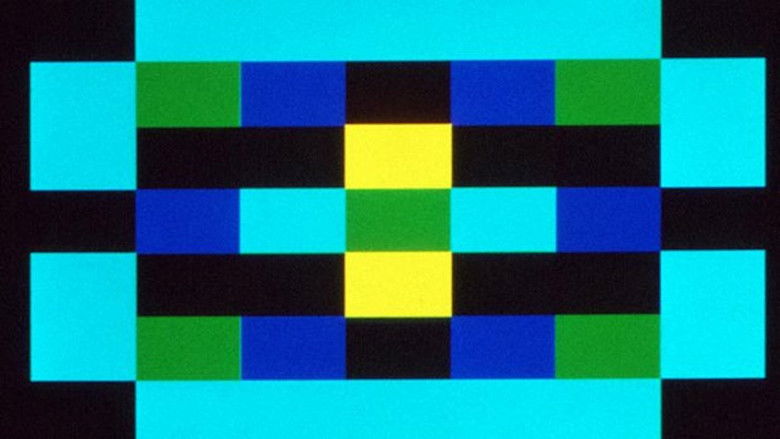
This is a didactic film in disguise. A progression of brilliant geometric shapes bombard the screen to the insistent beat of drums. The filmmaker programmed a computer to coordinate a highly complex operation involving an electronic beam of light, colour filters and a camera. This animation film, without words, is designed to expose the power of the cinematic medium, and to illustrate the abstract nature of time.
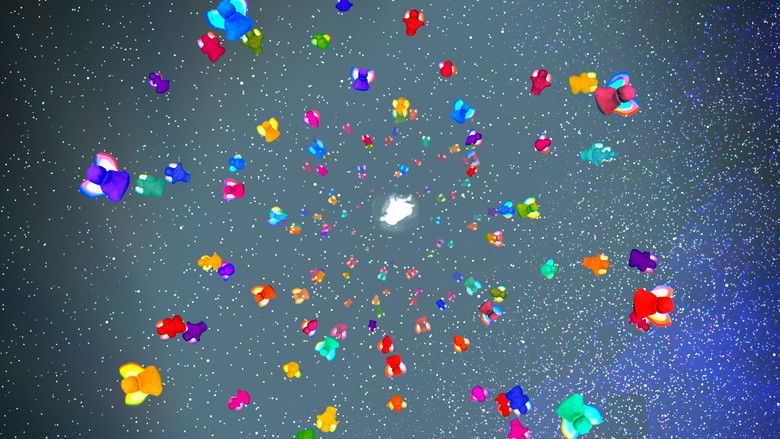
Torn from their home by a hand in the sky, colorful entities seek freedom from a rigid binary in this short experimental animation.
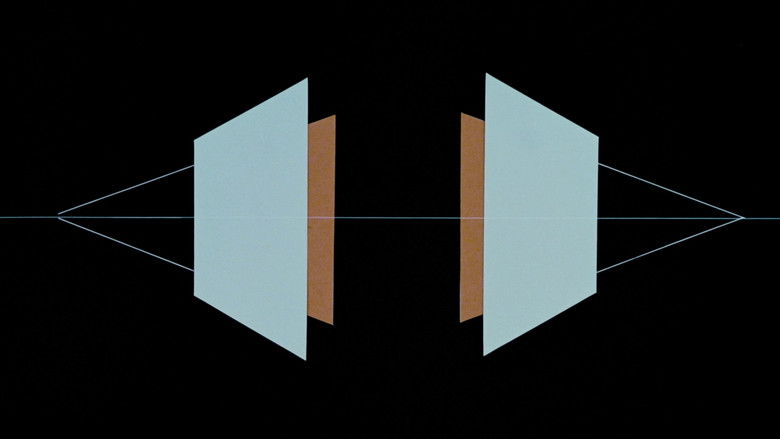
In this animated short, simple geometric forms as thin and flat as playing cards constantly form and re-form to the sound of the koto, a 13-stringed Japanese instrument.
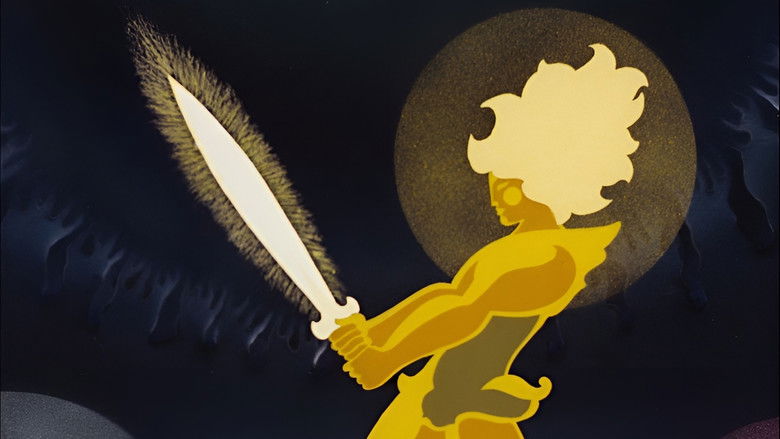
A horse goddess gives birth to three powerful brothers who set out into the Underworld to save three princesses from three evil dragons and reclaim their ancestors' lost kingdom.
A burst of cheer and refreshment that it seems perfectly suited to a late July afternoon.
Rhythm and repetition plays an important role in the animated film Allahu Akbar by Usama Alshaibi. With this film, Alshaibi questions the confrontation between tradition and modernity by drawing inspiration from geometric motives of Islamic art. The artist offers a re-interpretation of these motifs through computer animation. By turning the shapes in different direction, new images are generated, freeing them from their fixed state. Traditional spiritual values feed the present and open up to a modern perspective.
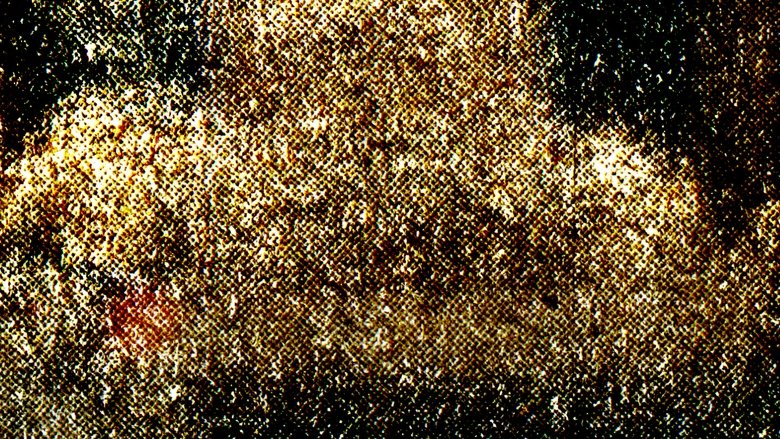
Three memories that become one. An attempt to merge heterogeneous materials: a film sequence shot in Rome, a photo from the 1930s, a noisy soundtrack. Fragmented lines, exploding bass frequencies and flickering.
This short experiments with the flow of oil ink over the surface of the water. Mizue manipulated the ink by blowing with straws or stirring with toothpicks and used stop motion animation techniques to shoot the resulting effects.
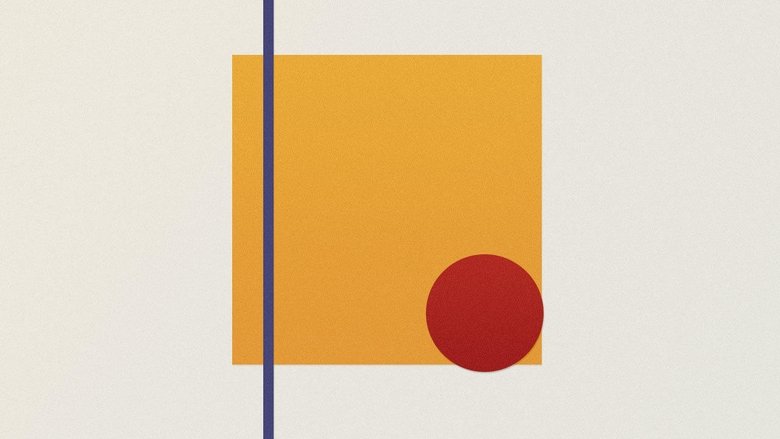
Animated work detailing the unrequited love that a line has for a dot, and the heartbreak that results due to the dot's feelings for a lively squiggle.
The film was produced applying mixed techniques on Super 8 film support.