
Canada Vignettes: Wop May (1979)
This short animated film is about Wop May, one of Canada's leading bush pilots in the 1920s.
This short animated film is about Wop May, one of Canada's leading bush pilots in the 1920s.
 Donald BrittainNarrator
An account of the last two centuries of the Anthropocene, the Age of Man. How human beings have progressed so much in such a short time through war and the selfish interests of a few, belligerent politicians and captains of industry, damaging the welfare of the majority of mankind, impoverishing the weakest, greedily devouring the limited resources of the Earth.
From growing potatoes in Green Park, London, to transforming rabbit crates into seed boxes – just a couple of the many ingenious ways of supporting the war effort which are covered in this film from the Ministry of Information.
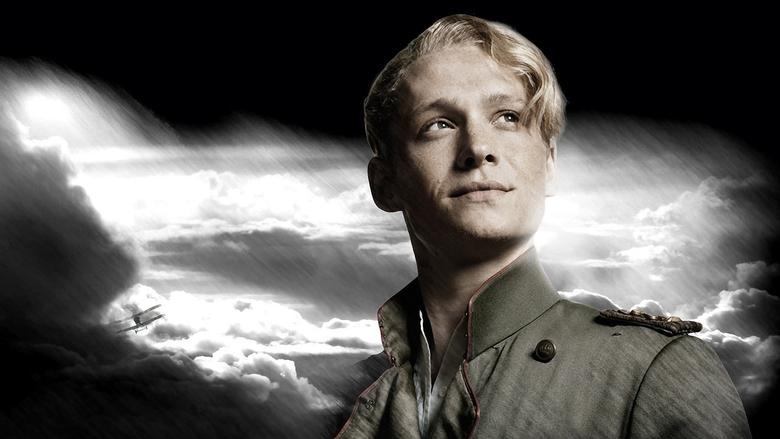
Richthofen goes off to war like thousands of other men. As fighter pilots, they become cult heroes for the soldiers on the battlefields. Marked by sportsmanlike conduct, technical exactitude and knightly propriety, they have their own code of honour. Before long he begins to understand that his hero status is deceptive. His love for Kate, a nurse, opens his eyes to the brutality of war.
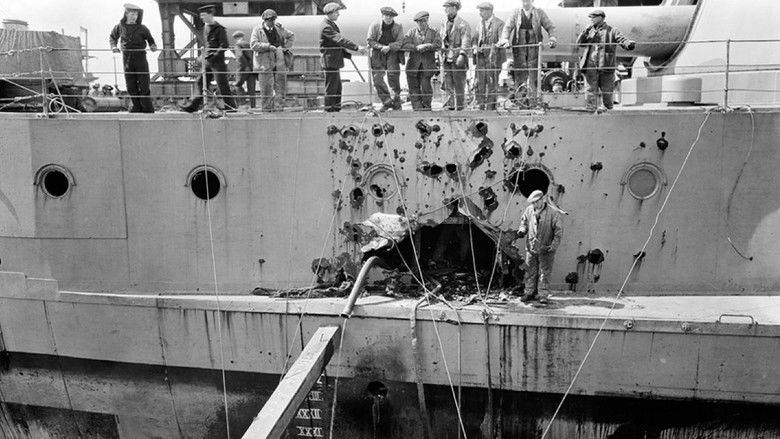
Documentary about the Battle of Jutland, a naval battle during World War I between the British and German fleets, which took place on 31 May and 1 June 1916 in the North Sea, off the west coast of Denmark. It re-creates the events of the battle and examines why the number of British warships that sank was so much higher than the number of German ships that were lost. Shown to commemorate the 100-year anniversary of the battle.
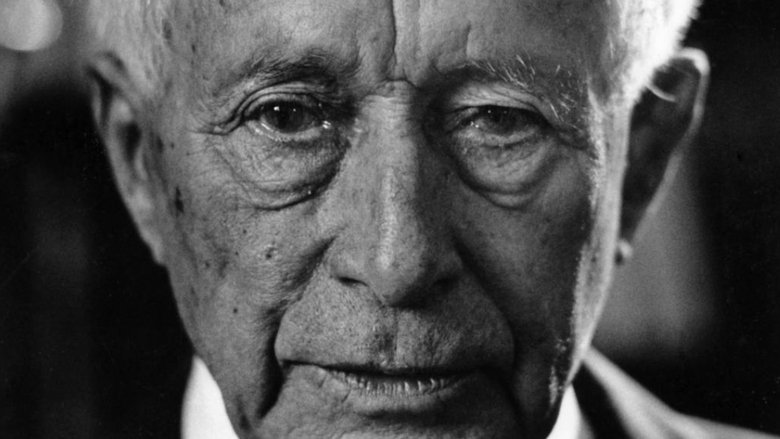
102 Years in the Heart of Europe: A Portrait of Ernst Jünger (Swedish: 102 år i hjärtat av Europa) is a Swedish documentary film from 1998 directed by Jesper Wachtmeister. It consists of an interview by the journalist Björn Cederberg with the German writer, philosopher and war veteran Ernst Jünger (1895-1998). Jünger talks about his life, his authorship, his interests and ideas. The actor Mikael Persbrandt reads passages from some of Jünger's works, such as Storm of Steel, The Worker, On the Marble Cliffs and The Glass Bees.
French soldiers injured in WWI are re-educated to learn new trades.
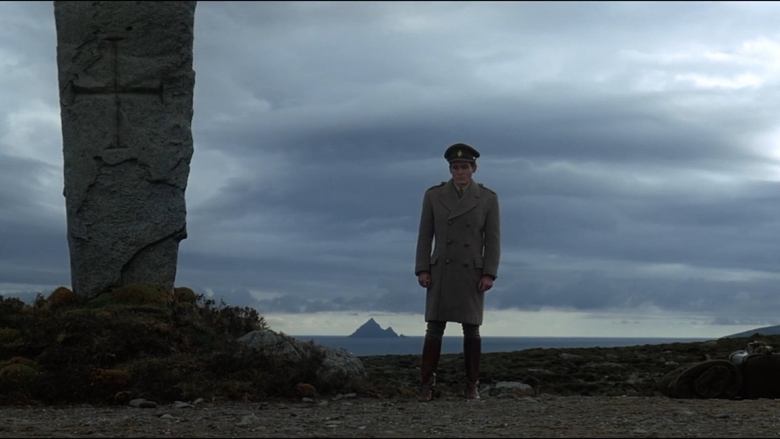
In the wake of the 1916 Easter Rising, a married schoolteacher in a small Irish village has an affair with a troubled British officer.
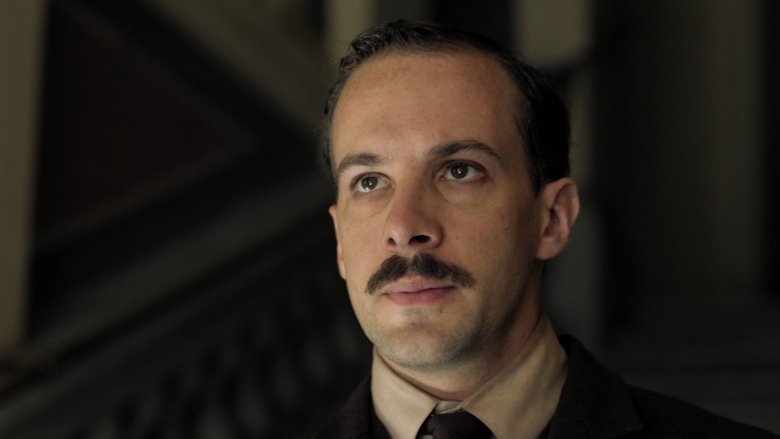
The events in Sarajevo in June 1914 are the backdrop for a thriller directed by Andreas Prochaska and written by Martin Ambrosch, focusing on the examining magistrate Dr. Leo Pfeffer (Florian Teichtmeister) investigating the assassination of Archduke Franz Ferdinand. Trying to do his job in a time of lawlessness and violence, intrigues and betrayal, Leo struggles to maintain his integrity and save his love, Marija, and her father, prominent Serbian merchant. But the events of Sarajevo have set into motion an inescapable course of events that will escalate to become … the Great War.
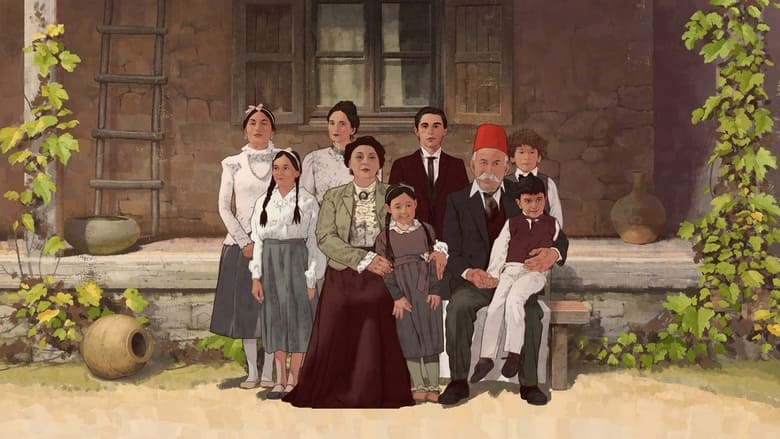
The story of how Aurora Mardiganian (1901-94), a survivor of the Armenian genocide perpetrated by the Ottoman Empire (1915-17), became a Hollywood silent film star.
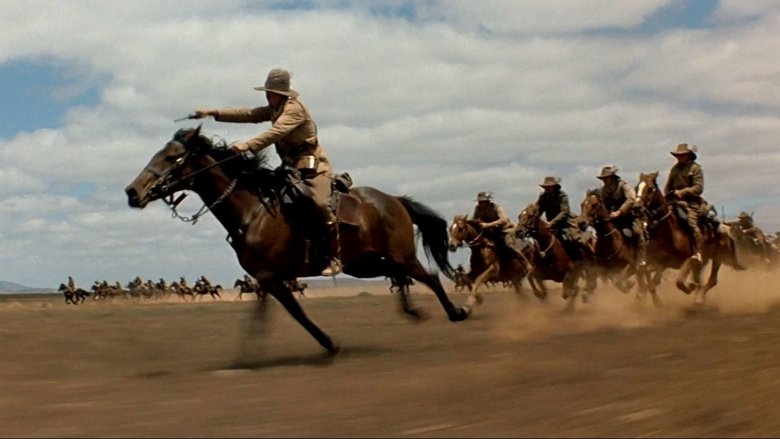
In 1917 when the British forces are bogged down in front of the Turkish and German lines in Palestine they rely on the Australian light horse regiment to break the deadlock.
This program provides, through 1st hand accounts & contemporary films & photographs, a rare insight into what really happened. Together with meticulously researched stories, it provides a unique analysis of the Gallipoli campaign, including never-seen before interviews with the last 10 Gallipoli Anzacs, rare film footage showing the beach & trenches at Gallipoli.
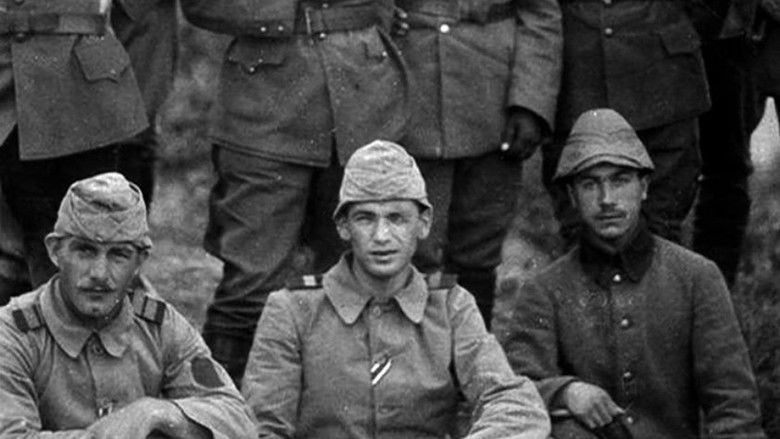
The Gallipoli campaign of World War I was so controversial & devastating, it changed the face of battle forever. Using diaries, letters, photographs and memoirs, acclaimed director, Tolga Ornek, traces the personal journeys of Australian, New Zealand, British and Turkish soldiers, from innocence and patriotism to hardship and heartbreak.
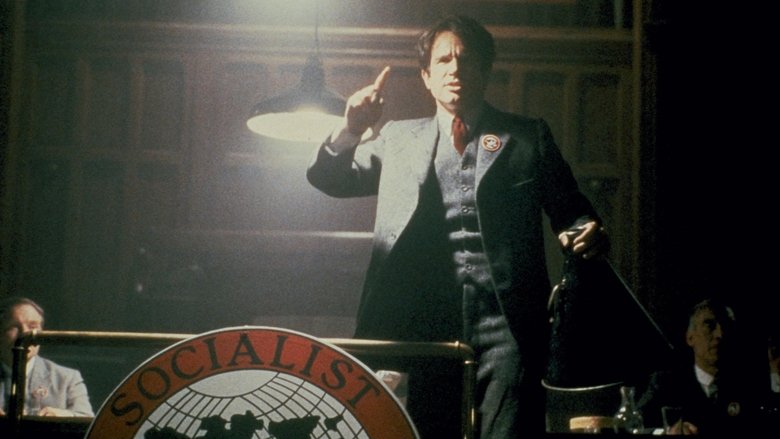
An account of the revolutionary years of the legendary American journalist John Reed, who shared his adventurous professional life with his radical commitment to the socialist revolution in Russia, his dream of spreading its principles among the members of the American working class, and his troubled romantic relationship with the writer Louise Bryant.
CBC News Newfoundland Labrador's documentary entitled “Trail of the Caribou” traces the journey of the brave men of the Newfoundland Regiment. Created to mark the 100th anniversary of the Battle of Beaumont-Hamel, the movie gives a detailed account of the role the Regiment played in the First World War, putting faces to the story. Since the War, Caribou statutes were constructed in Europe to memorialize the significant places the Newfoundland Regiment fought. Trail of the Caribou transports the viewers to these places to trace the footsteps of the Newfoundland soldiers.
"The Road to War" uses elaborate and fascinating computer-generated recreations and archives never seen before to examine how the assassination of Archduke Franz Ferdinand in 1914 was used by the Austro-Hungarian Empire to start a war against Serbia. The film investigates how this regional conflict involving the Central Powers and the Triple Entente escalated to become "World War I", a war with more than 17 million dead and More than 20 million injured.
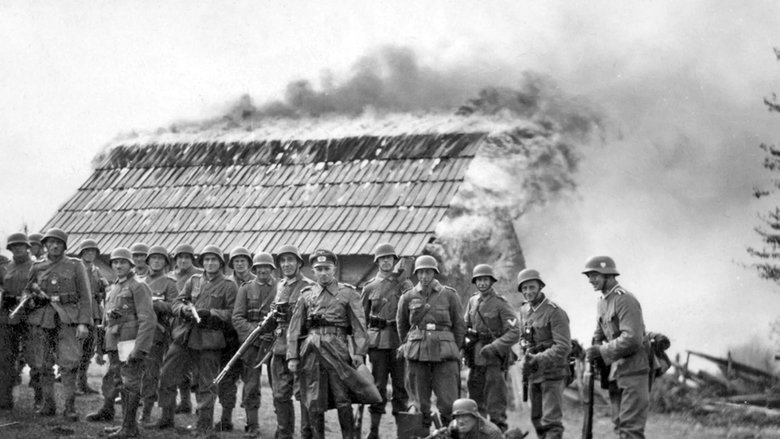
Between 1930 and 1945, Eastern Europe experienced mass violence on an unprecedented scale. Hitler and Stalin exploited the vast region for their respective expansionist plans. It is estimated that around 14 million civilians were murdered—primarily Jews, Poles, Balts, Belarusians, and Ukrainians.
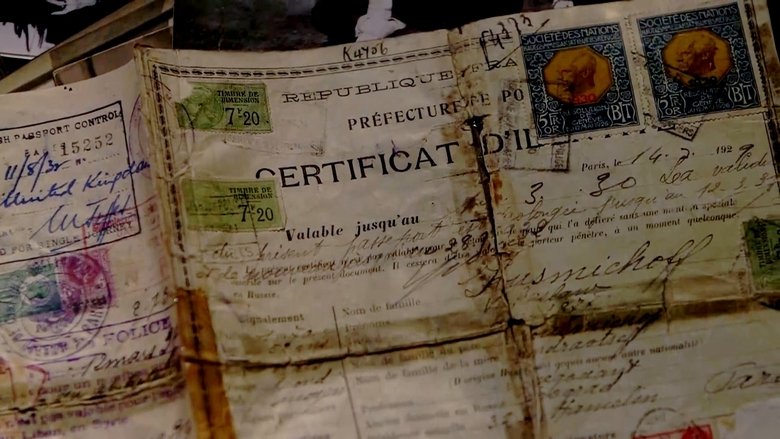
On July 5th, 1922, Norwegian explorer, scientist and diplomat Fridtjof Nansen creates a passport with which, between 1922 and 1945, he managed to protect the fundamental human rights as citizens of the world of thousands of people, famous and anonymous, who became stateless due to the tragic events that devastated Europe in the first quarter of the 20th century.
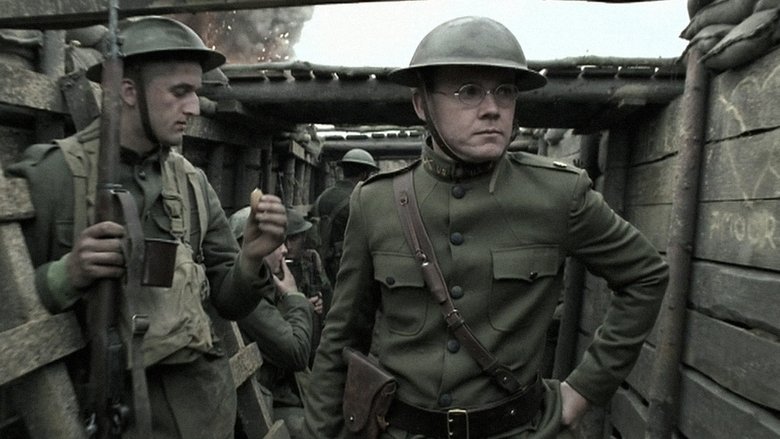
Fact-based war drama about an American battalion of over 500 men which gets trapped behind enemy lines in the Argonne Forest in October 1918 France during the closing weeks of World War I.
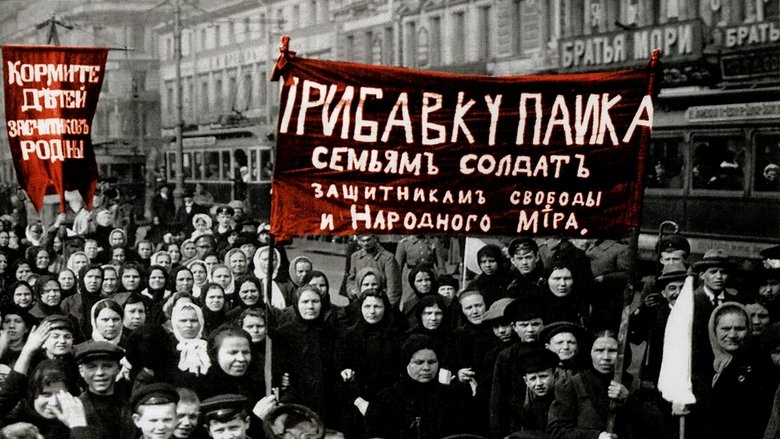
Vladimir Ilyich Ulyanov, better known as Lenin, is remembered as the instigator of the October Revolution of 1917 and, therefore, as one of the men who changed the shape of the world at that time and forever, but perhaps the actual events happened in a way different from that narrated in the history books…
To help prevent the unthinkable from ever coming true, it is important to know what could really happen....the most awesome and deadly display of warfare that the world has ever seen.