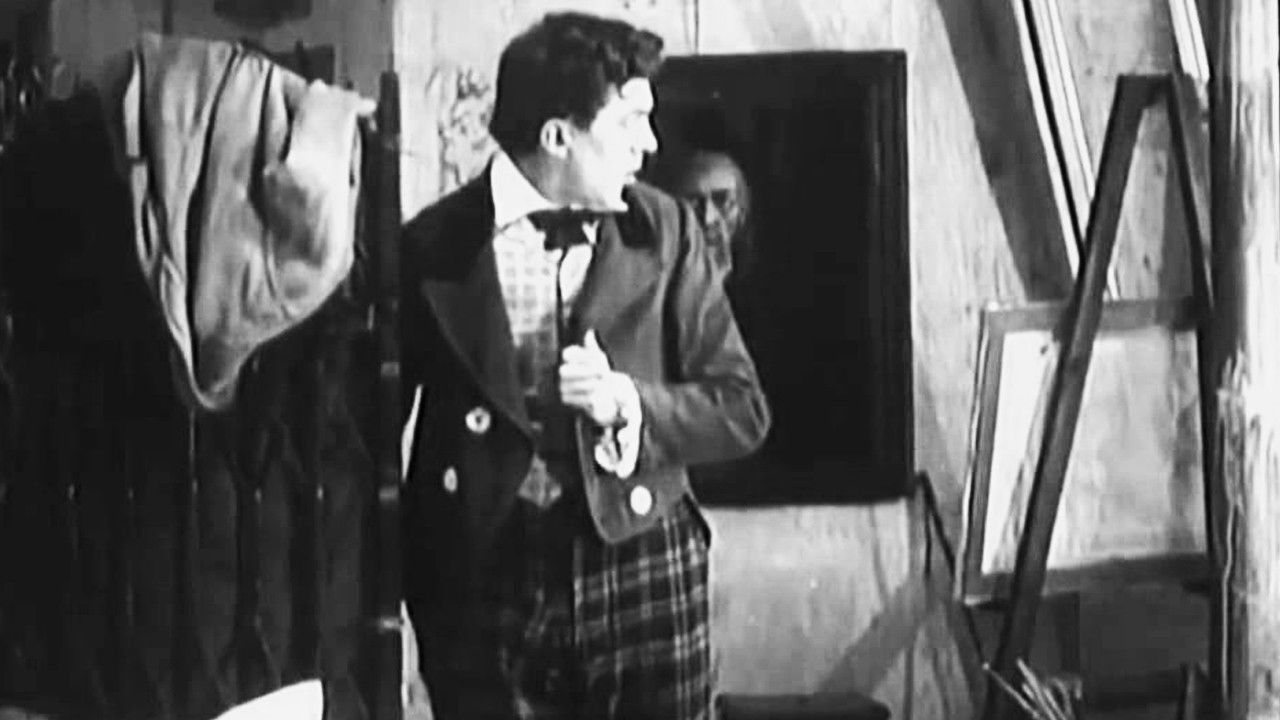
The Portrait (1915)
A man is increasingly unnerved by a mysterious portrait. Based on a story by Nikolai Gogol, the film is thought to have run about 45 minutes long, but only an 8 minute fragment is known to have survived.
A man is increasingly unnerved by a mysterious portrait. Based on a story by Nikolai Gogol, the film is thought to have run about 45 minutes long, but only an 8 minute fragment is known to have survived.
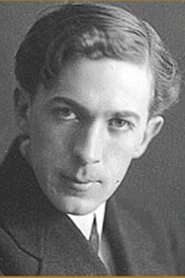 Andrey GromovPainter Chartkov
 Ivan LazarevThe pawnbrokerR. KrechetovNikolay GogolV. Vasilyev
The Drakenhjelm family has lived in the Rautakylä manor for over 150 years. The current master of the house, elderly baron Magnus, has been living for a long time in an unregistered relationship with his housekeeper Lisette, with whom he also has a son, Sebastian. After the baron falls gravely ill Lisette starts getting worried about losing everything, so with Sebastian on her side she demands the baron to write a letter to the pastor and ask him to come over to perform a wedding ceremony. Right after Sebastian has left to fetch the pastor, a threesome seeking shelter from the storm comes to the manor and wreaks havoc on the marriage plans.

The mysterious Count Orlok summons a happily married real estate agent to his castle, located up in the Transylvanian mountains, to finalise a terrifying deal.
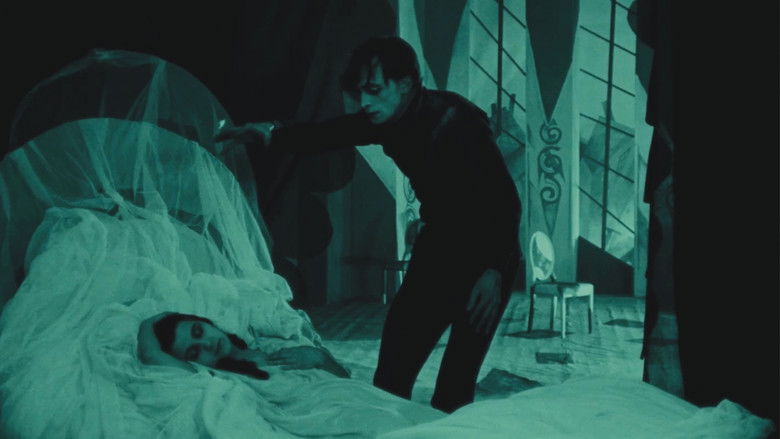
Francis, a young man, recalls in his memory the horrible experiences he and his fiancée Jane recently went through. Francis and his friend Alan visit The Cabinet of Dr. Caligari, an exhibit where the mysterious doctor shows the somnambulist Cesare, and awakens him for some moments from his death-like sleep.

Frankenstein, a young medical student, trying to create the perfect human being, instead creates a misshapen monster. Made ill by what he has done, Frankenstein is comforted by his fiancée; but on his wedding night he is visited by the monster.
Mad scientist, doctor Ten Brinken artificially inseminates a prostitute with a dead man's semen. The resulting child grows up to be a beautiful, evil woman who turns against her creator.
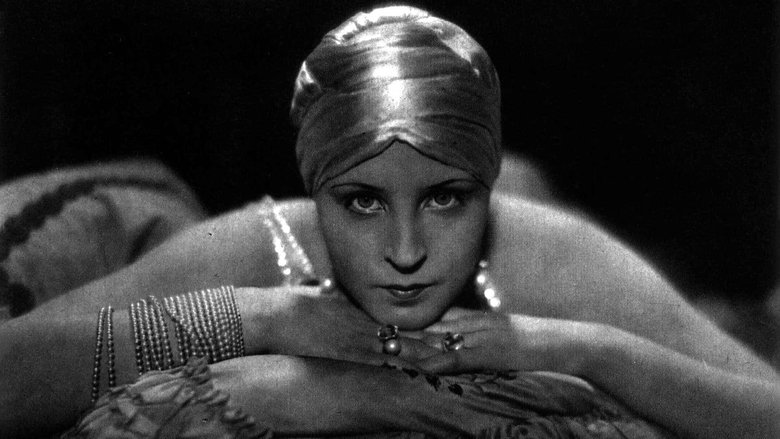
Hanns Heinz Ewers' grim science-fiction novel Alraune has already been filmed twice when this version was assembled in 1928. In another of his "mad doctor" roles, Paul Wegener plays Professor Brinken, sociopathic scientist who combines the genes of an executed murderer with those of a prostitute. The result is a beautiful young woman named Alraune (Brigitte Helm), who is incapable of feeling any real emotions -- least of all guilt or regret. Upon attaining adulthood, Alraune sets about to seduce and destroy every male who crosses her path. Ultimately, Professor Brinken is hoist on his own petard when he falls hopelessly in love with Alraune himself. Alraune was remade in 1930, with Brigitte Helm repeating her role, and again in 1951, with Hildegarde Knef as the "heroine" and Erich von Stroheim as her misguided mentor.

In 16th-century Prague, a rabbi creates the Golem - a giant creature made of clay. Using sorcery, he brings the creature to life in order to protect the Jews of Prague from persecution.
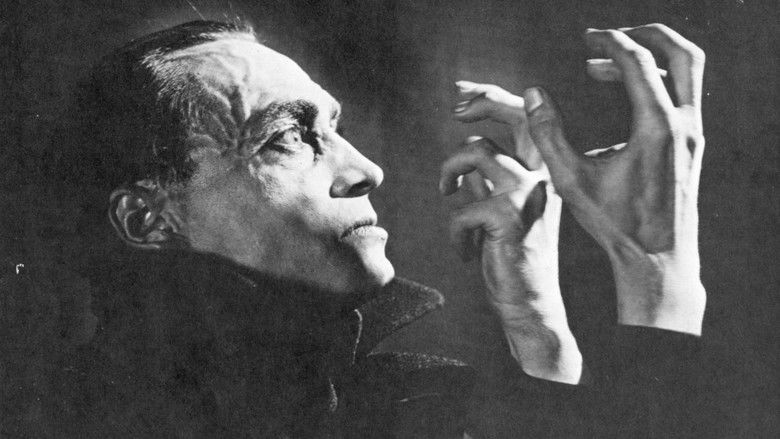
A world-famous pianist loses both hands in an accident. When new hands are grafted on, he is horrified to learn they once belonged to a murderer.
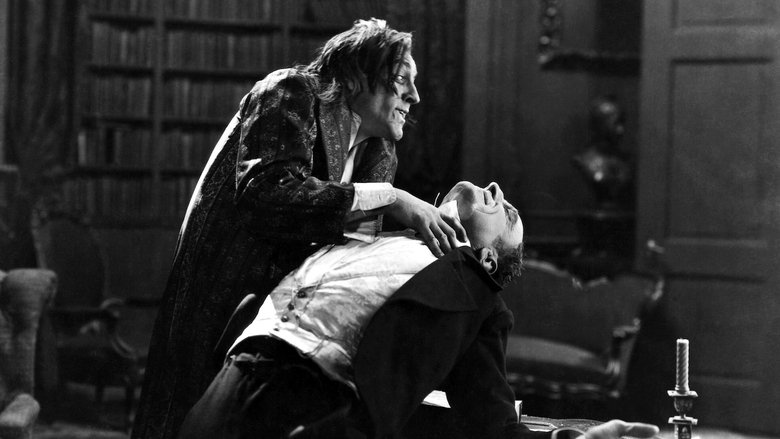
A doctor's research into the roots of evil turns him into a hideous depraved fiend.
In the surviving fragment of this film, over a game of chess, a man tells his wife the story of the ill-fated Lady Jane Grey, who reluctantly accepts the crown of England but insists on wielding power alone.
A german silent sci-fi movie by Harry Piel
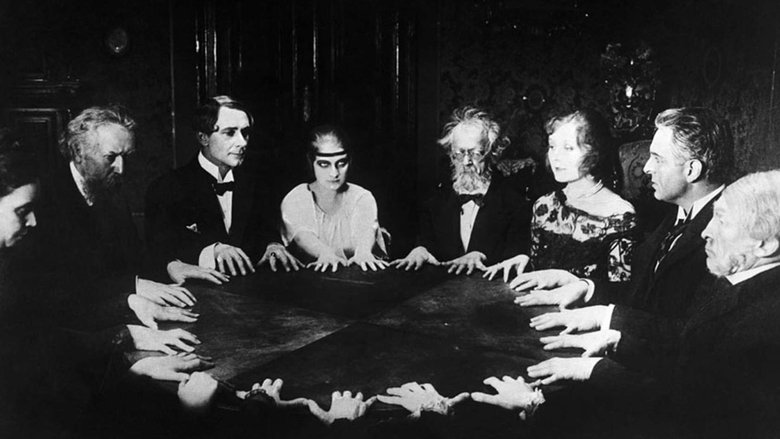
Dr. Mabuse and his organization of criminals are in the process of completing their latest scheme, a theft of information that will allow Mabuse to make huge profits on the stock exchange. Afterwards, Mabuse disguises himself and attends the Folies Bergères show, where Cara Carozza, the main attraction of the show, passes him information on Mabuse's next intended victim, the young millionaire Edgar Hull. Mabuse then uses psychic manipulation to lure Hull into a card game where he loses heavily. When Police Commissioner von Wenk begins an investigation of this mysterious crime spree, he has little to go on, and he needs to find someone who can help him.
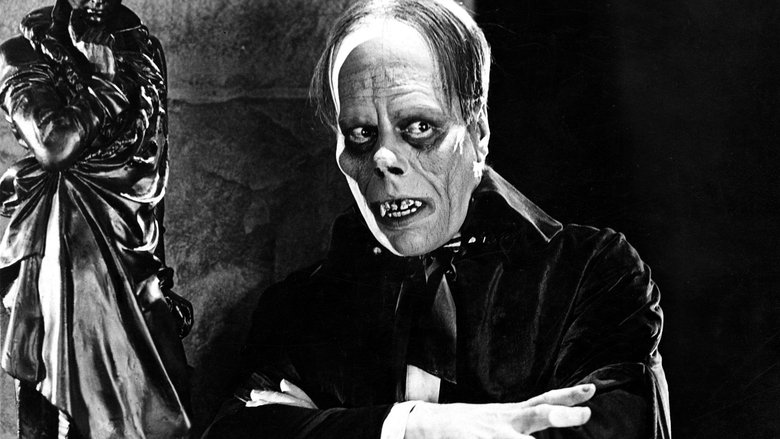
The deformed Phantom who haunts the Paris Opera House causes murder and mayhem in an attempt to make the woman he loves a star.
Lusilla Helm has to marry Baron Ludwig Von Reder against her will. But her honeymoon does not last very long. The poor girl dies and is buried inside the family tomb. After a short while, another woman announces herself at the doors of the baron's mansion. Her looks recall Lusilla's but in a disturbing way. As soon as the mysterious woman sets foot in the rooms where the baron's former wife used to live, strange noises and happenings start to haunt the silent halls of the house.
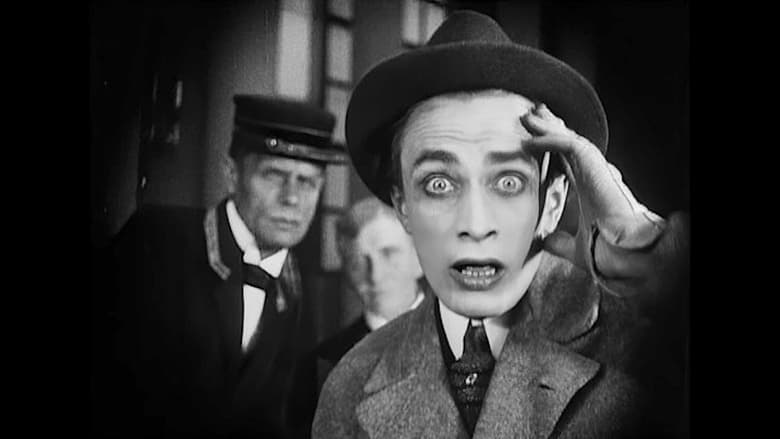
A demon, a reaper, and the ghost of a prostitute read gothic short stories and act them out.
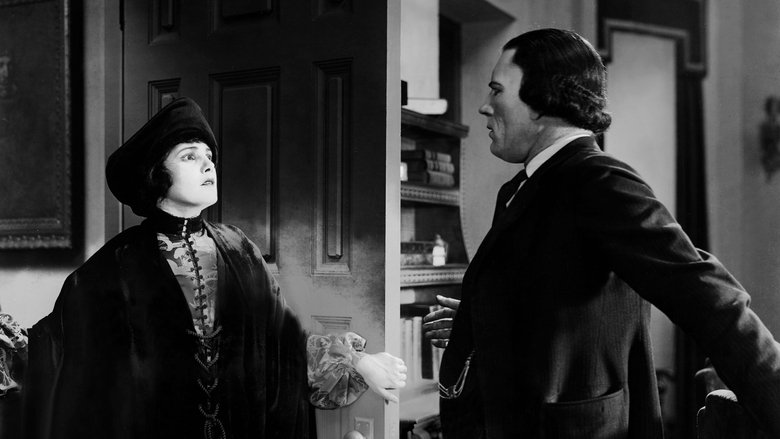
A romantic rivalry among members of a secret society becomes even more tense when one of the men is assigned to carry out an assassination.
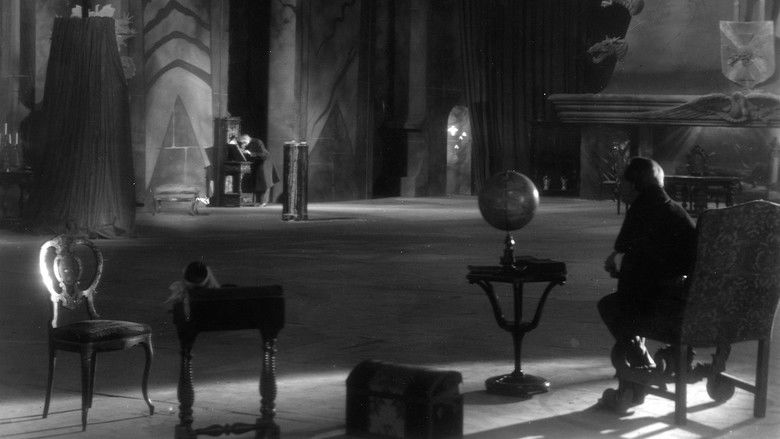
Convinced that his family is tainted by generations of evil, Roderick Usher is hellbent on stopping his sister Madeline’s wedding to prevent the cursed Usher bloodline from expanding. When her fiancé Allan arrives at the crumbling estate to claim his bride, Roderick goes to ruthless—even deadly—lengths to keep them apart.
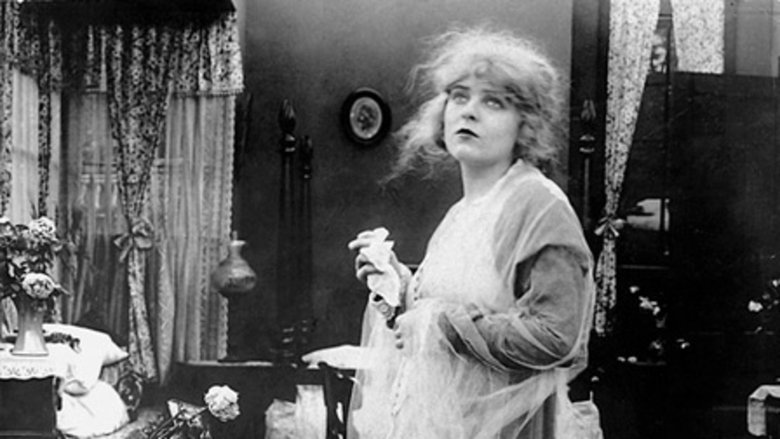
Thwarted by his despotic uncle from continuing his love affair, a young man's thoughts turn dark as he dwells on ways to deal with his uncle. Becoming convinced that murder is merely a natural part of life, he kills his uncle and hides the body. However, the man's conscience awakens; paranoia sets in and nightmarish visions begin to haunt him.

The Count sets out to make a private room for him and his Countess, built in such a way no one can see, hear, and most importantly, disturb them. But unbeknownst to the Count, his wife has set her eyes on the court minstrel. Based on Edgar Allan Poe's “The Cask of Amontillado” and Honoré de Balzac's “La Grande Breteche”.
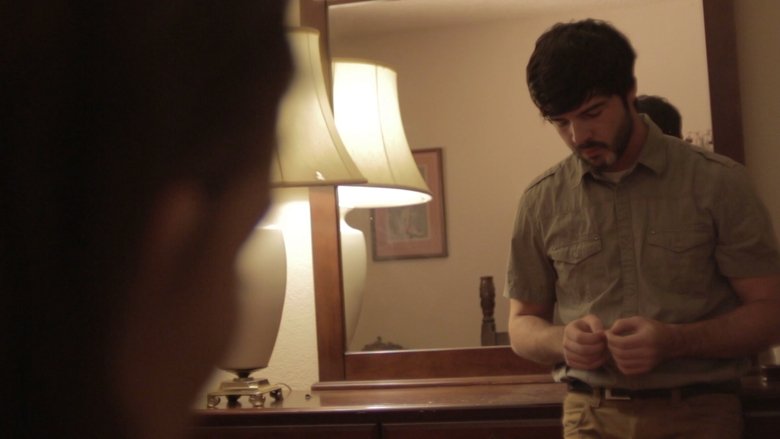
A new young couple struggles to keep their relationship afloat.