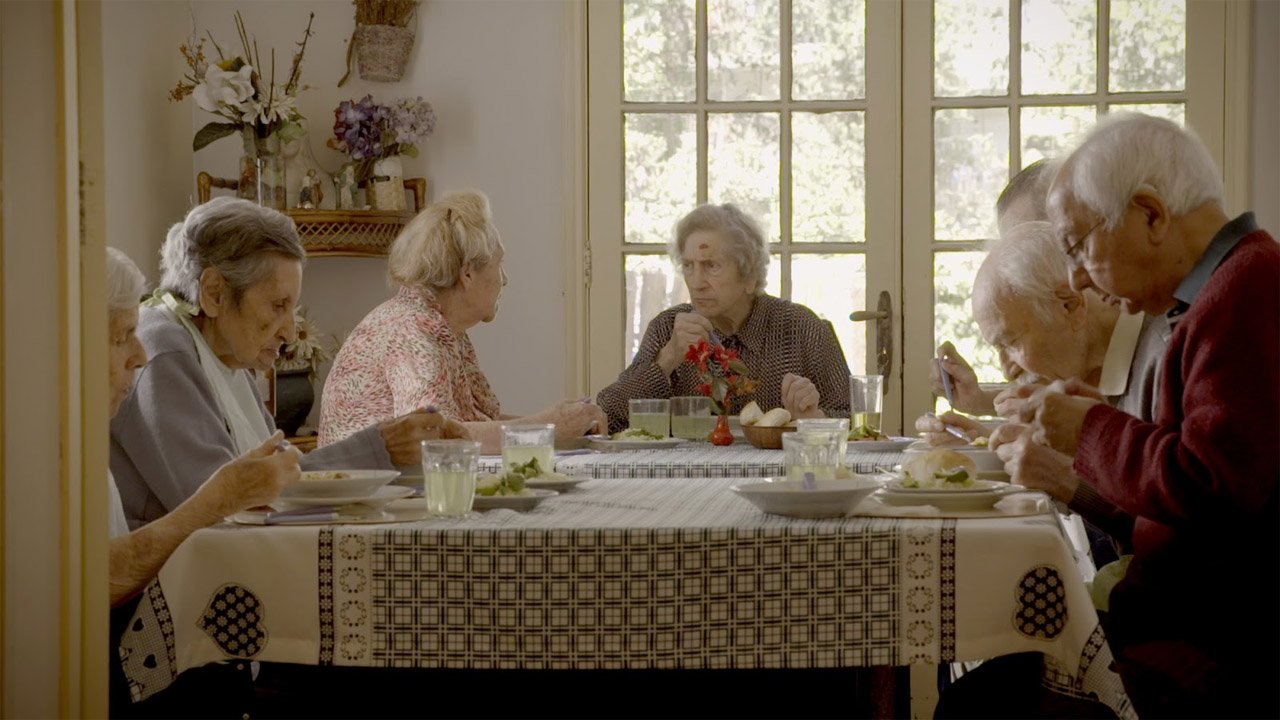
I'm Not From Here (2016)
Day after day, an elderly woman recalls the Spanish Basque country of her youth — while forgetting she is consigned to a retirement home in Chile.
Day after day, an elderly woman recalls the Spanish Basque country of her youth — while forgetting she is consigned to a retirement home in Chile.
 Josebe EchavegurenHerselfMario RosselotHimselfOscar SotomayorHimself
Five million Americans suffer from Alzheimer's disease and dementia—many of them alone in nursing homes. A man with a simple idea discovers that songs embedded deep in memory can ease pain and awaken these fading minds. Joy and life are resuscitated, and our cultural fears over aging are confronted.
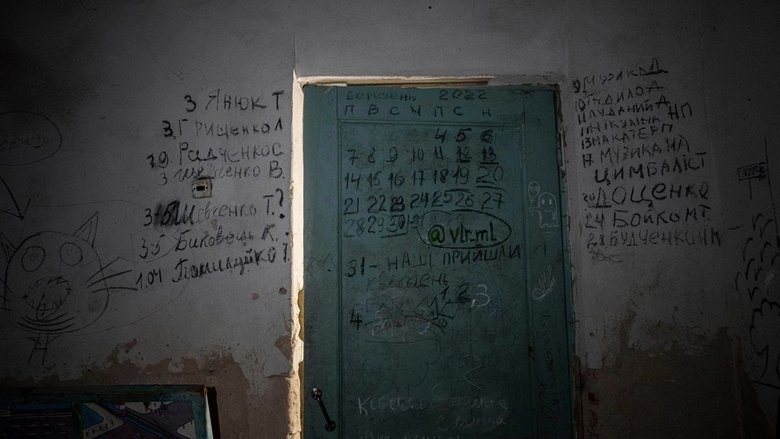
The village of Yahidne in northern Ukraine is coming back to life. Dogs are running around. Gardens and crops are green again. People support one another and families have reunited. In a movement of solidarity, local youth help rebuild what was devastated a year ago when Russian troops occupied the village imprisoning the villagers in the school's basement for a month. The villagers' attitudes alternate between their desire to move forward an remembering the horrors of the past. A heartwarming tribute to resilience and unity.
A documentary view of the Basque ball-game in which a small hard leather ball is hit against a wall. The film gives an impression of the game itself and of those who play it, not only the star performers (and the myths that surround them), but also those who just play in the streets and alleyways. The film sees the game it its cultural context and conveys the emotions and stories that are peculiar to the Basque country.
You might think that your memory is there to help you remember facts, such as birthdays or shopping lists. If so, you would be very wrong. The ability to travel back in time in your mind is, perhaps, your most remarkable ability, and develops over your lifespan. Horizon takes viewers on an extraordinary journey into the human memory. From the woman who is having her most traumatic memories wiped by a pill, to the man with no memory, this film reveals how these remarkable human stories are transforming our understanding of this unique human ability. The findings reveal the startling truth that everyone is little more than their own memory.
A film about Seth Rogen and his close relationship with Alzheimers, along with his “Hilarity for Charity” cause.

A documentary film detailing Glen Campbell's final tour and his struggle with Alzheimer's disease.
'Ama Lur' is a documentary, directed by Nestor Basterretxea and Fernando Larruquert, that premiered in San Sebastián in 1968, and it is considered the foundation of Basque cinema.
Filmmaker Cam Archer examines and explores his ordinary, suburban neighborhood in search of hidden truths, new narratives and a better understanding of his fading, creative self. Combining heavily degraded video with personal photographs and real life neighbors, Archer re-imagines the concept of 'home video'. In an attempt to distance himself from his subjects, actress Jena Malone narrates the piece as Archer in the first person.

In a village in Thailand, Pomm works in a care center for Europeans with Alzheimer's. While she is separated from her children, she helps Elisabeth during the final stages of her life, as Maya, a new patient, is on her way from Switzerland.
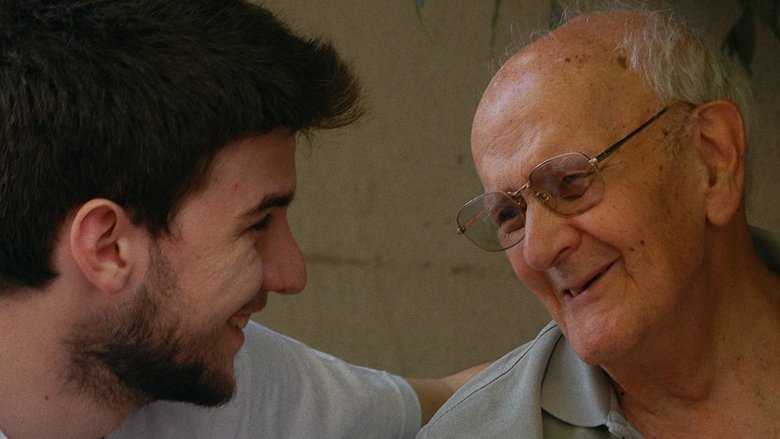
This short documentary sifts through the pages of a woman's diary who has recently begun to write her memoir. As she looks back at her life and some of her memories, the film explores the ordinary act of writing and the value and meaning it may hold in mundane everyday life.

With this inventive portrait, director Kirsten Johnson seeks a way to keep her 86-year-old father alive forever. Utilizing moviemaking magic and her family’s dark humor, she celebrates Dr. Dick Johnson’s last years by staging fantasies of death and beyond. Together, dad and daughter confront the great inevitability awaiting us all.

In October 2007, Pasqual Maragall was diagnosed with Alzheimer's. Once past the initial blow, he and his family embarked on a crusade against the disease. From the very first step, this film has grown into an extraordinary testament. With intelligence, sincerity and an infectious spirit, Maragall allows a portrait to be painted of not only himself, but also his family and his doctors, in order to leave behind a lasting document of his personal fight.

This documentary profiles the life and career of Pat Summitt, the NCAA's winningest basketball coach, who resigned from her post at the University of Tennessee in 2012 due to early-onset Alzheimer's disease.
Debate on the launch of Basque television (ETB, Euskal Telebista).
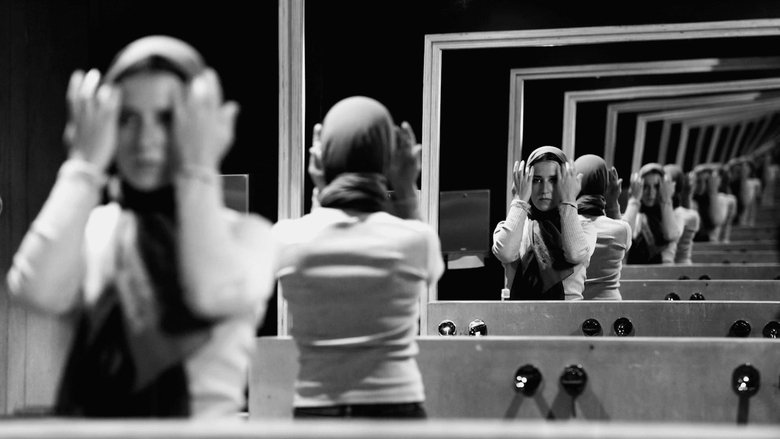
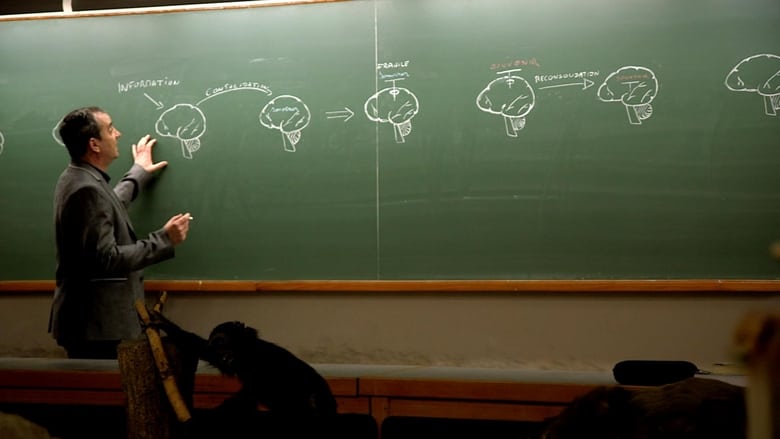
The lastest neuroscience discoveries show surprising results: false memories, distortion, modification, déjà vus. Our memory is affected in many ways, and deceives us every day. The very fact of recalling souvenirs modifies them. The everyday consequences are manyfold. To what extent can we rely on our souvenirs? How much credit can we give them during trials? Even more shocking, scientists have proved to be able to manipulate our memory: creating artificial souvenirs, deleting, emphasizing or restoring them on demand.

In a quiet village in southern China, Fang Xiuying is sixty-seven years old. Having suffered from Alzheimer's for several years, with advanced symptoms and ineffective treatment, she was sent back home. Now, bedridden, she is surrounded by her relatives and neighbors, as they witness and accompany her through her last days.
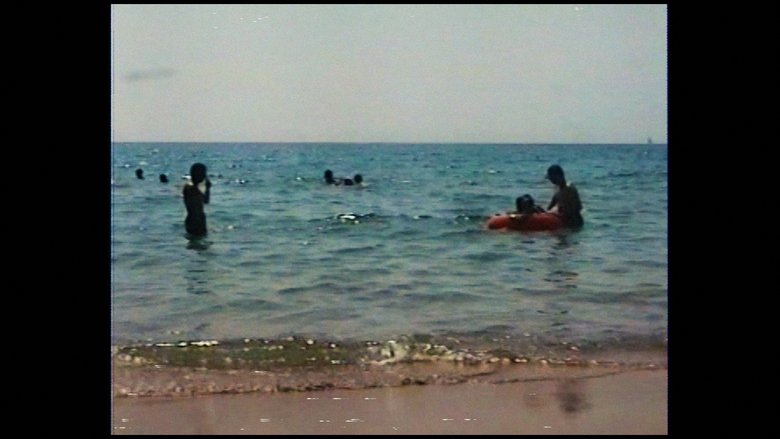
RE:MEMBER is a documentary, split into three chapters, that provides insights into the topics of memory, media, and history, specifically through the lens of two millennial participants. Through their testimonies and introspections, we start to see the rift between the media they were nostalgic for and the reality we currently live in. They also consider how our current attitudes towards media have shaped our previous environments and how we can change society to better our future generations.
In California's Bay Area, a painful memory lingers of the Port Chicago disaster of WWII, when hundreds of the Navy's first Black Sailors perished, and the White officers in charge were protected by the chain of command.