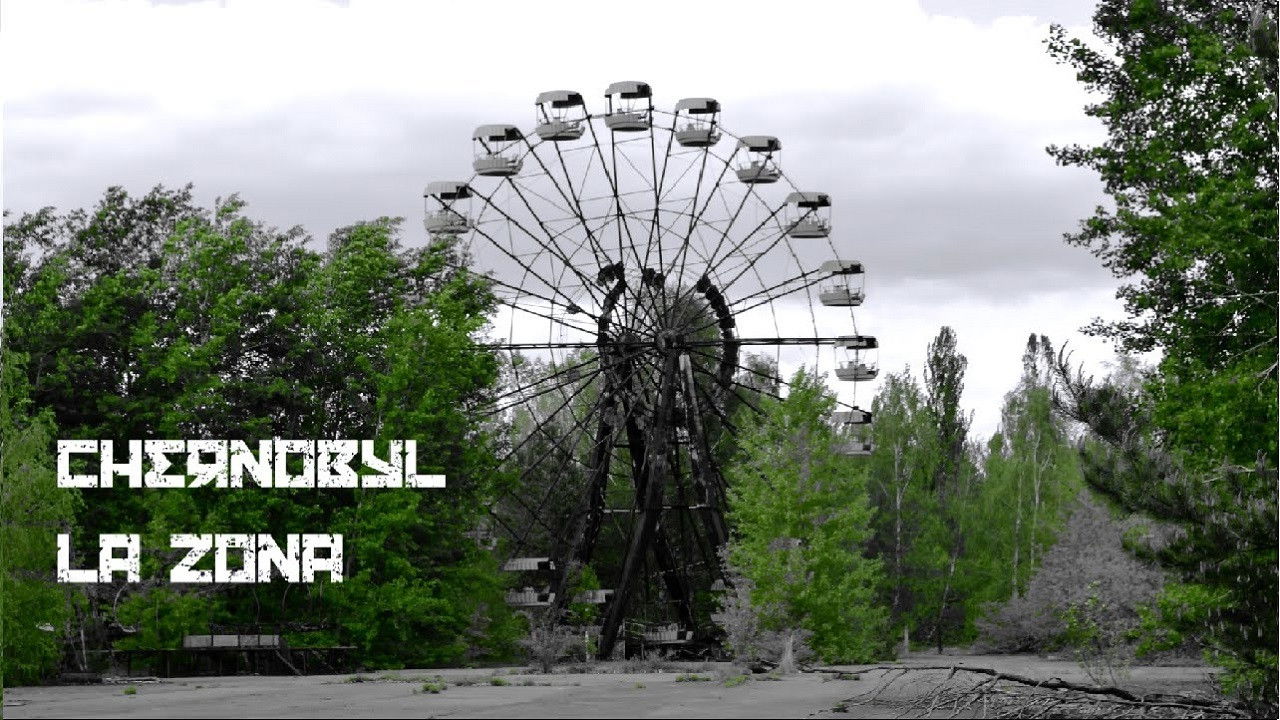
Similar to Chernobyl: The Zone

Koyaanisqatsi (1983)
Takes us to locations all around the US and shows us the heavy toll that modern technology is having on humans and the earth. The visual tone poem contains neither dialogue nor a vocalized narration: its tone is set by the juxtaposition of images and the exceptional music by Philip Glass.
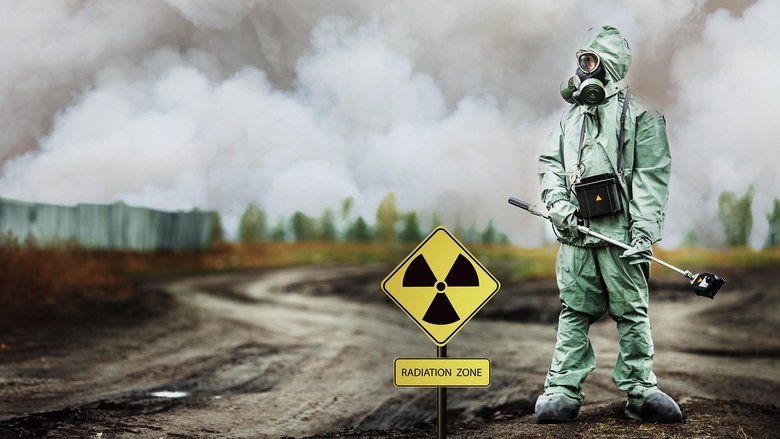
Chernobyl, Fukushima: Living with the Legacy (2016)
30 years after the Chernobyl catastrophe and 5 years after Fukushima it is time to see what has been happening in the “exclusion zones” where the radioactivity rate is far above normal.

Life After People (2008)
In this special documentary that inspired a two-season television series, scientists and other experts speculate about what the Earth, animal life, and plant life might be like if, suddenly, humanity no longer existed, as well as the effect humanity's disappearance might have on the artificial aspects of civilization.

Poisoned Ground: The Tragedy at Love Canal (2024)
Poisoned Ground: The Tragedy at Love Canal tells the dramatic and inspiring story of the ordinary women who fought against overwhelming odds for the health and safety of their families. In the late 1970s, residents of Love Canal, a working-class neighborhood in Niagara Falls, New York, discovered that their homes, schools and playgrounds were built on top of a former chemical waste dump, which was now leaking toxic substances and wreaking havoc on their health. Through interviews with many of the extraordinary housewives turned activists, the film shows how they effectively challenged those in power, forced America to reckon with the human cost of unregulated industry, and created a grassroots movement that galvanized the landmark Superfund Bill.
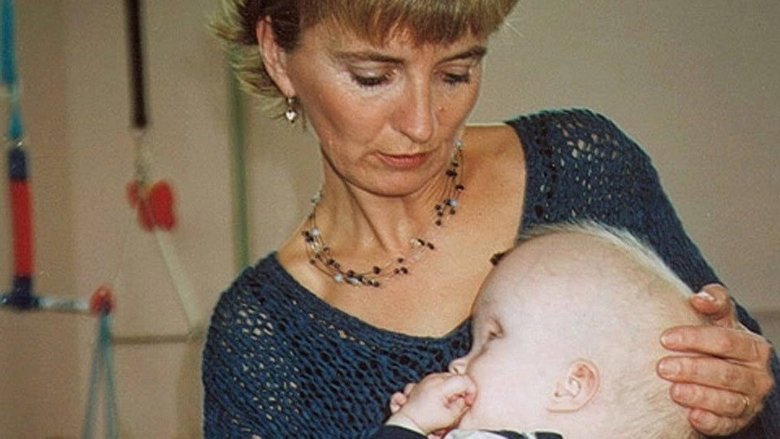
Chernobyl Heart (2003)
This Academy Award-winning documentary takes a look at children born after the 1986 Chernobyl nuclear plant disaster who have been born with a deteriorated heart condition.
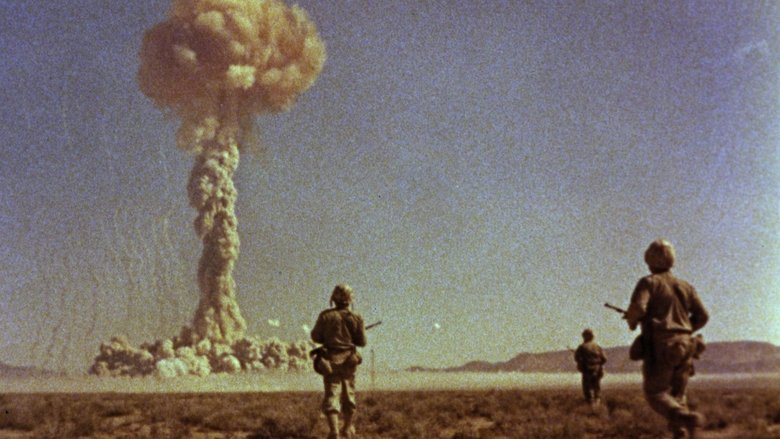
The Atomic Cafe (1982)
A disturbing collection of 1940s and 1950s United States government-issued propaganda films designed to reassure Americans that the atomic bomb was not a threat to their safety.
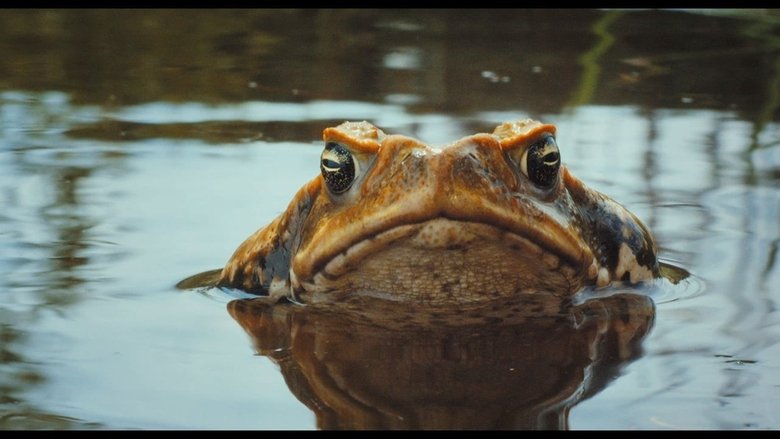
Cane Toads: The Conquest (2010)
Cane Toads: The Conquest is a comic yet provocative account of Australia’s most notorious environmental blunder from filmmaker Mark Lewis. Shot against the harsh and beautiful landscape of northern Australia, Cane Toads: The Conquest tracks the unstoppable journey of the toad across the continent. Director Mark Lewis (Cane Toads: An Unnatural History, The Natural History of the Chicken) injects his trademark irreverence and humor into the story as he follows a trail of human conflict, bizarre culture and extraordinary close encounters. Filmed with high-resolution 3D technology, Cane Toads is the first Australian digital 3D feature film. Custom designed equipment allows viewers to get up close and personal with these curious creatures like never before. The unique viewing experience is like being immersed in the world of the toad.
Heavy Water: A Film for Chernobyl (2007)
On April 26th, 1986, reactor four at Chernobyl nuclear power station explodes, sending an enormous radioactive cloud over Northern Ukraine and neighbouring Belarus. The danger is kept a secret from the rest of the world and the nearby population who go about their business as usual. May Day celebrations begin, children play and the residents of Pripyat marvel at the spectacular fire raging at the reactor. After three days, an area the size of England becomes contaminated with radioactive dust, creating a 'zone' of poisoned land. Based on Mario Petrucci's award-winning book-length poem (split over two books), 'Heavy Water: a film for Chernobyl', and the shorter version 'Half Life: a Journey to Chernobyl", tells the story of the people who dealt with the disaster at ground-level: the fire-fighters, soldiers, 'liquidators', and their families.
Poliske Nets (2021)
Poliske was contaminated with radioactive material after the 1986 Chornobyl disaster. Soviet authorities did everything they could to erase the ancient history of this town, and after Chornobyl, they destroyed its future.
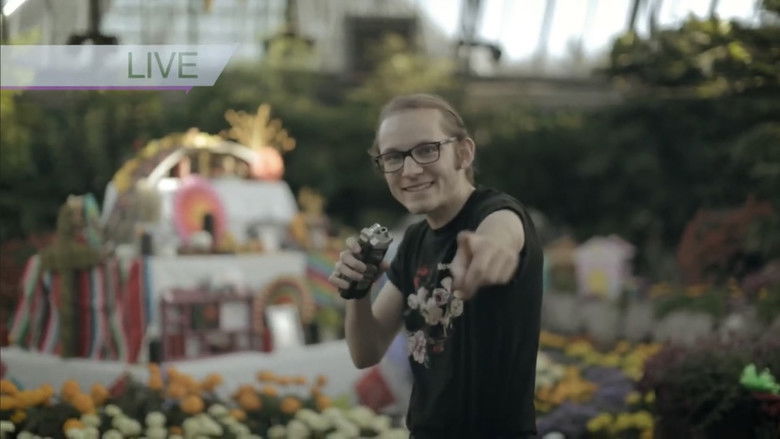
Goblin Boy News (2018)
A low budget news show is interrupted by the apocalypse.
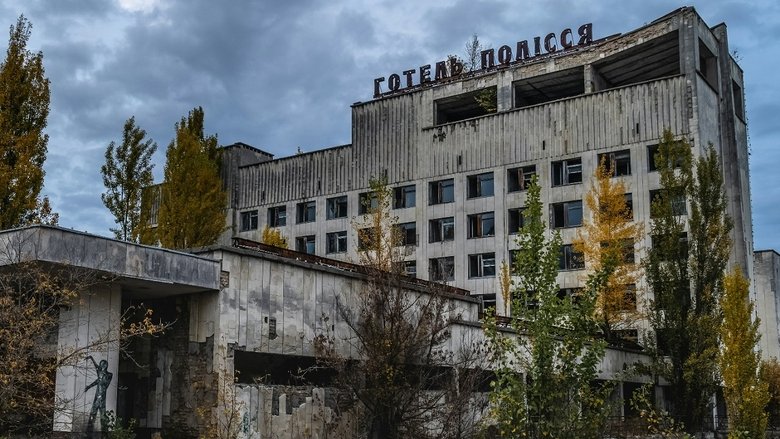
Chernobyl: Countdown to Armageddon (2024)
Ben Fogle narrates a detailed film revealing the crucial events that led to the 1986 nuclear accident in Ukraine, as Chernobyl Power Plant Reactor 4 exploded with devastating consequences.
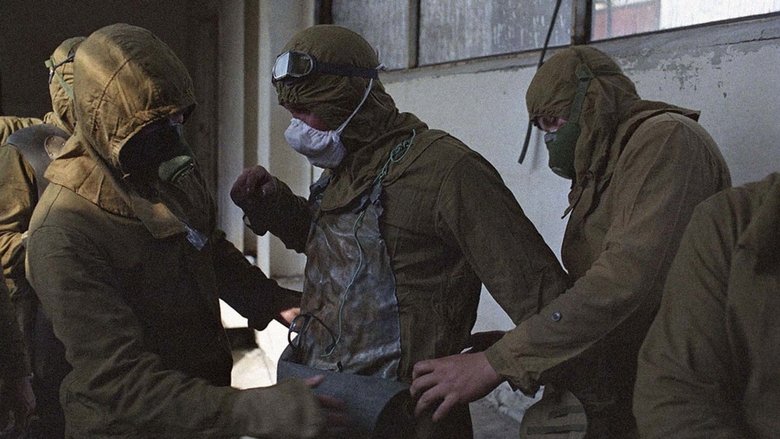
The Battle of Chernobyl (2007)
On April 26, 1986, a 1,000 feet high flame rises into the sky of the Ukraine. The fourth reactor of the Chernobyl nuclear power plant just exploded. A battle begins in which 500,000 men are engaged throughout the Soviet Union to "liquidate" the radioactivity, build the "sarcophagus" of the damaged reactor and save the world from a second explosion that would have destroyed half of Europe. Become a reference film, this documentary combines testimonials and unseen footage, tells for the first time the Battle of Chernobyl.
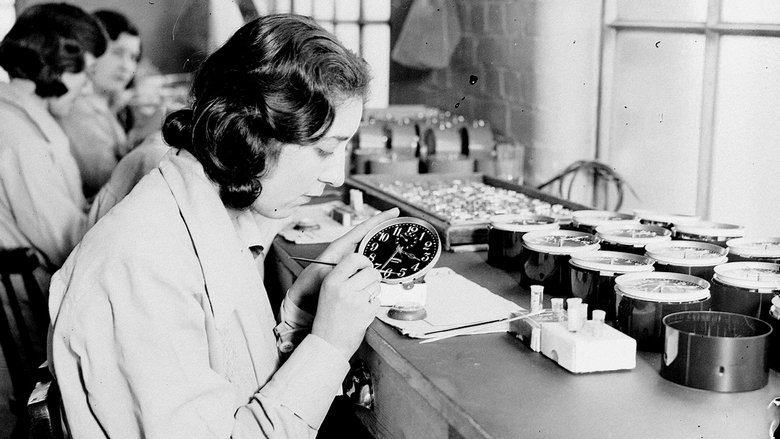
100 Years of the Atom (2020)
The exciting story of the splitting of the atom, a scientific breakthrough of incalculable importance that ushered in the nuclear age, has a dark side: the many events in which people were exposed to radiation, both intentionally and by accident.
The Russian Woodpecker (2015)
As his country is gripped by revolution and war, a Ukrainian victim of the Chornobyl nuclear disaster discovers a dark secret and must decide whether to risk his life and play his part in the revolution by revealing it.
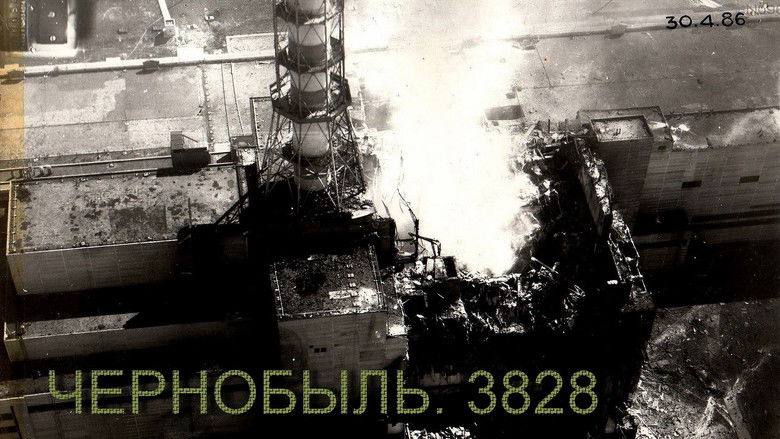
Chernobyl.3828 (2011)
Military people call such places "FRONTLINE", liquidators who worked at the Chernobyl nuclear station called it "ROOF COATING". It was the most contaminated, and therefore the most dangerous, place in the zone. The remains of the roof coating of the 4th reactor. The operation on decontaminating the roof lasted more than five months. We will tell about only two days. About the most important two days in the life of an explorer - dosimetrist Valeriy Starodumov. He participated in this operation until it was over. He himself came out to the roof and led people there. He himself planted the "victory banner" at the level of 75 meters, as the signal for the zone: the roof coating has been decontaminated! Now, 25 years later, Valeriy Starodumov comes back to the zone. Now Chernobyl is a tourist object. But not for him...
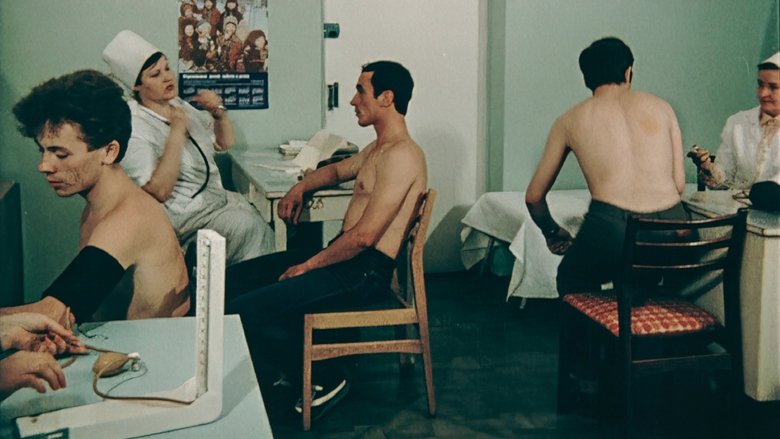
Chernobyl: The Lost Tapes (2022)
Thirty-six years after the Chernobyl nuclear reactor exploded in Soviet Ukraine, newly uncovered archival footage and recorded interviews with those who were present paint an emotional and gripping portrait of the extent and gravity of the disaster and the lengths to which the Soviet government went to cover up the incident, including the soldiers sent in to “liquidate” the damage. Chernobyl: The Lost Tapes is the full, unvarnished true story of what happened in one of the least understood tragedies of the twentieth century.
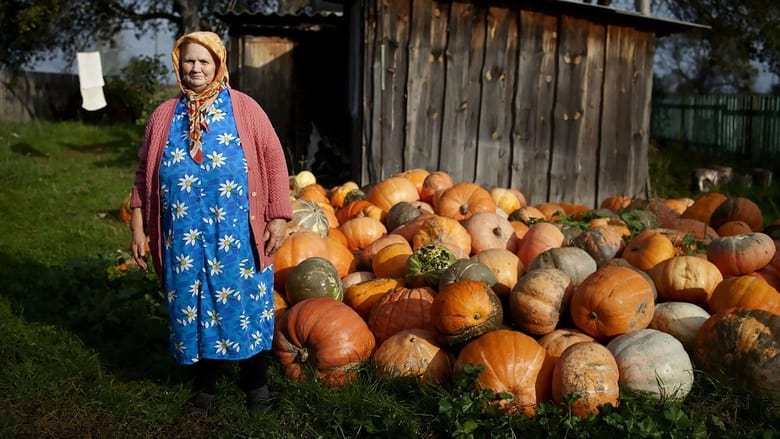
The Babushkas of Chernobyl (2015)
Some 200 women defiantly cling to their ancestral homeland in Chernobyl’s radioactive “Exclusion Zone.”
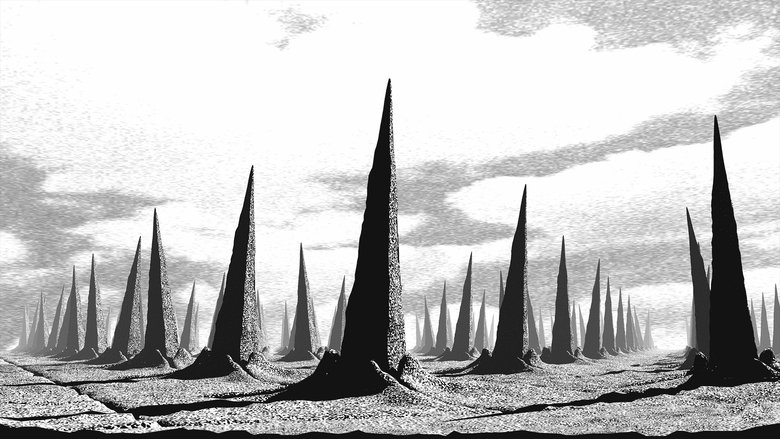
Containment (2015)
Every nuclear weapon made, every watt of electricity produced from a nuclear power plant leaves a trail of nuclear waste that will last for the next four hundred generations. We face the problem of how to warn the far distant future of the nuclear waste we have buried --but how to do it? How to imagine the far-distant threats to the sites, what kinds of monuments can be built, could stories or legends safeguard our descendants? Filmed at the only American nuclear burial ground, at a nuclear weapons complex and in Fukushima, the film grapples with the ways people are dealing with the present problem and imagining the future. Part observational essay, part graphic novel, this documentary explores the idea that over millennia, nothing stays put.
Fukushima: A Nuclear Story (2015)
A powerful documentary that sheds some light on what really happened at the Fukushima nuclear power plant after the 2011 earthquake and the tsunami that immediately followed. A powerful documentary - shot from March 11th, 2011 through March 2015 - that sheds some light on what really happened at the Fukushima nuclear power plant after the 2011 earthquake and the tsunami that followed.
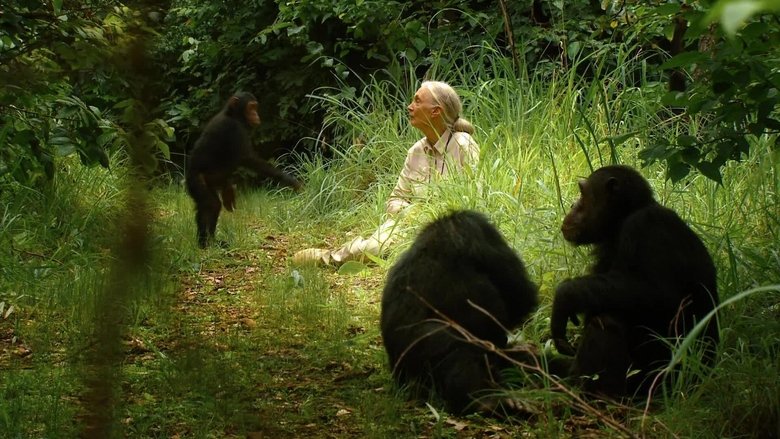
Jane's Journey (2011)
It would be hard to name anyone who has had more of an impact in the realm of animal research and wildlife conservation than Jane Goodall, whose 45 year study of wild chimpanzees in Africa is legendary. In Jane's Journey, we travel with her across several continents, from her childhood home in England, to the Gombe National Park in Tanzania where she began her groundbreaking research and where she still returns every year to enjoy the company of the chimpanzees that made her famous. Featuring a wide range of interviews and spectacular footage from her own private collection, Jane's Journey is an inspiring portrait of the private person behind the world-famous icon.