
This is How the Obelisk Was Born (1936)
The construction of the Obelisco in Buenos Aires, Argentina.
The construction of the Obelisco in Buenos Aires, Argentina.

An overview of the night in which the Argentine Congress voted on the "Draft Law on Withholdings and Creation of the Social Redistribution Fund", also known as "Resolution 125/08". Released on the 10th year anniversary of the rejection of the resolution.
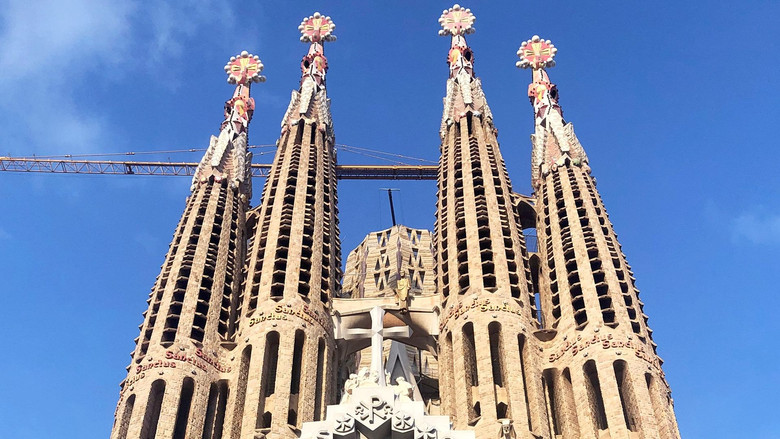
Combining real footage, archival footage, fiction and 3D modeling, this unseen documentary traces the history of this spectacular and unfinished work.

Through archive footage and images as well as interviews, the movie paints the portrait of a legendary trans womens' rights activist in Argentina. Like a family album to flip through, the narrative charts the ties solidarity and mutual aid create between people of the LGBTQI+ community and the long road to make the personal political, during the brutal 1980s in latin America.
Universam Grochów was a now-defunct shopping and service mall that emerged in the 1970s in Warsaw's Praga-Południe district. This department store functioned as a shopping center and a hub for the social life of right-bank Warsaw. At the end of 2016, the iconic building was demolished. The film captures the final moments of the enterprise, with long-term and dedicated employees guiding us through its corridors. Their approach to work and economic model make Universam a living museum and a phenomenon at the intersection of urban planning and sociology. We also see the significant void left in the local community by the building's demolition.
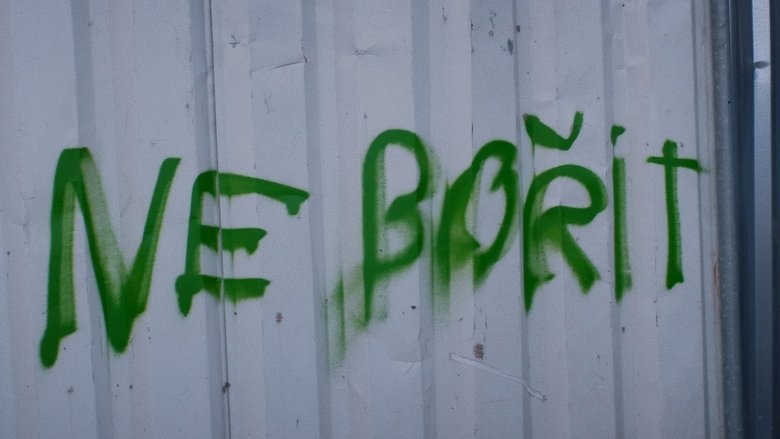
Vladimir 518, uncompromising rapper, artist, stage designer and activist, is a rare phenomenon, who not only writes books, but publishes them as well. Today also a respected authority primarily on pre-1989 architecture, he has written not only a major publication on the subject, but also the story for two audiovisual works treating the same theme, which were shot by Jan Zajíček, renowned director of music videos. In addition to the recent TV series we have the eagerly anticipated feature-length film which, through its fascinating and impressive exploration of Czech and Slovak architecture of the latter half of the 20th century, offers exclusive insight into extraordinary buildings and unique individuals living below the Tatra Mountains. Karel Och (kviff.com)
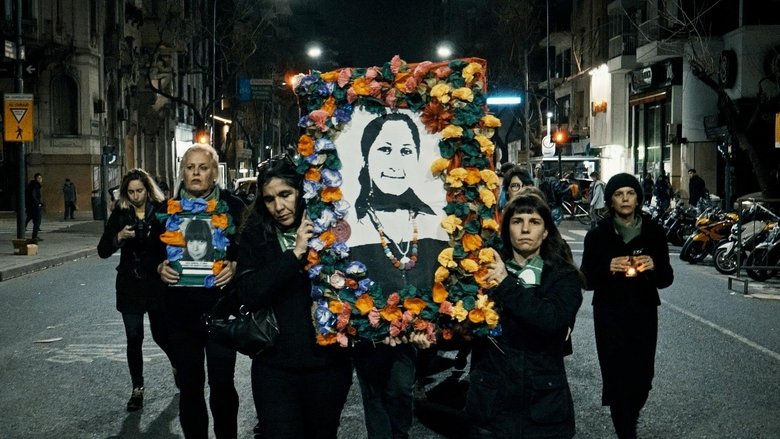
In Argentina, a woman dies every week as the result of illegal abortions. In 2018, for the seventh time, a motion supporting legal, secure and free abortion was presented to the national congress of Argentina. The project provoked a fierce debate, revealing a society divided more than ever between the pro-life and freedom to choose positions. Through an assemblage of passionate testimonies, Let It Be Law documents the determination of women fighting bravely to secure the right to physical self-determination, and bears witness to their massive mobilization in the streets of Buenos Aires.
An intimate portrait of Christopher Alexander, a critic of modern architecture on a lifelong quest to build harmonious, livable places in today’s world. The film tells the story of two projects – a spectacular high school in Japan and an innovative homeless shelter in California. For Alexander, feelings come first, users are deeply engaged and process is paramount. We discover what happens when an architect’s unconventional method collides with standard practices in his profession.
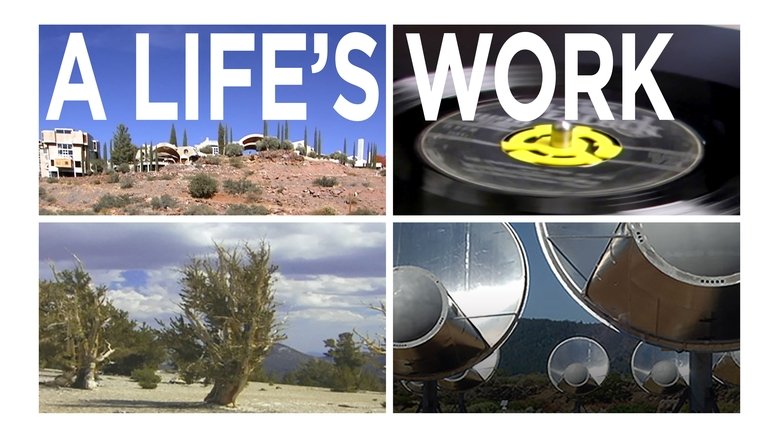
What’s it like to dedicate your life to work that won’t be completed in your lifetime? Fifteen years ago, filmmaker David Licata focused on four projects and the people behind them in an effort to answer this universal question.
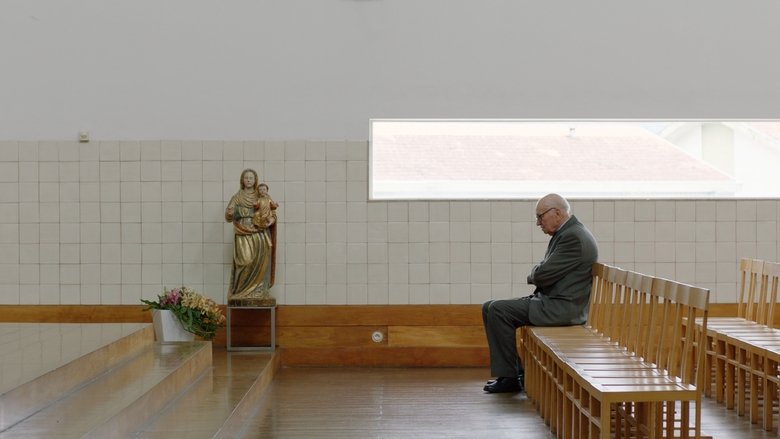
How can structures, which take up defined, rigid portions of space, make us feel transcendence? How can chapels turn into places of introspection? How can walls grant boundless freedom? Driven by intense childhood impressions, director Christoph Schaub visits extraordinary churches, both ancient and futuristic, and discovers works of art that take him up to the skies and all the way down to the bottom of the ocean. With the help of architects Peter Zumthor, Peter Märkli, and Álvaro Siza Vieira, artists James Turrell and Cristina Iglesias, and drummer Sergé “Jojo” Mayer, he tries to make sense of the world and decipher our spiritual experiences using the seemingly abstract concepts of light, time, rhythm, sound, and shape. The superb cinematography turns this contemplative search into a multi-sensory experience.

A captivating story that takes you inside the heart of the Argentina national team camp of "La Albiceleste". Witness the incredible moments since they added a third star to their iconic jersey. Listen to their unique perspectives as they reflect on an unforgettable tournament, sharing the deep sense of connection that winning has forged between them and a nation behind them. A story about passion, dedication, and unity that make Argentina's victory truly memorable.
In this documentary film a team of researchers examine the social contexts that influenced the emergence and permanence of heavy metal music in Chile, Argentina, Mexico and Peru. Colonialism, dictatorships, terrorism and neoliberal exploitation serve as points of reference for how heavy metal in the region has been directly linked to each country's social and political context.
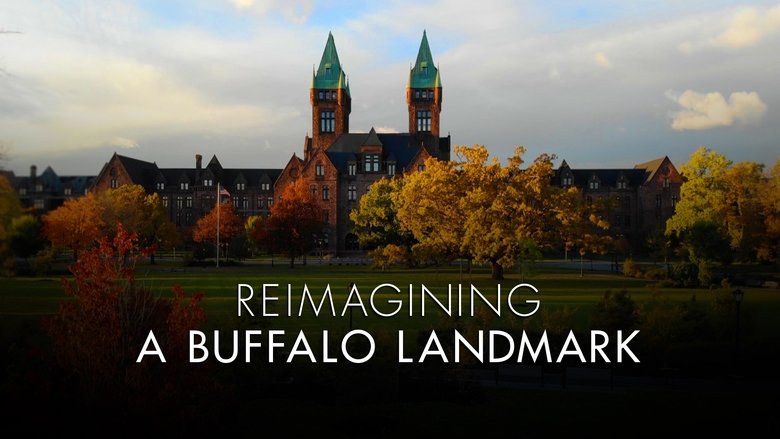
The Richardson Olmsted Campus, a former psychiatric center and National Historic Landmark, is seeing new life as it undergoes restoration and adaptation to a modern use.
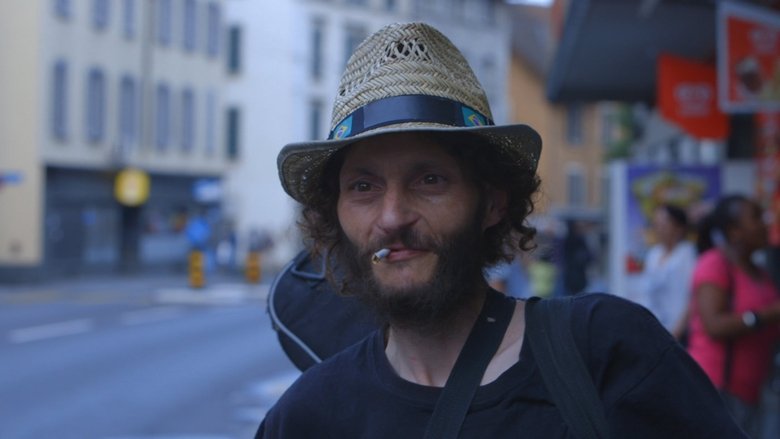
The Baselstrasse is a street in Lucerne. People call it "Rue de Blamage" – it's a noisy street tucked into a narrow space between a hill and a train track. The people who live here don't usually mingle with the rich and famous, but even the roughest haunt can be a home to those who live and work there – and Baselstrasse's two kilometers of asphalt are no different.

A young man decides to join the army. He becomes the drummer in the military band, and his everyday life is now a combination of military training and music. What does the Argentine Army do these days, more than thirty years after the dictatorship? What does it mean to be a soldier in a country without wars?
Since World War II North Americans have invested much of their newfound wealth in suburbia. It has promised a sense of space, affordability, family life and upward mobility. As the population of suburban sprawl has exploded in the past 50 years Suburbia, and all it promises, has become the American Dream. But as we enter the 21st century, serious questions are beginning to emerge...

Anecdotes and testimonials about the performance of Argentina in the 1986 FIFA World Cup. The whole story behind the Cup.

In 1919 an art school opened in Germany that would change the world forever. It was called the Bauhaus. A century later, its radical thinking still shapes our lives today. Bauhaus 100 is the story of Walter Gropius, architect and founder of the Bauhaus, and the teachers and students he gathered to form this influential school. Traumatised by his experiences during the Great War, and determined that technology should never again be used for destruction, Gropius decided to reinvent the way art and design were taught. At the Bauhaus, all the disciplines would come together to create the buildings of the future, and define a new way of living in the modern world.
Toronto filmmaker Charles Officer profiles the young people of Villaways Park, a housing project on brink of historic change.