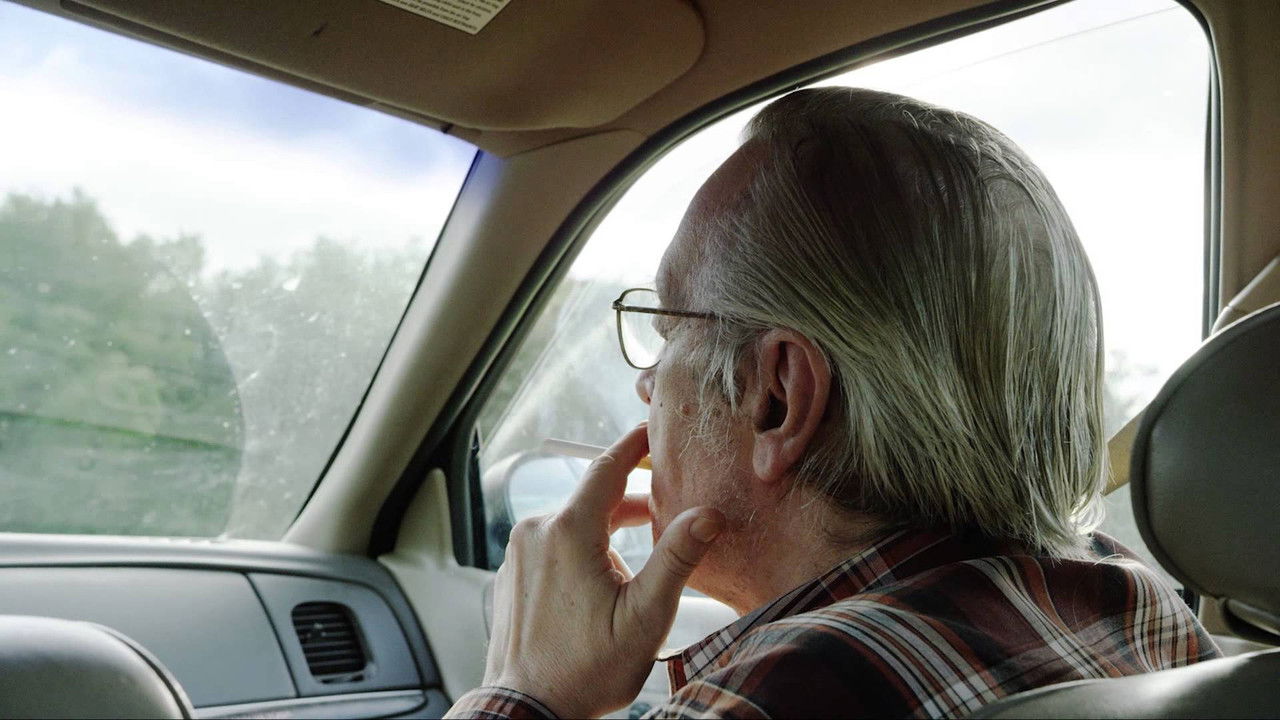
The Garden of Afflictions (2017)
Brazilian philosopher Olavo de Carvalho's thinking, presented through his presence, his daily work routine and his family life in Virginia (USA).
Brazilian philosopher Olavo de Carvalho's thinking, presented through his presence, his daily work routine and his family life in Virginia (USA).
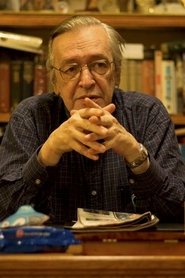 Olavo de Carvalho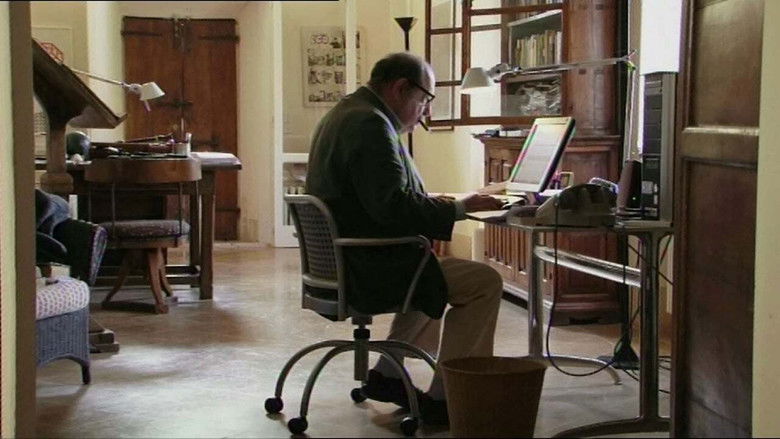
Umberto Eco, the author of best-selling novels who passed away in February 2016, unveils the secrets behind his undertakings and novels.

A documentary about the technological progress responsibility in employment destruction, analyzed by philosopher Zygmunt Bauman and others.
A poetic look at the life and legacy of legendary author Philip K. Dick (1928-1982), who wrote over a hundred short stories and 44 novels of mind-bending sci-fi, exploring themes of authority, drugs, theology, mental illness and much more.

This refreshingly frank and impartial study of the discovery and development of the notorious hallucinogenic drug is notably free of moral judgmental, and features contributions from such legendary heroes of psychedelia as Albert Hoffman - the Swiss scientist who discovered the drug - Aldous Huxley - author of 'The Doors of Perception' - Ken Kesey - author of 'One Flew Over the Cuckoo's Nest.
A feature length documentary which invites the viewer to rediscover an enchanted cosmos in the modern world by awakening to the divine within. The film examines the re-emergence of archaic techniques of ecstasy in the modern world by weaving a synthesis of ecological and evolutionary awareness,electronic dance culture, and the current pharmacological re-evaluation of entheogenic compounds.
Documentary examining the medieval myth of the Philosopher's Stone, a Holy Grail-type relic which supposedly held the key to alchemy and immortality. Many noted alchemists and adventurers searched obsessively for the artifact hoping to learn its powerful secrets, a quest which allegedly drove some to madness and others to celestial encounters.

A colorful and provocative survey of anarchism in America, the film attempts to dispel popular misconceptions and trace the historical development of the movement. The film explores the movement both as a native American philosophy stemming from 19th century American traditions of individualism, and as a foreign ideology brought to America by immigrants. The film features rare archival footage and interviews with significant personalities in anarchist history including Murray Boochkin and Karl Hess, and also live performance footage of the Dead Kennedys.
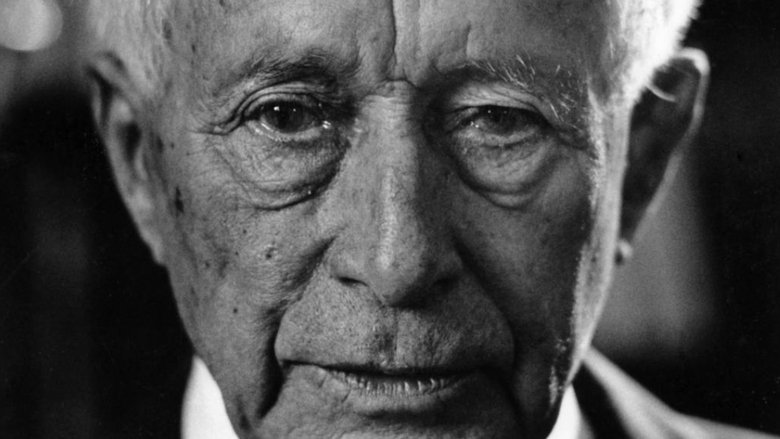
102 Years in the Heart of Europe: A Portrait of Ernst Jünger (Swedish: 102 år i hjärtat av Europa) is a Swedish documentary film from 1998 directed by Jesper Wachtmeister. It consists of an interview by the journalist Björn Cederberg with the German writer, philosopher and war veteran Ernst Jünger (1895-1998). Jünger talks about his life, his authorship, his interests and ideas. The actor Mikael Persbrandt reads passages from some of Jünger's works, such as Storm of Steel, The Worker, On the Marble Cliffs and The Glass Bees.
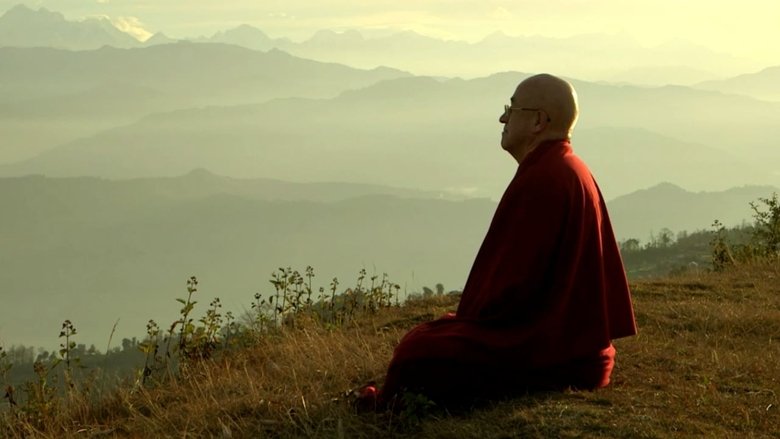
The documentary focuses on the annual Mani Rimdu festival of Tibet and Nepal, an event which encapsulates the Himalayan Buddhist experience.
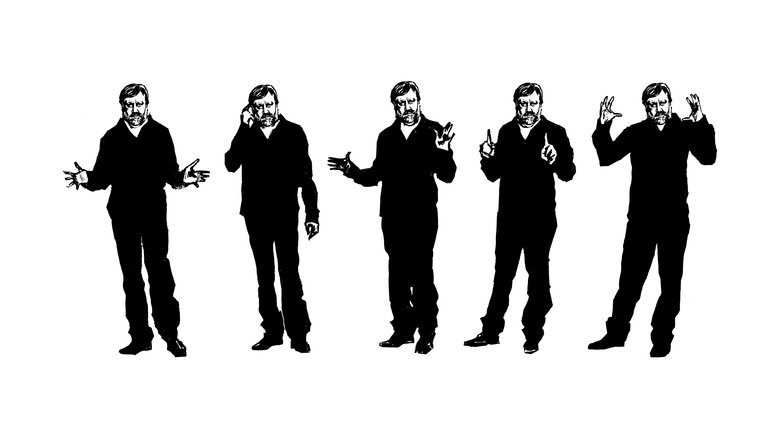
A hilarious introduction, using as examples some of the best films ever made, to some of Slovenian philosopher and psychoanalyst Slavoj Žižek's most exciting ideas on personal subjectivity, fantasy and reality, desire and sexuality.
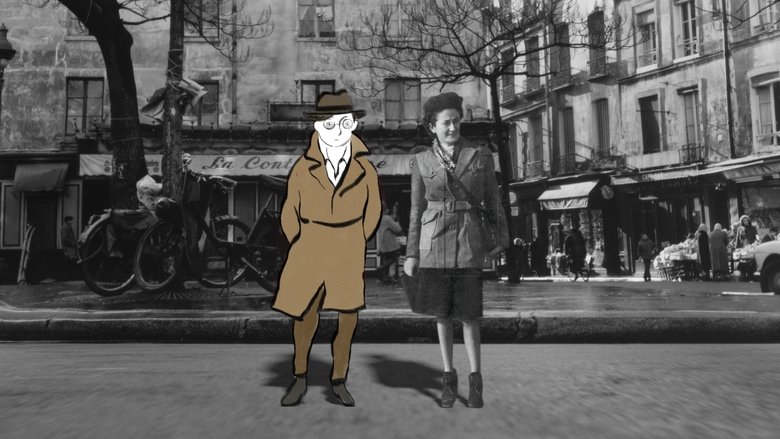
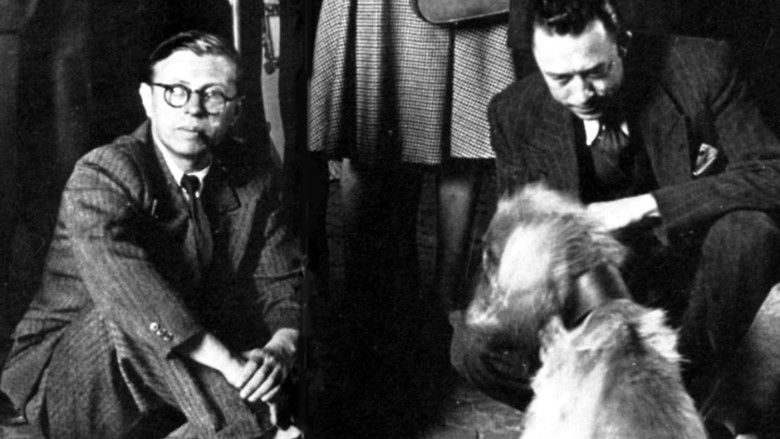
Sartre and Camus, the two most world-famous, 20th century, French writers, form a legendary and inseparable couple. The two extraordinary thinkers propelled the figure of the politically engaged writer into the limelight.
An hour long interview with Slovenian philosopher Slavoj Žižek made by Russia Today for his 70th birthday. In this documentary Žižek answers questions from the public in regards to politics and ideology, gender and sex, philosophy and psychoanalysis, hardcore pornography and sexual liberation in the West, in his usual style of polemics and comedy.
Investigates the central ideas of Marshall McLuhan using pictorial techniques and including his own comments. Examines the reaction of others to his views and points out that his interest is the impact of electronic technology on the contemporary world.
Richard Feynman was a scientific genius with - in his words - a "limited intelligence". This dichotomy is just one of the characteristics that made him a fascinating subject. The Pleasure of Finding Things Out exposes us to many more of these intriguing attributes by featuring an extensive conversation with the acclaimed Nobel Prize winner. During the course of the interview, which was conducted in 1981, Feynman uses the undeniable power of the personal to convey otherwise challenging scientific theories. His colorful and lucid stories make abstract concepts tangible, and his warm presence is sure to inspire interest and awe from even the most reluctant student of science. His insights are profound, but his delivery is anything but dry and ostentatious.
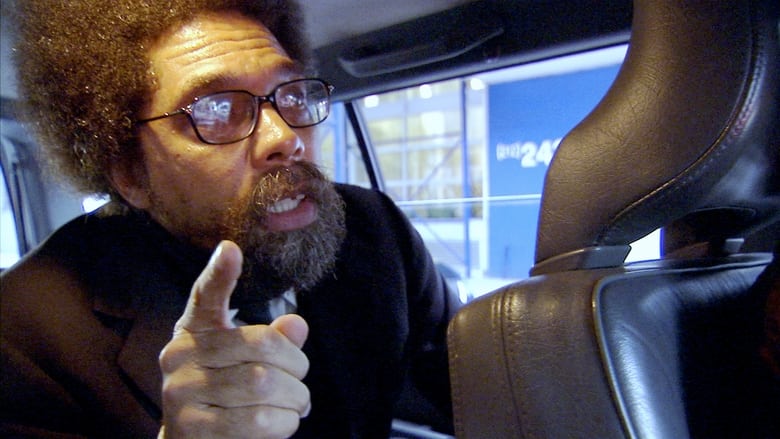
Examined Life pulls philosophy out of academic journals and classrooms, and puts it back on the streets. Offering privileged moments with great thinkers from fields ranging from moral philosophy to cultural theory, Examined Life reveals philosophy's power to transform the way we see the world around us and imagine our place in it.
For generations, we have believed that man is driven by ruthless self-interest. But over the past decade, this idea has been increasingly challenged. New research from fields as diverse as political science, psychology, sociology and experimental economics is forcing us to rethink human actions and motivation. ‘The Altruism Revolution’ examines the scientific reasons behind the call for a more caring society.
"Finding Joseph I" is a feature documentary chronicling the eccentric life and struggles of punk rock reggae singer, Paul "HR" Hudson, a.k.a. Joseph I, the legendary lead singer from Bad Brains.
In 1973 Yorkshire public television made a short film of the Nobel laureate while he was there. The resulting film, Take the World from Another Point of View, was broadcast in America as part of the PBS Nova series. The documentary features a fascinating interview, but what sets it apart from other films on Feynman is the inclusion of a lively conversation he had with the eminent British astrophysicist Fred Hoyle.