
The Challenge of the Female Spy Akatsuki (1959)
Japanese spy film.
Japanese spy film.
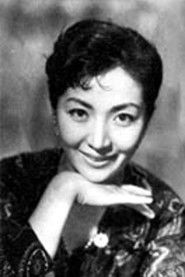 Miyuki Takakura
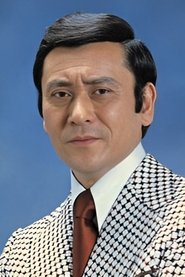 Shigeru Amachi
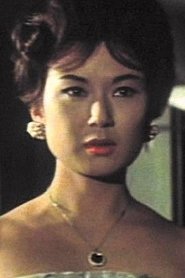 Yōko Mihara
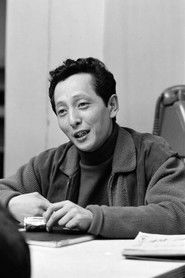 Shuntarō Emi
 Ichirō RyūzakiKiyoko TsujiYōji MisakiYōzō TakamuraTakamitsu WatanabeYūzō Harumi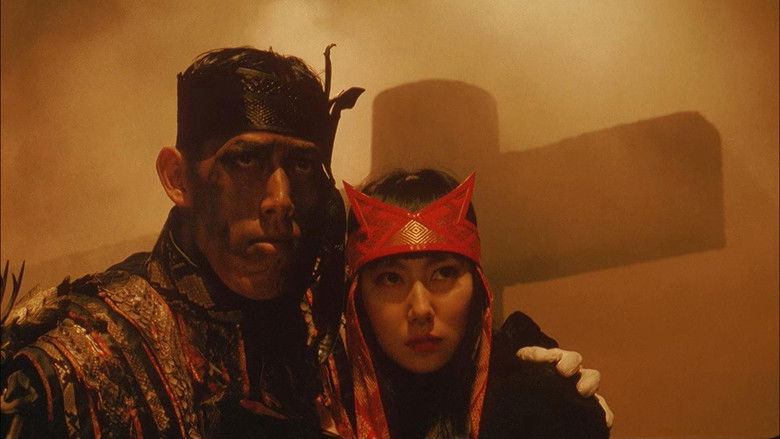
A demonic reincarnation of a Japanese general from the 10th century appears in the early 20th century Tokyo with a mission to destroy the blooming city.
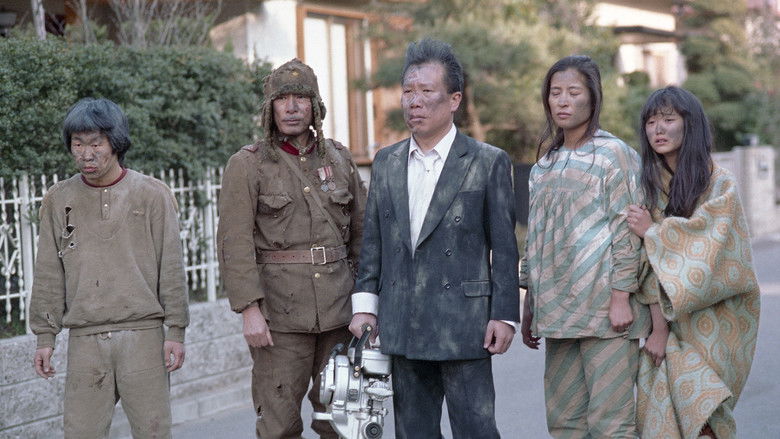
Shortly after moving to the suburbs, the Kobayashis start to come undone. Convinced a family curse is at the root of their erratic behavior, the man of the house takes it upon himself to course-correct before it takes the last of their sanity.
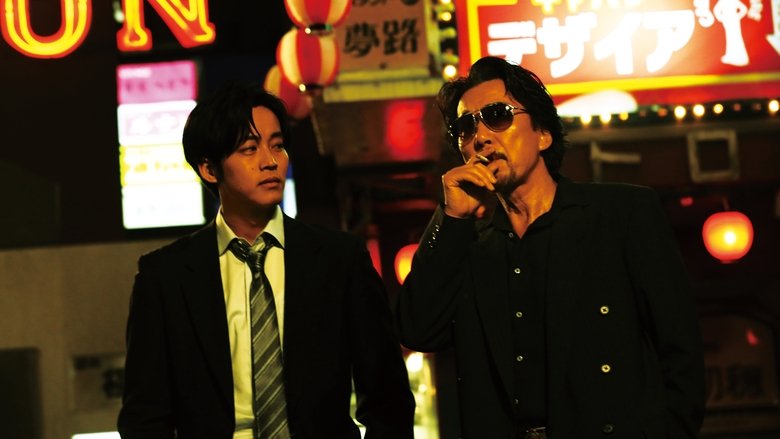
Set in 1988 in Hiroshima, Japan, prior to the enactment of the anti-organized crime law. A rumor exists that Detective Shogo Ogami has ties with the yakuza. He is partnered with Detective Shuichi Hioka and they investigate a missing person case involving a financial company employee. Conflicts between opposing yakuza groups become more serious.
Amagi Goe, based on Seicho Matsumoto's novel, has created numerous stars through its visualizations. Erika Ikuta will take on the difficult role of the main character in this adaptation.

The story of Osamu Dazai, one of Japan's most celebrated novelists, absorbed in alcohol and love; married and in a relationship with two other lovers.
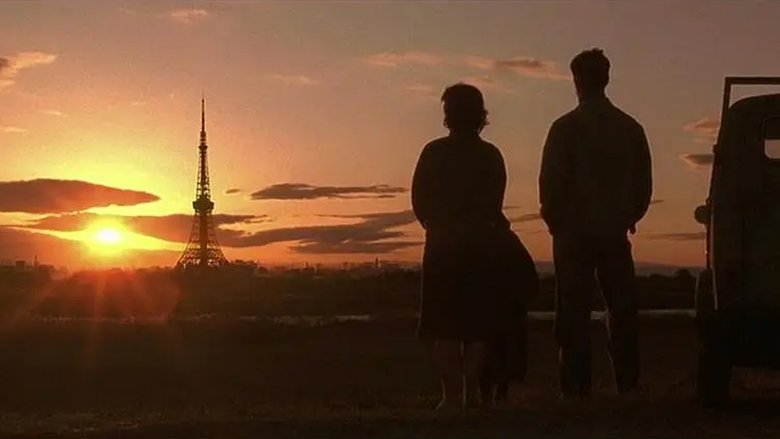
Teenage Mutsuko comes to Tokyo for work but ends up at a repair shop. She befriends the owner's family. Neighbors Hiromi, writer Chagawa with admirer Junnosuke strive alongside them in postwar Tokyo's evolution.
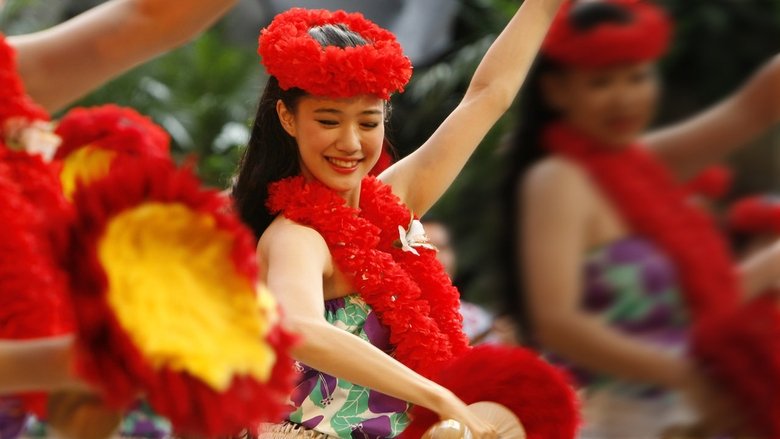
Young women in a small Japanese town look to revive their home's declining fortunes by building a Hawaiian village tourist attraction.
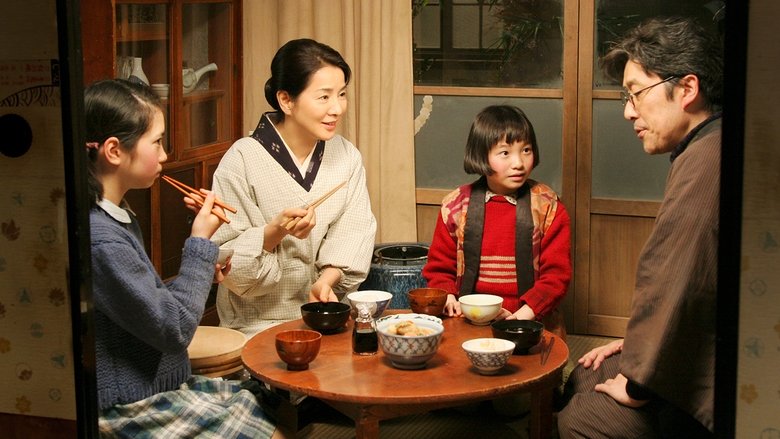
Set in Tokyo in 1940, the peaceful life of the Nogami Family suddenly changes when the father, Shigeru, is arrested and accused of being a Communist. His wife Kayo works frantically from morning to night to maintain the household and bring up her two daughters with the support of Shigeru's sister Hisako and Shigeru's ex-student Yamazaki, but her husband does not return. WWII breaks out and casts dark shadows on the entire country, but Kayo still tries to keep her cheerful determination, and sustain the family with her love. This is an emotional drama of a mother and an eternal message for peace.
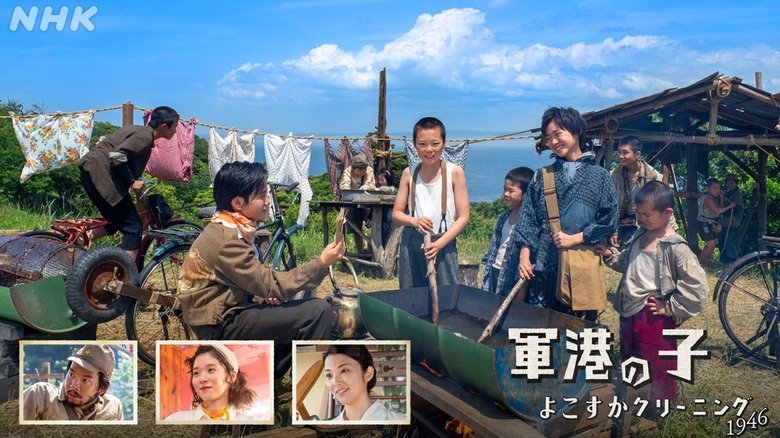
Post-war Yokosuka, Kanagawa Prefecture. Adults who are swayed by the US military stationed in the country and swayed by US intentions cannot afford to care about children who should be protected. The war orphans, who had no choice but to survive on their own, were used to shining shoes for American soldiers, picking up cigarettes, and sometimes committing crimes. However, at some point, they came across a "cleaning" job. They work hard instead of committing crimes and earn money by being appreciated by people. The orphans begin to regain their smiles through experiences that make them feel like they should be alive. The children started to have a modest dream of "renting a house and living" with their own earnings, but they were attacked by an even harsher reality...
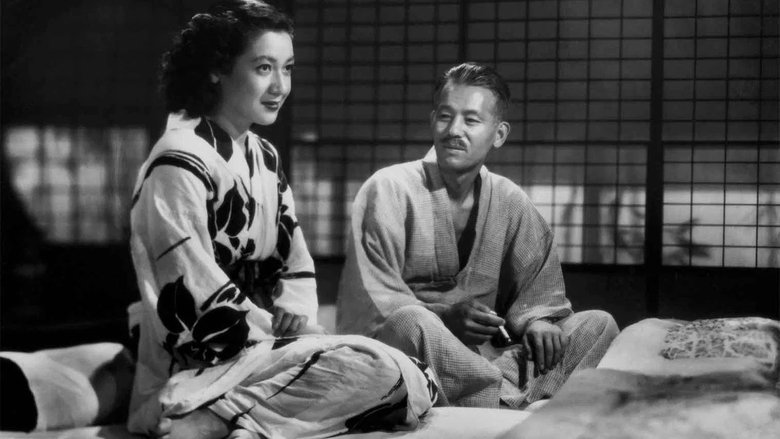
Noriko is perfectly happy living at home with her widowed father, Shukichi, and has no plans to marry -- that is, until her aunt Masa convinces Shukichi that unless he marries off his 27-year-old daughter soon, she will likely remain alone for the rest of her life. When Noriko resists Masa's matchmaking, Shukichi is forced to deceive his daughter and sacrifice his own happiness to do what he believes is right.
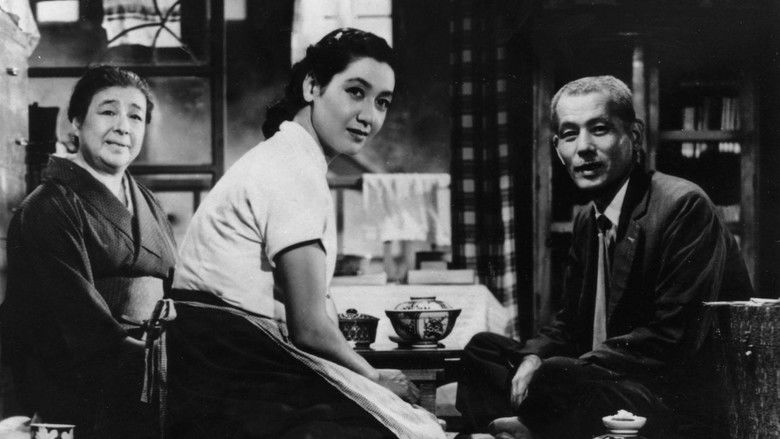
The elderly Shukishi and his wife, Tomi, take the long journey from their small seaside village to visit their adult children in Tokyo. Their elder son, Koichi, a doctor, and their daughter, Shige, a hairdresser, don't have much time to spend with their aged parents, and so it falls to Noriko, the widow of their younger son who was killed in the war, to keep her in-laws company.
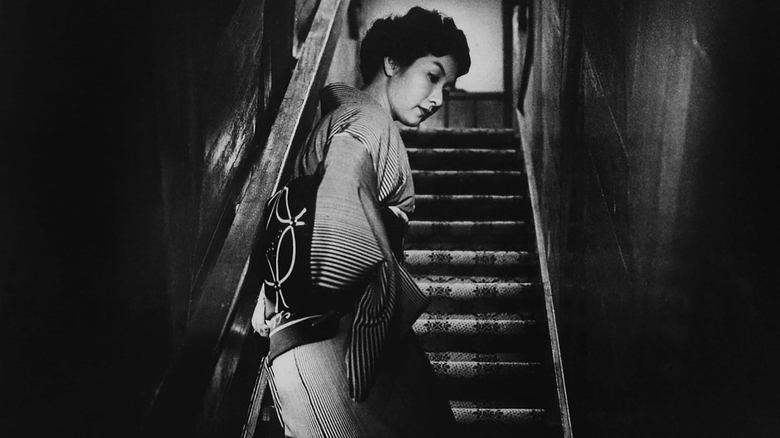
Keiko, whom everyone calls Mama, narrates her story: she's a hostess on the Ginza, 30, a widow. She describes life's vicious cycle: acting cheerful around drunks, dressing and living well to convey confidence, needing money for these expenses and for her demanding mother and brother, and knowing she's growing older.
A drama from director Masaharu Segawa.
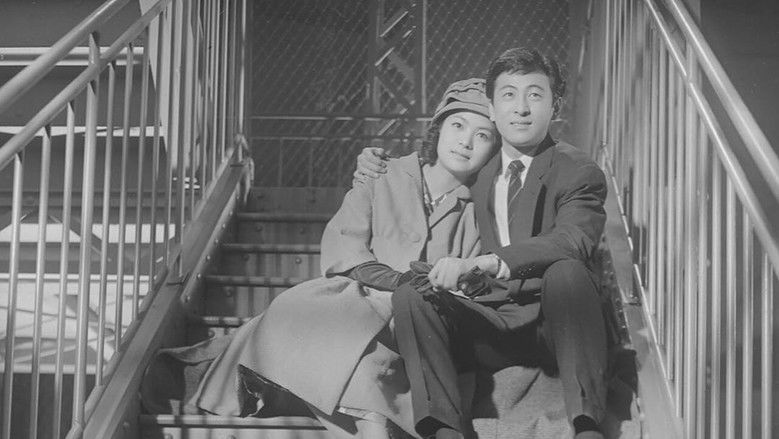
A sweet and melancholy story that depicts, with beautiful sentimentality, the day when a dreamy and lovely young girl first discovers love in the twilight of Tokyo Tower.

It is the early 1930s and the command of the Japanese Imperial Navy determines to construct the world's biggest and most formidable battleship, Yamato. One of the admirals, Yamamoto Isoroku, disagrees. He recruits the upstart and mathematics' expert Tadashi Kai who discovers there are discrepancies between the official cost estimates and the actual figures. They soon find out that they have stumbled upon a conspiracy.
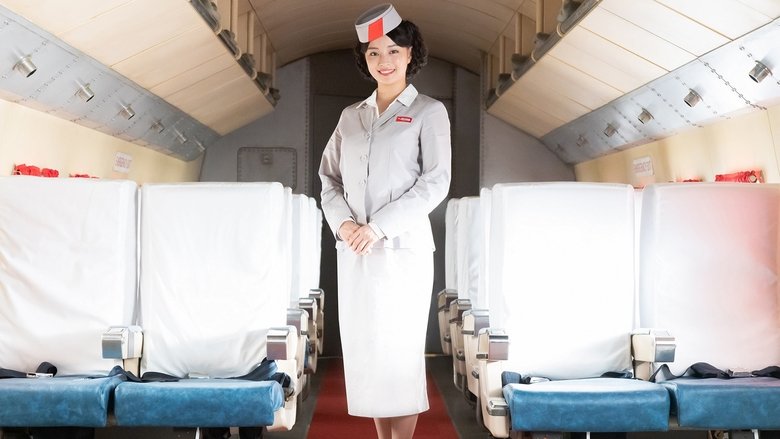
Komari Sano's parents ran a small Tokyo factory that manufactured aircraft parts. With her parents' influence, Komari Sano dreamed of becoming a pilot. During World War II, her older brother died as a kamikaze pilot and her parents died during the bombing of Tokyo. Komari Sano became an orphan and lived with her aunt. Her aunt ran a ryotei (high end traditional restaurant). After the war, all aerial activities were initially banned in Japan. After long negotiations with the Supreme Commander of the Allied Powers, Sizuo Matsuki, who is the security chief of Civil Aviation Bureau, finally launched Japan's civil aviation. Komari Sano applies for the position of a cabin attendant.
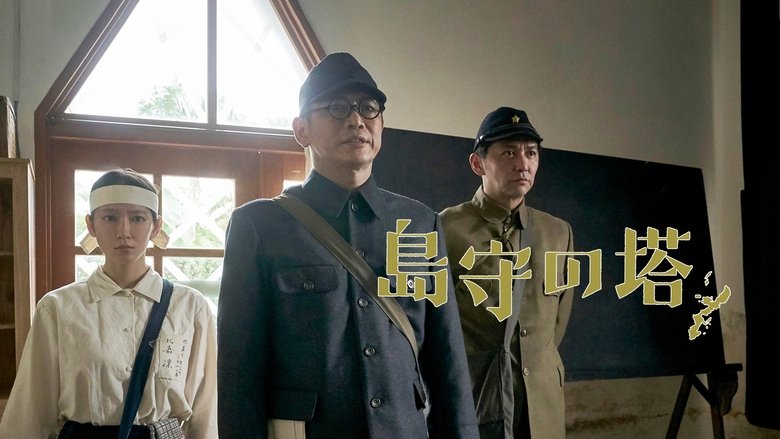
Together with Shimada Akira (Hagiwara Masato), the last appointed governor of Okinawa during the war, Arai Taizo (Murakami Jun), the chief of police of Okinawa Prefecture, goes beyond his duties and strives to protect the lives of the citizens of the prefecture. As the ravages of war intensify, the two, who each carried a heavy cross during the Battle of Okinawa, desperately devote themselves to saving the lives of the Okinawan people, with the belief that "life is precious." A human drama, set in Okinawa at the end of World War II, depicting the preciousness of human life. Directed by Igarashi Sho of One Step on a Mine, It's All Over.
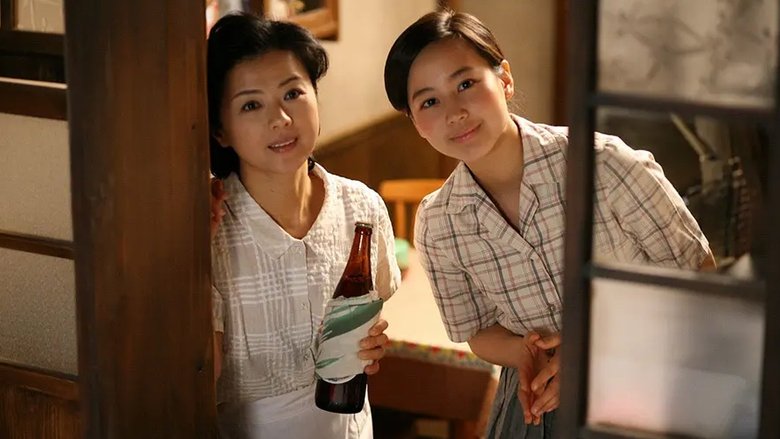
Would-be writer Ryunosuke Chagawa is still living across the street from Norifumi Suzuki and his auto repair shop, though now he shares his home with Junnosuke, an orphan he's taken under his wing at the urging of pretty Hiroi, who continues to manage a nearby tavern. Chagawa dreams of publishing a successful novel and settling down with Hiroi and Junnosuke, but his day job running the candy store keeps him busy, and Hiroi mistakes his tight schedule for a lack of interest in her. Hiroi has also embarked on a secret career as a burlesque dancer, which isn't doing much to improve her opinion of men. At the Suzuki household, seven-year-old Ippei isn't happy to be sharing the house with a guest, his distant cousin Mika who is the same age but far more demanding. Mutsuko, the apprentice female auto mechanic, is still staying with the Suzukis, and she's becomes the object of the affections of Takeo, a downbeat young man who is studying cooking.
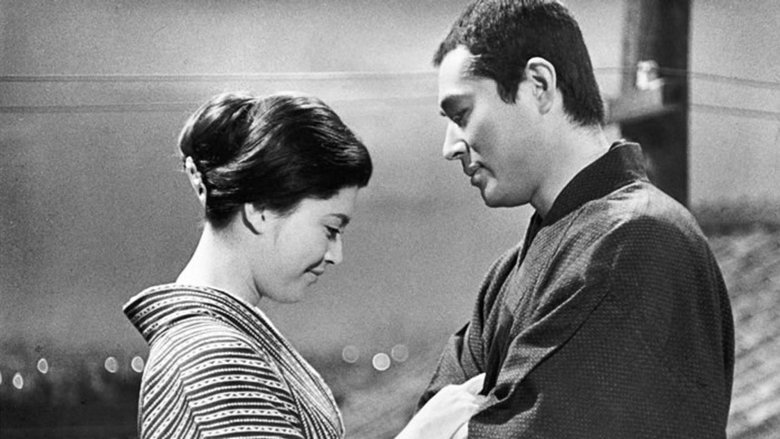
After her mother runs away from home, Tomoko is raised to be a geisha. One day Tomoko meets her mother in a red-light district in Tokyo and her life deeply gets in trouble.

Shinji (Shinichi Tsutsumi) steps out of a train station to find himself transported back to 1964.