
Tag für Tag (1979)
36 year old welder Karin works at an agricultural factory in Mecklenburg, Germany.
36 year old welder Karin works at an agricultural factory in Mecklenburg, Germany.

Violeta and Vyollca Dukay live in the south of Kosovo, close to the border with Albania. Faced with a very high unemployment in their country since the end of the war, they became deminers. They’ve been going to the minefields every day for six years now. The unique and very strong relationship that exists between the two sisters helps them to overcome their fear and to keep hoping in spite of the precariousness of their situation and the risks they run each day to earn their living.

There is a popular theory that it takes at least 10,000 hours of focused practice for a human to become expert in any field. In Japan, there are craftspeople who go far beyond this to reach a special kind of mastery. These people are called Takumi and they devote 60,000 hours to their craft. That's 8 hours a day, 240 days a year, for over 30 years. It's an almost superhuman level of dedication to a life of repetition and no shortcuts. This film asks the question: Will human craft disappear as artificial intelligence reaches beyond our limits?
Stylized with dramatic interiors and a distorted frame rate, this early documentary miniature from Szulkin depicts six sequences of solitary, repetitious labor.
You've never heard of Jonathan Hoefler or Tobias Frere-Jones but you've seen their work. They run the most successful and respected type design studio in the world, making fonts used by the Wall Street Journal to the President of the United States.
Agricultural scientist and mother Isolde struggles with the dicrepancies between her personal convictions and the political realities in East Germany.
Handbook of Movie Theaters’ History is a documentary about the history, the development in the present days and the future of movie theaters in the city of Turin, Italy. It mixes the documentary language with comedy and fiction, and is enriched by interviews to some of the most important voices of Turin cinematography. The film follows the evolution of movie theaters by enlightening its main milestones: the pre-cinema experiences in the late 19th Century, the colossals and the movie cathedrals of the silent era, the arthouse theaters, the National Museum of Cinema, the Torino Film Festival, the movie theaters system today and the main hypothesis about its future.
It is a fetish, a mantra, a secret religion to modern man: work. In times of the financial crisis and massive job reductions, this documentary movie questions work as our 'hallow' sense in life in a way that both humors and pains us.
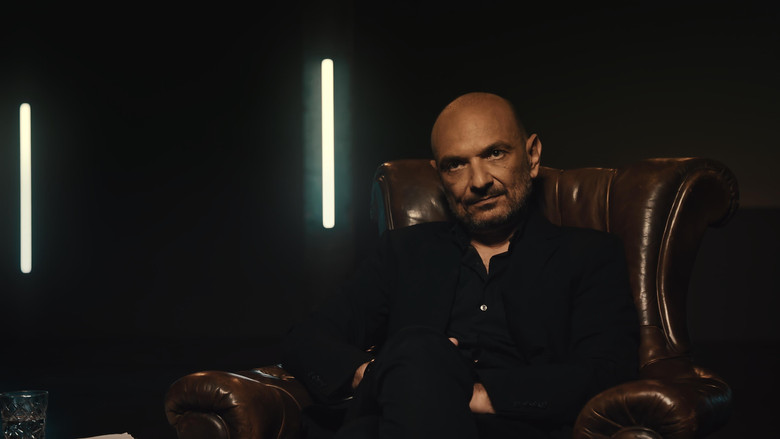
Der Film portraitiert eine Gruppe von Microsoft-Aussteigern: im Ruhestand mit 32, Multimillionäre und ohne die geringste Idee, was sie mit dem Rest ihres Leben anstellen sollen. Ihre Jahre im Unternehmen, der Hype des Goldrausches und das Adrenalin des Erfolges hat sie ausgebrannt und doch sind sie entschlossen mehr aus ihrem Leben zu machen - vor allem Sinn und Bedeutung in der wirklichen Welt zu finden.
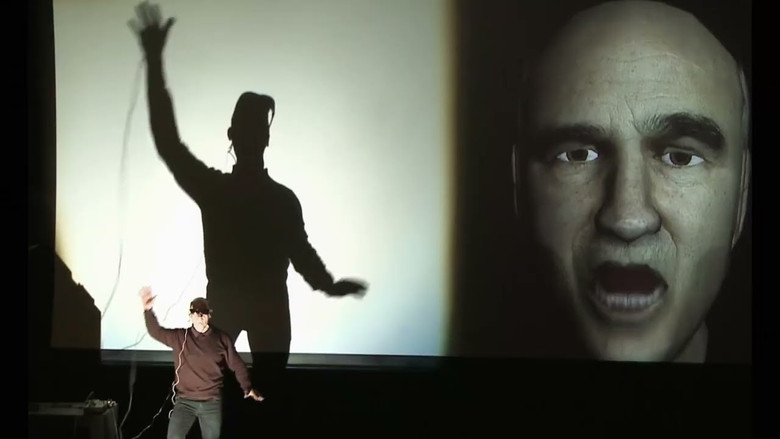
Melbourne-based Stelarc burst into prominence in the early 1970s with confronting, and outrageous public art performances. Following his mantra that ‘the body is obsolete’ he set about testing the limits of his own body in a series of death-defying stunts. Stelarc has always fought to escape the force of gravity. A third arm, an extra ear, a cheeky prosthetic head and an ambidextrous hand all play parts in this lively biopic as Stelarc wrangles the intersection between humanity and technology.
Women from Turkey and Mecklenburg are working together side-by-side at a fish-processing factory in Lübeck. As they work, they share stories about their lives, including their sorrows, griefs, hopes, and dreams, while expressing their longing for home and feelings of being lost in a foreign place.

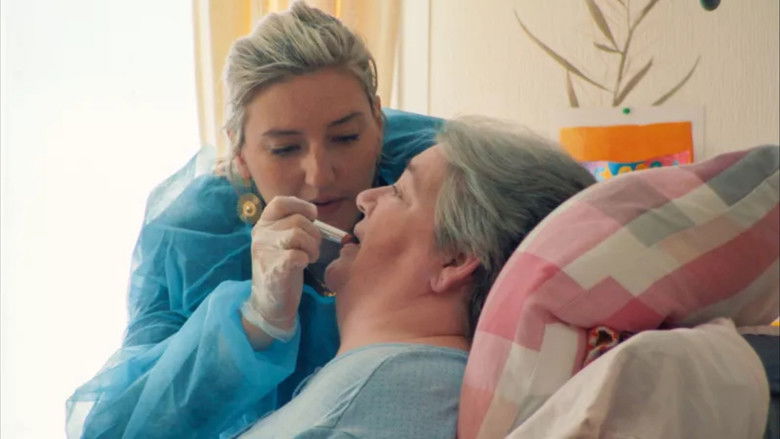
While everyone wants to die "at home" without suffering and surrounded by loved ones, in reality almost everyone dies in hospital. What healthcare provisions enable people to die at home? Are we all equal in terms of the support we receive, regardless of where we live? Young caregivers in a home hospitalization unit drive day and night along the Alabaster Coast. From house to house, from dying person to dying person. Accompanying a dying person at home also means accompanying their loved ones, immersing oneself for a few days or weeks in the intimacy of a family history. Thanks to them, the end of life returns to the home, to the family, and is rehumanized.
A highly choreographed review of the Industrial Age as we know it today – an intense and playful roller coaster ride that demands the viewer confronts how “work works.” Culled entirely from archival footage, the film unfolds in the filmmakers’ trademark, and humorously critical, cinematic voices.
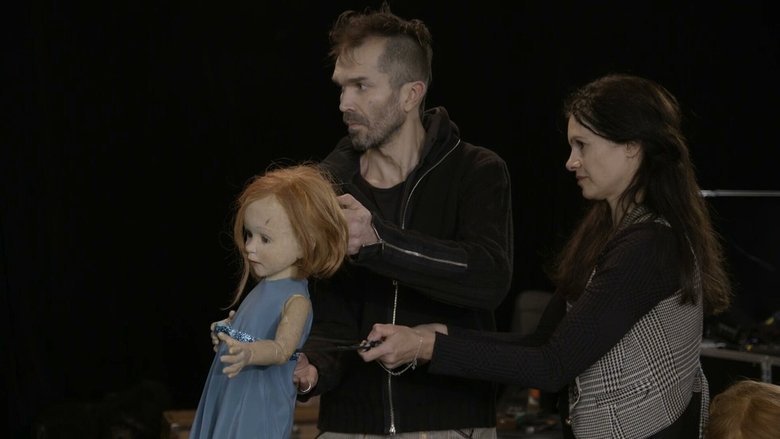
In 2019, the director Leos Carax proposes to Estelle Charlier and Romuald Collinet to design, make and animate "Annette", the puppet of his new film. This one will be the child of the couple Marion Cotillard and Adam Driver. Propelled into the world of cinema, begins for this charismatic duo a unique and singular adventure in their career as puppeteers. Faced with the demands of the filmmaker, the impossible, they are held.
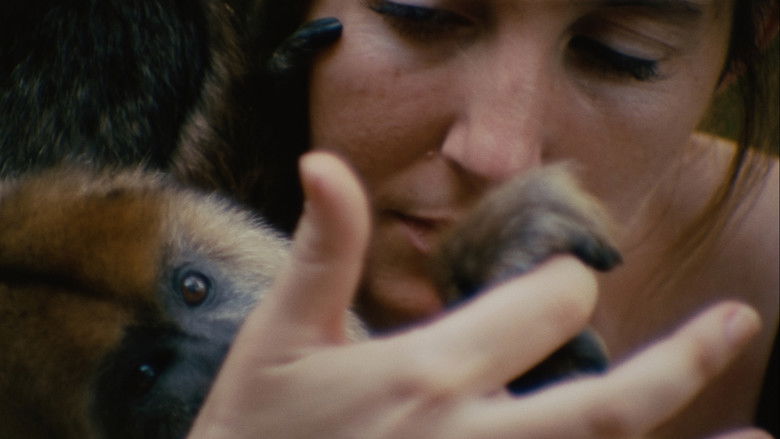
Intimate and fragmented moments unfold in a community of zoos and animal rescue centers across Argentina. As histories of these institutions are uncovered, dedicated workers commit both day and night to caring for the remaining enclosed animals, fostering a mutual bond that transcends imagined boundaries between human and animal.
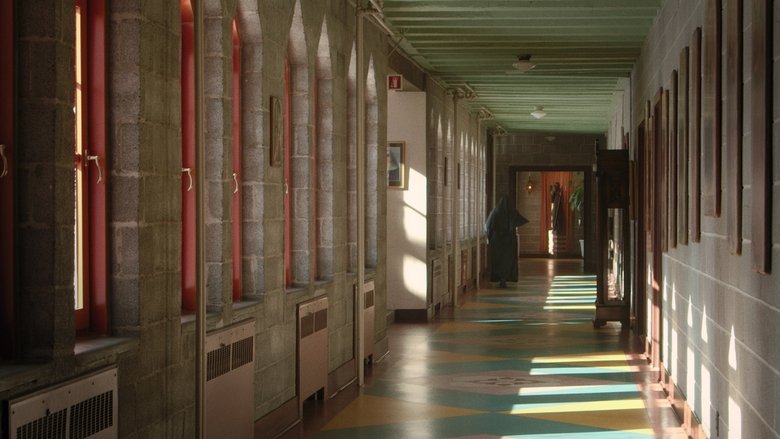
The oldest Quebecois Benedictine convent open its gates to a documentary filmmaker for the first time. Observed up close, life behind its walls is busier than one would expect. About twenty cloistered nuns, most of them over 70, share their daily life with diligence and humor. A contemplative portrait of a community of sisterhood and solidarity emerges, punctuated by prayer, work and games evenings.

The viewpoints of women from a country that no longer exists preserved on low-band U-matic tape. GDR-FRG. Courageous, self-confident and emancipated: female industry workers talk about gaining autonomy.
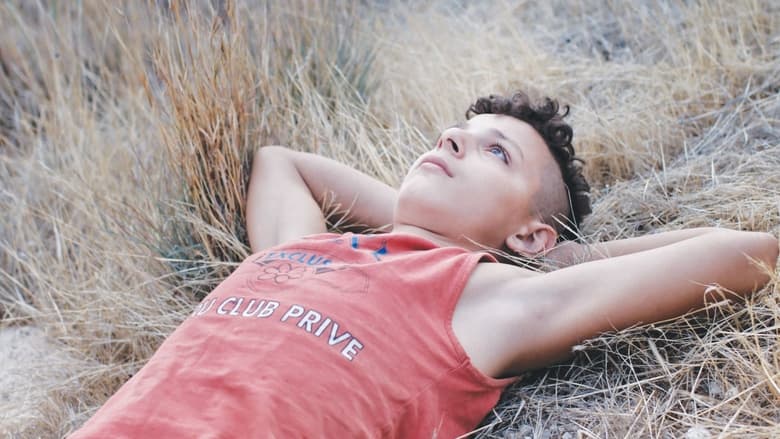
Oscar, not quite a child anymore, scavenges for scrap metal for his father. He spends his life in improvised landfills among what remains of leftovers. Worlds apart, yet close-by, there is Stanley. He tidies the church in exchange for a monetised hospitality, picks fruits, herds sheep: anything that keep his foreign body busy. Oscar, the young Sicilian, and Stanley the Nigerian don’t seem to have much in common. Except for the feeling of being thrown into the world, to suffer the same refusal, the same overwhelming wave of choices imposed on them by others.